For decades, kitchen design operated under one simple rule: hide the refrigerator. Appliances were functional necessities tucked away behind cabinetry, treated like household embarrassments. But something fundamental is shifting in how designers and homeowners approach modern kitchens. Your fridge is no longer something to minimize or camouflage—it’s being reconsidered as an opportunity for design expression and personality.
This transformation reflects a broader philosophical change in how we think about interior spaces. Rather than chasing sterile perfection, today’s homeowners are embracing kitchens that feel lived-in and intentional. Contemporary kitchen design increasingly emphasizes open layouts, sustainable materials, and seamless integration of appliances into the overall aesthetic. Since your refrigerator opens multiple times daily, it absolutely deserves consideration as a design element, not a design problem.
You’ll find two distinct philosophies emerging among designers today. Some embrace strategic concealment through sophisticated integration, while others argue the most confident kitchens celebrate their refrigerators as statement pieces. Either way, the conversation has fundamentally shifted: kitchen functionality and beauty aren’t competing priorities—they’re complementary elements that strengthen one another. When a kitchen appliance becomes part of the design conversation rather than something to apologize for, the entire space transforms.
The Carrie Bradshaw Effect: When a Mint Green Fridge Becomes a Showstopper
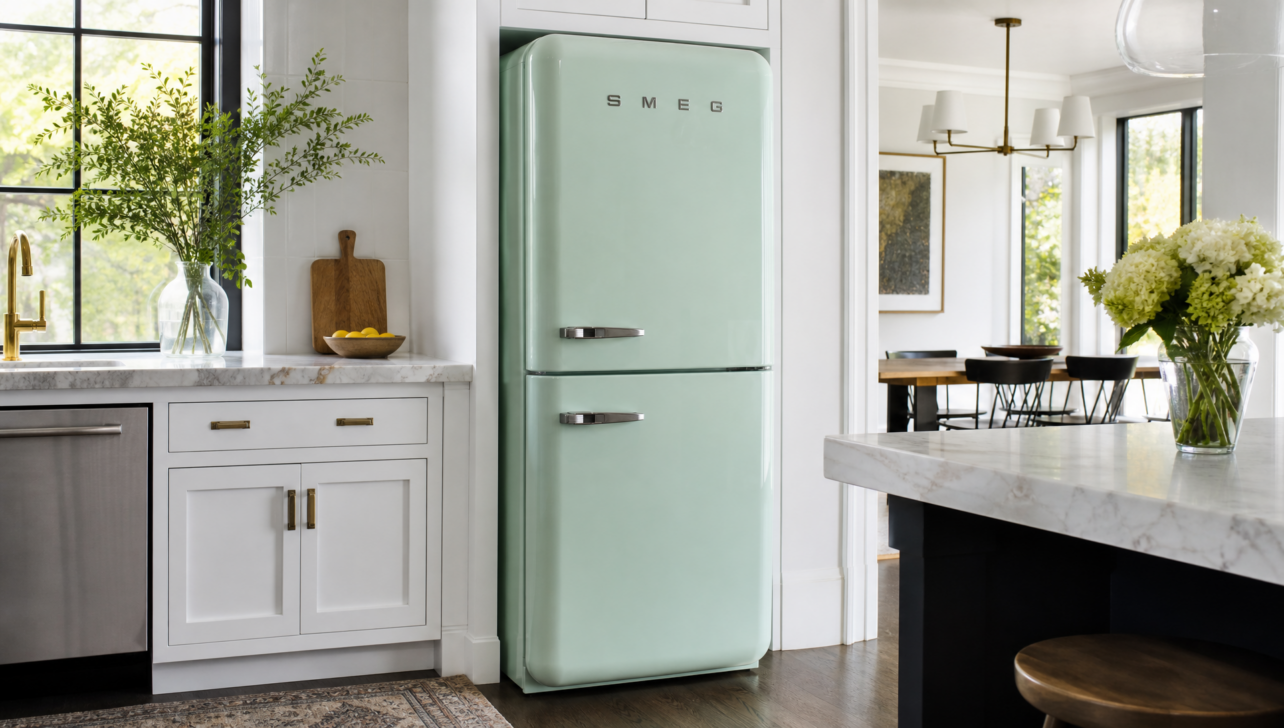
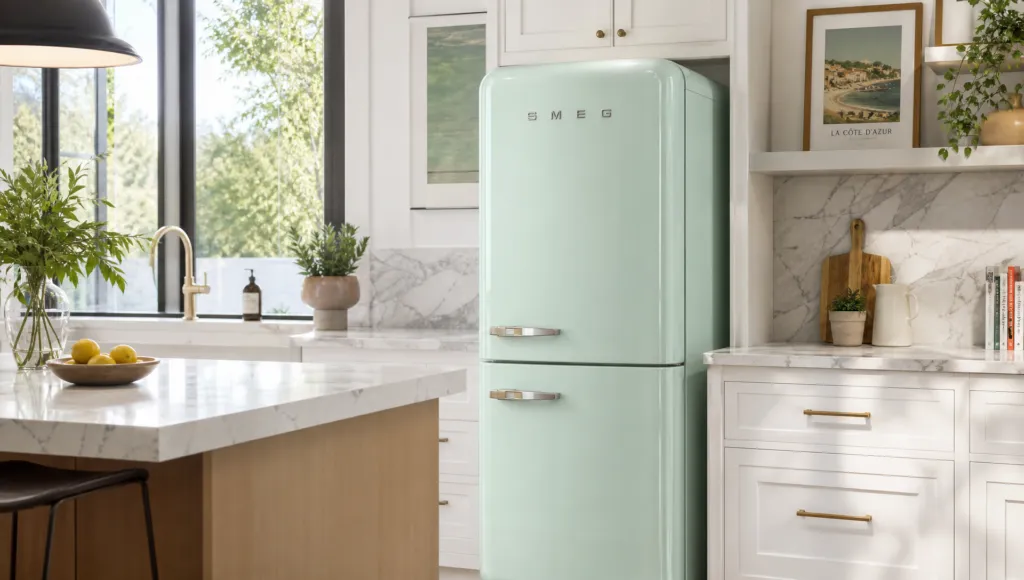
Television has remarkable power to shape design trends, and one pale mint green refrigerator proved this spectacularly. When ‘And Just Like That’ featured this standout appliance in Carrie Bradshaw’s reimagined kitchen, something unexpected happened—it became the most talked-about design element in the space. The fridge wasn’t just part of the kitchen; it became the room’s defining character, sparking conversations across social media about what a refrigerator could actually be.
Suddenly, retro-colored standalone refrigerators from brands like SMEG, Big Chill, and Unique Appliances began appearing on design wish lists. These weren’t modest additions—they were bold declarations of personality. Canary yellow, soft pastels, warm corals, and jewel tones felt desirable rather than risky. The mint green fridge proved that charm and irreverence could flourish without sacrificing sophistication.
The timing was perfect. After years of minimalist, all-white kitchens that prioritized sterile order, homeowners were craving color, warmth, and visual interest. Your kitchen doesn’t need to be a showroom. It can reflect who you actually are, and your refrigerator serves as the perfect vehicle for that expression.
The Luxury Secret: What’s Inside Your Fridge Matters as Much as Its Exterior
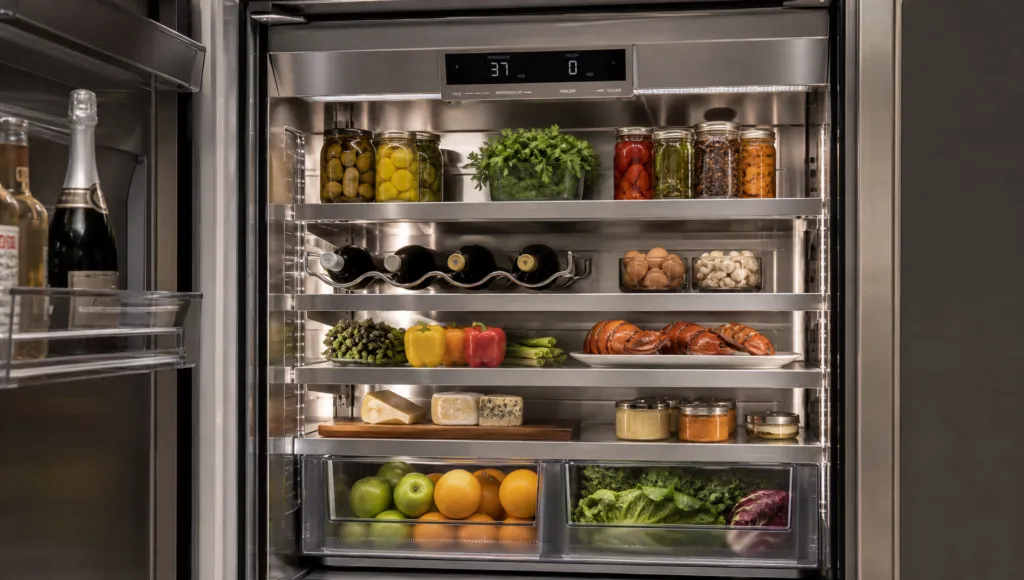
While most design conversations focus on what’s outside, a different philosophy is reshaping luxury kitchen design: appliances so meticulously designed that opening them becomes an experience. Architects are now treating refrigerator interiors with the same care typically reserved for fine furniture.
High-end brands like Dacor and JennAir exemplify this approach. Dacor features polished stainless steel interiors that create a gallery-like quality when doors open, while JennAir counters with sleek obsidian interiors that project intentionality. These aren’t marketing gimmicks—they reflect genuine understanding that your fridge interior, visible multiple times throughout the day, deserves aesthetic consideration alongside the exterior.
The most cohesive kitchens treat appliances as contributors to a unified design language rather than isolated functional elements. High-end practitioners are discovering that the most impressive kitchens feature refrigerators so thoughtfully designed—both inside and out—that their presence feels inevitable, becoming part of a cohesive design narrative rather than an interruption to it.
When Your Fridge Needs to Disappear: Six Designer Strategies That Actually Work
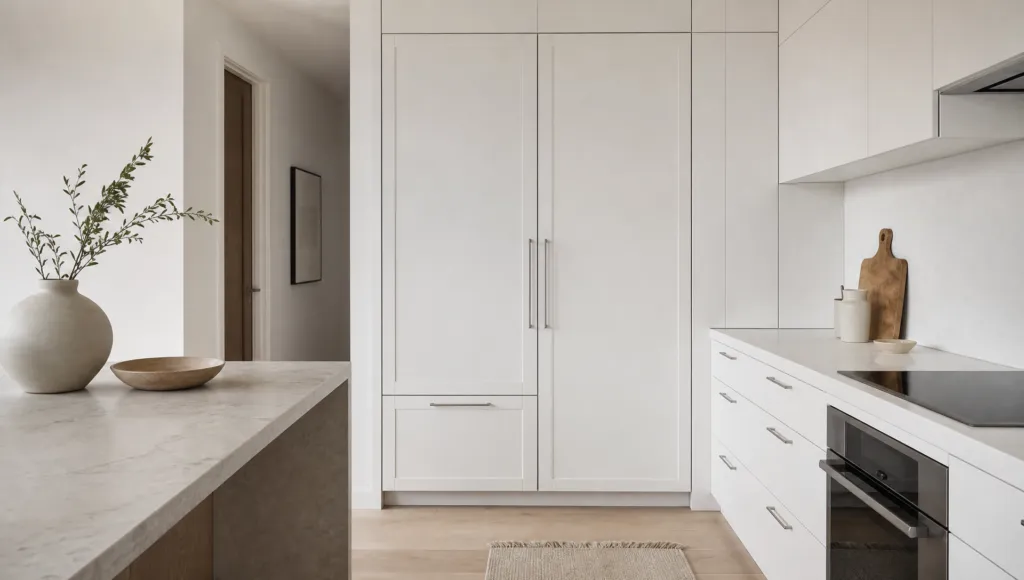
Not every kitchen needs a statement fridge. Sometimes your design calls for seamless integration, and professional designers have developed sophisticated strategies to achieve it.
Color-matching cabinets: The foundational approach matches your refrigerator color directly to surrounding cabinetry, creating visual continuity that allows the fridge to recede into the composition. This works particularly well in neutral kitchens where consistency matters.
Texture and pattern play: Rather than simply matching colors, designers use visual complexity to disguise the fridge’s rectangular form. Grid patterns, sculptural joinery, and geometric elements break up the appliance’s visual weight, making it feel like part of the cabinetry system rather than a distinct object.
Strategic placement: Tucking your fridge into a breakfast nook, aligning it with surrounding cabinets, or positioning it as part of a larger millwork composition fundamentally changes how the eye reads the space. The fridge becomes contextual rather than focal.
Neutral retro styling: Some designers embrace retro-style options in warm whites, soft creams, or muted metallics that complement minimalist spaces while maintaining visual interest—and these forgiving finishes hide fingerprints better than glossy surfaces.
The Bold Color Rebellion: Making Your Fridge the Room’s Design Anchor
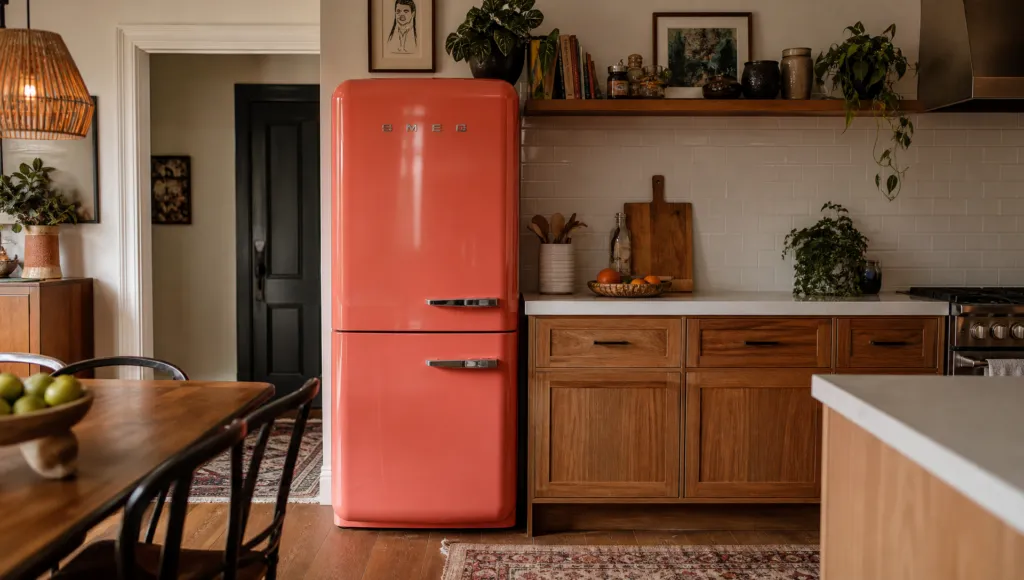
A growing number of forward-thinking designers are rejecting the premise that refrigerators should disappear. Instead, they’re prescribing unexpected hues—muted coral, warm red, and jewel tones—as the foundation of a kitchen’s personality.
Bold fridge colors accomplish something stainless steel never could: they create visual anchors that define your entire room’s character. Plus, they’re remarkably practical. Unlike fingerprint-prone stainless steel, muted coral and warm red finishes camouflage daily wear while radiating confidence and intentionality. When a designer chooses a specific fridge color, it signals your space has been thoughtfully considered rather than casually assembled.
This color-forward approach influences everything else—cabinet choices, countertop selections, and your overall palette. Your refrigerator becomes the design’s compass rather than its afterthought, anchoring your kitchen’s entire aesthetic narrative. What’s compelling is that this inverts traditional design hierarchy: instead of designing around stainless steel, professionals now start with the fridge color, allowing it to influence other materials and finishes throughout the space.
The Refrigerator Brands Designers Actually Want (And Why)
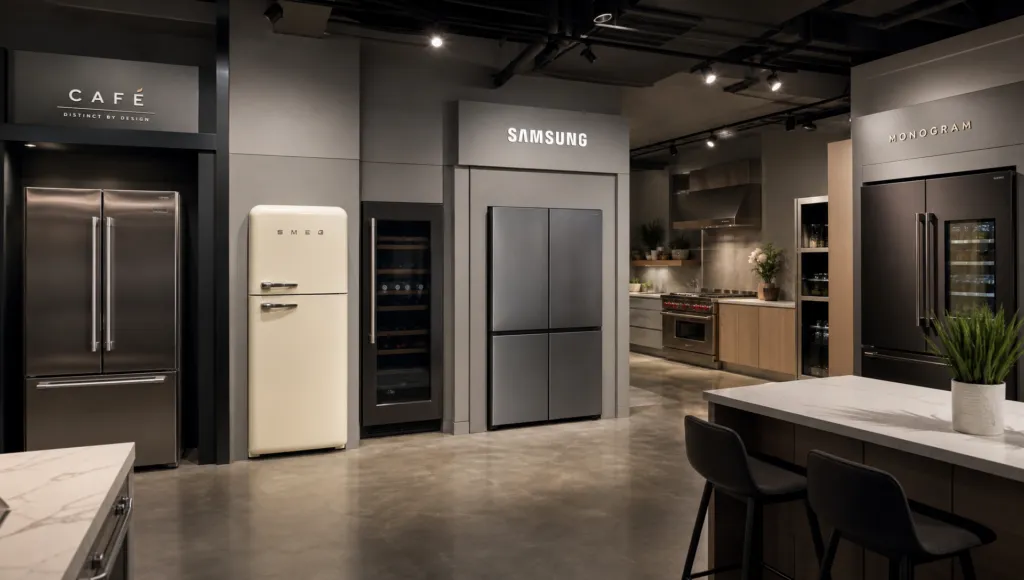
A fascinating hierarchy is emerging among refrigerator brands, where designer preferences often surprise homeowners. SMEG’s iconic 50’s Style remains the gold standard of retro appeal, blending vintage nostalgia with modern reliability. Big Chill’s 33″ Retro Original offers similar charm with distinct personality. Samsung’s Bespoke 4-Door French Door delivers customization that appeals to professionals seeking individual expression within premium technology.
Then there’s IKEA’s Superkall with midcentury walnut door detailing—exemplifying how thoughtful design transcends price point. High-end architects aren’t ashamed to specify it; they recognize compelling design emerges from unexpected sources. True Residential columns and Unique Appliances models complete the designer-preferred list, each offering distinct aesthetic possibilities.
These curated selections reflect a broader philosophy: thoughtful appliance integration ensures your fridge supports rather than detracts from your kitchen’s aesthetic appeal. The irony is striking—the coolest kitchens aren’t hiding refrigerators behind custom cabinetry anymore. Instead, they’re featuring refrigerators so beautifully designed and carefully selected that the appliance becomes the conversation starter, the element guests notice first. These aren’t budget compromises—they’re deliberate choices by sophisticated professionals who understand kitchens are about expression, craft, and the courage to let functional beauty take center stage.