Remember lava lamps? Those mesmerizing blobs of wax floating endlessly inside glass vessels? They’re making a serious comeback—and it’s not just nostalgia talking. When British entrepreneur Edward Craven Walker invented the lava lamp in 1963 (inspired by an egg timer bubbling on a pub stove), he created something that would eventually become the ultimate symbol of personal expression.
What’s driving this resurgence reveals something important about where we’re headed with interior design. After years of “less is more” minimalism, people are craving warmth, texture, and rooms that actually tell a story. Maximalism—bold colors, patterns, layered vintage finds—has emerged as the antidote to sterile, perfection-obsessed interiors. Gen Z and design-conscious homeowners are deliberately reclaiming lava lamps as personal statements, transforming bland spaces into rooms that feel authentically *lived-in*.
How they actually work: A bolus of wax sits suspended in liquid inside a glass vessel with an incandescent bulb heating from below. As the wax warms, it becomes less dense and rises. When it cools, it sinks back down—an endless, hypnotic cycle that demands attention and naturally sparks conversation.
Beyond lava lamps alone, designers are strategically reintroducing bold elements from the 1960s–1980s: floral upholstery, geometric patterns, jewel-tone paint colors, mirrored walls. The key difference? Modern restraint. Contemporary designers temper the exuberance of these eras with clean proportions and minimalist balance, creating intentional spaces rather than theme-park recreations.
For younger generations especially, home has become a canvas for curating identity. Every object carries intention and meaning. Lava lamps fit perfectly—they’re the antithesis of anonymous mass production and serve as anchors within a design philosophy that values collected character over conformity.
Beyond Novelty: How Designers Are Elevating Lava Lamps Into Serious Art
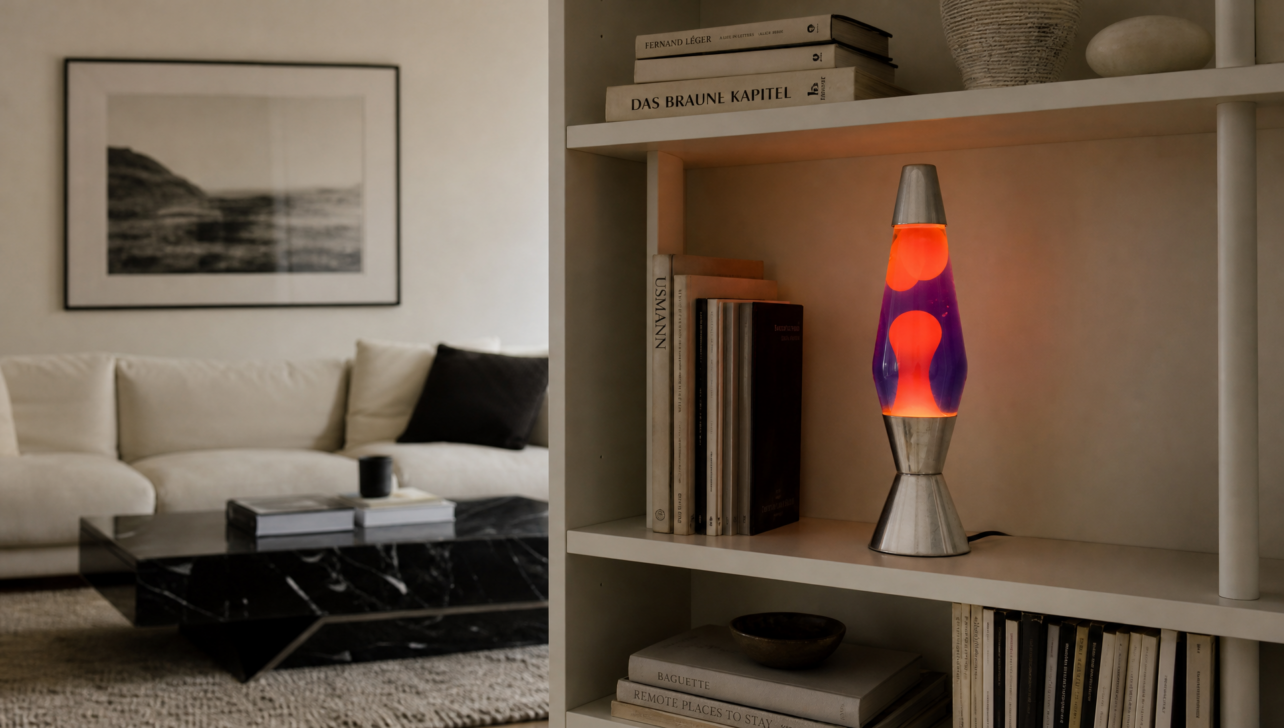
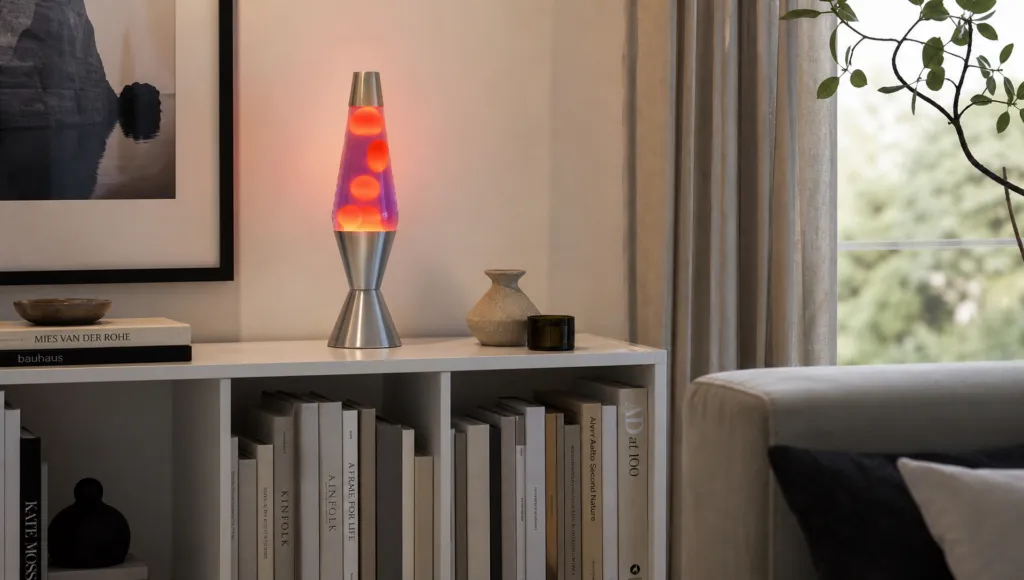
Interior designers have cracked the styling code for lava lamps, and it comes down to one principle: treat them as sculptural focal points, not retro novelties. Designers position these fixtures strategically within bookshelves, credenzas, or reading corners surrounded by monochromatic backgrounds—the neutral surroundings become theater for the lamp’s glowing performance.
The artist’s approach: Creative practitioners through studios like Studio Shae and Rosectra are reimagining lava lamps entirely. Custom 3D-printed bases, hand-designed toppers, and sculptural elements transform these into bespoke art installations rather than mass-produced objects. Each becomes a collector’s piece imbued with artistic intent.
This elevation matters culturally. When respected designers champion lava lamps and artists dedicate studio time to reimagining them, perception shifts dramatically. What was once dismissed as kitsch becomes culturally significant and worthy of design publication features.
Design professionals now recognize custom lava lamps as premium finishing touches within layered lighting schemes that instantly elevate perceived room quality. When incorporated as part of a comprehensive multi-source lighting strategy, sculptural lamps like custom lava lamps create that sophisticated, collected aesthetic characteristic of high-end spaces. This positioning validates them not as nostalgic novelties but as legitimate design investments that contribute to visual richness and intentional curation.
The Lighting Revolution: Sculptural, Conscious, and Unapologetically Creative
Lava lamps represent just one facet of how we’re fundamentally rethinking illumination in 2026. Contemporary design treats light sources as artistic expressions rather than utilitarian necessities. This shift encompasses sculptural installations, mixed materials, and craftsmanship-driven approaches that prioritize intention over efficiency.
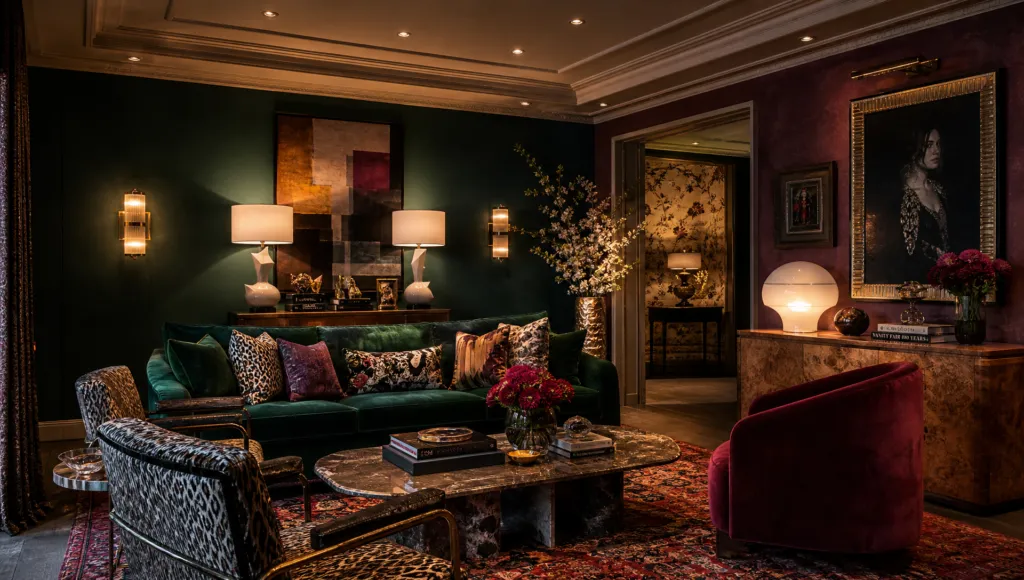
Strategic layering matters: Professional designers increasingly recommend at least three distinct light sources—decorative fixtures, sconces or table lamps, and recessed lighting—each independently dimmable to transition between functional and intimate moods. Every light source becomes a narrative element contributing to cohesive design language.
This approach rejects the notion that lighting should be neutral or invisible. Instead, contemporary design celebrates visibility, personality, and intentional placement. Asymmetry, diverse materials, and flexible fittings allow for fluid spatial storytelling.
Maximalism requires balance: When combining multiple lighting techniques, the key is increasing visual engagement through color, texture, and layered illumination while maintaining functionality. Rich, layered spaces work best when design elements harmonize rather than create visual chaos.
The broader implication? Homes are becoming more theatrical and consciously designed. Lighting choices now function as design declarations. Whether through sculptural installations or unconventional arrangements, every element should serve both aesthetic and emotional purposes. Lava lamps, with their inherent drama and sculptural presence, fit perfectly as cornerstone pieces within these layered lighting ecosystems.
The Glow-Up Aesthetic: Mastering Ambiance in Low-Light Settings
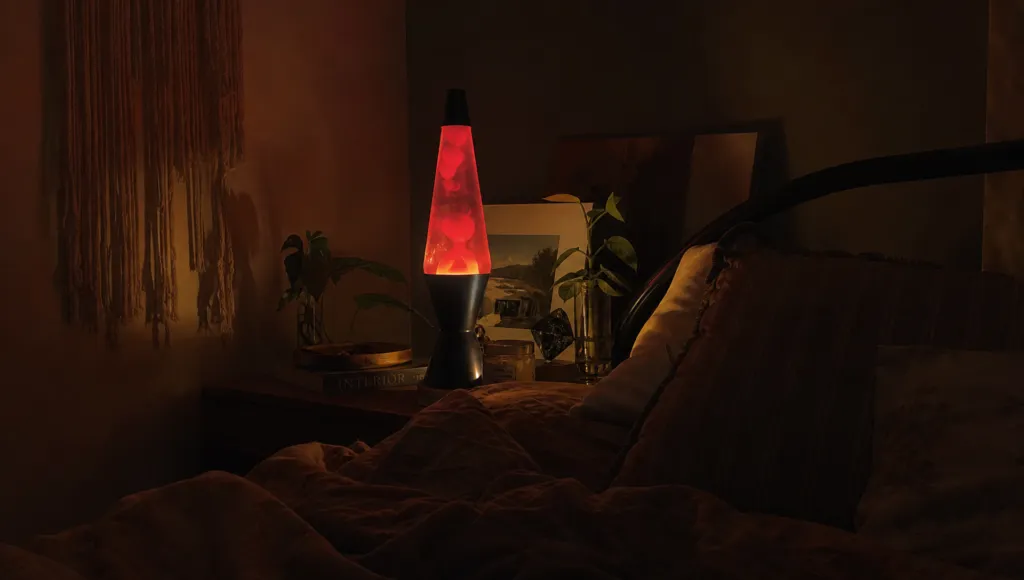
The true magic of lava lamps emerges in low-lit spaces where their warm glow becomes the primary focal point. Strategic positioning in darker settings allows their gentle radiance to become the atmospheric anchor—transforming ordinary rooms into inviting sanctuaries that feel intentionally curated rather than accidentally dimmed.
This approach aligns with the “quiet lighting” trend gaining momentum throughout 2026. Rather than flooding rooms with harsh overhead light, designers layer softer sources that foster comfort and connection. Lava lamps excel as instruments in this orchestration, their gentle warmth complementing candlelight, sconces, and table lamps to create multidimensional environments.
The wellness factor: Low-light environments with warm illumination influence mood positively—reducing stress and promoting relaxation. Lava lamps perform double duty: creating atmospheric warmth while delivering artistic impact. This dual function explains their appeal in an era increasingly concerned with holistic well-being, where design choices reflect commitment to intentional living.
The result? Spaces that don’t just look beautiful—they *feel* restorative. In a world of bright screens and constant stimulation, warm, intentional illumination has become genuinely valuable to how we experience our homes.
More Than Lava: Exploring Sculptural Lighting Alternatives That Deliver the Same Warmth
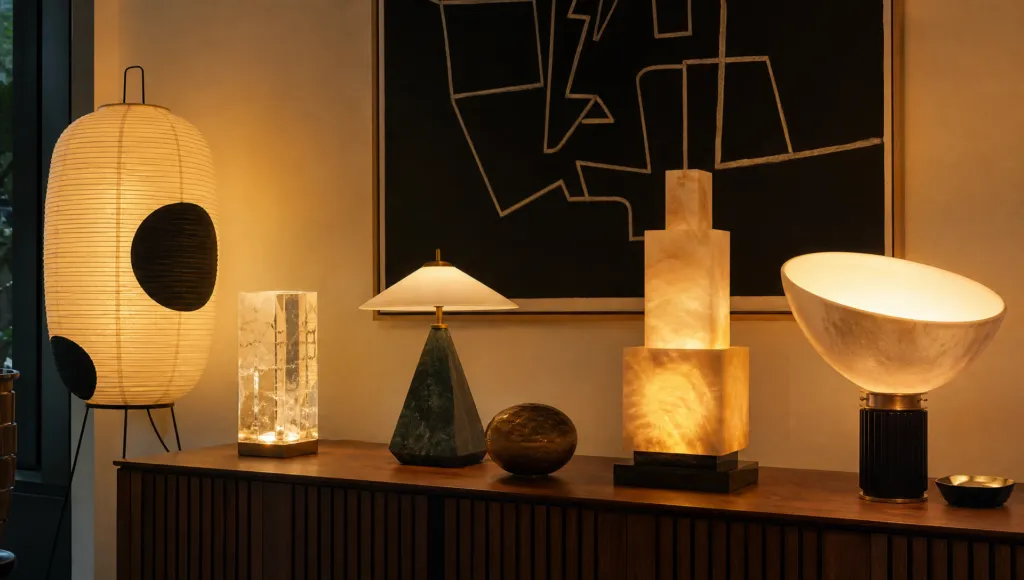
If you’re drawn to lava lamps’ ambient warmth and sculptural presence but want alternatives, excellent options exist within contemporary design. Isamu Noguchi’s iconic Akari lamps deliver ethereal luminescence through minimalist forms. Sabine Marcelis crafts resin sculptures that illuminate from within, creating otherworldly effects. Oskar Zięta’s geometric steel sculptures combine structural boldness with functional lighting.
Even accessible options like IKEA’s doughnut lamp deliver personality-driven design at approachable price points. The connecting thread? Each treats lighting as primary decoration with secondary function.
The layering approach: The most sophisticated strategy combines table lamps, sconces, candlelight, and sculptural pieces to create multidimensional ambiance. This allows for depth, flexibility, and narratively rich spaces that respond to different moods and activities. You don’t need authentic vintage lava lamps to achieve personality-infused illumination—you need intentional curation and strategic placement.
Whether through signature pieces like Noguchi’s Akari or layered collections blending contemporary and vintage elements, contemporary design insists every light source contribute meaningfully to overall aesthetic impact. Apply maximalist principles to lighting design: combine multiple techniques and sources to create beautiful, functional experiences that engage viewers and enhance spatial quality.
The result? Homes that feel alive, deliberately curated, and unmistakably personal—exactly what drives this broader design revolution.