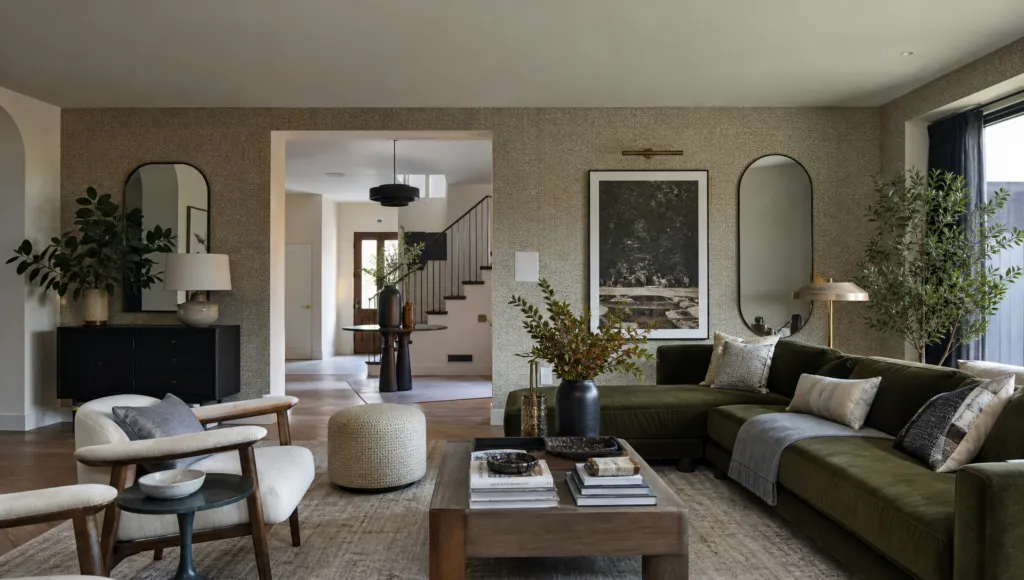
Interior designers have officially moved on from accent walls, and honestly, it makes total sense once you understand why. These single bold walls used to feel like the quick fix for boring rooms, but nowadays design pros are embracing something far more sophisticated: treating your entire space as one intentional design story rather than isolating visual interest to just one wall.
Here’s the thing—color is incredibly powerful in shaping how you feel in a room. It affects your mood, influences how you move through the space, and even changes whether a room feels bigger or smaller. When designers relied on accent walls alone, they were essentially giving up on the other three walls (plus your ceiling!) as design opportunities. It’s like having a beautiful sofa in the middle of an otherwise empty living room.
Instead of one bold wall, today’s designers—including innovators like Kristen Peña, Sara Malek Barney, and Miranda Cullen—are creating layered designs that work in three dimensions. Think damask patterns that create jewel-box richness, architectural details created with fabric and paint, or textured friezes that catch light throughout the day. Every surface now has a purpose and contributes to the overall feel of your room.
The shift opens exciting possibilities for your own home. You’re not limited to the old “pick one wall” approach anymore. Instead, you can think about color, pattern, and texture across your entire environment—and yes, that includes your ceiling, trim, and everything in between.
Your Ceiling: The Design Element You’ve Been Ignoring
Let’s talk about the fifth wall—your ceiling—which is having a major design moment right now. For decades, ceilings were basically forgotten: white, plain, and doing nothing interesting. But designers today recognize them as enormous opportunities for creating spaces that feel intentional and complete.
How Designers Are Using Ceilings
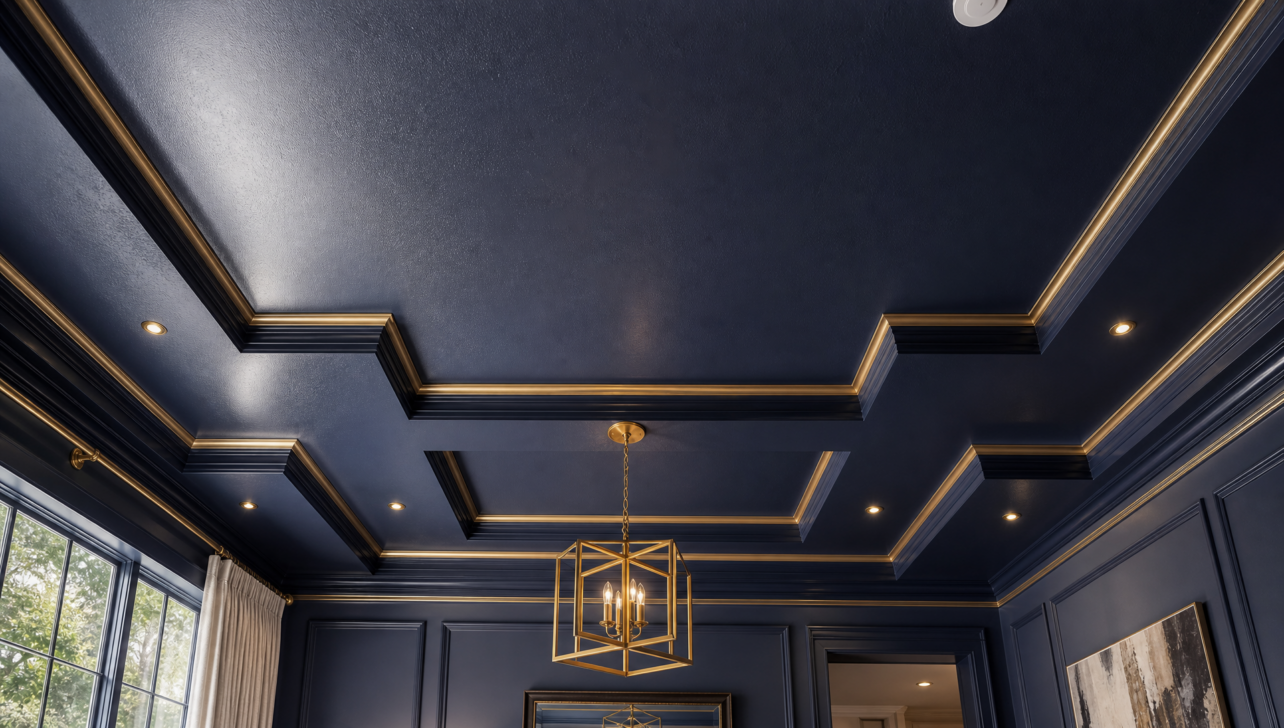
Kristen Peña uses bold color-drenching with limewash or wallpaper to create wrap-around environments. Sara Malek Barney applies softer colors and patterns to subtly define spaces and make high ceilings feel cozier. Miranda Cullen recommends dark colors or metallics that change throughout the day as light shifts—turning your ceiling into a dynamic surface rather than a static one.
Why Ceiling Treatments Work So Well
Because ceilings cover so much visual real estate above your head, they create exponentially more impact than a wall. A ceiling treatment essentially envelops you, changing how you feel in the entire room. Strategic color combinations can make spaces feel calm, energetic, or dramatic—and surprisingly, ceiling color influences your mood even more than wall color.
The Latest Ceiling Materials
If you’re considering a ceiling upgrade, 2026 offers exciting options: textured grasscloths and hemp-feel wallpapers add warmth and authentic depth, while hand-painted heritage-driven motifs create a collected, intentional vibe. These materials engage multiple senses—they’re not just visually interesting; they invite you to notice the craftsmanship.
Transforming your ceiling from blank canvas to design statement fundamentally changes how you experience your room. It’s the difference between a space that feels half-finished and one that feels purposefully complete.
Creating Architectural Details Without the Renovation Budget
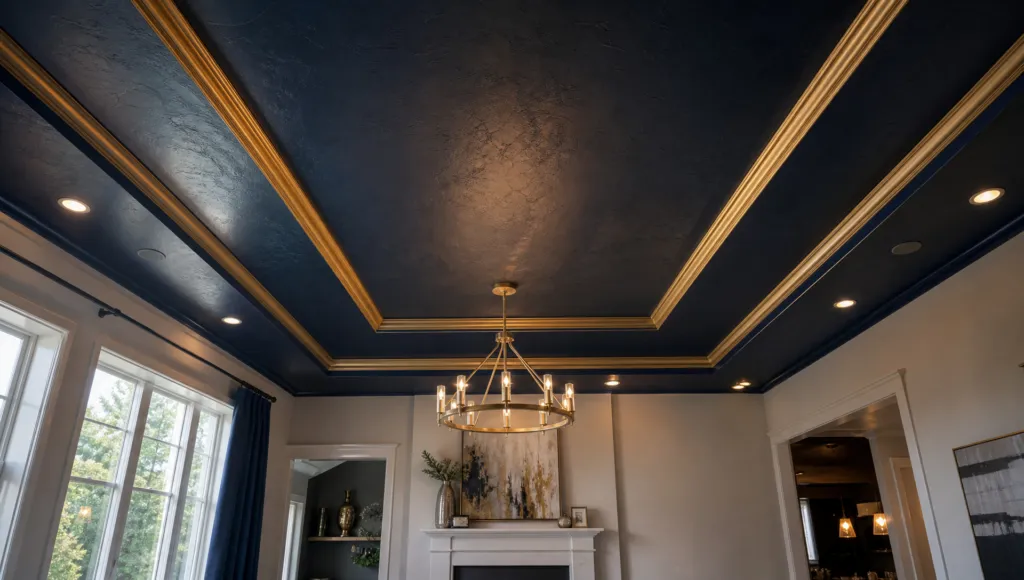
Here’s one of the best-kept secrets of high-end design: many architectural details you admire aren’t actually structural—they’re created with strategic paint and wallpaper. Designer Diane Rath champions this approach, and it’s a game-changer for anyone wanting designer-level impact without the contractor costs.
The Paint-and-Pattern Strategy
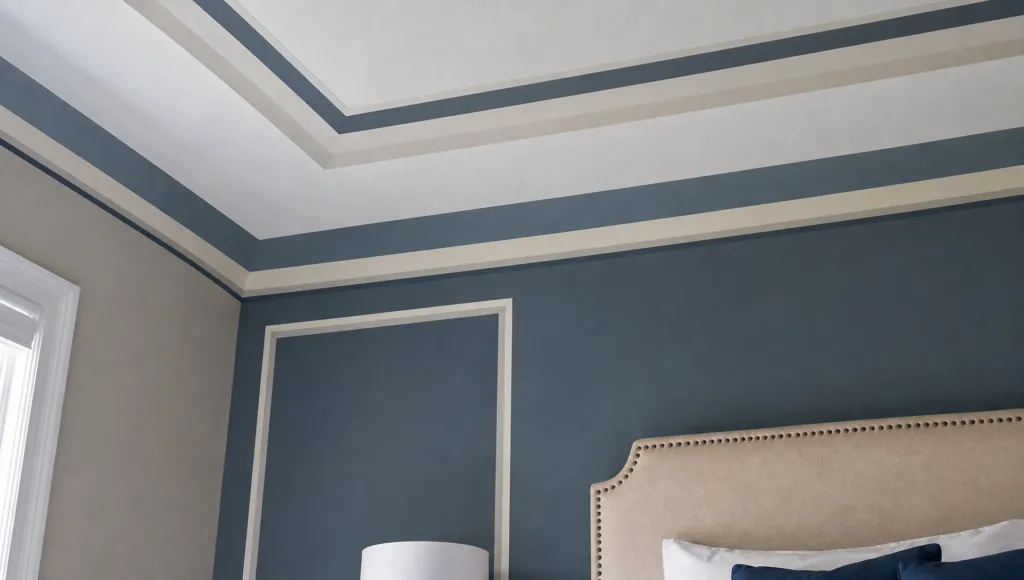
This technique works by layering color-blocking, geometric patterns, or complementary hues in ways that create visual depth and sophistication. When done thoughtfully, painted lines, wraparound treatments, and patterned wallpaper can make ordinary ceilings or walls look like they feature real architectural details—crown molding, coffered sections, or dimensional elements.
What Makes It Look Professional
The key is understanding how colors interact with each other, not in isolation but as complementary forces. A ceiling wrapped in geometric patterns or cohesive colors creates depth that makes the entire space feel more substantial and intentional. Professional design exhibitions, like London’s WOW!house showcase, demonstrate how fabric can strategically wrap trim and moldings, and how decorative friezes create visual interest through shadow and relief.
The Balance Between Personality and Chaos
This approach gives you personality without overwhelming the space. By strategically using paint and wallpaper, you can achieve sophisticated effects that might otherwise require expensive structural work. It’s design that bridges minimalism and maximalism—thoughtful, layered, and thoroughly intentional.
You don’t need to gut renovate your room to make it feel architecturally sophisticated. Sometimes all you need is the right color, pattern, and strategic placement.
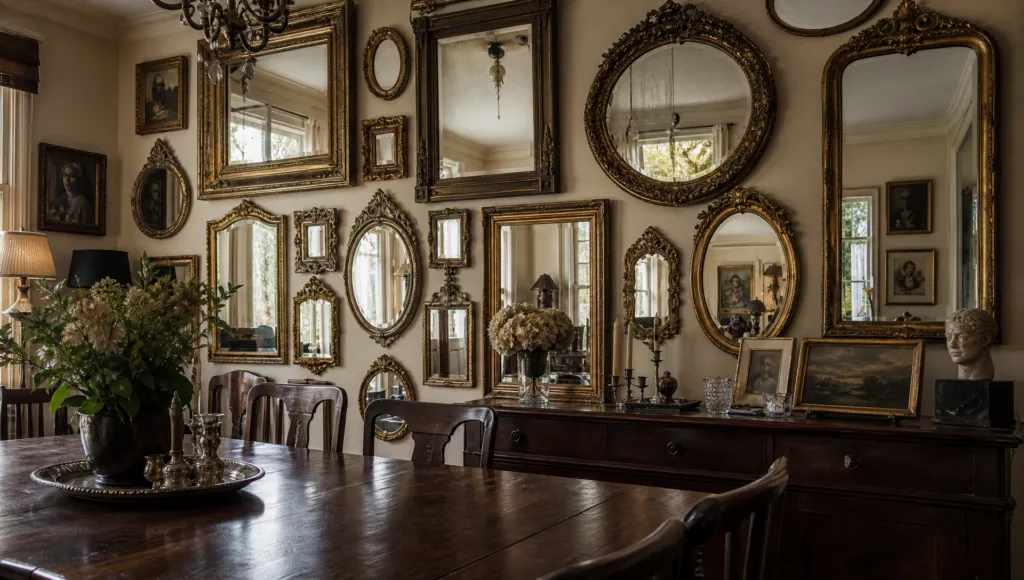
Mirror Walls: Instant Light, Drama, and Space
Mirror walls are one of the most practical yet dramatic design moves gaining momentum right now. They work on multiple levels: they genuinely brighten rooms by reflecting light, they make spaces feel exponentially larger, and they add undeniable visual sophistication.
Two Approaches to Mirror Walls
Some people go bold with one dramatic, oversized mirror that commands an entire wall. Others prefer curating collections of smaller antique mirrors in thoughtful arrangements—varying panel sizes and finishes creates visual interest and timeless appeal. Both approaches work; it depends on your style and how much visual impact you want.
Why They Actually Work
Mirrors do something special: they reflect your favorite artwork, beautiful objects, or natural light sources, essentially multiplying visual interest around the room. Throughout the day, as natural light changes and you turn on different lamps, mirror walls create constantly shifting landscapes. This subtle dynamism adds sophistication that static decoration can’t match.
Versatility Across Styles
Mirror walls work with nearly any aesthetic—contemporary minimalism, vintage maximalism, farmhouse, eclectic, you name it. They’re remarkably adaptable because they’re reflecting your personal style back at you rather than imposing one.
The Practical Benefits
Beyond aesthetics, mirror walls solve real design challenges: they brighten darker corners, make cramped spaces feel more open, and add depth to rooms that feel flat. If you’re in an apartment or smaller home, a well-placed mirror wall can be transformative.
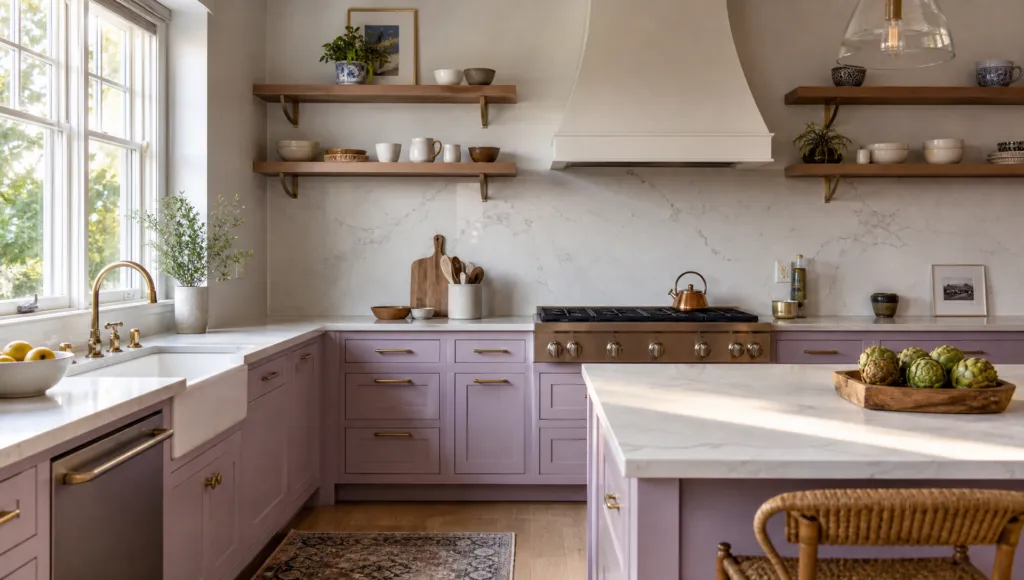
Kitchen Cabinetry: Why Dark Is Out and Pastels Are In
Deep, moody cabinet colors—think burgundy, navy, and emerald—ruled kitchen design for years. Now, that’s shifting dramatically toward soft pastels: lilac, sunflower yellow, soft pink, and other gentle hues that create entirely different feelings in your kitchen.
What This Shift Really Represents
It’s not just about aesthetics. This change reflects how people actually live. Formal dining rooms with heavy, dark cabinetry felt elegant but intimidating. Today’s kitchens are casual gathering spaces where families hang out, eat breakfast together, and linger over coffee. That lifestyle shift demands design that feels warm and inviting rather than formal and distant.
The Psychology Behind the Color Change
Color profoundly affects your mood and behavior, and pastel cabinetry creates a different psychological experience than dark colors. Dark kitchens evoke formality and, honestly, a bit of distance. Pastels make kitchens feel approachable, relaxed, and genuinely welcoming. People naturally spend more time in spaces that feel comfortable rather than formal.
Why Pastels Work Beyond Just Looking Pretty
These softer hues make kitchens feel less utilitarian and more like gathering places. A sunflower yellow kitchen feels different from a navy one—it’s brighter, warmer, and more conducive to lingering conversations. Pastel cabinetry also reflects light differently, which helps kitchens feel more open and spacious.
The Timelessness Factor
Unlike trendy dark cabinetry, pastels possess a vintage charm that ages gracefully. Your pastel kitchen will feel contemporary now and timeless in ten years—a rare combination that makes this shift worth considering.
Texture: The Design Element That Makes Spaces Feel Alive
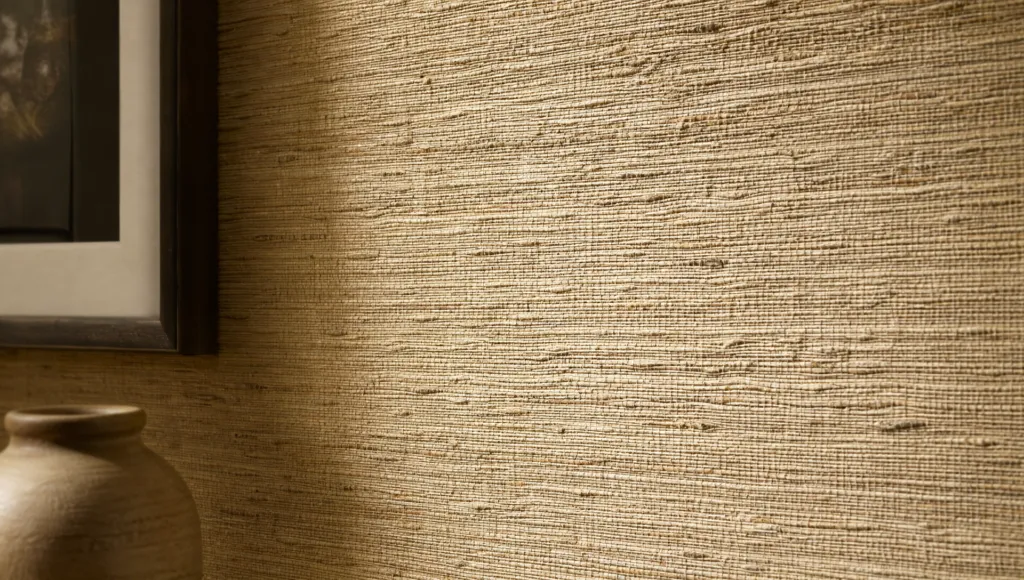
Flat, one-dimensional walls are becoming yesterday’s approach. Today, textured surfaces—grasscloths, polished plaster, sophisticated textured wallpapers—are transforming rooms by adding warmth, depth, and subtle movement that brings walls to life.
Why Texture Matters
Here’s something interesting: texture engages you differently than color alone. It invites touch, creates dimensionality through shadow and relief, and makes spaces feel more intentional. When you run your hand across textured plaster or grass wallcovering, you’re making a tactile connection to your environment. That matters more than you might think.
The 2026 Material Revolution
Textured grasscloths and hemp-feel fabrics add authentic, organic warmth that feels collected and intentional. Hand-painted heritage-driven motifs bring eclectic ornamentation, while layered, sophisticated color palettes featuring earthy pigments create richness without chaos. These aren’t just pretty—they’re multisensory experiences.
What Makes Textured Walls Work
Polished plaster catches light differently at various times of day, creating subtle shifts in appearance. Textured wallpapers add dimension without demanding attention the way bold patterns do. Grasscloths bring tactile interest and warmth that flat paint simply can’t achieve.
The Design Philosophy
This shift recognizes that truly memorable, satisfying spaces engage multiple senses, not just your eyes. Texture is no longer an optional add-on but a fundamental component of thoughtful design. It’s the quiet rebellion against sterile, perfectly smooth interiors—and honestly, it makes rooms feel far more like home.
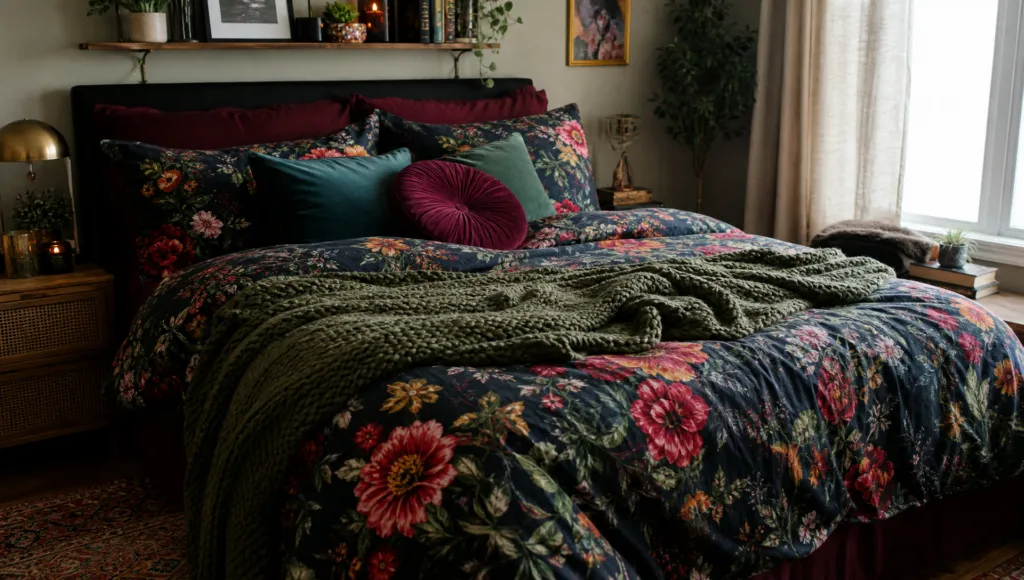
Bedroom Bedding: Ditching Sterile Hotel Vibes for Personality
That crisp white, minimalist bedding aesthetic? It’s losing its dominance. Bolder patterns, richer colors, and layered textures are taking over bedrooms, creating spaces that actually feel personal rather than like you’re sleeping in a hotel lobby.
Why the Shift Makes Sense
For years, hotel-room aesthetics represented design aspiration: all white linens, coordinated everything, clinical organization. But here’s the thing—most people don’t actually want to live like they’re in a hotel. Hotel rooms feel impersonal and disconnected from how real humans live. Your bedroom should reflect who you are, not some corporate vision of minimalism.
Creating Cozy, Layered Bedrooms
Modern bedroom design layers textures and colors to create sanctuaries that feel authentically lived-in. A patterned duvet paired with complementary pillows, a textured throw blanket, and bedding that reflects your personality transforms your bedroom from institutional space into a refuge. This approach acknowledges that bedrooms serve emotional needs beyond just sleeping—they’re places where your personality should flourish.
The Broader Meaning
This shift represents something cultural: people increasingly reject corporate uniformity in favor of authentic self-expression, even in intimate spaces. Bedrooms featuring adventurous colors, varied textures, and expressive patterns feel more inviting and genuinely lived-in. The acceptance of expressive bedding suggests homes should feel like homes, not showrooms.
The Practical Benefit
Layered bedding is actually more comfortable than minimalist versions. Extra pillows, varied textures, and cozy layers create comfort that sterile minimalism can’t match. You’re not just expressing personality—you’re creating a genuinely better sleeping experience.
Bathroom Design: Creating Spa-Like Calm Over Maximalist Chaos
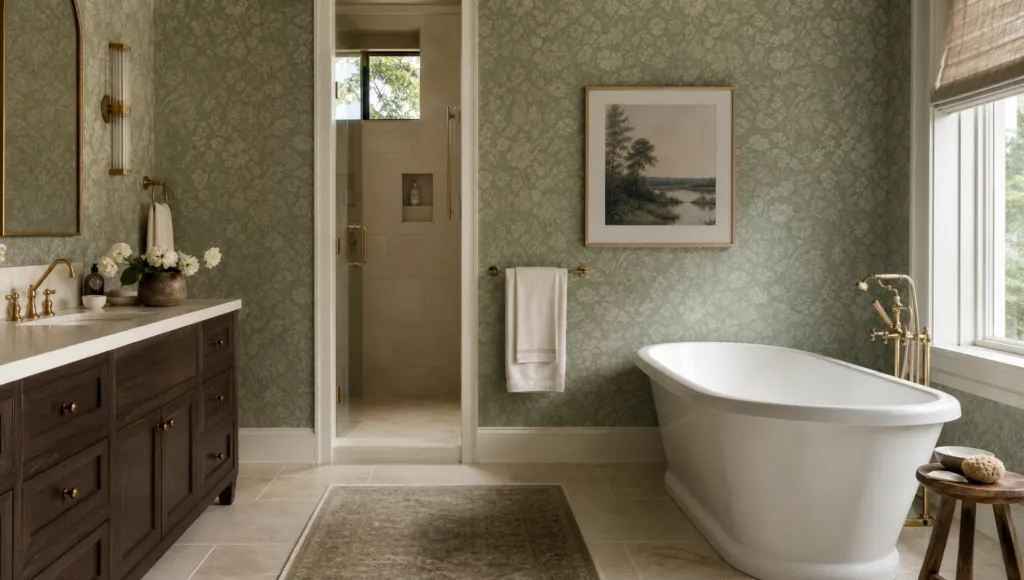
Over-the-top, maximalist bathrooms are giving way to serene, sophisticated spaces focused on high-quality materials and craftsmanship. This isn’t sterile minimalism—it’s intentional design that prioritizes calm and wellbeing.
Why Serene Bathrooms Matter
Your bathroom is where you start and end your day. That matters. An over-stimulating, cluttered bathroom affects your mood and sets the tone for everything that follows. A calm, serene bathroom does the opposite—it supports your wellbeing and creates a genuine refuge.
The Color Palette Shift
2026 bathroom trends favor subdued, sophisticated palettes featuring earthy pigments and layered tones. Green wallpapers are particularly popular because they add richness and visual interest while maintaining tranquility. Fresh interpretations of classic stripes and subtle patterning enable depth without overwhelming your senses. The key is choosing colors that are visually interesting but emotionally grounding.
Quality Over Visual Noise
This philosophy doesn’t mean sterile or boring. Instead, it prioritizes purposeful design where every element contributes to peaceful ambiance. Natural stone, sophisticated fixtures, and thoughtful lighting create luxury through subtlety rather than abundance. Texture becomes the star—interesting but calm, sophisticated but not loud.
The Practical Application
Choose one or two statement elements (perhaps a textured wallpaper or elegant tile), keep the color palette cohesive and calming, and invest in quality materials that feel luxurious to use. This approach creates bathrooms that feel like genuine sanctuaries—spaces that whisper rather than shout, and that support your daily wellbeing through thoughtful design.
Evolving Your Space Without Starting Over
Design trends shift constantly, but you don’t need to redesign your entire home every time something new emerges. The secret? Making thoughtful, intentional choices rather than chasing fleeting trends, and introducing changes gradually so your space matures naturally with your evolving preferences.
Understanding the Why Behind Trends
When you understand why design directions emerge—why we’re moving from formal to casual, dark to light, flat to textured—you can make choices that stand the test of time. The shift away from accent walls toward ceiling design isn’t random. It reflects recognition that complete, purposeful design throughout a space feels more sophisticated than isolated statements. Understanding that principle helps you make decisions that feel right for years, not just months.
Implementing Changes Strategically
Instead of gutting a room, introduce new elements gradually. Swap out bedding, add textured wallpaper to one wall, paint your ceiling, layer in mirrors. This approach prevents expensive mistakes and allows your space to feel intentional rather than reactive. You’re making conscious choices about how you want to live, not just responding to what’s trendy.
Balancing Trends with Authenticity
The best-designed homes aren’t trendy showcases—they’re deeply personal spaces that grow and transform alongside their inhabitants. Layer in new approaches thoughtfully: perhaps textured walls alongside patterned ceilings, pastel cabinetry with serene bathroom design, mirror walls that reflect your favorite objects. These choices create coherent environments that feel authentically yours.
Adding Sustainability to the Mix
Modern design increasingly prioritizes energy-efficient and eco-friendly approaches alongside aesthetic evolution. By implementing changes thoughtfully rather than dramatically, your home evolves while maintaining continuity and environmental responsibility. The future belongs to interiors that balance contemporary insights, personal authenticity, and conscious living—spaces that feel beautiful and aligned with your values.