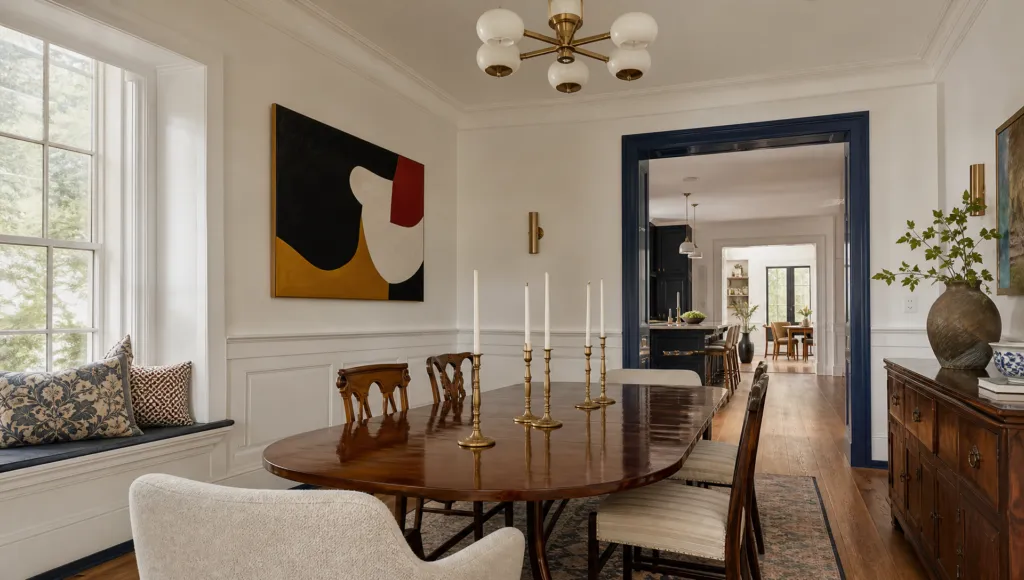
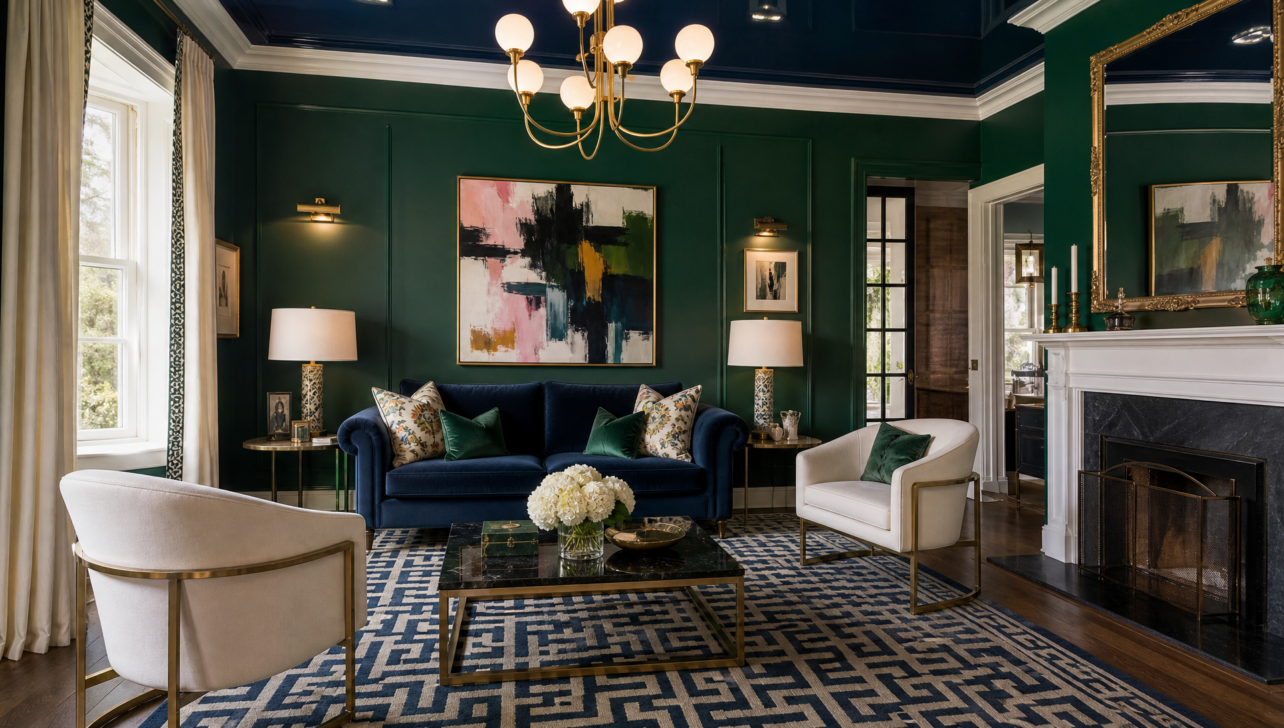
The interior design world is shifting in a really exciting way. After years of millennial gray walls, sterile minimalism, and mass-produced spaces that all looked the same, homes are finally reclaiming their humanity.
This isn’t about dusting off grandmother’s antiques or drowning in Victorian maximalism—something genuinely new is emerging.
Here’s what’s fundamentally changing: designers have collectively decided that perfection is boring. The spaces that actually inspire awe aren’t the ones that look untouched by human life.
Instead, they’re homes that tell stories, reveal who lives there, and embrace real living. This shift isn’t temporary. It represents a deeper cultural awakening about what home should feel like versus what Instagram demands.
What’s driving this? Interior design is finally being recognized as both art and science—it’s not just about visual beauty anymore. Today’s approach emphasizes how rooms genuinely support the way people live, considering the psychological and functional dimensions of space alongside aesthetics.
This means homes that respect historical design elements while expressing modern personality and individuality, where personality, functionality, and human well-being work together rather than compete.
Meet ‘New Traditionalism’: Breaking the Rules (While Respecting Them)
New Traditionalism successfully bridges traditional design’s timeless craftsmanship with modern expressiveness. Unlike formal traditional design with its rigid symmetry and stuffy rules, new traditionalism borrows the good parts—quality silhouettes and craftsmanship—while stripping away the intimidating perfection.
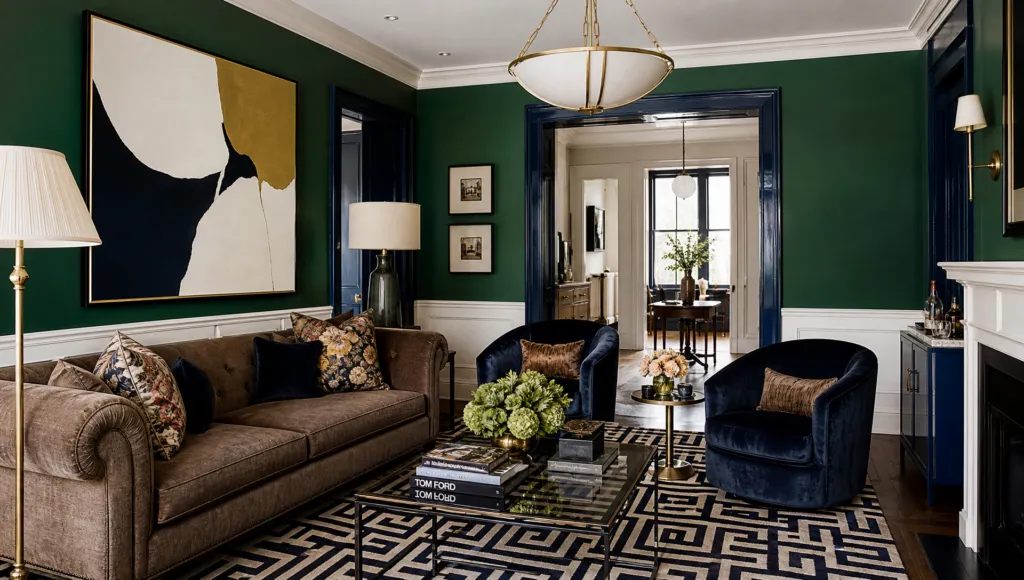
Designers are pioneering this by layering textures boldly, mixing geometric patterns with classical florals, and pairing traditional roll-arm sofas with clean-lined contemporary pieces.
Think of it like wearing a vintage couture dress with modern sneakers—the juxtaposition creates sophistication.
Here’s what this actually looks like: jewel-toned walls paired with contemporary artwork, traditional millwork combined with high-gloss paint in unexpected places, or transitional kitchens mixing modern lines with heritage charm.
These combinations shouldn’t work by traditional design rules, yet they create spaces that feel alive and genuinely personal.
The secret is strategic color composition. Rather than restricting themselves to single palettes, new traditionalism practitioners understand how color affects mood and transforms how inhabitants feel and interact with their spaces.
The Secret Ingredient Every Designer Uses: Slow Decorating
Here’s the paradox: creating rooms that feel abundant actually requires restraint. Designers now practice ‘slow decorating’—introducing elements gradually and thoughtfully rather than overhauling everything overnight.
This deliberate pacing allows genuine depth and character to develop.
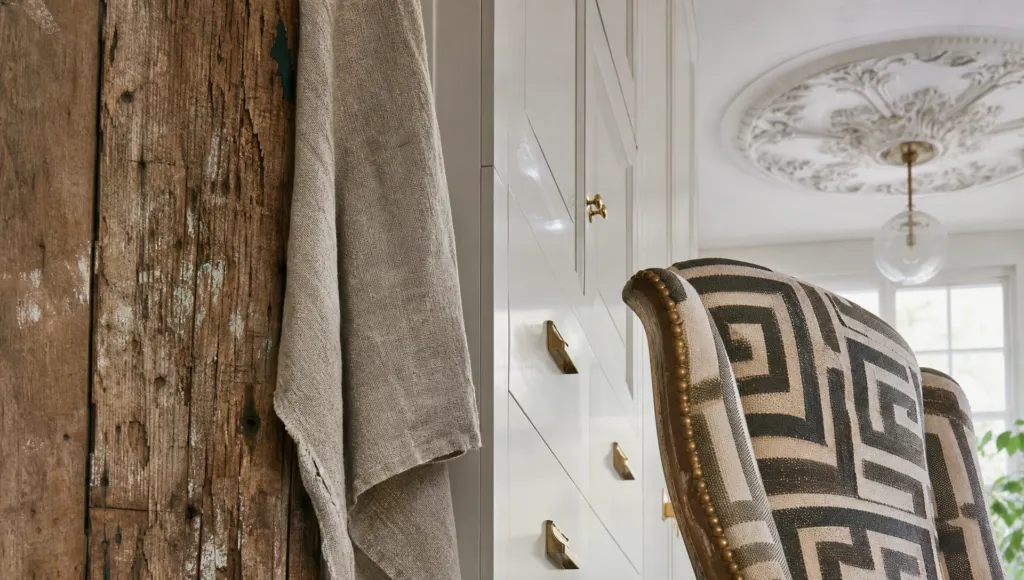
How it works: Reupholster a vintage piece with contemporary fabric. Introduce a ceiling medallion to an otherwise modern room. Place a single jewel-toned throw pillow against neutral backgrounds. These individual decisions compound into something greater than their parts.
Material contrast is equally crucial. Pairing raw, weathered textures with polished surfaces creates visual tension that reads as sophisticated and dynamic.
Think weathered wood beams against glossy cabinetry or rough linen beside reflective surfaces. These contrasts make rooms feel intentional and curated.
The magic happens when spaces celebrate patina and visible history rather than pursuing sterile perfection. By working iteratively through slow decorating, designers create environments where balance, emphasis, scale, and proportion emerge organically—resulting in spaces that feel collected and personally meaningful rather than professionally staged.
What’s Being Left Behind: Your Dark Gray Walls Deserve Better
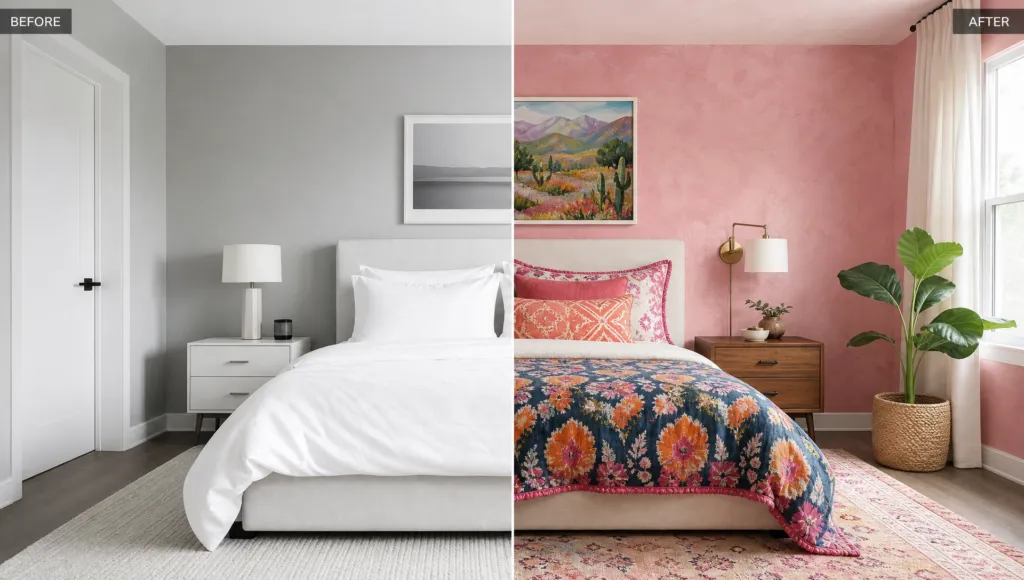
Several design constants from recent years are rapidly disappearing. Formality is fading—dining rooms are becoming genuine gathering areas where comfort matters more than presentation. Those flat, neutral walls? They’re being replaced with textured finishes that add visual depth and personality.
The movement away from millennial gray isn’t just aesthetic preference—it’s a philosophical rejection of sterile perfection.
Here’s what else is changing:
- Crisp, minimalist bedding is being replaced with bold, expressive patterns that actually invite you into bed.
- Dark cabinetry (once considered sophisticated) is being reimagined in fresh pastels that feel modern yet warm.
- Over-the-top maximalism is being refined into carefully considered collections of quality pieces.
The common thread? Personality and authenticity now trump universal appeal. What felt cutting-edge in early 2024 already appears sterile by 2026.
The spaces that endure are designed with genuine intention—rooms that communicate who lives there, what they value, and how they actually spend their time, rather than following design formulas.
Unexpected Materials Making the Biggest Impact
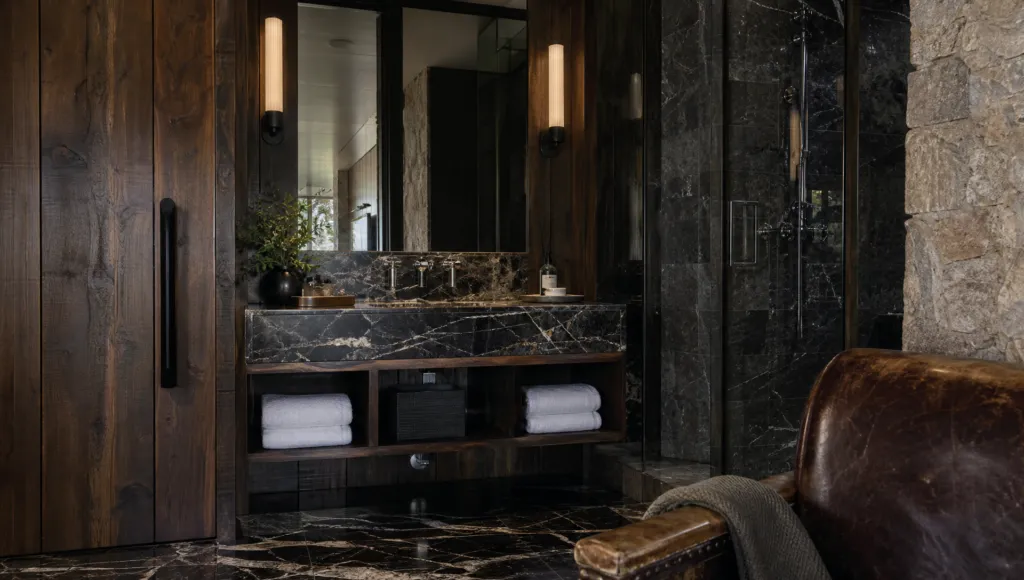
Material selection is now central to new traditionalism. Dark wood tones are having a major resurgence, along with reflective surfaces and hospitality-inspired elements—think hotel-quality finishes in your living room. These materials work because they carry visual interest without requiring constant perfecting.
The real magic lies in deliberate material tension.
Strategic contrast between opposite qualities creates visual complexity that feels intentional and elevated:
- Matte finish beside something reflective
- Rough textures adjacent to smooth ones
- Heavy materials lightened by airy elements
- Raw, weathered materials paired with polished surfaces
This represents a fundamental shift in design philosophy. Imperfection is no longer a flaw to hide. Worn details, visible patina, and signs of age are now design features that add authenticity and warmth.
A deliberately distressed finish communicates more personality than factory-new perfection. Spaces designed this way feel genuinely inhabited and distinctly human rather than artificially curated.
Why This Works: Good Bones Give You Creative Freedom
New Traditionalism thrives when architectural foundations are genuinely strong.
Quality millwork, solid proportions, and well-executed architectural bones matter tremendously—they provide the framework upon which creative freedom can flourish. Strong bones give designers confidence to experiment boldly with personality and pattern rather than randomly mixing styles.
Once that structural confidence exists, something liberating happens. The design process stops being about following prescriptive mood boards. Instead, it becomes about respecting historical craftsmanship while infusing modern personality throughout.
Simple starting points: bold artwork hung against traditional walls, textured throw pillows introducing pattern and dimension, high-gloss paint applied to unexpected surfaces, or strategic mixing of classical and contemporary patterns.
The result is rooms that feel collected over genuine time and personally curated through intentional choices. This represents a cultural awakening that homes should be honest expressions of individual identity rather than attempts to match an external ideal.
Your space should tell your story, not someone else’s. When designers use professional methodologies to honor both architectural integrity and the authentic personality of those inhabiting the space, interior design reaches its fullest expression.