A color-drenched den, a discreet ventilation system and a room where phones are discouraged may seem unrelated. In current real estate listings, however, they reflect the same emerging preference: homes designed around specific routines rather than a generic idea of luxury.
That is the clearest takeaway from Zillow’s 2027 Home Trends Report, published in November 2026. Zillow analyzed hundreds of features across millions of US for-sale listings to determine which terms sellers and agents used more or less frequently than a year earlier.
The distinction matters. These figures measure changes in listing language, not completed sales, buyer demand or returns on renovation spending. A feature appearing more often in listings has become more prominent in real estate marketing, but that does not prove it raises a home’s value.
Used with that limitation in mind, the report offers a useful view of how sellers are positioning homes for 2027. Its strongest themes are deliberate technology, expressive design, adaptable rooms, practical building systems and spaces devoted to private routines.
Homes Are Becoming Both Smarter and Quieter
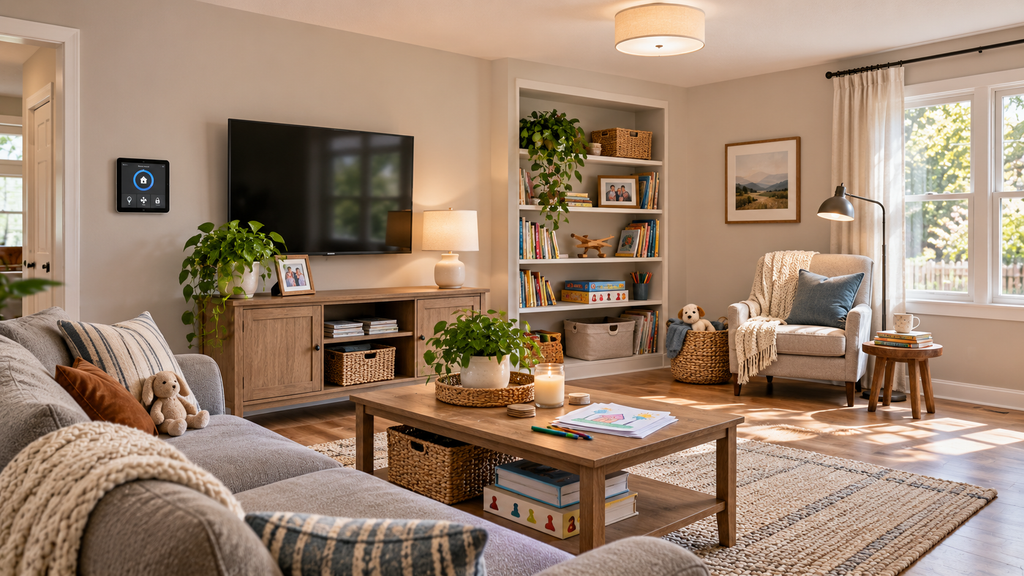
Mentions of artificial intelligence increased 119% year over year in Zillow listings, the largest rise recorded in the report. App-controlled home systems appeared 34% more often.
At the same time, listings mentioned spaces for unplugging 34% more frequently. Rather than contradicting each other, these changes suggest a more selective approach to technology. Connected appliances, lighting and climate controls may work in the background, while a reading corner, bedroom or den provides relief from screens and notifications.
For homeowners, the practical lesson is to plan technology by function. A connected thermostat may serve the entire household, while voice assistants or wall-mounted displays may not belong in every room. Before adding devices, consider who will maintain them, whether they depend on subscriptions or cloud services and how they will operate if the internet connection fails.
Sellers should also describe installed systems precisely. “Smart home” is less informative than naming the thermostat, lighting controls, security equipment or compatible platform included in the sale.
Bold Color Is Rising, but “Cozy” Has Not Disappeared
The language used to describe interiors is becoming more polished and specific. Zillow found that “elevated” appeared 71% more often, while “cozy” fell 22%, “eclectic” declined 19% and “boho” dropped 13%.
Those changes do not mean comfortable or collected interiors are obsolete. Zillow notes that “cozy” remains one of the most common terms in listings. The figures instead indicate that sellers are adopting different words to present warmth, personality and visual cohesion.
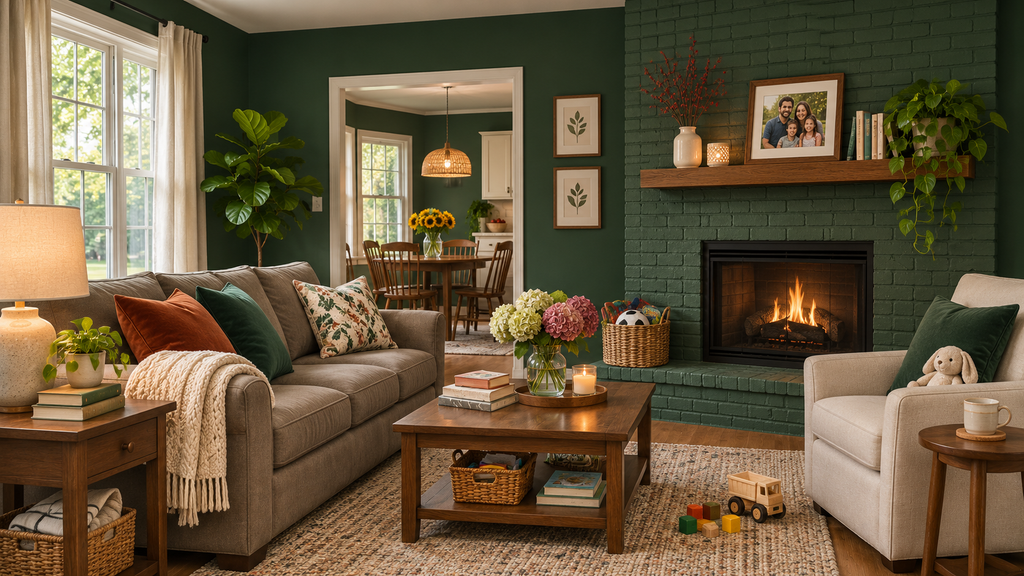
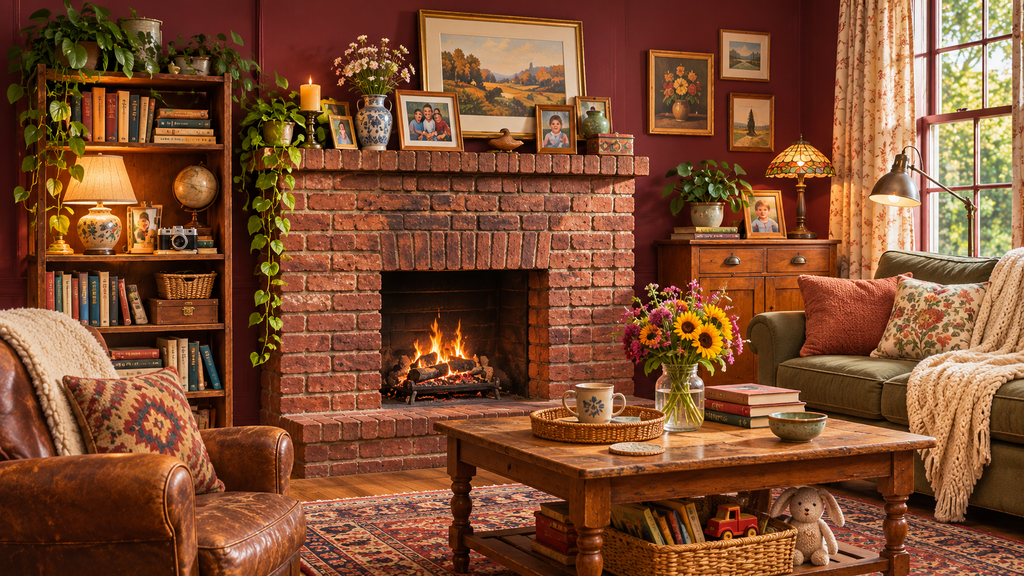
Color-drenched rooms, in which walls, trim and sometimes the ceiling share one dominant color, appeared 84% more often in listings. This approach can give a den, dining room or small bedroom a clear identity, but it is still a design preference rather than a universal selling strategy.
Test large paint samples on more than one wall and observe them under daylight and artificial light before committing. The finish should be selected for the surface and expected wear; trim, walls and ceilings do not necessarily need the same sheen.
Painted brick exteriors also appeared more frequently, rising 27%. That is not a reason to paint sound masonry without assessing it first. Brick condition, moisture movement, previous coatings and historical significance all affect whether painting is appropriate. The National Park Service warns that nonpermeable coatings can trap moisture and accelerate deterioration in historic brick. Owners of older or damaged masonry should consult a qualified masonry or preservation professional before applying a coating.
Personality Is Replacing the Blank-Slate Look
The rise of saturated color fits a broader design movement documented outside real estate listings. ELLE Decor’s fall 2026 trend coverage reported renewed interest among the designers it interviewed in medium and dark woods, patina, reflective materials and rooms that can be repurposed over time.
Its coverage of Milan Design Week 2026 similarly highlighted layered materials, asymmetrical arrangements and historic interiors that feel lived in rather than newly perfected.
These reports represent professional observations, not a census of US homes. Still, they help explain why terms such as “elevated” may be gaining ground while broad style labels decline. The emerging look is less about following one named aesthetic and more about making deliberate material and color choices.
Homeowners can explore that direction without replacing an entire room. A darker wood table, aged metal finish, vintage piece or deeper wall color can add contrast to an otherwise neutral space. Renters and trend-cautious owners can use curtains, rugs, removable furnishings and artwork instead of permanent finishes.
The Kitchen Is Sharing Attention With More Specialized Rooms
Mentions of chef’s kitchens fell 21%, while gourmet kitchens declined 15%. That does not establish that kitchens no longer influence sales. It shows that these particular marketing phrases are becoming less common as other rooms receive more attention.
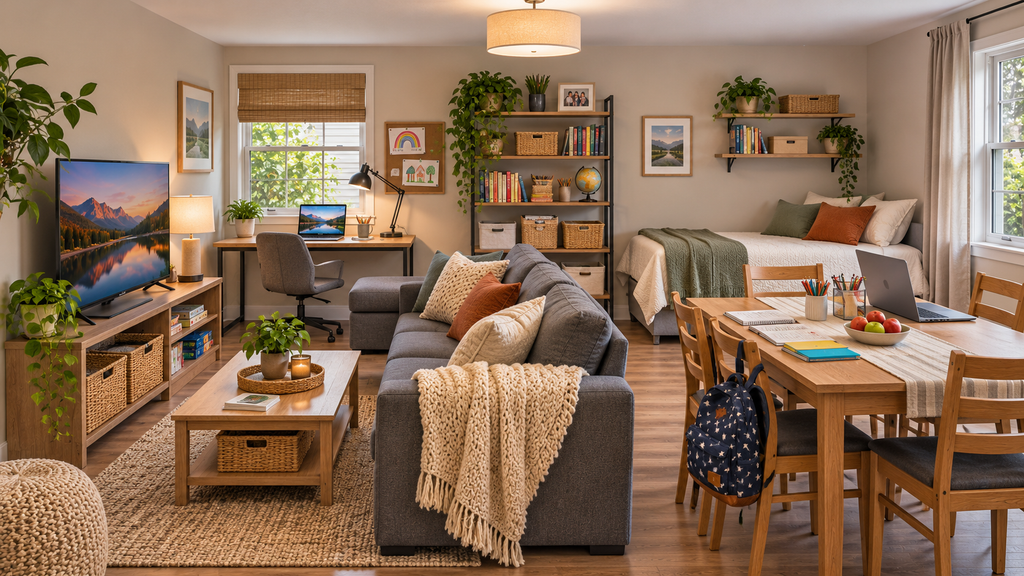
Home offices appeared 42% more often, media rooms 37% more often and flex spaces 35% more often. Mentions of multigenerational living rose 58%. Wider doorways increased 13%, while grab bars rose 18%.
These figures point toward homes that can accommodate work, entertainment, privacy and changing household needs. A room’s adaptability may matter more than an elaborate label. Buyers should look beyond staging and ask whether a space has suitable dimensions, storage, lighting, ventilation, privacy and access to the services required for its intended use.
Zillow’s separate 2026 buyer survey provides useful context. Although unusual amenities attract attention, 82% of surveyed buyers rated staying within their initial budget as very or extremely important. Seventy-two percent said the same about a suitable floor plan. In addition, 82% said they were more likely to view a home if its listing included a floor plan they liked.
For sellers, that makes an accurate floor plan and a clear explanation of how rooms function potentially more useful than a string of trend terms. For renovators, it is a reminder to prioritize circulation, storage and household needs before designing around a forecast.
Wellness Features Require More Than Spa Styling
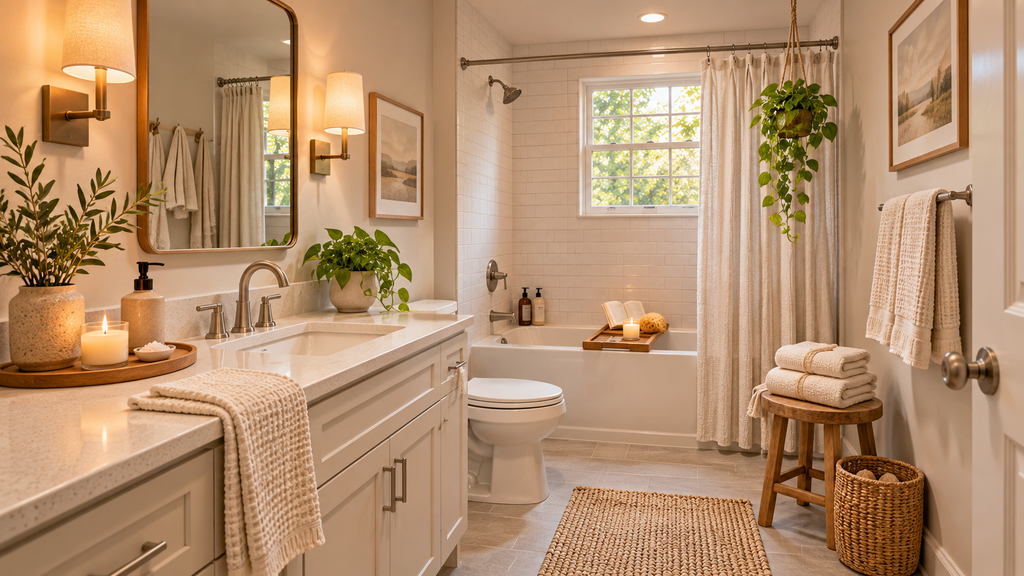
Spa-inspired bathrooms appeared 60% more often in listings, while cold plunge pools rose 44%. Home gyms increased 18%, and golf simulators gained 29%. Meanwhile, mentions of Jacuzzi and jetted tubs fell by approximately 9%.
The contrast suggests that real estate marketing is shifting from older symbols of indulgence toward spaces associated with exercise, recovery and personal routines. It does not establish that these features produce health benefits or recover their installation cost.
Cosmetic changes such as better task lighting, organized storage and washable textiles can make a bathroom feel calmer without altering its plumbing. Cold plunges, saunas and extensive shower renovations are different. They may involve electrical supply, drainage, ventilation, waterproofing, structural loads or mechanical equipment. Product instructions, property conditions, local permit requirements and qualified trades should guide the installation.
Buyers should request equipment documentation and maintenance records rather than assuming that a wellness feature was installed correctly. A home inspection may identify visible concerns, but specialized equipment can require evaluation by an appropriate contractor.
Invisible Building Systems Are Becoming Selling Points
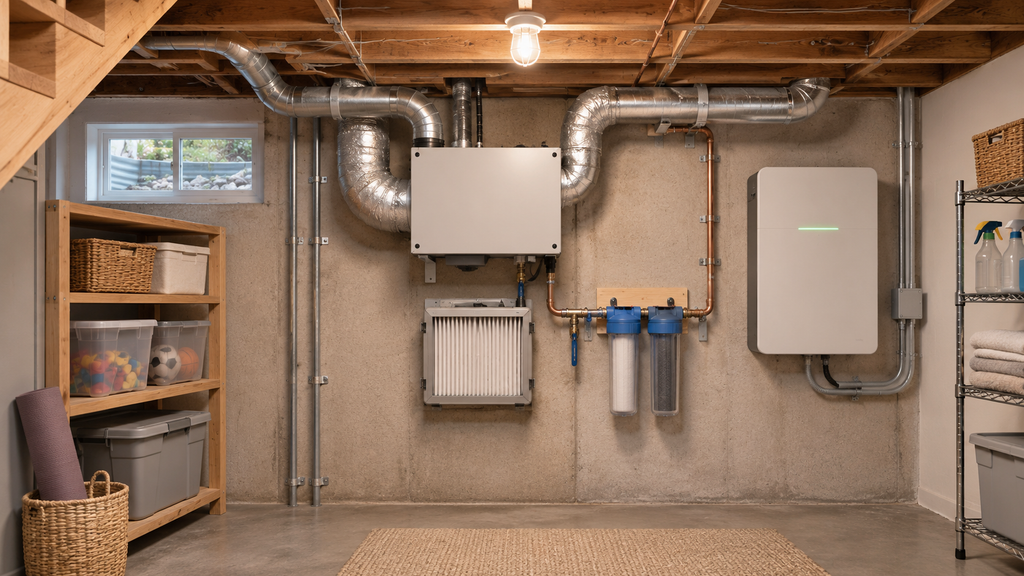
One of the report’s most consequential findings concerns features that rarely dominate listing photographs. Mentions of whole-home batteries rose 43%, while battery backup increased 25%. Fresh-air ventilation systems, including heat-recovery and energy-recovery ventilators, appeared 52% more often. Recirculating hot-water systems also rose 52%, air filtration 25%, water filtration 22% and radon mitigation 18%.
At the same time, the broad terms “sustainable” and “green” declined 26%. Sellers may be replacing general environmental language with descriptions of specific equipment.
That specificity is useful, but buyers still need details. An energy-recovery ventilator transfers heat and some moisture between incoming and outgoing air streams, while a heat-recovery ventilator primarily transfers heat, according to the US Department of Energy’s building-science guidance. The appropriate system and configuration depend on the home and climate.
Similarly, the presence of a radon mitigation system should not be treated as proof of a current low radon level. The Environmental Protection Agency recommends testing after mitigation to confirm that levels have been reduced and following applicable state requirements.
Before paying a premium for an advertised system, buyers should ask about its age, capacity, warranties, permits where applicable, maintenance history and whether it transfers with the property.
Design for Daily Life, Not for the Forecast
Even the report’s more playful finding supports the emphasis on specialized living: catios appeared 32% more often in listings. A screened outdoor enclosure may be valuable to a household with indoor cats, but irrelevant to another buyer. The same is true of a golf simulator, dark wood bar or cold plunge.
That is why trend data works best as a source of questions, not a remodeling checklist. Does the home support the routines of the people who live there? Can rooms change as work and family needs evolve? Are permanent improvements durable and properly installed? Will the design still feel appropriate when the marketing vocabulary changes?
For outdoor projects, climate also requires more attention than a trend report can provide. The USDA Plant Hardiness Zone Map is a useful starting point for perennial cold tolerance, but the USDA explains that soil moisture, light, wind, humidity and local microclimates also affect plant survival. A hardiness-zone match alone does not establish that a plant is appropriate for a particular yard.
The most credible signal in the 2027 forecasts is not one color, room or appliance. It is a move toward homes with clearly defined purposes: technology where it helps, quiet where it does not, flexible spaces for changing households and building systems described in concrete terms.
That approach can outlast any individual trend. Start with how the household actually lives, then use the forecasts as optional inspiration rather than rules.