Here’s something I’ve noticed while touring new construction developments: the most stunning homes often feature architectural details that feel like they’ve been there for decades.
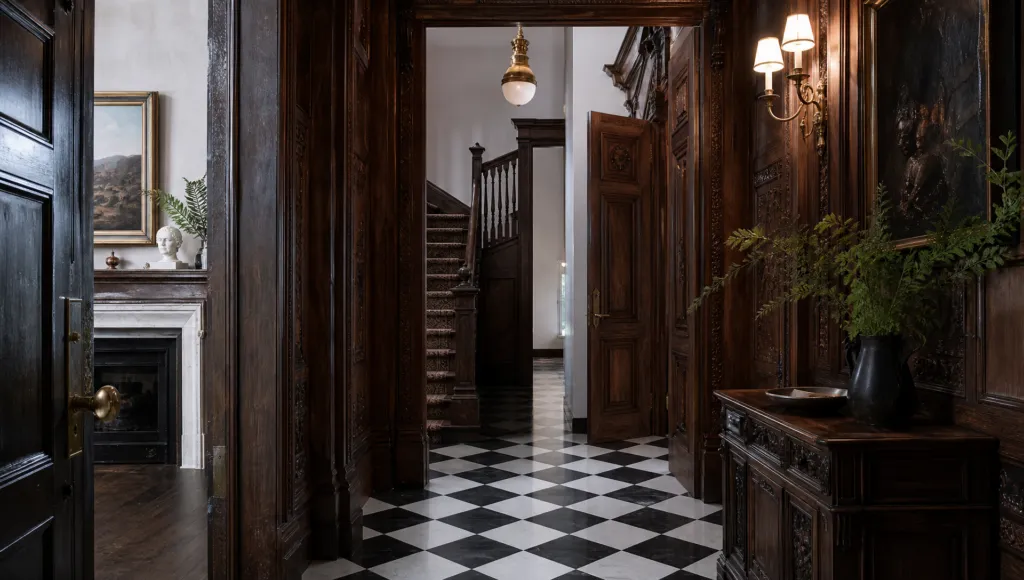
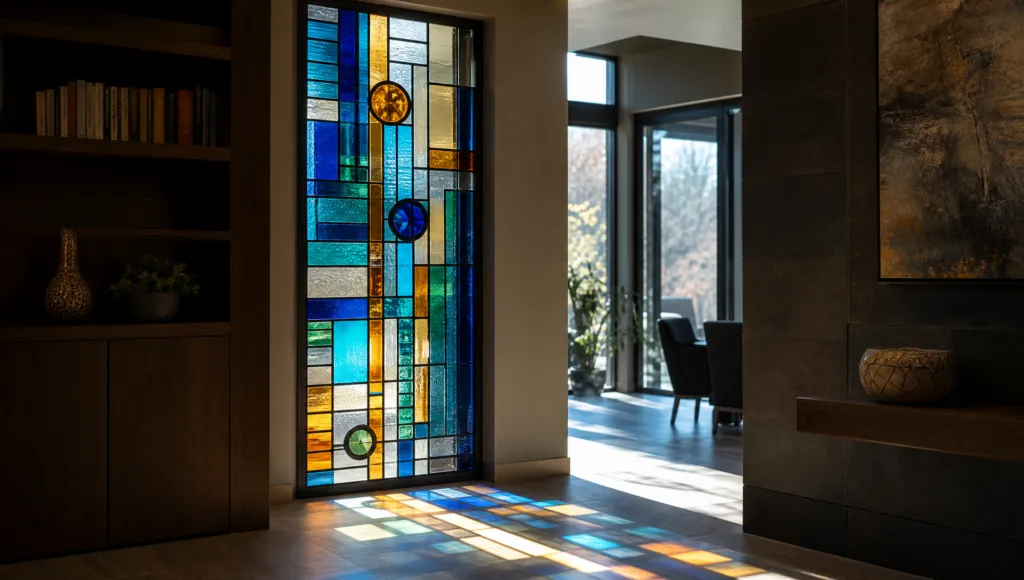
Architects and interior designers are quietly weaving centuries-old elements—stained glass windows, crown molding, richly textured wood paneling—into contemporary builds, creating spaces that feel established and intentional from day one.
What makes this approach so exciting is its accessibility. Elements once reserved exclusively for historic estates and high-end restoration projects are now available to everyday homeowners building new. The magic happens through thoughtful design that respects both traditional character and modern functionality.
Rather than forcing a contradiction, today’s design specialists spend months fine-tuning each project to achieve your vision while maintaining authentic architectural integrity.
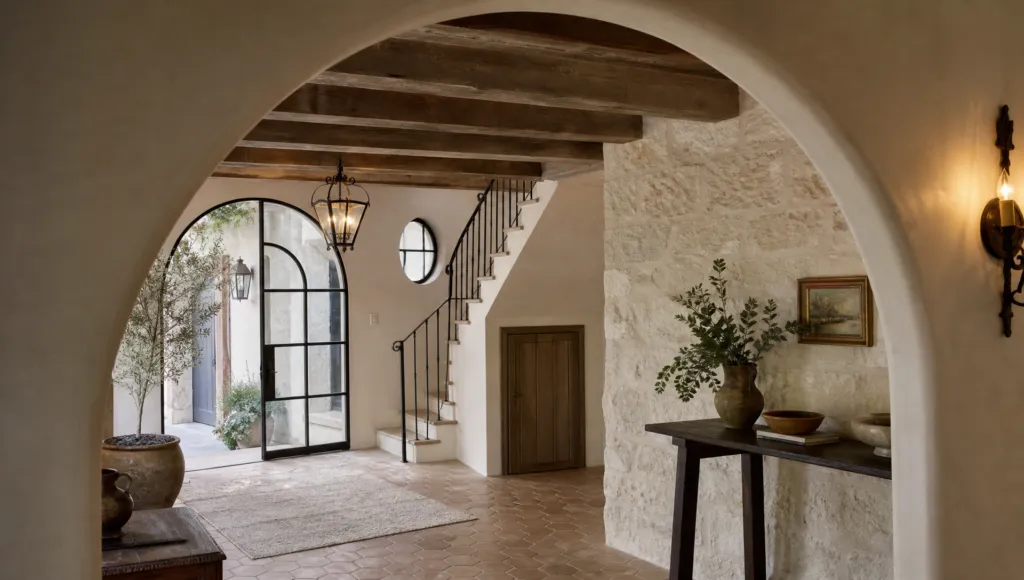
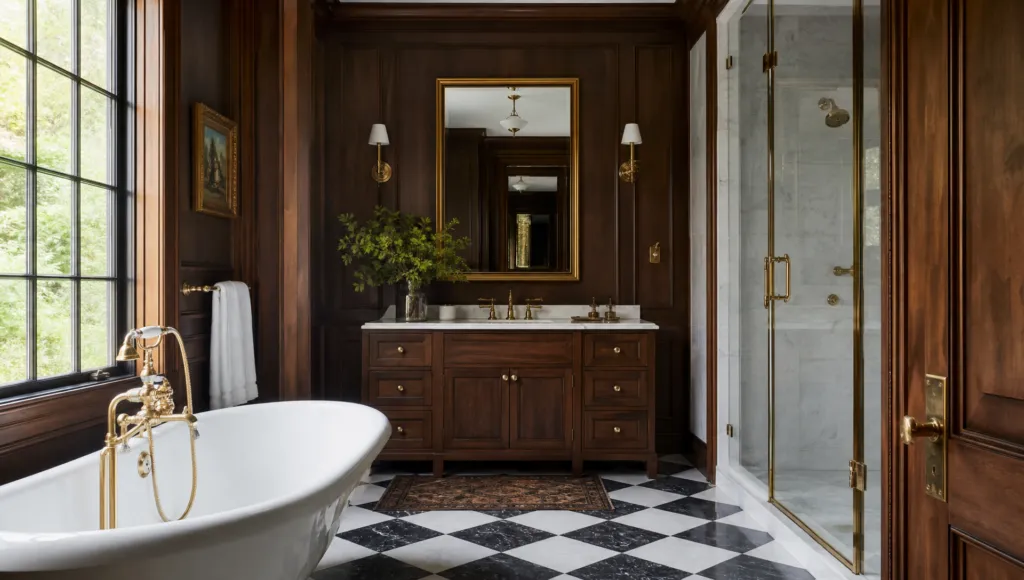
The material choices deserve special attention. Hand-troweled plaster finishes, honed stone surfaces, and patinated materials—once confined to European estates—now appear in residential kitchens and bathrooms at reasonable price points.
These heritage-inspired materials carry genuine craftsmanship without requiring actual age or restoration work. The result? New homes with soul. Homes that feel grounded and lived-in rather than sterile and temporary. Homes that reflect who actually lives in them, not some imaginary perfect family.
Five ‘Outdated’ Design Features Making a Powerful Comeback
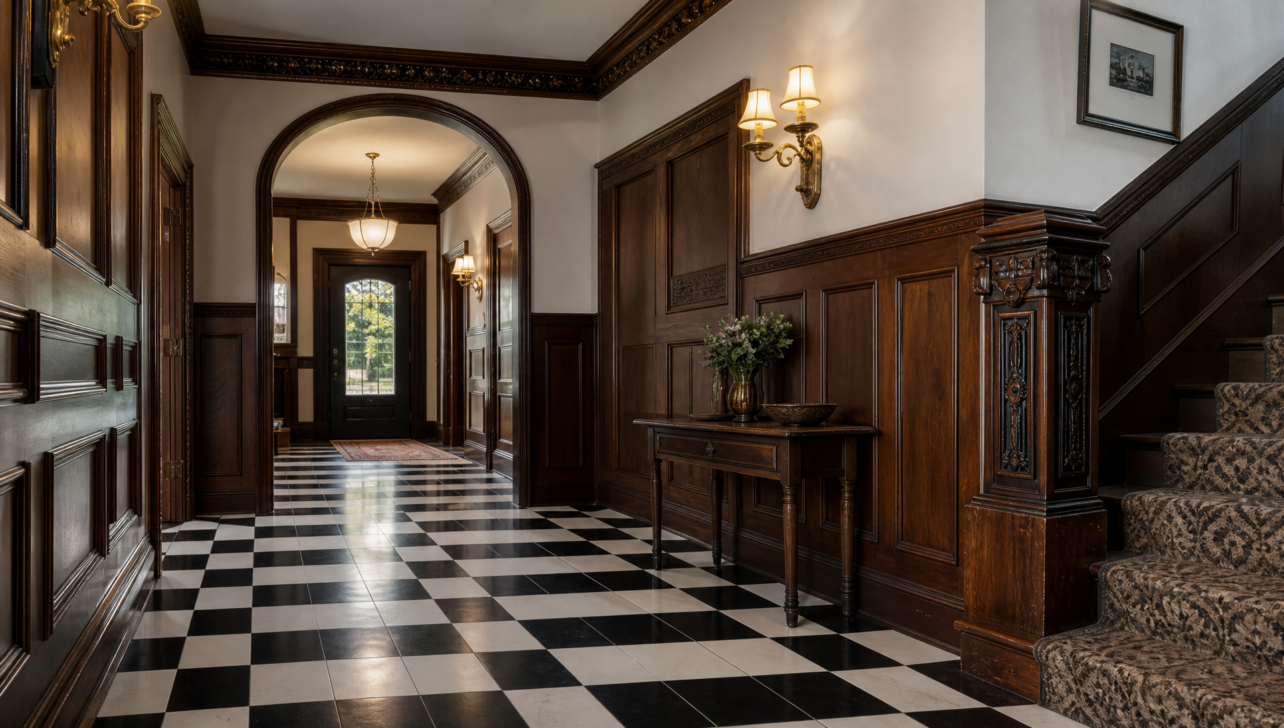
Checkerboard flooring, stone soaking tubs, exposed vintage fixtures, intricate wood paneling, and ornate architectural details aren’t just nostalgic throwbacks—they represent an intentional shift in how we think about beautiful homes. I’m seeing unprecedented demand for these historically rooted features, and it’s not about sentimentality.
These traditional elements communicate something sleek minimalism simply cannot: genuine craftsmanship and authenticity. Each checkerboard pattern and hand-finished surface tells a story of intention and care. Contemporary designers are increasingly mixing traditional and modern styles, prioritizing character and personal preference over fleeting trends.
Handmade tiles, organic materials like marble and terra-cotta, and reclaimed wood installations represent this philosophy in action. These choices reject disposable design in favor of materials that age beautifully and carry historical meaning. In homes saturated with sameness, character has become the ultimate luxury.
Homeowners are investing premium dollars in properties featuring these elements because they understand something fundamental: timelessness and elegance create lasting value in ways that trendy finishes never do.