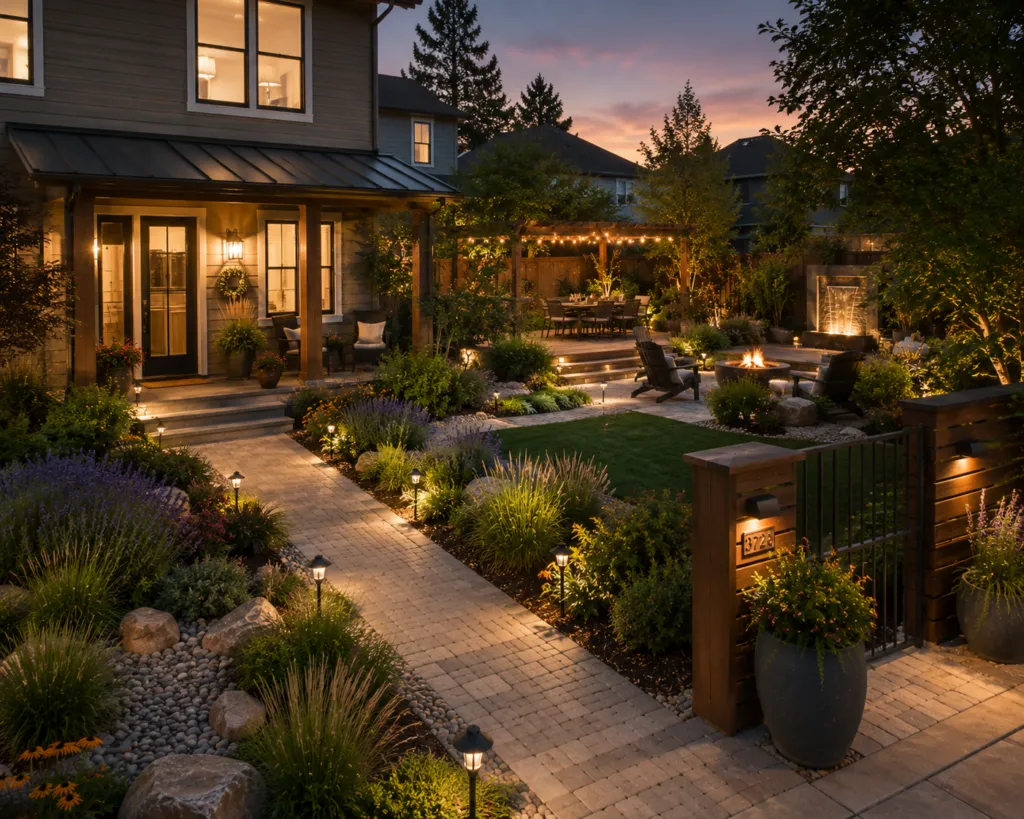
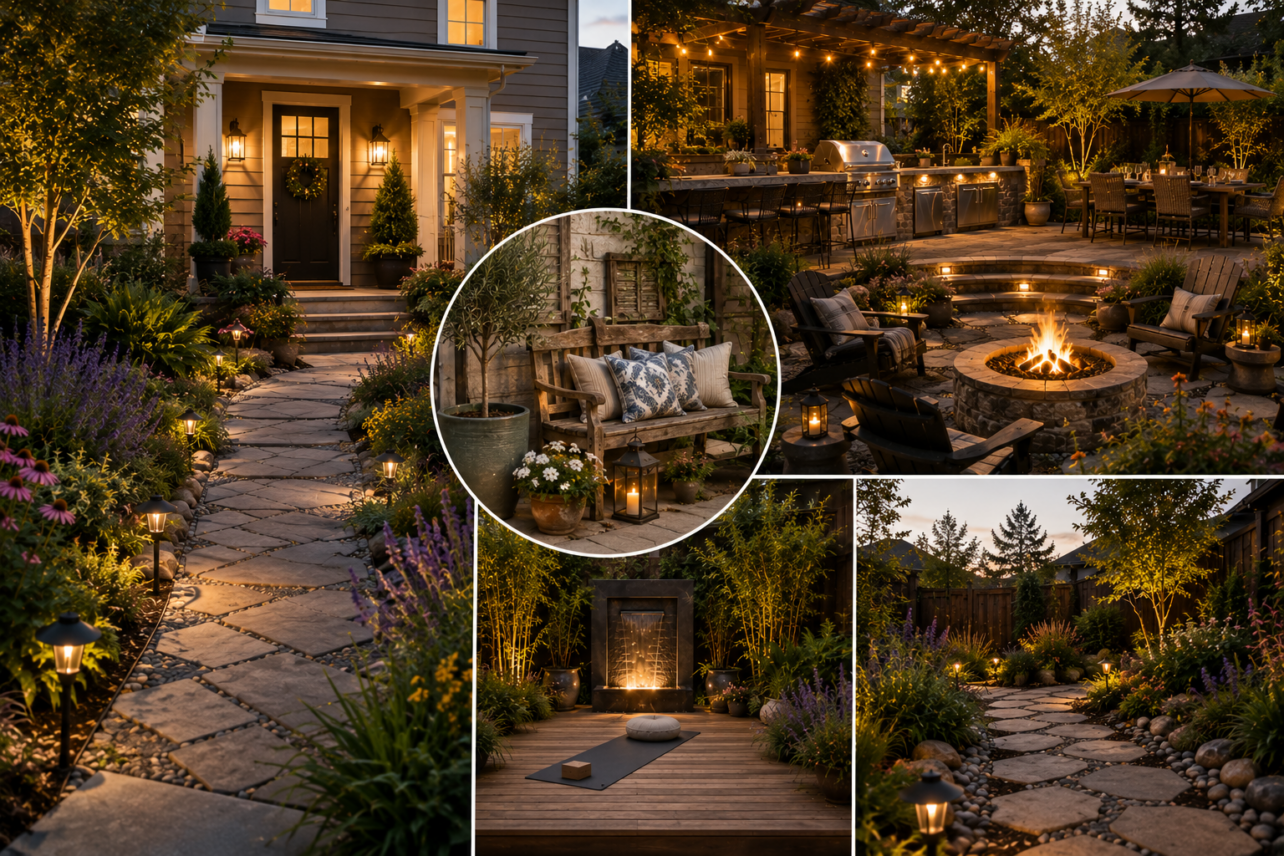
Gone are the days of manicured grass and generic landscaping. Homeowners are actively rejecting traditional front yards in favor of purposeful, personalized outdoor spaces that reflect who they really are.
The shift is seismic: the front yard has stopped being just curb appeal and has become an extension of your home’s identity. What was once considered low-maintenance is now seen as a missed opportunity.
Landscape architects are seeing a fundamental change in how clients approach outdoor design.
Rather than requesting standard features, homeowners arrive with Pinterest boards, travel photos, and personal stories. They’re asking for spaces that tell stories, showcase personality, and create genuine emotional connections.
This isn’t just a design trend—it reflects how we view our homes differently. Your yard is becoming a canvas for self-expression, combining nature and culture through intentional design choices.
Contemporary yards emphasize creating unified, purposeful outdoor spaces that function as genuine extensions of your home, integrating practical engineering with aesthetic vision.
The message is clear: traditional lawns aren’t just high-maintenance anymore—they’re seen as untapped potential for creativity, sustainability, and personality.
The Entry Path Revolution: Why Your Front Door Deserves an Upgrade
The journey to your home matters more than ever.
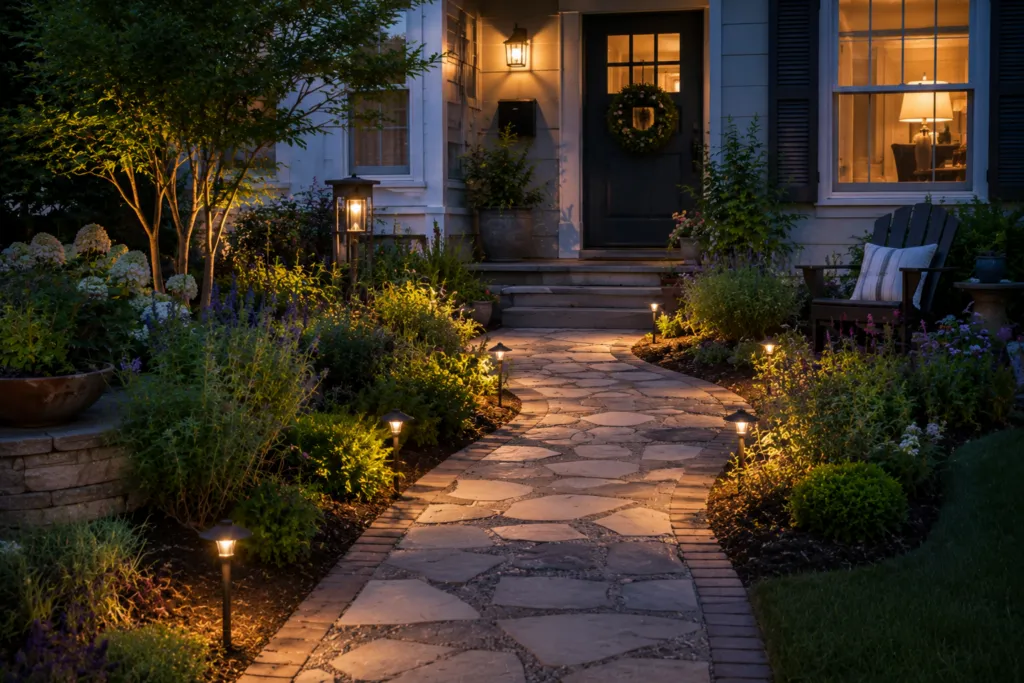
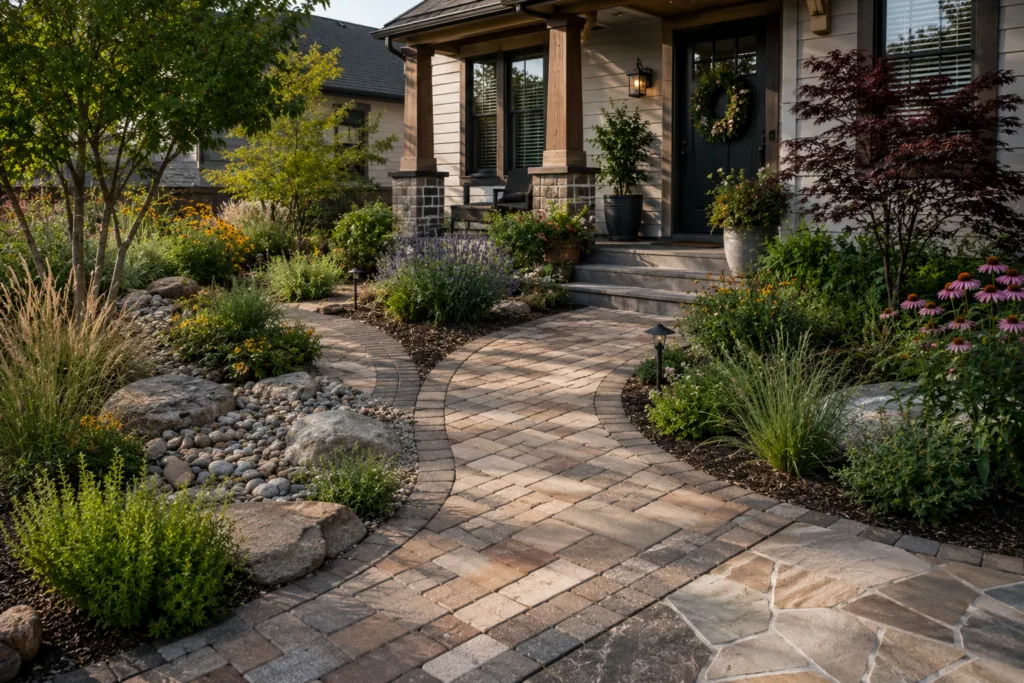
Smart designers are reimagining entry paths as design statements—using natural textures, strategic lighting, and thoughtful materials that guide visitors while setting the tone for your entire property.
Your front walkway is now the opening chapter of your home’s story.
Instead of plain concrete, consider stepping stones made from reclaimed materials, soft landscape lighting that creates ambiance, and plantings that frame the approach.
Low-voltage LED lights are game-changers—they’re energy-efficient and create atmosphere that extends your interior design language outdoors.
Beyond looks, entry paths serve critical practical purposes: materials like permeable stone and brick manage water flow and drainage, preventing pooling and erosion.
The best entry paths blur the boundary between interior and exterior spaces, using sophisticated color palettes and elevated furnishings that feel intentional rather than random.
Whether you’re working with a small rental space or a sprawling suburban lot, thoughtful entry design creates an immediate impression that says ‘someone who cares lives here.’
From Grass to Gardens: The Textured Hardscape Movement
Natural materials and textured hardscapes are replacing bland green expanses throughout neighborhoods.
This shift reflects a desire for authenticity, environmental consciousness, and landscapes that actually look interesting year-round.
Designers are experimenting with mixed materials: permeable pavers that manage water runoff, recycled brick arranged in intricate patterns, and locally sourced stone that connects your landscape to its geographic context. Textured surfaces catch light differently throughout the day, creating visual interest that changes with the seasons.
Garden beds now feature layered plantings with varied heights, textures, and seasonal interest. Native plants are no longer optional—they’ve become essential because they support local ecosystems while thriving with minimal intervention.
These plants naturally resist local pests and diseases, requiring far less maintenance than imported ornamentals.
Practical solutions like dry river rock beds effectively manage water drainage while adding visual appeal.
The aesthetic payoff is remarkable: this combination of hardscape and native plantings creates landscapes that look professionally designed without feeling like they need constant fussing.
Your Front Yard Is Now Social Media Real Estate
Front yards are transforming into gathering spaces with intentional seating areas, vintage finds, and collected objects from travels.
Your landscape is becoming a visual autobiography—a curated gallery that reflects your adventures and memories.
Vintage benches, rescued architectural salvage, and carefully placed pottery become natural conversation starters when neighbors pause to admire your space.
The key is intentional curation rather than random display.
Instead of creating a cluttered collection, think of your front yard as a ‘Salon Society’ space—inspired by Parisian interior design principles that celebrate thoughtful composition of furnishings, art, and objects.
Apply this philosophy to your outdoor entry: select pieces that tell your story, arrange them with intention, and let the collection speak to who you are.
Small seating areas—intimate corners where neighbors naturally pause to chat—transform a front yard into a genuine community gathering point.
This approach works whether you’re displaying a cherished vintage bench, a potted plant collection, or architectural elements salvaged from travels. The result feels personal, welcoming, and unmistakably yours.
The Backyard Isn’t Just Recreation—It’s Your Personal Wellness Retreat
The backyard has evolved from a recreational space into a wellness sanctuary where you can genuinely restore yourself.
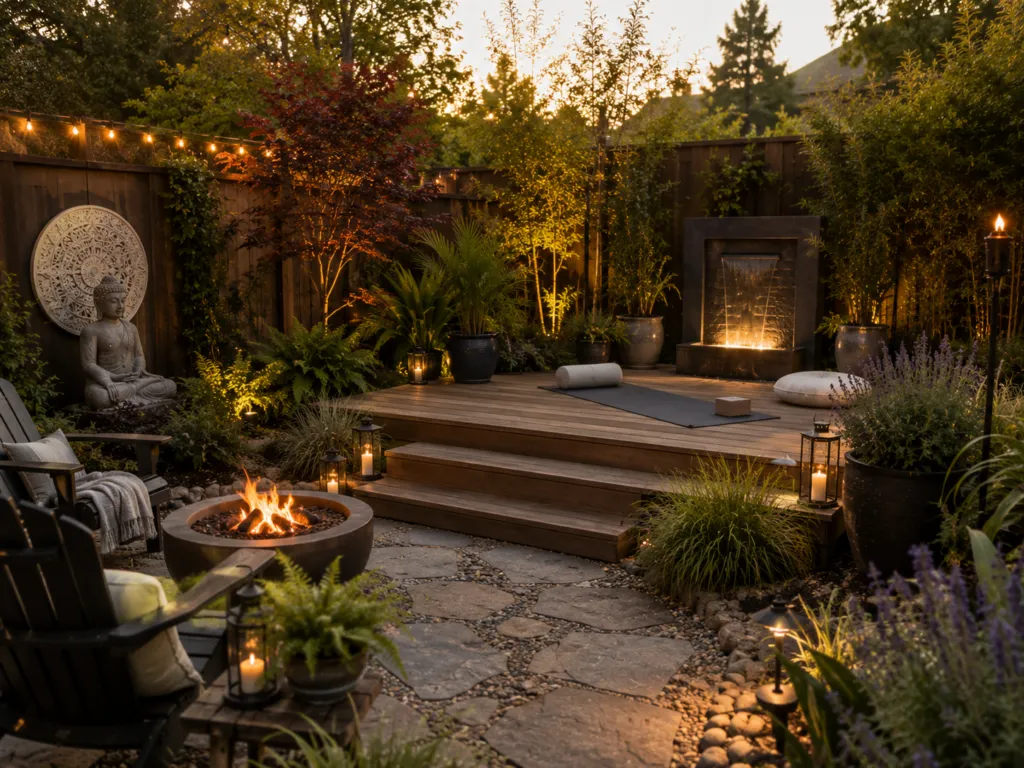
Designers are incorporating yoga decks, meditation zones, fire pits, and resort-style amenities that prioritize mental health and recovery.
Homeowners are investing in their own well-being, creating vacation-like experiences without leaving their property.
Dedicated meditation areas—often elevated platforms surrounded by plantings that provide privacy and natural sound barriers—are becoming standard requests.
Yoga decks designed to capture morning light with clear sightlines to sky or garden features create peaceful practice spaces. Fire pits serve dual purposes: functional gathering spots and meditative focal points for evening reflection.
Water features—fountains or small ponds—provide ambient soundscapes that reduce stress and create immersive sensory experiences.
As remote work and constant connectivity blur boundaries between professional and personal life, your backyard becomes essential space for genuine restoration.
The materials and design philosophies creating these spaces reflect refined aesthetic principles, transforming wellness areas into beautifully designed environments you’ll actually want to spend time in.
The Resort-Style Yard Effect: Why Ordinary Backyards Are Becoming Luxury Destinations
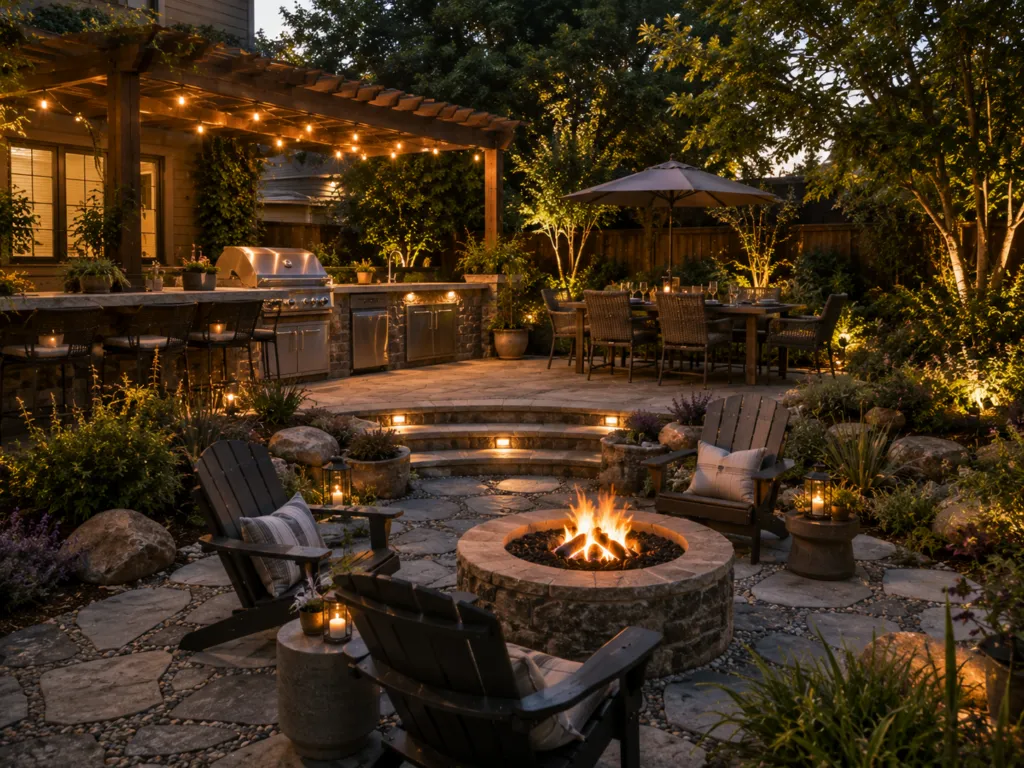
Outdoor kitchens, elevated dining areas, and thoughtfully designed gathering spaces are making backyards feel like luxury getaways.
The secret? Native plantings and weather-resistant materials that blend seamlessly with your local environment while feeling both aspirational and authentic.
Outdoor kitchens with stone countertops, built-in grills, and ample prep space transform dining from functional to experiential.
Elevated dining areas with quality weather-resistant furnishings create spaces where meals become events. Fire pits with comfortable seating arrangements become gathering hubs.
Rather than imposing generic tropical aesthetics that fight your climate, designers work with native plantings and regional materials.
A California backyard integrates drought-tolerant plantings and warm stone that feels both luxurious and responsible.
A Northeastern property celebrates regional materials and shade trees that honor the area’s seasonal rhythms.
A Southern space incorporates heat-tolerant natives and pergolas for natural cooling.
This approach creates spaces that feel genuinely luxurious precisely because they’re environmentally responsible and suited to where you actually live.
The Low-Maintenance Dream That’s Actually Achievable
Busy homeowners no longer have to sacrifice beauty for practicality. Native plantings and durable materials deliver stunning results with minimal upkeep.
This balance—between gorgeous design and real-world living—represents a maturity in how we approach outdoor spaces.
For decades, beautiful landscaping implied weekly maintenance. Today’s approach is smarter: native plantings thrive in your local conditions without constant fussing.
Once established, native plants flourish without irrigation or fertilization and naturally resist local pests and diseases.
Perennials outperform annuals, reducing yearly replanting demands. Hardscapes using permeable, durable materials minimize replacement needs.
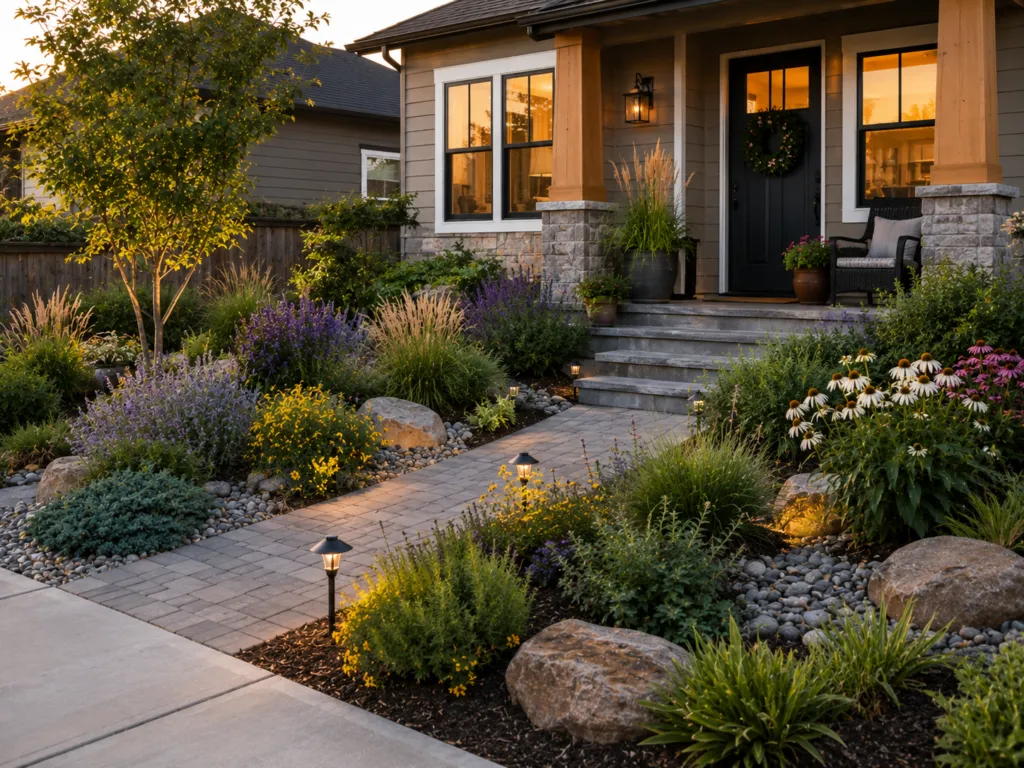
Mulched beds suppress weeds and reduce watering demands. The strategy combines low-maintenance perennials with ornamental grasses, layered in curved bed lines with strategic dry river rock, creating visually compelling landscapes that mature into self-sustaining ecosystems.
This approach celebrates plants evolved to your local climate, pests, and soil conditions—they require fewer soil amendments and interventions, creating a genuinely sustainable landscape that gets better looking as it matures.
Flow, Function, and the Future: How Your Entire Property Is Being Redesigned
Modern landscape design treats your entire property—front and back yards—as one cohesive ecosystem.
From entry lighting and fencing to social spaces and wellness zones, every element serves both aesthetic and functional purposes. This holistic approach is reshaping how we think about home as a complete, intentional environment designed for living well.
Rather than treating front and back yards as separate domains, designers create visual and functional connections across the entire property.
Entry lighting echoes patio illumination. Fence styles create continuity. Plant palettes transition smoothly from front to back.
Pathways guide natural movement through spaces. This coherence creates psychological ease—your home feels intentional rather than accumulated. Transitional spaces move gracefully between public and private zones.
Plantings screen undesirable views while framing beautiful ones.
Contemporary design philosophy treats your entire property as a cohesive interior-exterior continuum, where refined aesthetics extend seamlessly from one space to another.
Whether drawing from ‘Greenhouse Glamor’s’ refined sensibility or ‘Elevated Utility’s’ minimalist precision, thoughtful homeowners are creating properties where every zone speaks a unified design language.
When landscape design honors this reality, you create spaces where every element contributes to well-being and beauty.