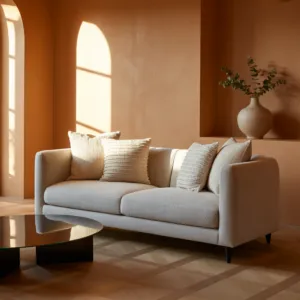
When a Brooklyn family inherited a 1971 modernist vacation home on Long Island’s North Fork, they faced a choice: sell it or invest in its future.
They chose to gut-renovate it for $1.2 million—and their decision reveals something fascinating about how homeowners think about property today.
The home was a architectural gem: single-story design, expansive windows, open floor plans, and authentic wooden slat walls that embodied the modernist philosophy of form following function.
But decades of family memories saturated those spaces—multi-generational gatherings, fishing expeditions, lazy boat rides that shaped childhoods.
Rather than treating it as dated property ready to flip, these owners took an emotionally complex path: preserve the home’s fundamental character while modernizing everything that needed updating.
They’re essentially monetizing sentiment—proving that the most expensive renovations often stem from deeply personal motivations rather than market calculations.
This pattern is becoming increasingly common. Design publications like Dwell magazine document it regularly. Comprehensive gut renovations of coastal properties now routinely run into seven figures, involving kitchen overhauls, updated mechanical systems, and complete interior reimagining.
These investments reflect both the emotional significance of family retreats and contemporary standards for comfort.
More importantly, they show how homeowners increasingly view renovation as a vehicle for emotional continuity across generations, not just as a way to add resale value.
Smart Budgeting: How Strategic Planning Beats Big Spending
While that North Fork project grabbed headlines with its seven-figure investment, an equally significant renovation happened quietly in Brooklyn.
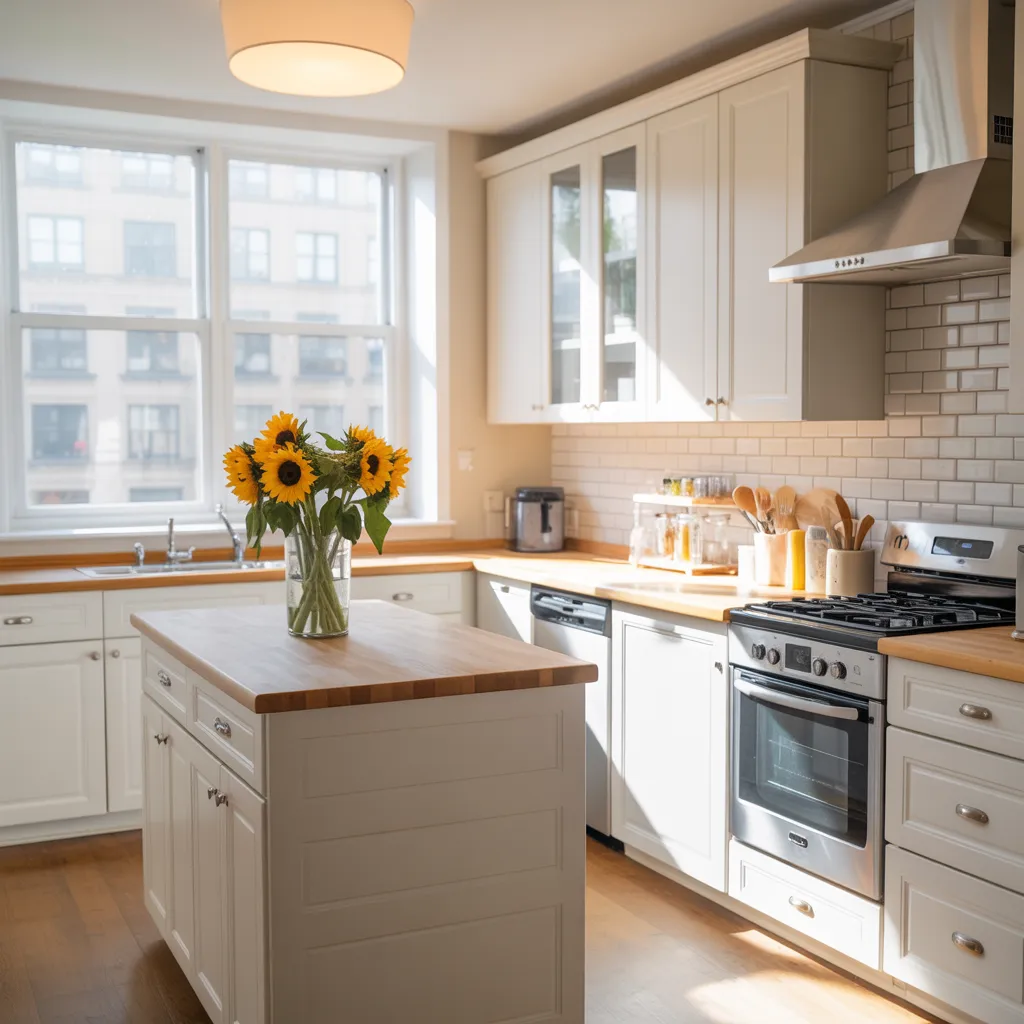
An SNL prop master and architect team transformed a dated Bed-Stuy railroad apartment for $128,000—just $175 per square foot. That’s not a typo.
Their secret? Strategic design choices, intentional material selection, and careful renovation sequencing. They proved that architectural sophistication and contemporary comfort don’t require six-figure spending.
Understanding where renovation budgets actually accumulate is key: kitchen remodels alone typically range from mid-five figures to well beyond $100,000, depending on appliances, cabinetry, and countertops.
By prioritizing high-impact visible elements while maintaining efficiency in less-visible systems, this couple demonstrated how design expertise can fundamentally democratize renovation accessibility.
Their $175-per-square-foot approach now circulates within design communities as a benchmark, challenging assumptions that transforming urban housing requires devastating personal finances.
The real takeaway? Strategic design principles transcend budget limitations.
You don’t need unlimited funds—you need thoughtful planning and intentional choices about where your money actually goes.
What Today’s Homeowners Really Want: Light, Connection, and Gathering Space
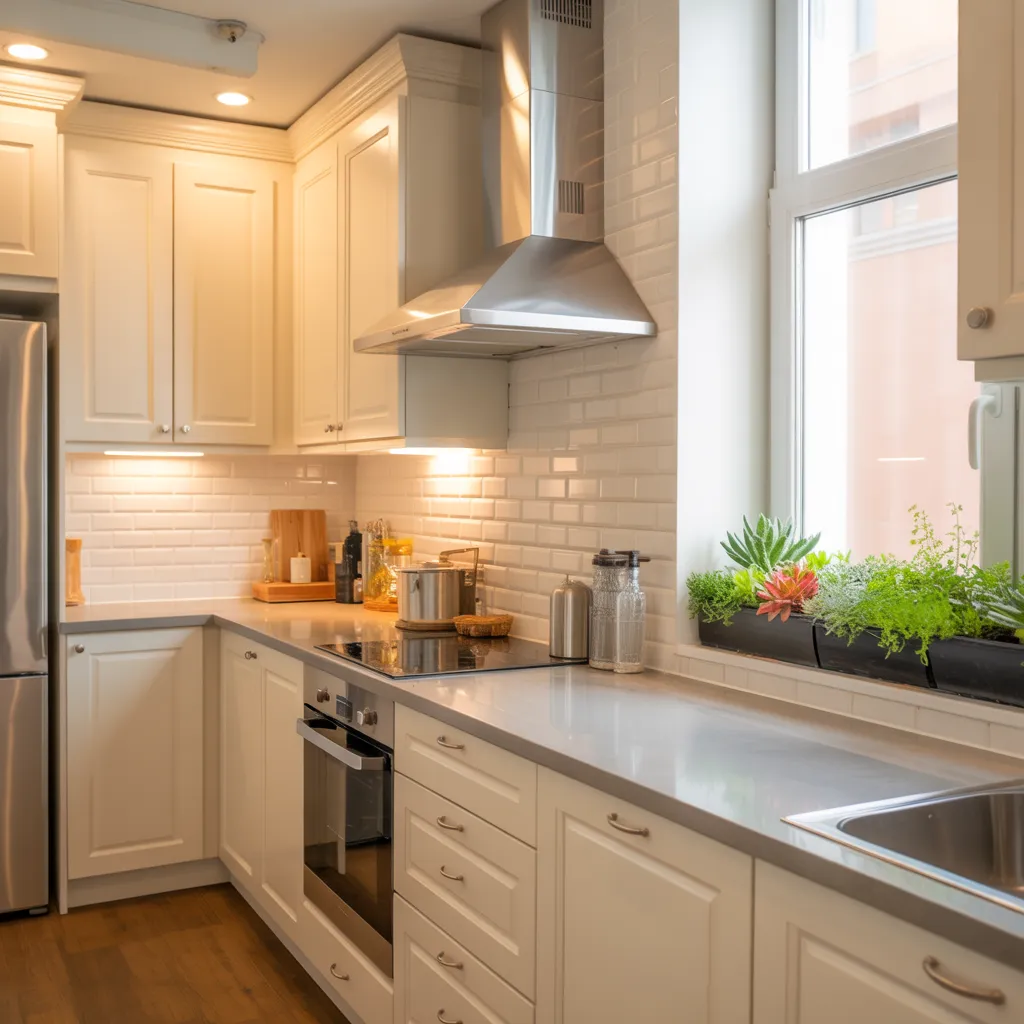
These two renovations—separated by cost, location, and scale—reveal an unexpected convergence in what families actually prioritize. Both projects maximized natural light.
The Long Island home installed expansive windows that flood spaces with daylight, while the Brooklyn apartment elevated arched windows that frame exterior greenery. Both incorporated organic materials: wooden slat walls in one, abundant indoor plants in the other.
This isn’t coincidental. It reflects a unified contemporary desire among modern families seeking spaces that reconnect inhabitants with nature, facilitate authentic community interaction, and accommodate hybrid work arrangements.
Both projects intuitively understood that successful contemporary living requires visual connection to nature, multifunctional spaces accommodating professional obligations and intimate moments, and atmospheric conditions promoting psychological wellbeing.
Contemporary renovation projects increasingly feature dual-purpose kitchens and entertaining spaces designed to support both everyday functionality and social gatherings.
Modern families value flexible gathering areas accommodating multiple simultaneous activities.
This shared vision transcends traditional economic divides—whether you’re spending $128,000 or $1.2 million, successful modern homes must prioritize ecological connection, flexible functionality, and light-filled transparency.
Beyond the Budget: The Real Question Every Homeowner Should Ask First
Beyond quantifiable metrics—square footage calculations, material costs, labor—exists an invisible expense that shapes every renovation decision: emotional investment.
The North Fork family’s deliberate choice to renovate rather than sell demonstrates the psychological weight homeowners carry when properties function as repositories for generational memory and identity.
Their $1.2 million investment reveals how sentimental attachment fundamentally drives renovation behavior. Conversely, the Bed-Stuy couple’s measured $128,000 transformation accomplished comprehensive aesthetic and functional change through pragmatic decisions rather than emotional excess.
Both approaches worked beautifully—because they started with clarity about their actual intentions. Here’s what matters: the real renovation calculus isn’t financial. It’s philosophical. Before calculating budgets or selecting materials, answer this foundational question:
What are you actually trying to achieve? Are you preserving irreplaceable family continuity? Creating efficient urban living? Establishing a psychological sanctuary? Accommodating a hybrid work life?
These answers determine whether renovation becomes joyful reclamation or financial catastrophe. They reveal whether budgets naturally align with intentions or spiral into regrettable excess. Start here, and everything else falls into place.