Most of us make the same decorating mistakes without even realizing it—and you’re probably guilty of at least a few. Maybe your furniture is lined up against the walls in that “safe” arrangement, or you’ve crammed oversized pieces into a compact space that just doesn’t have room.
Perhaps your color choices clash with your natural light, or you’ve mixed beautiful individual pieces that somehow feel disconnected when you put them together.
The tricky part is that these errors rarely announce themselves with a blaring alarm. They’re subtle—a quiet accumulation of choices that keep a room from feeling quite right, even when you can’t pinpoint exactly what’s wrong.
Why We Fall Into These Traps
Design professionals see the same patterns repeatedly. We follow trends without considering our actual living space or lighting. We buy items we love individually without first establishing a cohesive vision for the room.
We rigidly stick to “rules” we learned—like always pushing furniture to the walls—even when those rules don’t serve our specific space.
Interestingly, spatial designers are now challenging that conventional wall-arrangement wisdom. Centralized seating arrangements can actually improve traffic flow and create stronger focal points than the perimeter-based layouts most of us grew up with
What Interior Design Actually Means
Here’s the distinction that changes everything: interior design isn’t just about decoration. It’s the intentional art and science of enhancing your space to create both a healthier and more beautiful environment.
That means considering how you’ll actually live in the room, not just how it photographs.
The good news? Understanding these mistakes is genuinely the first step toward transformation. Once you see what’s happening, you can start making choices that work for your specific space and lifestyle.
The Overrated Home Features Everyone Is Obsessed With
Just because a feature looks impressive doesn’t mean it actually works. Design professionals consistently encounter homes where people invested heavily in trendy elements that haven’t aged well or that sacrifice functionality for appearance.
Features That Lose Their Appeal
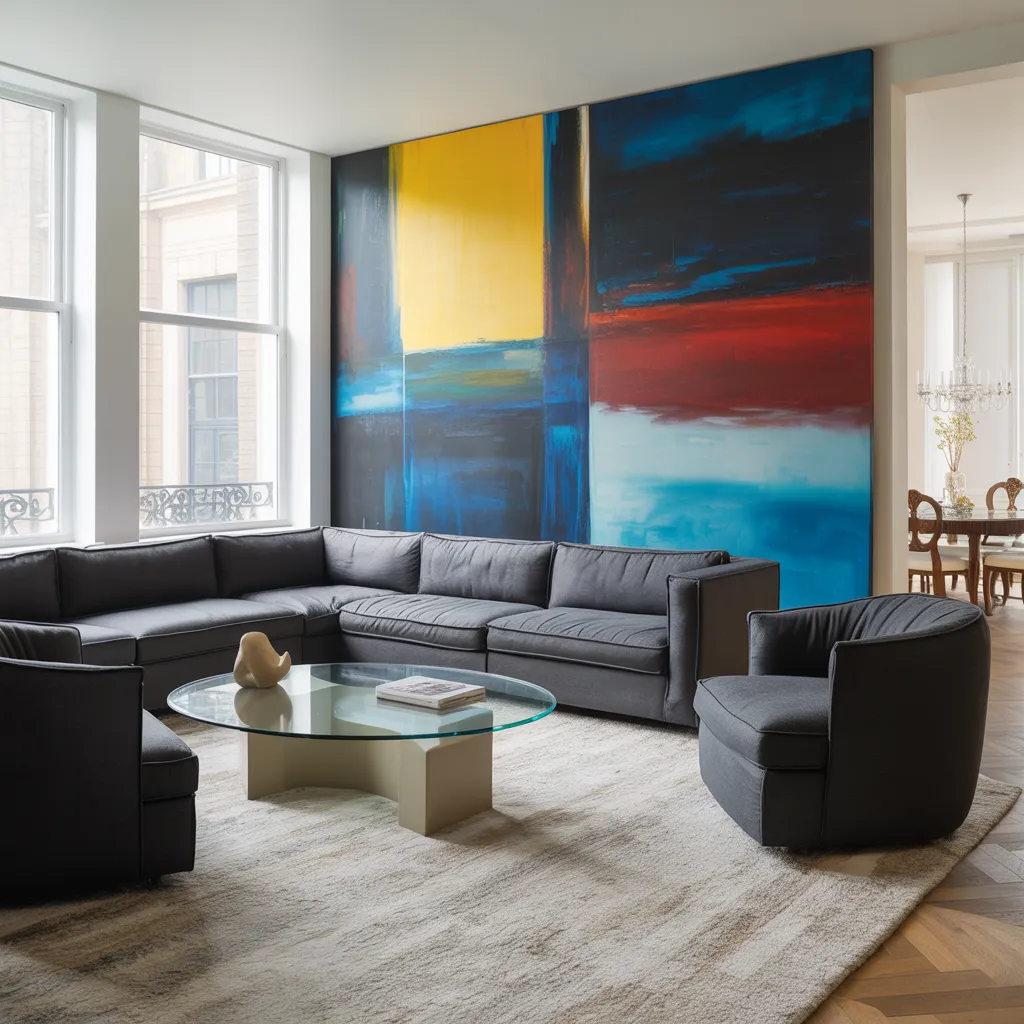
Open floor plans once felt like the ultimate modern solution, but they’re increasingly questioned for privacy issues and acoustical challenges. That dramatic statement wall might photograph beautifully, but it dates quickly and can actually make rooms feel smaller.
Oversized furniture dominates rather than anchors. And those walk-in closets? They’re consuming valuable square footage that might serve you better as flexible living space.
Formal dining rooms are another casualty—many homeowners find casual dining nooks actually work better for how we entertain and eat today. Similarly, trendy backsplashes, elaborate hardware finishes, and overly curated minimalism all present longevity concerns.
The Magazine vs. Reality Gap
There’s a real disconnect between what looks stunning in design magazines and what actually performs well in lived-in homes. When those features don’t age gracefully, you’re stuck with expensive reminders of outdated trends.
The Smart Approach
Understanding these distinctions helps you avoid costly mistakes and prioritize investments that genuinely matter for your space. The key is asking yourself: Will I still love this in five years? Does this serve how I actually live, or just how it looks in a photo?
Where Smart Money Actually Goes: Budget Upgrades vs. Splurges That Matter
Transform your home beautifully without draining your bank account—it’s all about knowing where your money actually makes a difference.
Worth the Splurge
Quality furniture pieces deserve strategic investment, particularly sofas and bed frames that anchor rooms and endure years of daily use. A great sofa isn’t just pretty; it’s something you’ll interact with constantly.
Designer lighting fixtures, while initially pricey, deliver ambiance and functional benefits that budget alternatives simply can’t match. The right lighting strategy—understanding what types belong where and how to highlight important spaces—transforms how an entire home feels and functions.
Strategic paint color choices offer outsized impact at a surprisingly affordable price, completely reshaping a space’s atmosphere. High-traffic surfaces warrant quality materials: kitchen countertops, flooring, and cabinet hardware are things guests touch and notice constantly. These deserve your investment dollars.
Smart Budget Moves
Thrift store finds offer exceptional value when you curate thoughtfully, adding genuine character without premium price tags. DIY solutions excel for removable elements like throw pillows, artwork arrangements, and seasonal updates. Wall accessories, plants, and decorative items benefit beautifully from budget-friendly sourcing. These are your flexibility pieces—experiment, swap, refresh seasonally without guilt.
The Key Distinction
The magic formula separates permanent fixtures (invest generously) from temporary accents (stay flexible). This balanced approach enables beautiful, personalized spaces without financial overextension. You’re investing where it matters most while staying nimble where you can experiment.
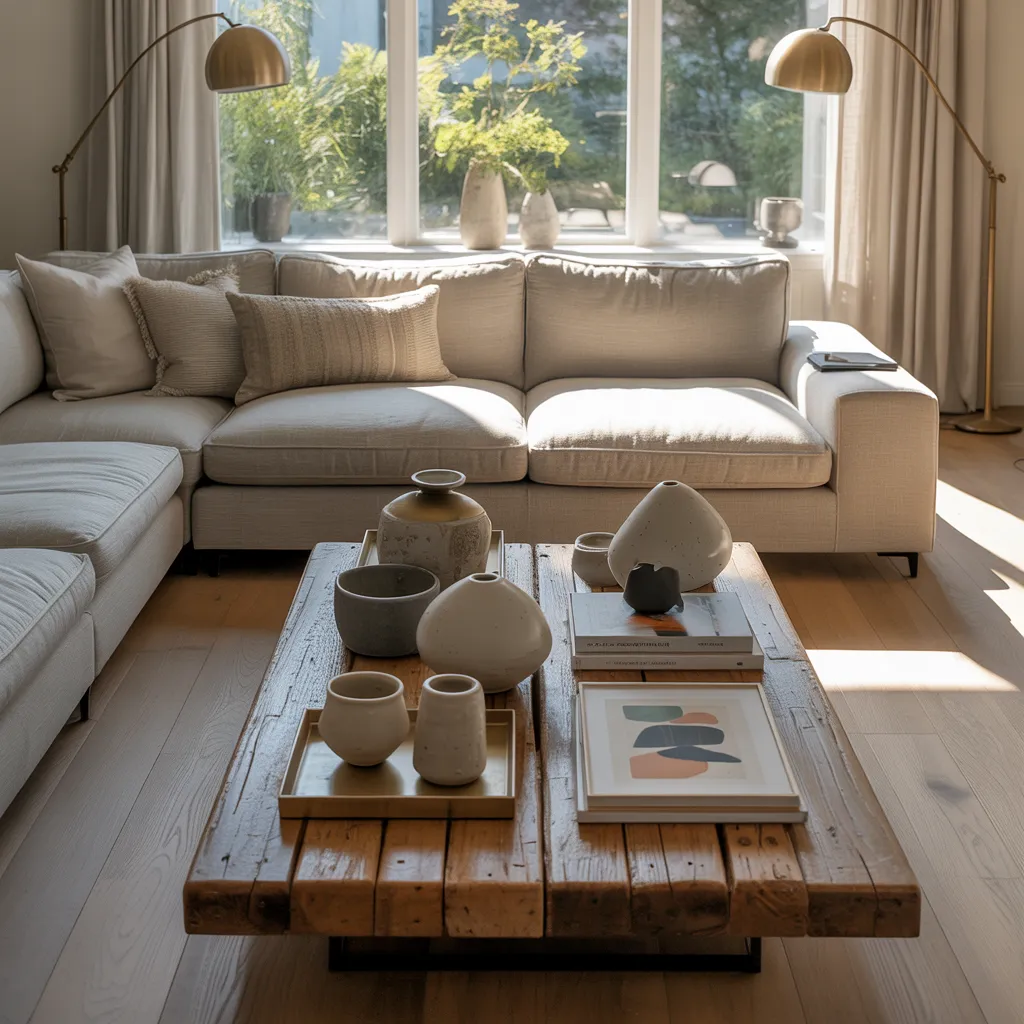
The Surprising Color and Design Trends Redefining Modern Homes
Contemporary design is embracing bold color experimentation in ways that would’ve felt risky just a few years ago. Deep jewel tones, warm terra cottas, and unexpected color combinations are replacing the safe neutrals we’ve relied on.
Why Color Matters So Much
Interior designers understand something crucial: color affects how we think, feel, and perceive space. It influences behavior, mood, and even how spacious a room feels. Different combinations can make tiny rooms seem larger or smaller, while specific hues create atmospheres ranging from calm to cheerful to stressful. This isn’t just aesthetics—it’s functional design.
What’s Trending Now (And What’s Fading)
Design forecasters predict that dark cabinetry and crisp white bedding will feel significantly outdated by 2026, giving way to pastel cabinet shades like lilac and bubblegum pink. Bedroom styling is shifting toward bolder patterns and textures that invite personality rather than restraint.
Vintage elements—particularly mid-century and retro pieces—are experiencing genuine renewed popularity as homeowners seek authenticity over mass-produced uniformity. Mixed metals, once considered a cardinal sin, now signal sophisticated, collected-over-time aesthetics. Maximalism is rejecting decades of minimalist dogma, celebrating pattern layering, eclectic collections, and personalized expression.
The Sophistication Shift
Quiet luxury aesthetics—understated elegance with quality materials—attracts those seeking less obvious but equally sophisticated approaches. Notably, ultramodern minimalism’s grip is weakening as designers and homeowners recognize its emotional coldness in actual lived spaces.
Sustainability consciousness increasingly influences material selections, with vintage and antique pieces gaining appeal beyond just aesthetic considerations.
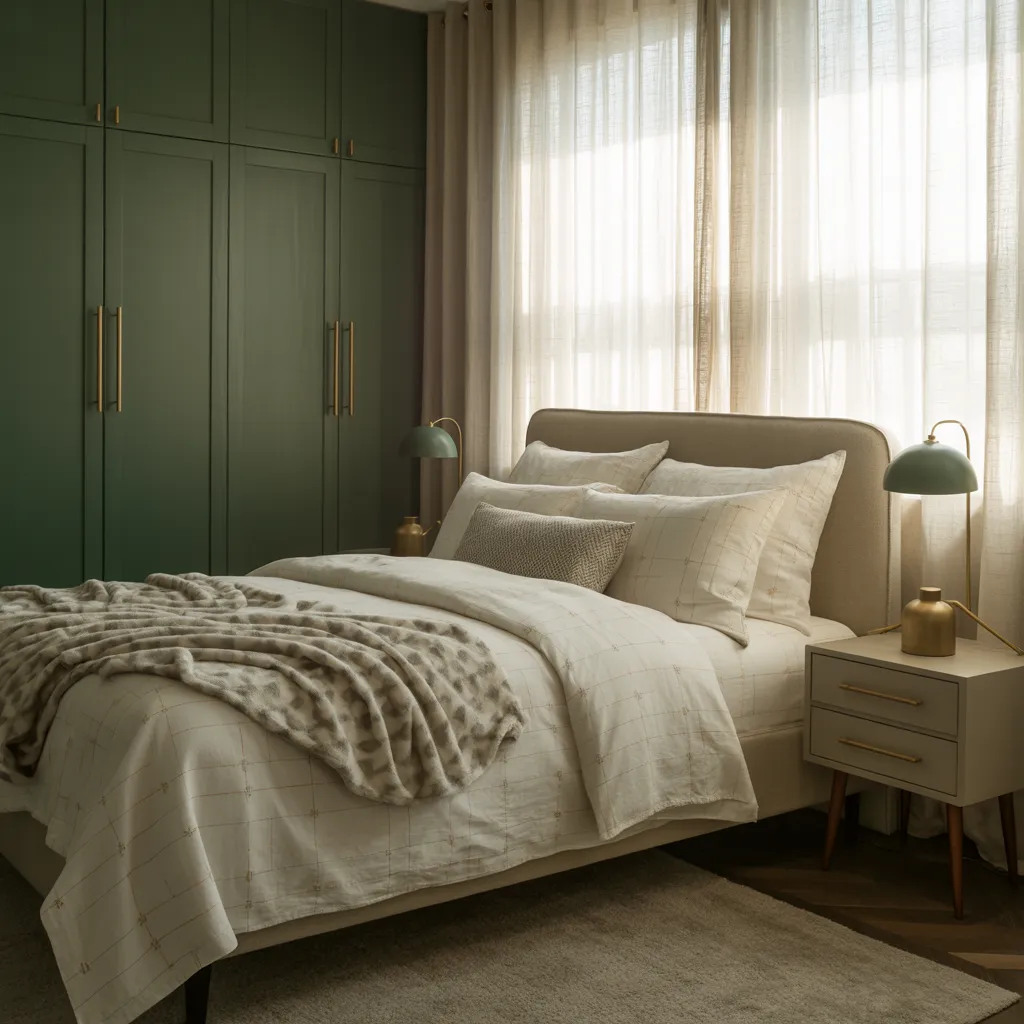
Room-by-Room Fixes: From Tiny Apartments to Master Bedrooms
Every room presents unique challenges requiring customized approaches tailored to how you’ll actually use the space.
Small Apartment Living Rooms
These demand strategic furniture arrangement, vertical storage solutions, and light-colored palettes that expand perceived space without feeling sterile.
White living rooms offer sophisticated potential when layered with texture—natural fibers, varied wall treatments, and thoughtfully selected artwork prevent that clinical blandness.
Compact Kitchens
Vertical organization, open shelving strategies, and intentional lighting expand visual dimensionality in tight quarters. Every inch needs to earn its place.
Master Bedrooms
Your primary bedroom should feel restorative rather than cluttered. Prioritize comfort, quality bedding, and color psychology that promotes genuine relaxation.
Coastal bedroom styles are gaining traction, favoring light colors, textured fabrics, and serene atmospheres that enhance your ability to unwind.
Rethinking Furniture Placement
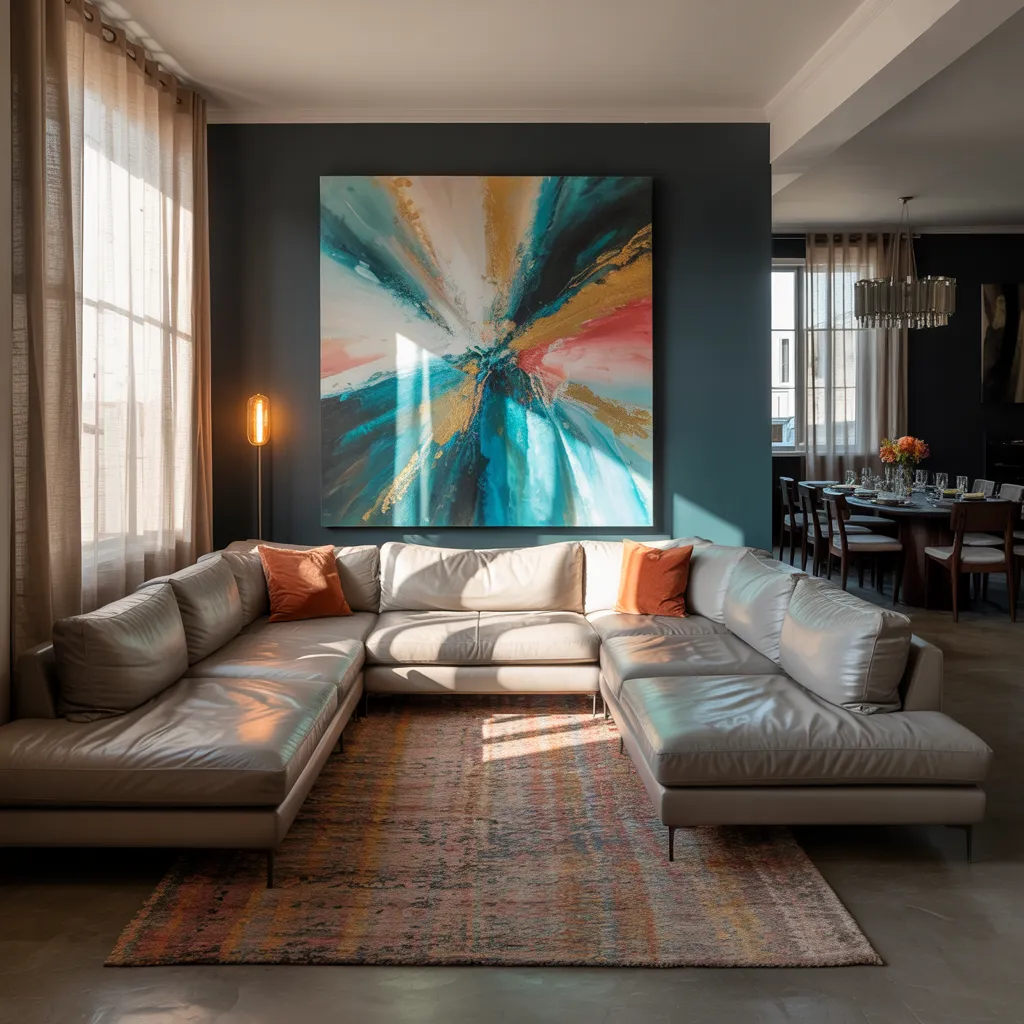
Innovative spatial planning approaches—like positioning furniture collections toward a room’s center rather than rigidly against walls—actually create improved conversation dynamics, stronger focal points, and allow traffic flow around the perimeter. It feels counterintuitive, but it works.
Overlooked Spaces That Shine
Powder rooms offer creative opportunities for bold colors and dramatic elements that would overwhelm larger spaces.
Guest rooms need hospitality-forward thinking: quality mattresses, appropriate lighting, and welcoming touches that make visitors genuinely comfortable.
The Balance That Matters
Successful room design balances aesthetic goals with functional living requirements, ensuring beautiful spaces remain genuinely usable daily. Visual hierarchy and scale principles guide each room’s unique transformation.
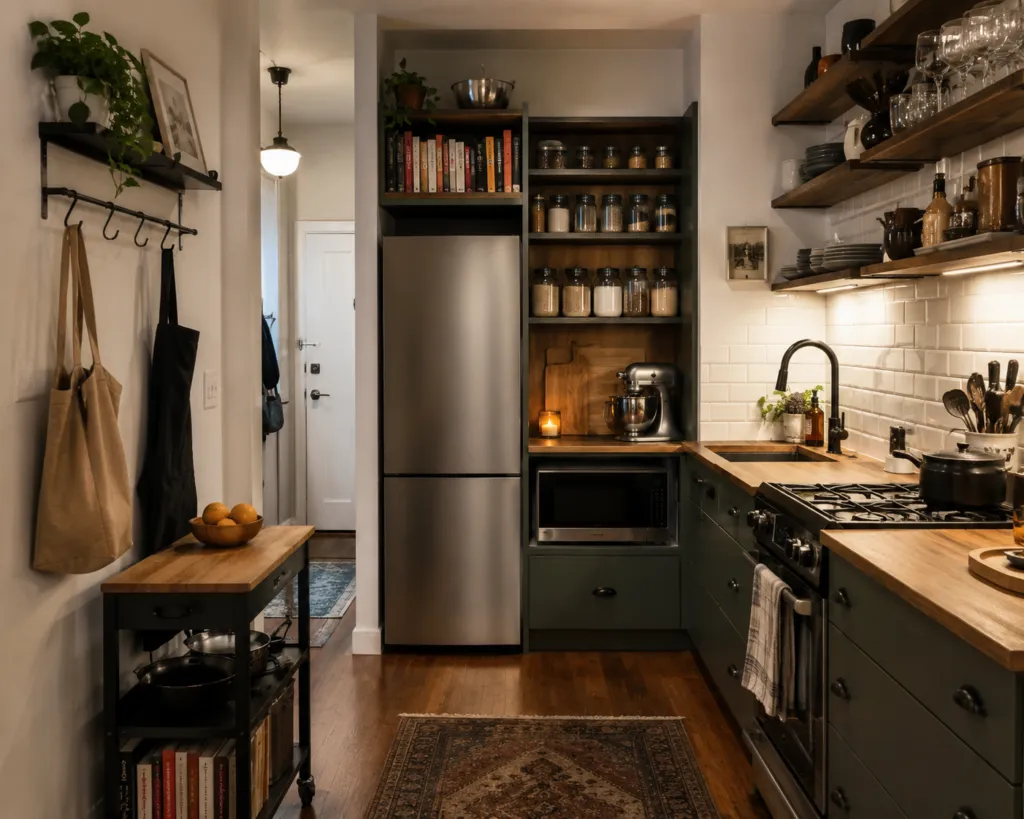
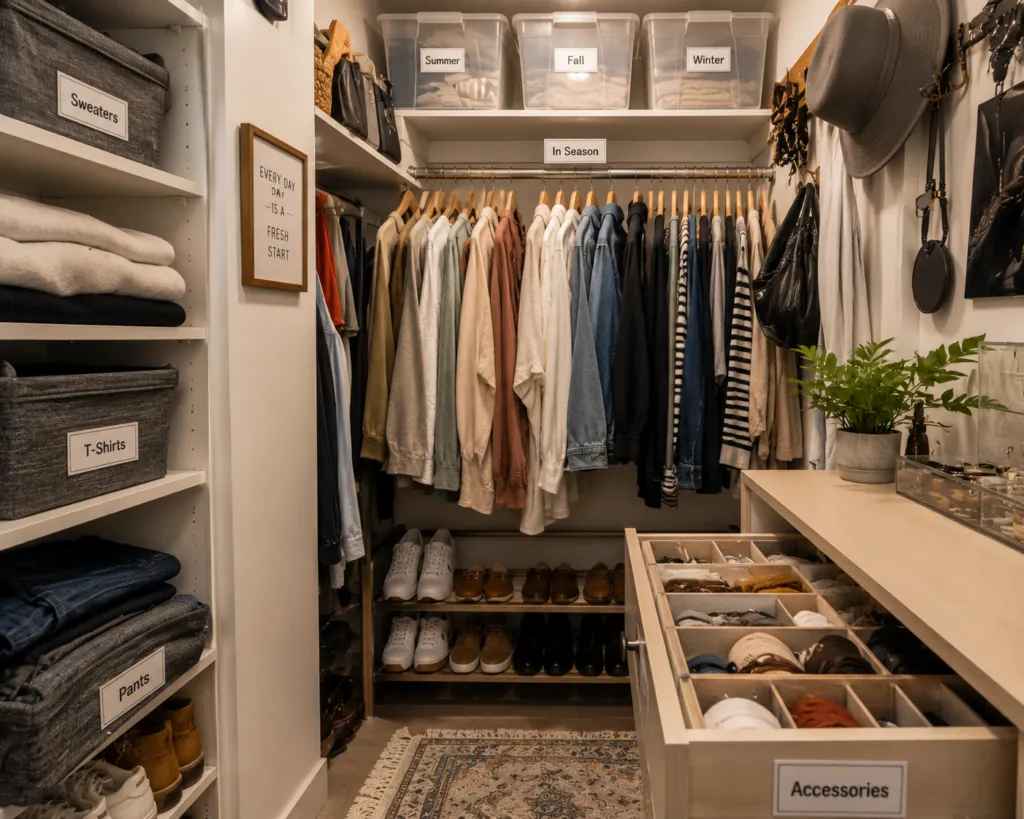
The Secret Systems That Keep Stylish Homes Actually Organized
A beautiful home loses its magic if it’s cluttered and chaotic underneath that attractive surface. The homes that look effortlessly put-together actually have systematic approaches that maintain functionality while preserving aesthetic appeal.
What Actually Works
Professional organizers and designers employ strategic systems involving regular decluttering cycles, categorical storage solutions, and designated spaces for every category of items. Successful storage solutions combine practical organization with visual appeal, preventing spaces from descending into chaos while keeping things accessible.
The psychology of organization matters significantly. Systems that are too complicated won’t sustain; overly simple approaches lack functionality. The sweet spot feels effortless because it aligns with your daily routines rather than imposing external structure you’ll abandon.
Start With the Foundation
Professionals recommend beginning with ruthless decluttering—removing items that don’t serve your current life rather than storing them for hypothetical futures. This shift alone transforms how a home functions.
Sustainable Organization Strategies
Container solutions, drawer dividers, and closet organization prevent visual chaos while enabling quick access during daily life. Seasonal rotation systems maintain relevant items accessible while storing seasonal pieces appropriately. Vertical organization maximizes limited space while keeping items visible and retrievable.
The Modern Touch
Digital systems complement physical organization nicely. Photo inventories and labeling prevent duplicate purchases and disorganization recurrence.
The Key to Longevity
The most sustainable approach combines visual appeal with practical functionality, ensuring beautiful organization doesn’t require exhausting maintenance routines you’ll eventually abandon.
Hidden Gems and Statement Ideas: From She Sheds to Powder Rooms
Sometimes the most impactful design transformations happen in spaces most homeowners overlook entirely—and that’s precisely where you can inject the most personality.
Personal Retreats and Bold Spaces
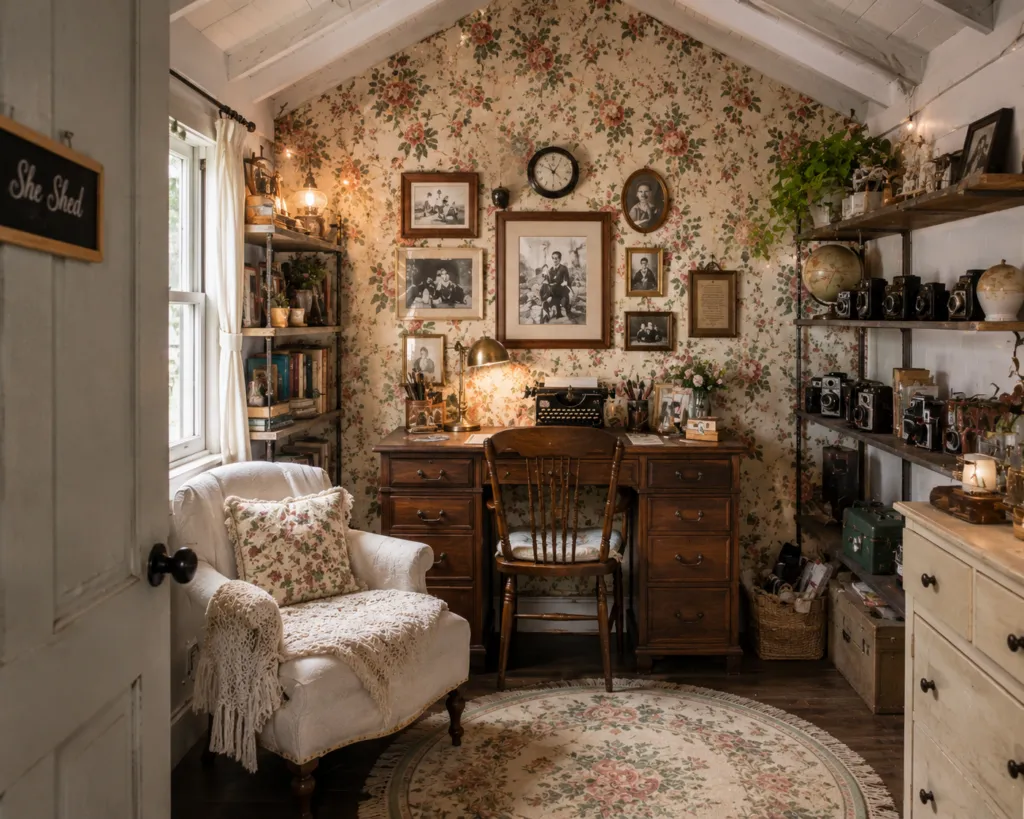
She shed designs represent creative sanctuaries where personal expression flourishes without compromising primary living areas. They combine comfort, style, and functional workspace tailored to your specific interests.
Powder rooms offer similarly confined spaces perfect for bold color experimentation, dramatic wallpaper, and artistic expression that would overwhelm larger rooms. These intimate spaces permit creative risks that feel excessive elsewhere, enabling genuine personality showcasing within manageable dimensions.
Telling Your Story
Explore how antique shop finds and vintage discoveries become storytelling focal points that elevate an entire home. Overlooked niches—under staircases, bedroom corners, hallway nooks—transform through thoughtful styling into character-rich moments.
Vintage wallpaper in unexpected locations, carefully selected antique pieces, and curated collections tell personal narratives far more compellingly than designer-coordinated perfection.
Often-Neglected Design Opportunities
Staircase styling receives insufficient attention despite constant visibility. Thoughtful gallery walls, lighting, and runner selections elevate these functional elements into genuine design statements. Entryways deserve strategic consideration as first-impression zones requiring welcoming warmth rather than austere minimalism.
Spa-Like Bathrooms and Small Spaces
Spa-like bathrooms represent an emerging design direction favoring high-quality materials, textured surfaces like polished plaster, and sophisticated finishes that create serene retreat environments. Small spaces adjacent to primary rooms—breakfast nooks, mudrooms, office corners—enable creative expression while maintaining focused design constraints.
What Makes Homes Memorable
The most memorable homes feature these character-rich moments reflecting inhabitants’ personalities, travels, and aesthetic evolutions. That’s where genuine home magic happens.