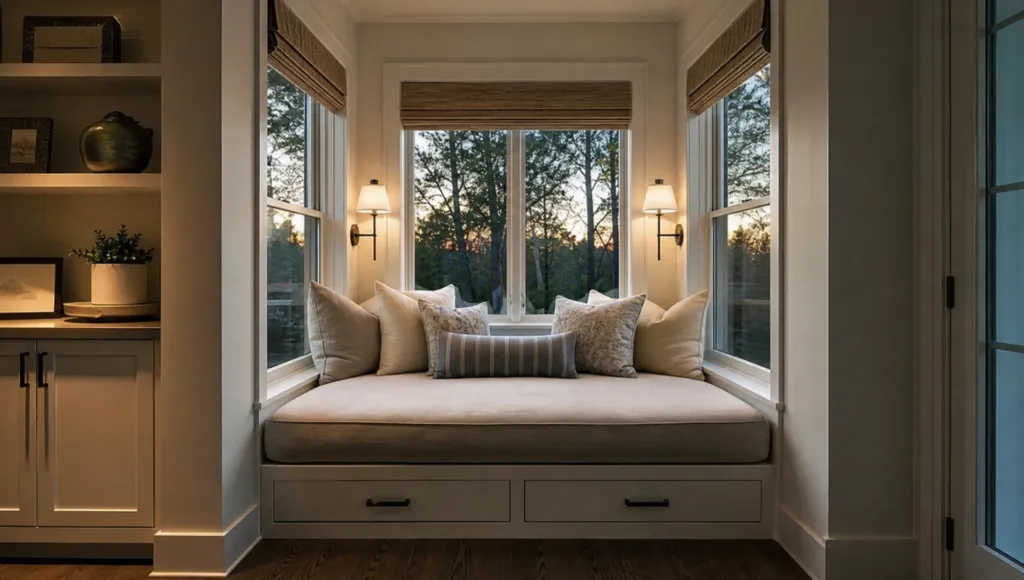
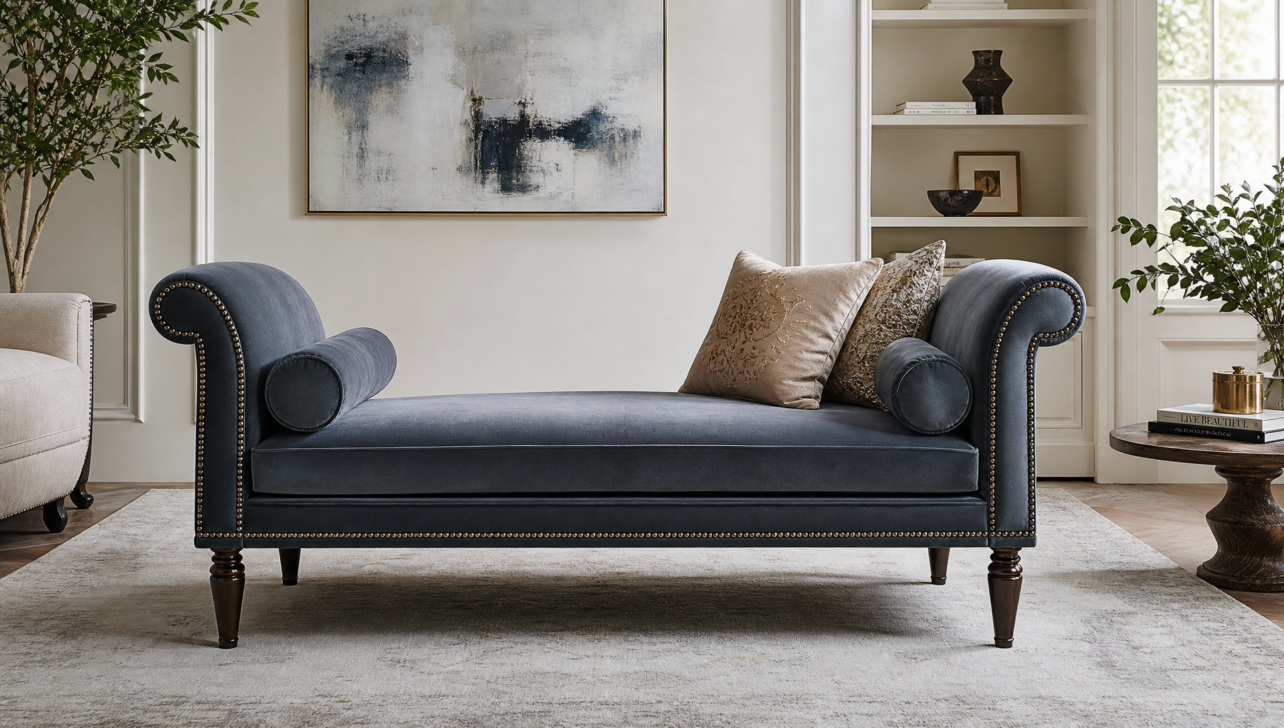
Interior design trends come and go, but some pieces from the past have a way of resurfacing when the time is right. The daybed, a fixture of Victorian-era homes that gradually faded from popularity, is now experiencing renewed interest among leading designers and homeowners alike.
This elegant furniture piece, once relegated to guest rooms or dismissed as an outdated relic, is being reconsidered for its unique ability to blend form and function in contemporary spaces. What makes this resurgence particularly interesting is how modern interpretations are breathing new life into a design that has existed for over a century.
Why This Forgotten Victorian Furniture Piece Is About to Take Over Your Living Room
The daybed has spent decades playing second fiddle to traditional sofas and loveseats in home design, often viewed as a compromise rather than a deliberate choice. However, designers are now recognizing its potential as a versatile centerpiece that offers something standard seating cannot. The shift reflects broader changes in how people use their living spaces, with multifunctional furniture becoming increasingly valuable.
Unlike conventional sofas that serve a single purpose, daybeds occupy an interesting middle ground between seating and sleeping furniture. This dual nature makes them particularly appealing for modern homes where space efficiency matters, yet style cannot be compromised. The Victorian middle class originally embraced these pieces as symbols of refined living, and that sense of sophistication is finding new appreciation today.
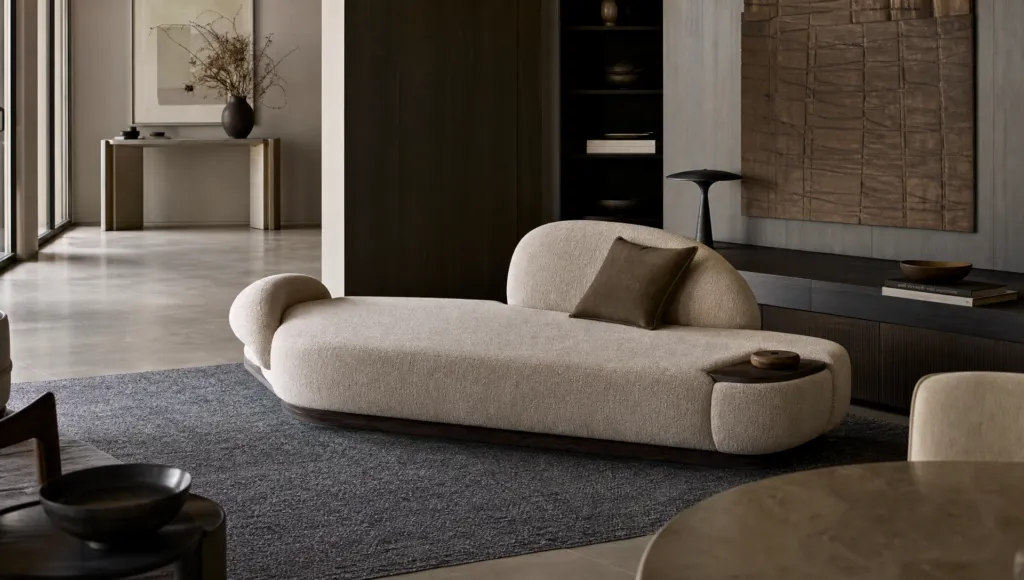
Designers are reimagining daybeds as sculptural statement pieces rather than afterthoughts tucked away in spare rooms. The emphasis has shifted toward creating furniture that commands attention while maintaining practical utility, a balance that the daybed naturally achieves through its distinctive silhouette and presence.
The Surprising History Behind the ‘Fainting Couch’ (And Why It Almost Disappeared)
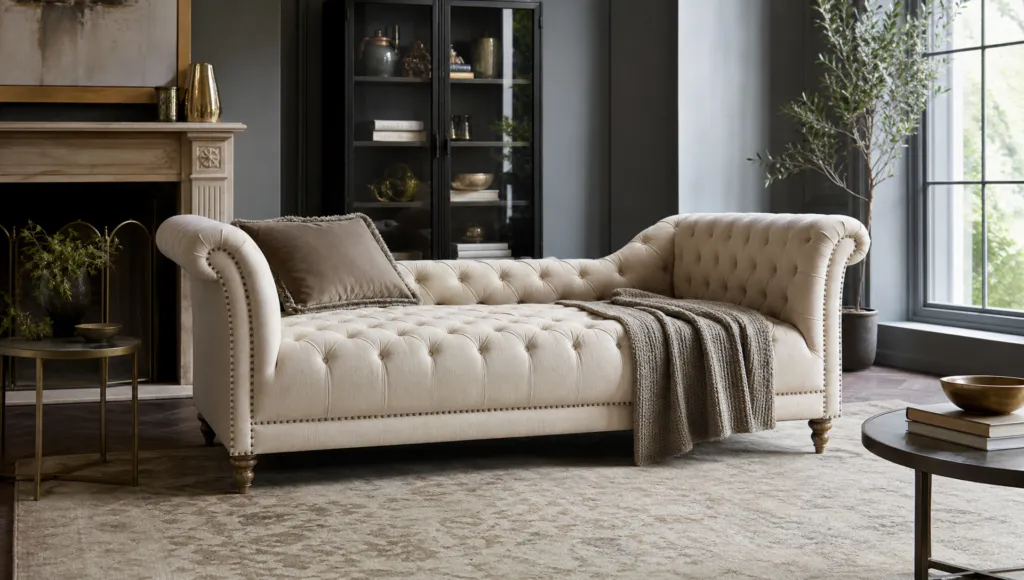
The daybed earned its colloquial name as a fainting couch during the Victorian era, though the reasoning behind this nickname reveals much about the period’s social customs. Women wearing restrictive corsets and heavy layered clothing often needed a place to recline when feeling lightheaded or overwhelmed by their constricting garments. The furniture piece became a practical necessity in well-appointed homes of the time.
Victorian society placed tremendous importance on family life and domestic spaces, viewing the home as a private sanctuary from the outside world. The daybed fit perfectly into this cultural framework, offering a refined spot for rest and contemplation within the carefully curated domestic environment. As the middle class grew in influence, their lifestyle choices shaped broader design trends, making the daybed a common sight in respectable households.
As fashion evolved and restrictive clothing fell out of favor, the daybed’s original purpose became obsolete. The piece gradually lost its cultural relevance and was overshadowed by more conventional seating options that seemed better suited to modern living. For decades, it remained a curiosity associated with a bygone era rather than a viable furniture choice for contemporary homes.
What Top Designers Know About Daybeds That You Don’t
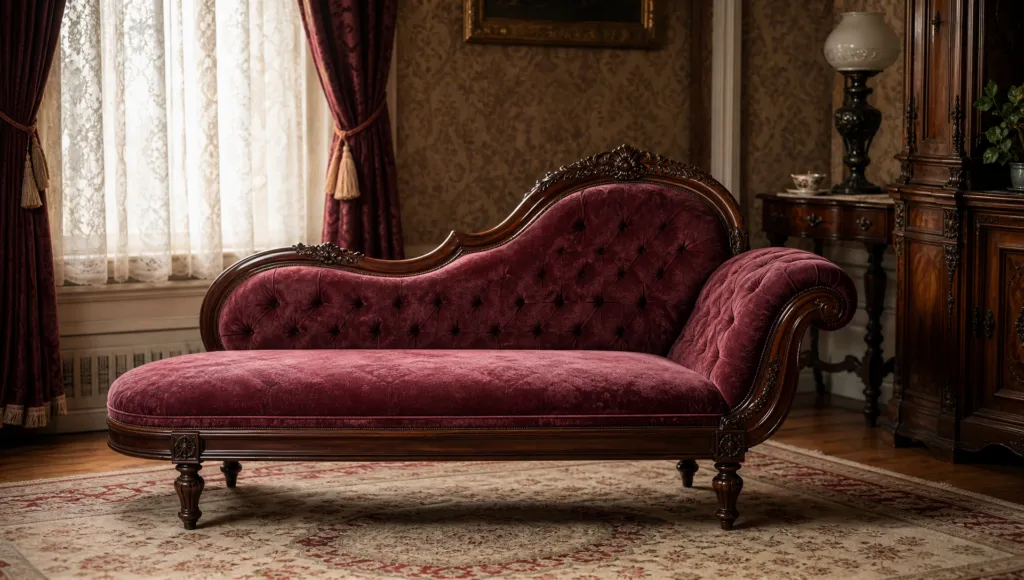
Leading interior designers understand that the key to successfully incorporating a daybed lies in balancing aesthetic appeal with genuine comfort. This fully upholstered daybed was designed as a sculptural yet inviting piece, where clean lines meet soft volumes. The solid upholstered frame gives it a monolithic presence, softened by the textured fabric and generous seat. I love how it anchors the space while still feeling cozy and intimate. “Laura Gonzalez“, noting how thoughtful upholstery choices can transform the piece from a purely visual element into something truly inviting. The texture and quality of fabrics play a crucial role in determining whether a daybed becomes a beloved feature or an underused decoration.
Modern interpretations focus on creating pieces that serve as sculptural elements while maintaining their functional purpose. Designers like Sherry Shirah recognize that daybeds can enhance room circulation and flow in ways that bulkier furniture cannot, making them ideal for spaces where movement and openness matter. This understanding separates professional design choices from amateur attempts that treat daybeds as mere novelties.
Another insight from experts like Anshu Bangia involves recognizing how daybeds can maximize limited square footage without forcing homeowners to sacrifice comfort or style. In smaller apartments or multipurpose rooms, a well-chosen daybed offers flexibility that traditional furniture arrangements simply cannot match, adapting to different needs throughout the day.
The Styling Secret That Makes or Breaks Your Daybed
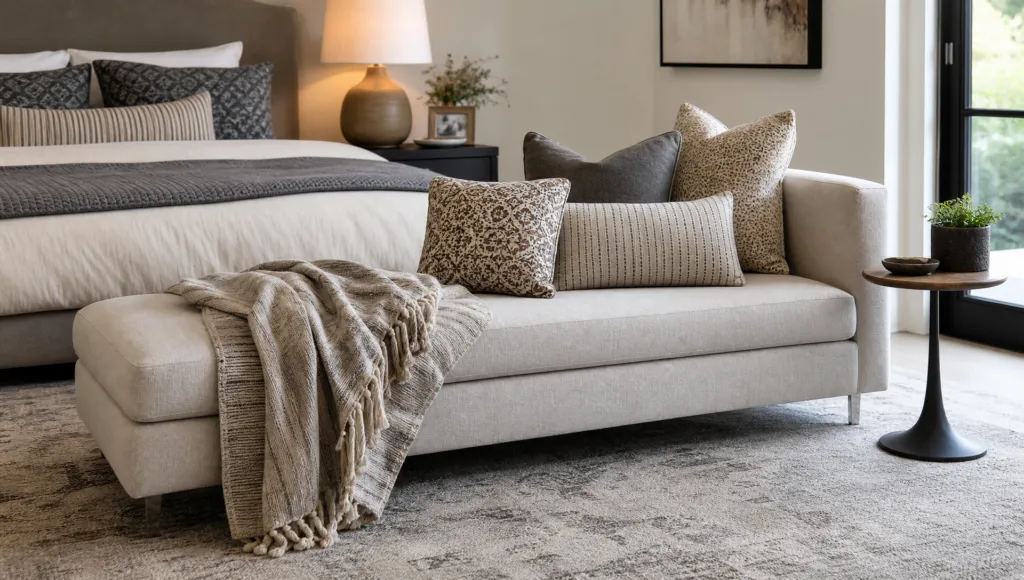
The approach to styling a daybed depends entirely on its structural design, particularly whether it features a back or exists as a backless platform. Daybeds with backs benefit from layered pillows in mixed prints and patterns, creating visual interest while adding comfort for those who want to sit upright. The pillow arrangement transforms the piece from a simple reclining surface into a more versatile seating option.
For backless daybeds, the styling strategy shifts toward incorporating throws and strategically placed side tables. A carefully draped throw adds texture and warmth while suggesting the piece’s dual purpose as both seating and sleeping furniture. Side tables provide practical surfaces for lamps, books, or decorative objects that help integrate the daybed into the room’s overall design scheme.
The mistake many people make is treating daybeds like standard sofas or beds, applying styling rules that don’t account for their unique characteristics. Understanding these distinctions allows the furniture to shine in its own right rather than appearing as an awkward compromise between two different furniture categories.
Where to Place Your Daybed for Maximum Impact (The Answer Might Surprise You)
The placement of a daybed can dramatically affect both its functionality and visual impact within a room. Some designers advocate for positioning daybeds in the center of a space, where they can serve as an anchor point that defines the room’s layout and flow. This bold approach works particularly well in larger rooms where the daybed’s sculptural qualities can be appreciated from multiple angles.
Alternatively, tucking a daybed into a corner or alcove creates an intimate retreat within a larger space. This placement strategy appeals to those who want the piece to feel cozy and secluded rather than prominently displayed. The choice between these approaches depends on both the room’s dimensions and the intended use of the furniture.
Space constraints and personal preference should guide the final decision, but either option can work beautifully when executed with intention. The key is considering how people will move through and use the space, ensuring the daybed enhances rather than hinders the room’s functionality while making the design statement you desire.