Building or renovating a home remains one of the most significant financial decisions most people will ever make, yet the actual numbers behind successful projects often stay hidden from public view. A comprehensive look at ten distinctive residential projects from around the globe reveals not just the final price tags, but the strategic choices and unexpected challenges that shaped each budget. These homes span an impressive range from modest apartment updates to substantial additions, offering insights into what different investment levels can actually achieve in today’s construction landscape.
The One Budget Secret These Homeowners Used That Architects Don’t Want You to Know
The most successful projects featured in this year’s collection share a common thread that goes beyond simple cost-cutting measures. Homeowners who achieved remarkable results consistently prioritized strategic spending over blanket budget restrictions, focusing their resources on elements that would deliver the greatest impact on daily living.
Many of these projects involved homeowners taking on significant portions of the work themselves, not merely to save money but to maintain control over quality and design vision. It’s a teaching opportunity. It’s about encouraging and empowering people. They can see that I’ve done it—and I’m not the fittest guy in the world—so they know it’s possible. People used to build their own houses all the time. It’s instinctive. “Jiri Lev” transformed what could have been prohibitively expensive dreams into achievable realities, particularly in projects where labor costs typically consume the largest portion of budgets.
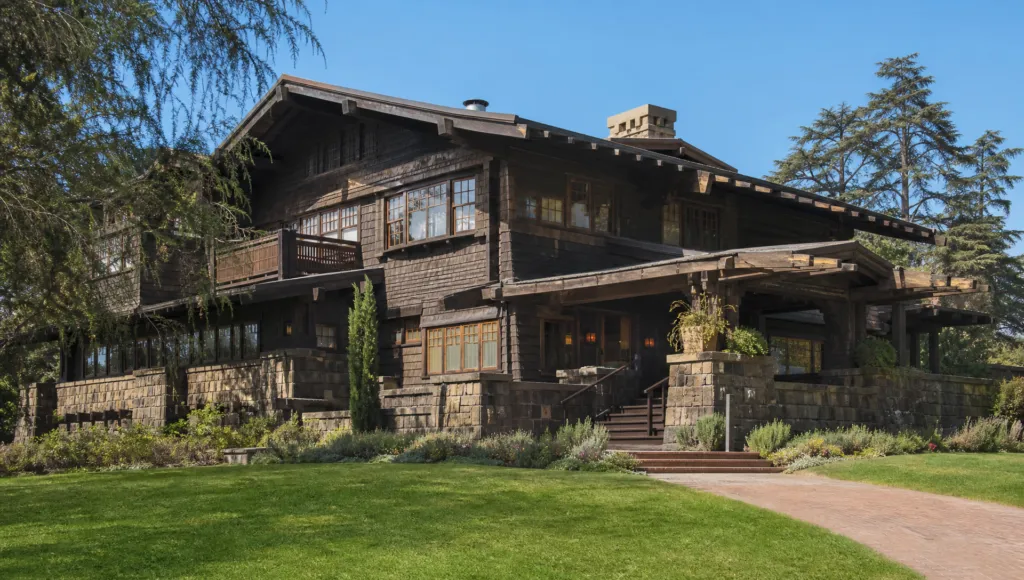
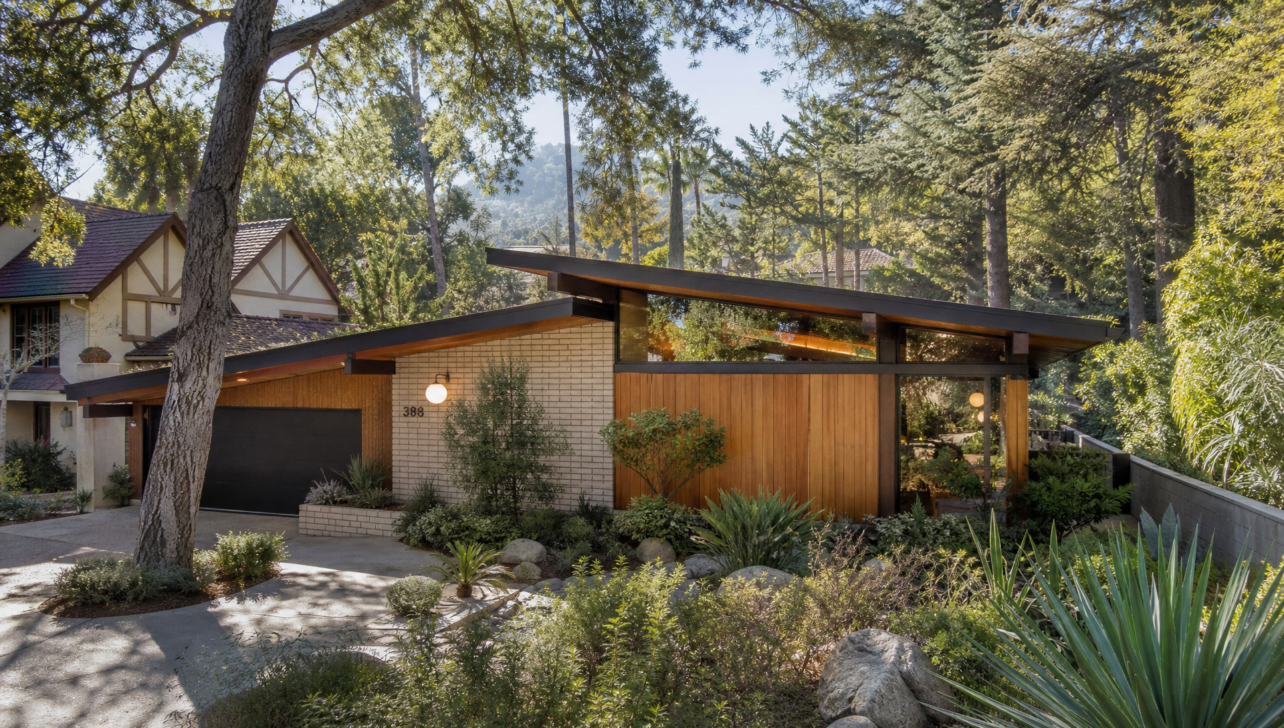
The Pasadena midcentury renovation exemplifies this philosophy perfectly, where a $312,000 investment transformed a 1960s time capsule into a modern tree house aesthetic. The homeowners focused their spending on structural improvements and key design elements while preserving original features that added character without additional cost. This selective approach to renovation honors the architectural heritage that makes neighborhoods like Bungalow Heaven so distinctive, where Craftsman homes built between 1900 and 1930 continue to inspire contemporary design choices.
From $52K to $1.6M: Why the Cheapest Project Might Surprise You Most
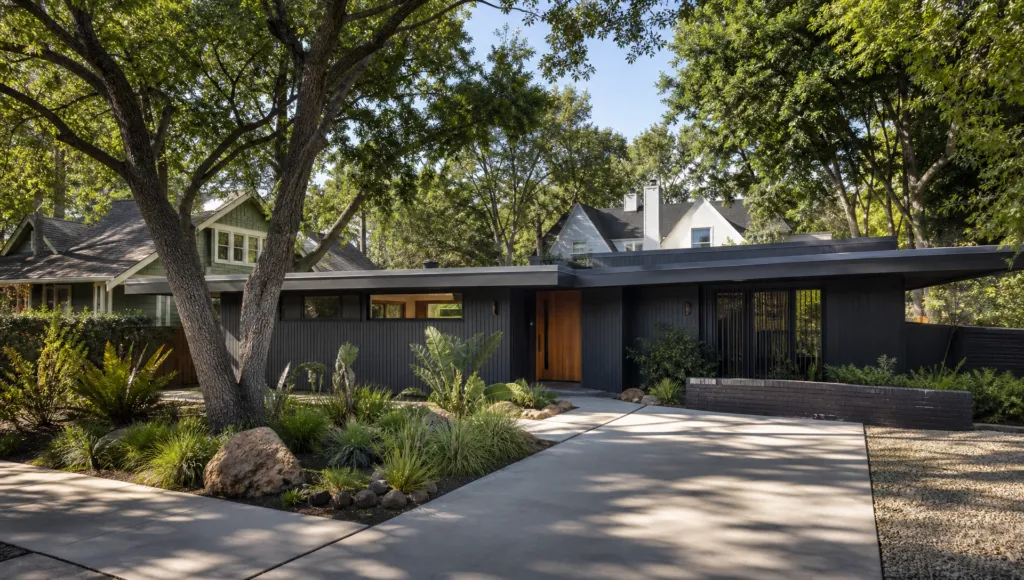
The spectrum of investment across these ten projects reveals something counterintuitive about construction costs and value creation. At the lower end, a New York art collector accomplished a complete apartment renovation for just $52,000, while at the upper range, a Los Angeles homeowner invested $1.6 million in a home addition that included an accessory dwelling unit.
What makes the smaller projects particularly noteworthy is their efficiency in delivering transformative results with minimal financial outlay. The $52,000 New York renovation and the $55,000 West Virginia cabin restoration both achieved complete spatial transformations that fundamentally changed how the spaces function and feel.
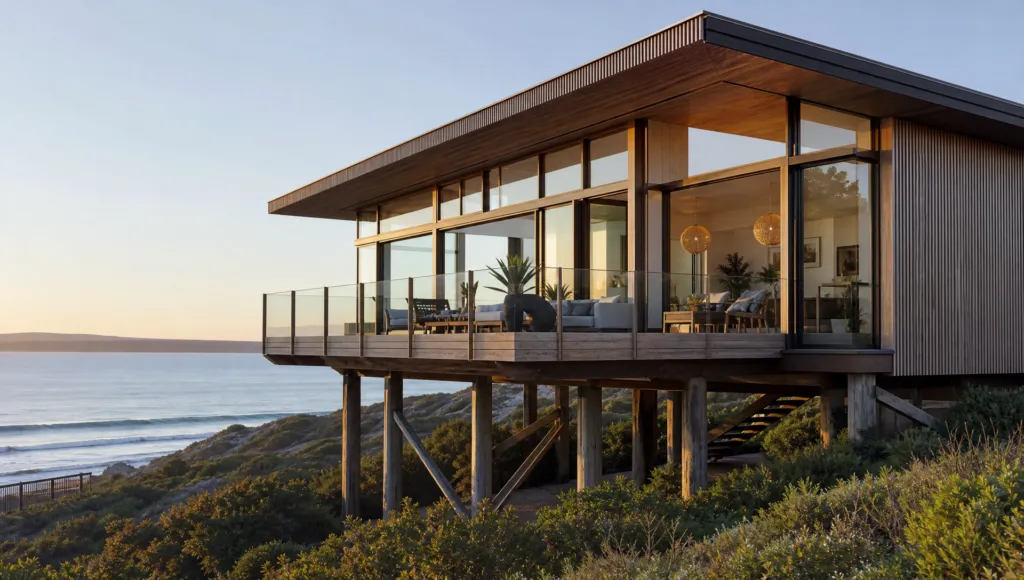
These modest budgets succeeded through careful material selection, creative problem-solving, and willingness to work within existing structural constraints rather than fighting against them. The Wisconsin couple’s Newfoundland saltbox retirement home incorporated floor-to-ceiling windows that maximized natural light and views, proving that thoughtful design choices can create luxury experiences without luxury price tags. Meanwhile, the $270,000 Australian beach house built on stilts demonstrates how regional building requirements can be turned into distinctive design features rather than budget obstacles.
The Hidden Costs They Didn’t Expect (And the One Thing That Saved Them Thousands)
Nearly every project encountered unexpected expenses that threatened to derail carefully planned budgets, yet the most successful homeowners had built flexibility into their financial planning from the outset. Structural surprises, code compliance issues, and material availability challenges emerged as common themes across multiple projects regardless of their geographic locations.
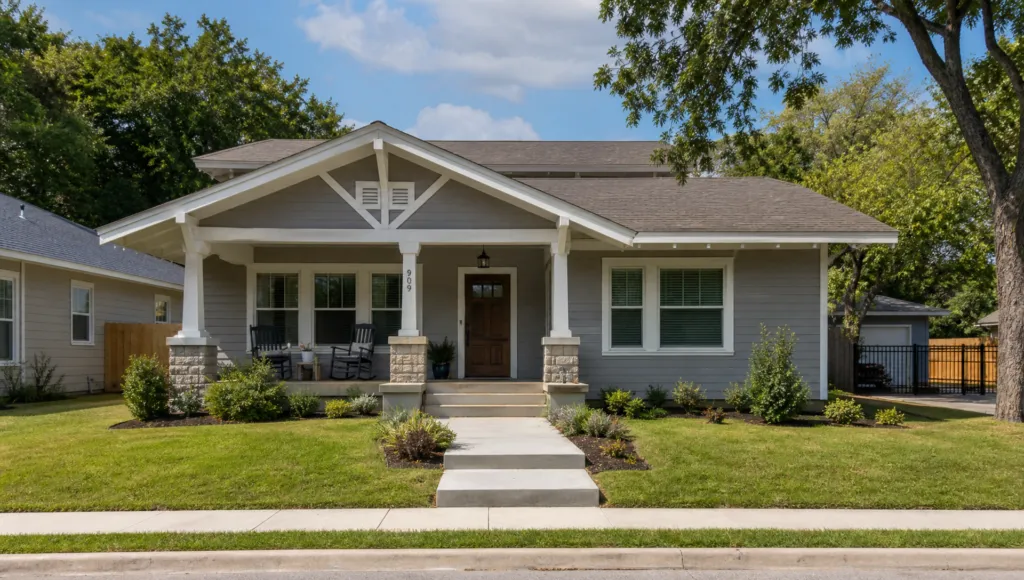
The Texas bungalow expansion, which exceeded $500,000 and included a cleverly hidden second story, faced challenges in maintaining the home’s original character while meeting modern building standards. Similarly, the $230,000 Los Angeles garage-to-guesthouse conversion required navigating complex zoning regulations that added both time and expense to the project timeline.
However, the single most effective cost-saving strategy across all projects involved preserving and repurposing existing materials and structures wherever possible. This approach not only reduced material costs and construction waste but also maintained architectural continuity that would have been expensive to recreate. The Parisian cottage renovation and Portland kitchen remodel both exemplified this principle, integrating original elements into updated designs that feel both fresh and rooted in their histories.
What Really Happens When You Ignore the Budget Rules Everyone Follows
Several projects in this collection succeeded precisely because their owners chose to challenge conventional wisdom about how construction budgets should be allocated. Traditional advice suggests distributing funds relatively evenly across all project components, but these homeowners concentrated resources on specific elements that mattered most to their particular situations.
The Silver Lake tiny accessory dwelling unit and the Netherlands prefab office addition both rejected standard construction approaches in favor of innovative solutions that better served their unique requirements. The Vancouver live-work photographer’s studio similarly prioritized functional needs over aesthetic conventions, creating a space that works exceptionally well for its intended purpose even if it doesn’t follow typical residential design patterns.
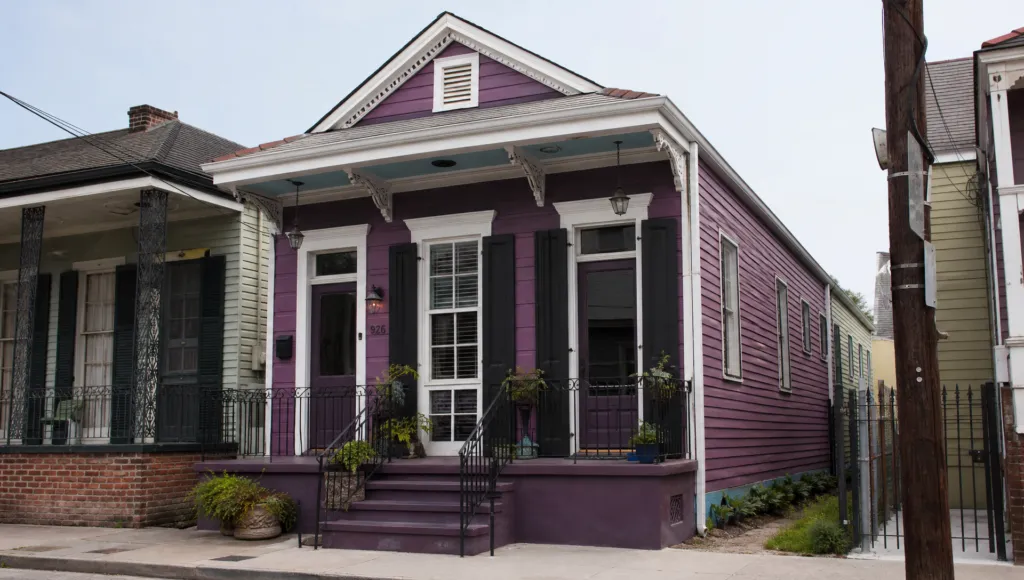
This willingness to deviate from established norms extended to material choices, construction methods, and even project timelines. The New Orleans shotgun house renovation embraced the distinctive architectural style that defines the region rather than attempting to modernize it beyond recognition. By working with rather than against the inherent characteristics of each property, these homeowners achieved results that feel authentic and purposeful rather than generic or formulaic.
The Final Numbers: Which Investment Actually Paid Off?
Evaluating the success of these projects requires looking beyond simple cost-per-square-foot calculations to consider how well each investment serves its owners’ specific needs and goals. The $1.6 million Los Angeles addition delivers not just expanded living space but also rental income potential through its accessory dwelling unit, fundamentally changing the property’s financial equation.
Mid-range investments like the $312,000 Pasadena renovation and the $270,000 Australian beach house represent sweet spots where substantial transformation becomes possible without entering luxury construction territory. These projects achieved professional-quality results while maintaining reasonable budgets through smart planning and selective splurging on elements that deliver lasting value.
The smallest projects prove that meaningful transformation doesn’t require massive budgets when vision and effort align properly. Whether investing $52,000 or $1.6 million, the common thread among successful projects remains the same: clear priorities, realistic expectations, and willingness to make thoughtful compromises that preserve what matters most while letting go of less essential elements. The architectural legacy of regions like Pasadena, where landmarks such as the Gamble House have inspired generations of builders since 1908, demonstrates that timeless design principles transcend budget constraints when applied with care and intention.