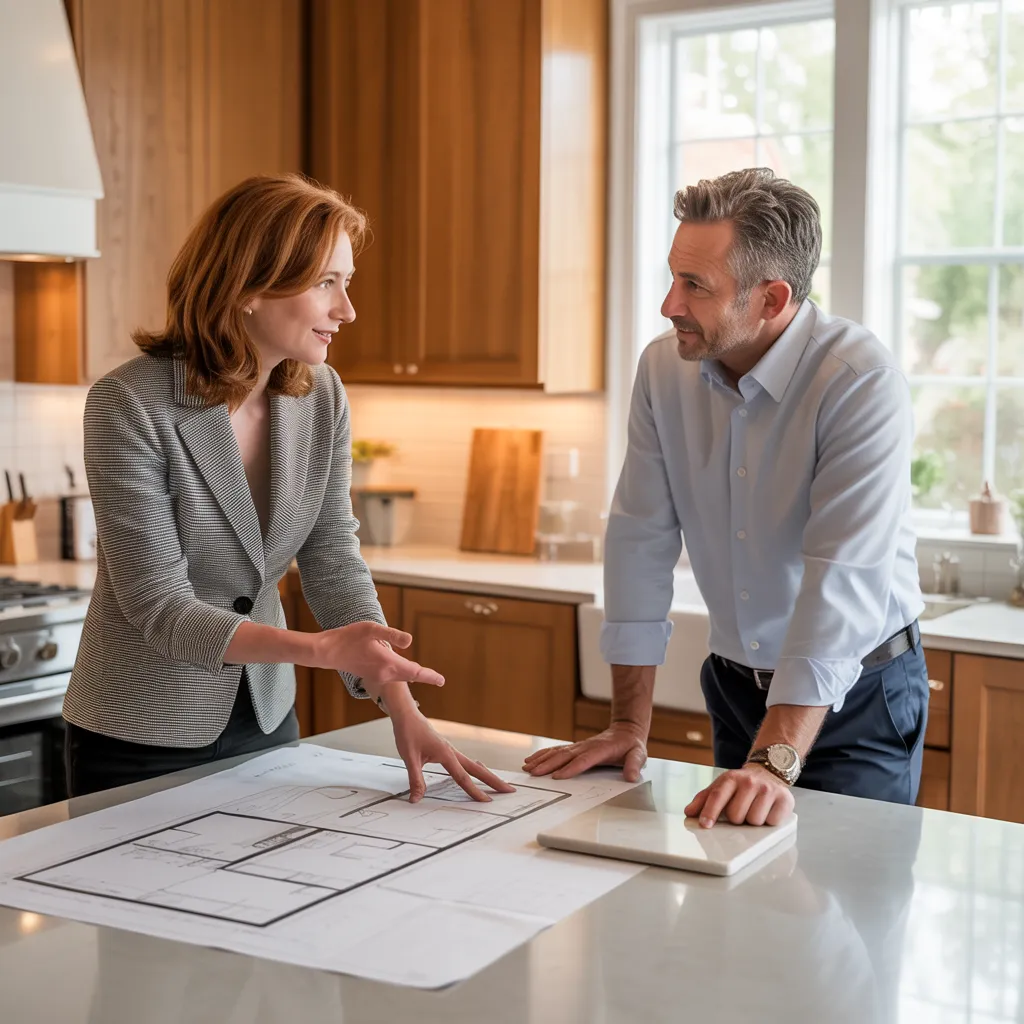
Most homeowners start their remodeling projects with optimism—only to face sticker shock when the bills come in. That initial contractor estimate?
It rarely tells the complete story. Hidden expenses hide behind walls: structural damage that needs reinforcement, outdated electrical systems that don’t meet current codes, aging plumbing that requires replacing, or surprise discoveries like asbestos or mold.
Then there’s the unpredictability of material costs. Lumber, copper, and specialty fixtures fluctuate wildly, especially in today’s volatile market.
The real toll goes beyond your budget—those cost overruns affect your decisions, forcing you to choose between cutting corners on quality or putting the project on hold.
Take kitchen remodels, one of the most common renovation projects. Beyond cabinetry, you’re looking at design fees, labor, countertops, flooring, tile, paint, appliances, sinks, faucets, and lighting. Each component has its own price range and variables.
Whether you’re renovating an existing structure or building new completely changes your financial picture. Renovations typically cost less upfront but carry more uncertainty—new construction costs more but offers predictability.
The U.S. home improvement market represents nearly $300 billion annually, with projects averaging around $3,000, showing just how diverse homeowner investments are. That’s why setting a realistic budget from the start isn’t just accounting—it’s protecting your project from financial derailment and unfinished spaces.
Why Your Contractor Choice Could Make or Break Everything
Choosing a contractor might be the single most important decision in your remodeling journey.
This choice determines your project’s quality, timeline, communication, and whether unexpected problems get handled professionally or negligently.
Here are eight critical criteria that separate trustworthy professionals from those who create costly headaches:
- Verify licensing and insurance – These aren’t bureaucratic boxes; they’re your protection.
- Confirm permit handling – Contractors who avoid permits are waving red flags.
- Check references thoroughly – Ask recent clients about their experience and look for patterns in online reviews.
- Request itemized estimates – You need detailed breakdowns of labor, materials, and timelines for accurate comparison.
- Ensure local experience – Established teams with local knowledge beat freelance operations.
- Meet your actual supervisor – Confirm the person you’re meeting will oversee your work, not pass it to unknown subcontractors.
- Lock in realistic timelines – Document milestone expectations upfront.
- Insist on a detailed written contract – Before any work begins, get everything in writing: scope, payment schedules, contingencies, and dispute resolution.
That written contract protects you far more effectively than handshakes or verbal agreements.

The Blueprint Every Successful Remodel Needs Before Day One
Planning is what transforms rewarding remodeling experiences from overwhelming nightmares that drain your finances and emotional energy. A solid project blueprint addresses multiple interconnected elements that most homeowners overlook.
- Material Selection Matters – Spend real time researching options, durability, maintenance requirements, and how they’ll look in your space. Durable choices like quality laminate and engineered flooring offer longevity without sacrificing design. This prevents costly mistakes and regrettable choices you’ll live with for years.
- Get Realistic About Timelines – Ambitious schedules often crumble against permit delays, inspection scheduling, and material availability. Build in buffers.
- Plan for Long-Term Living – Think beyond aesthetics. Consider functional space planning, flexible layouts that adapt to your family’s evolving needs, and whether changes will actually improve daily living.
- Understand Permit Requirements – Many projects require building permits to ensure compliance with local codes and safety standards. Fees typically start around $50 but vary by location and scope. Inspections happen at multiple stages—failing inspection means costly rework.
- Build in Contingencies – Realistic buffers for unexpected discoveries transform your blueprint from fragile hope into resilient strategy. Unexpected complications are nearly guaranteed in remodels.
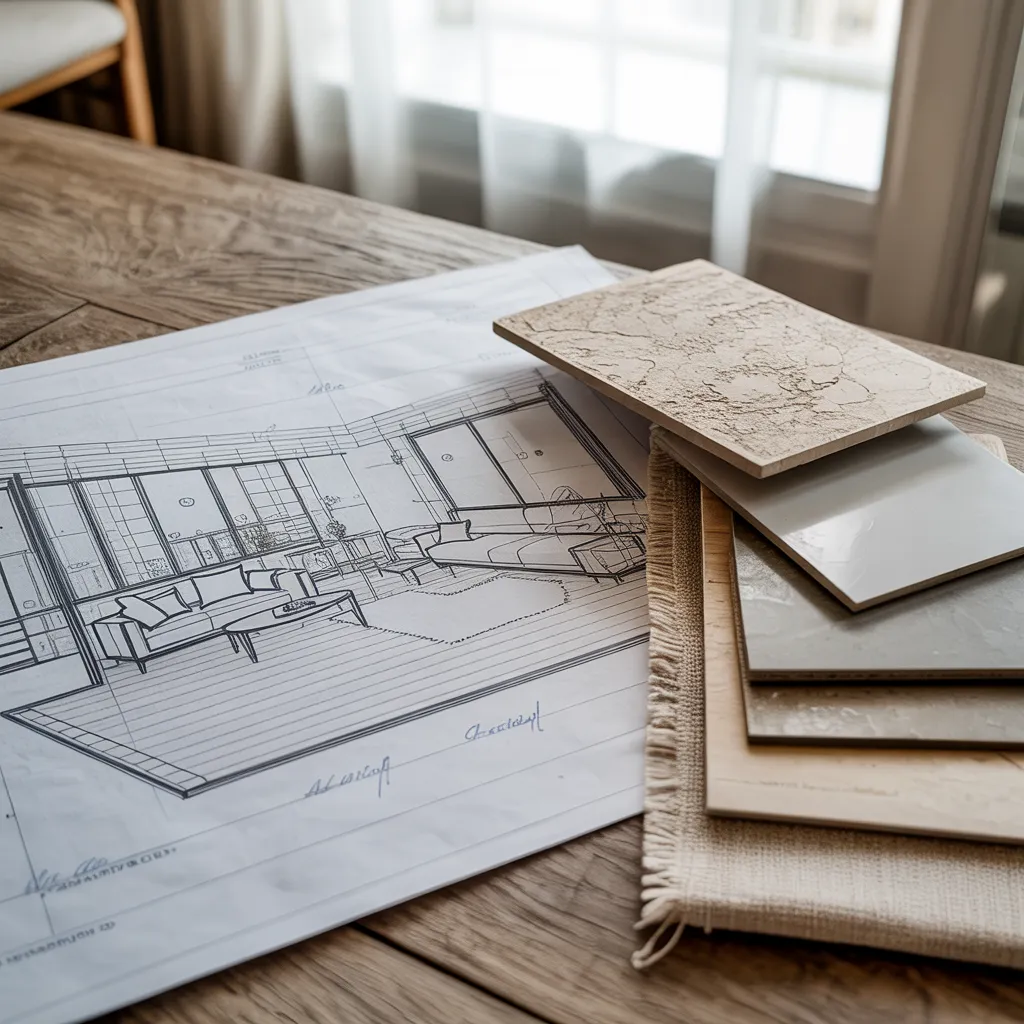
Renovation vs. New Construction: Which Path Actually Saves You Money?
Deciding between renovating and building new hinges on costs, timelines, and financing—and the answer varies dramatically based on your situation.
Renovation Advantages: Lower entry costs make renovations accessible if you’re working with limited capital. You’re preserving existing foundations, roofs, and infrastructure, theoretically eliminating major expenses.
The Renovation Catch: This advantage vanishes if structural problems emerge. Discovered mold, failing foundations, or code violations can make renovations cost more than starting new.
New Construction Advantages: While it demands substantial upfront capital, you get remarkable price predictability. You know exactly what’s going in, eliminating unpleasant surprises.
Timeline Differences: Renovations often extend beyond estimates due to hidden complications. New construction follows more predictable schedules. In North America, where residential renovation is a $48 billion industry with average projects ranging from $11,000–$15,000, homeowners increasingly combine comfort upgrades (HVAC systems, energy efficiency) with space creation and modern technologies that reduce long-term operational costs.
Financing Matters: Renovation loans work differently than new construction mortgages. Your creditworthiness and existing home equity influence your available options substantially. Understanding this comparison early prevents expensive pivots after committing to the wrong direction—a costly mistake many homeowners discover too late.
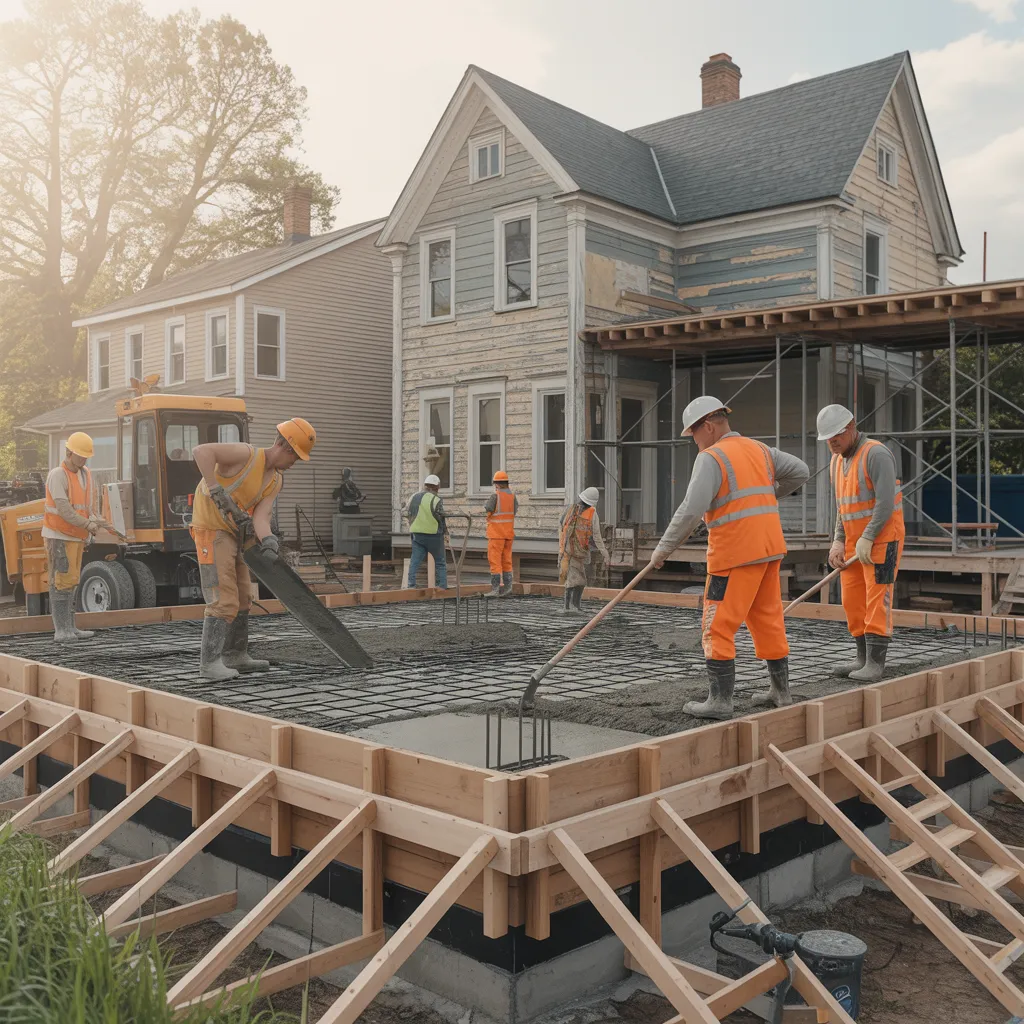
Design Excellence: Creating Spaces That Look Beautiful and Function Flawlessly
Beyond budgets and contractors, exceptional remodeling requires thoughtful design that balances aesthetic appeal with how your family actually lives.
- Strategic Space Planning – The foundation of successful remodeling, especially in kitchens and bathrooms. Professional designers create flexible layouts that adapt to your family’s evolving needs while maximizing visual spaciousness through clever reorganization and elements like concealed doors and multi-purpose zones.
- Lighting Transforms Everything – Maximize natural light through strategic window placement and glass elements. This enhances spaciousness while improving overall ambiance. Thoughtful artificial lighting complements your color palette and creates the proper atmosphere.
- Color and Design Elements – Pale walls and ceilings combined with linear design elements amplify the perception of spaciousness and create visual continuity. These choices cost nothing extra but dramatically impact how your space feels.
- Balance Form and Function – The best renovations serve both practical needs and visual appeal. Consider how changes improve daily living, not just appearance. Interior design photography helps you visualize choices before execution and communicate your vision clearly with contractors.
- Modern Efficiency Upgrades – Today’s remodeling increasingly incorporates retrofitting for energy efficiency, water conservation, and smart technologies. These enhancements boost functionality and sustainability while reducing long-term operational costs.
A comprehensive design approach transforms remodeling from purely financial exercise into an opportunity to create environments that genuinely enhance your lifestyle.