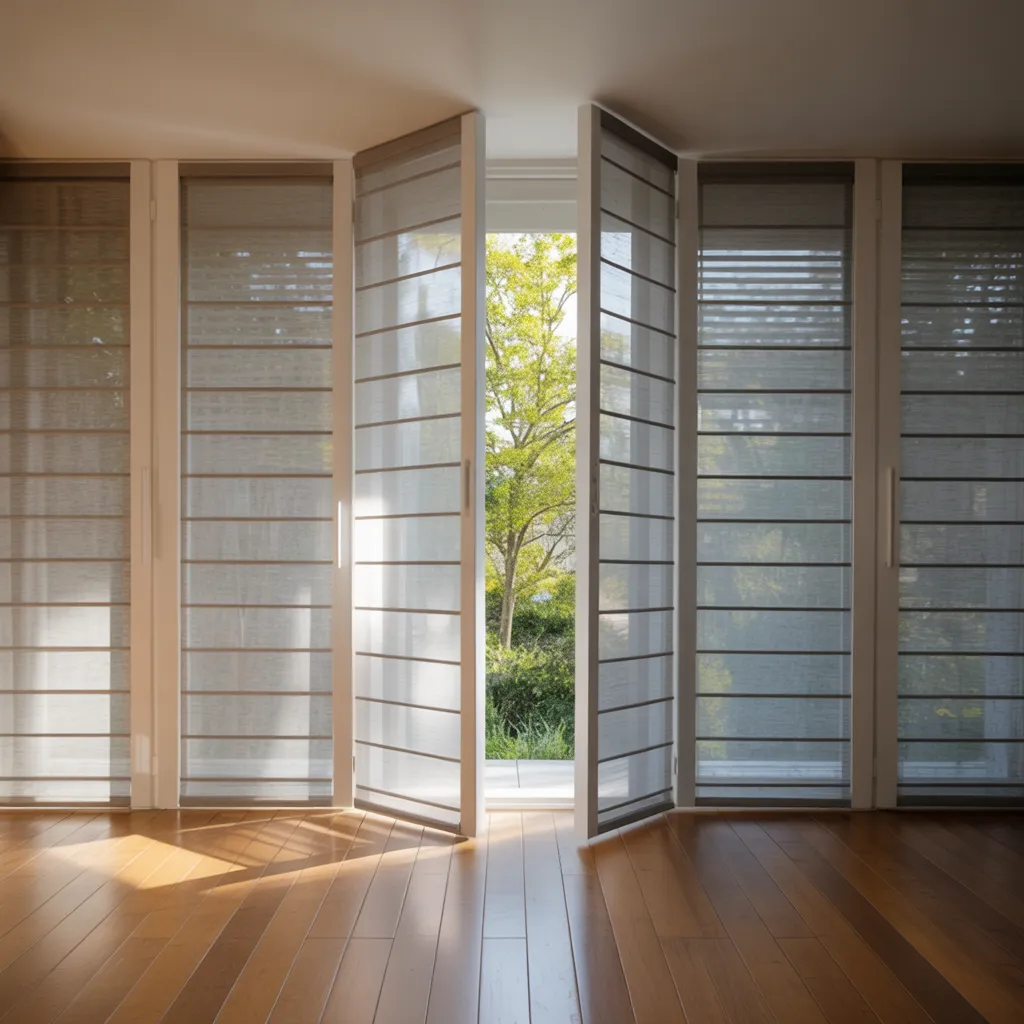
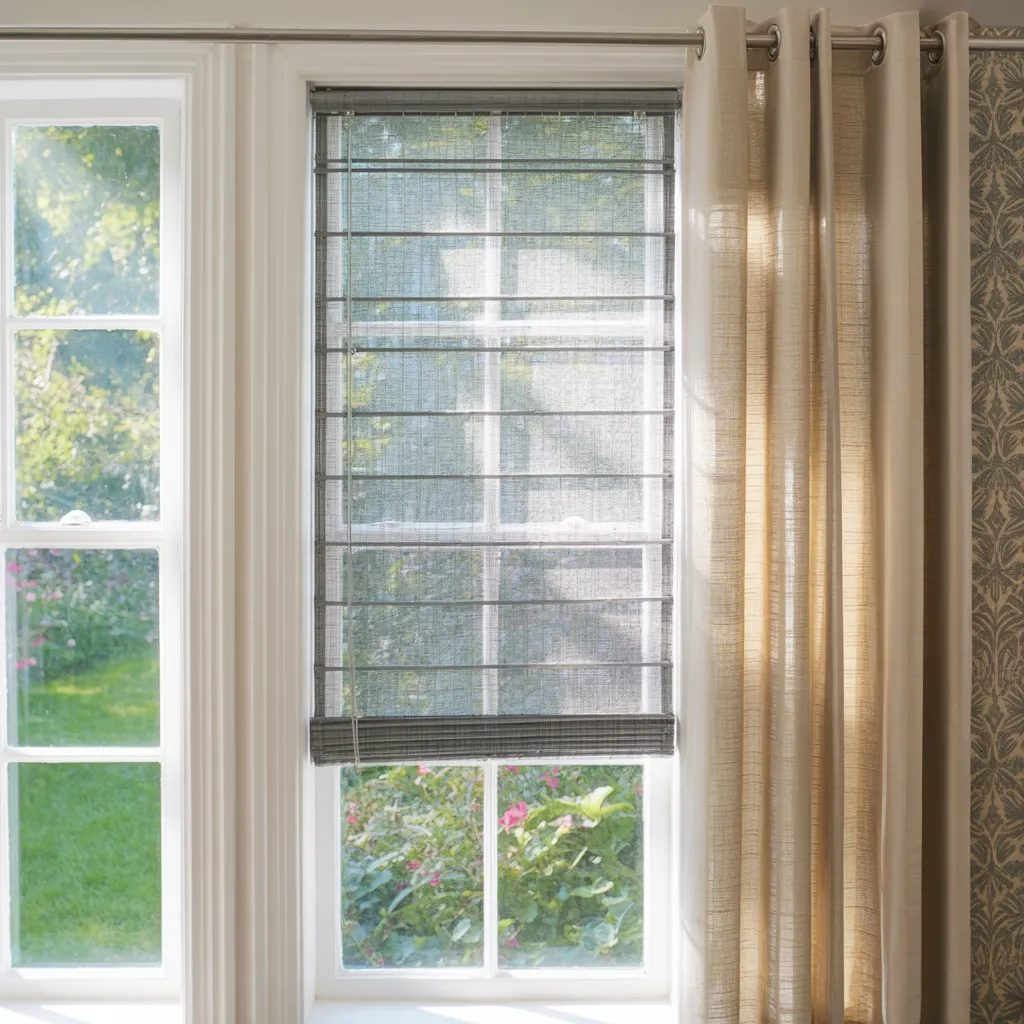
Window treatments are so much more than functional barriers—they’re actually the visual foundation of any interior space. Yet they’re constantly overlooked or treated as afterthoughts.
Here’s the reality: your window dressing choices can either elevate an entire room or quietly undermine years of thoughtful design work. Even the most beautiful color palettes, carefully selected furniture, and curated décor fall flat when paired with inadequate or outdated window treatments.
Think of window treatments as doing triple duty: they manage light, establish mood, define architectural lines, anchor your room’s composition, and handle privacy and insulation all at once.
When bare windows stare back at you or institutional roller shades dominate your view, the message is unmistakable—incompleteness and wasted potential.
Modern design has undergone a real shift here. Windows aren’t afterthoughts anymore; they’re primary design statements that deserve the same strategic attention you’d give to flooring or wall color.
Today’s sophisticated interiors require sophisticated window solutions that go far beyond decoration to influence how spaces actually feel, function, and communicate your style.
The investment pays off tremendously through improved aesthetics and enhanced functionality.
The Four Window Treatment Mistakes to Avoid
Interior designers have pretty much agreed on four window treatment approaches that instantly date a space or make it feel unfinished.
- Bare windows: Completely uncovered windows communicate indifference to design. They feel disconnected and unfinished, missing the opportunity to anchor your room’s visual composition and manage light strategically.
- Commercial roller shades: Those utilitarian plastic-backed fixtures from offices instantly bring institutional blandness into residential spaces. They prioritize pure function so completely that aesthetics simply disappear.
- Eyelet/grommet curtains: These heavily perforated styles dominated early 2000s design but now read as dated. The metal-ringed circular holes felt contemporary then—not anymore.
- Over-coordinated “matchy-matchy” treatments: When everything perfectly matches everything else, it actually signals a lack of design confidence rather than sophistication. Layered, intentional complexity reads as far more refined.
The surprising part? Most people making these choices don’t realize the impact.
They’re typically unaware of how dramatically these selections diminish their overall design investment and the perceived refinement of their spaces.
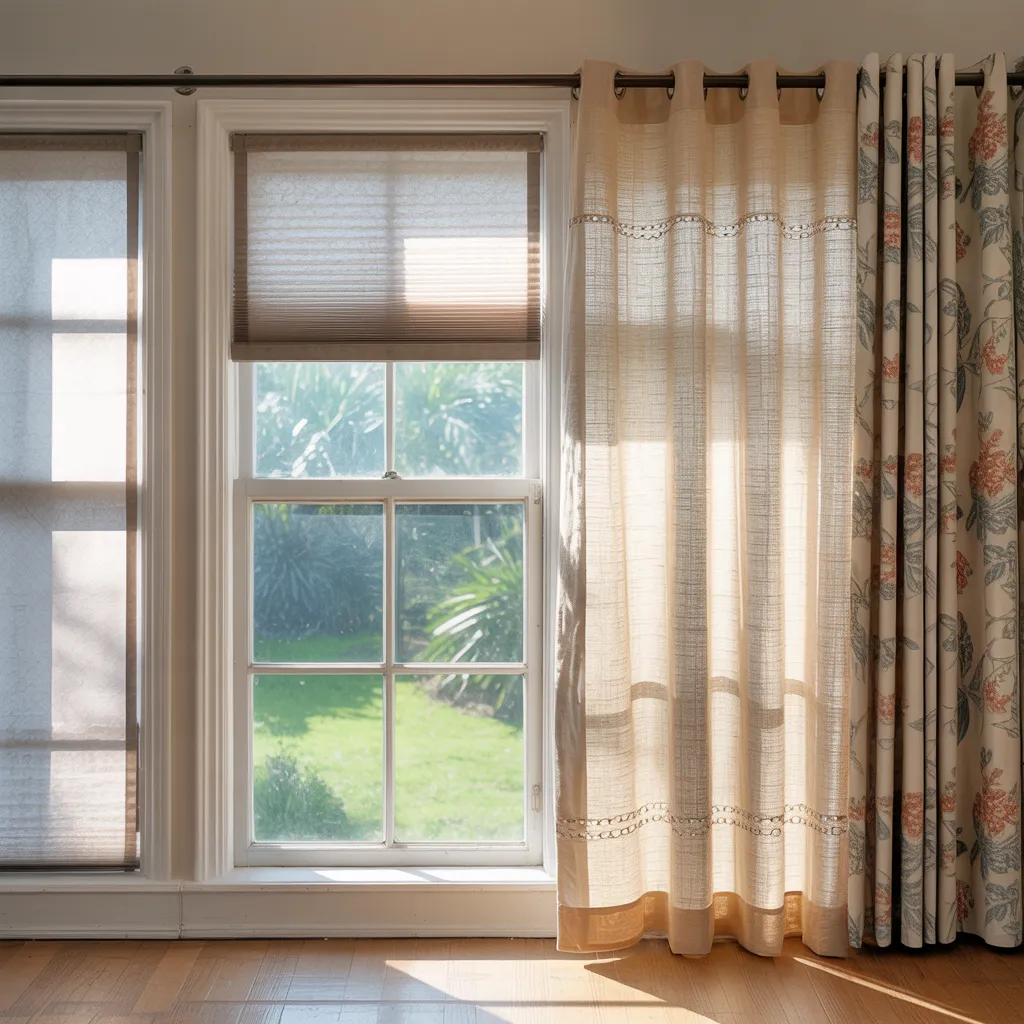
The Secret to Elevated Windows: Layering, Texture, and Intentional Coordination
Sophisticated window treatments center on three interconnected principles that transform ordinary windows into refined room anchors.
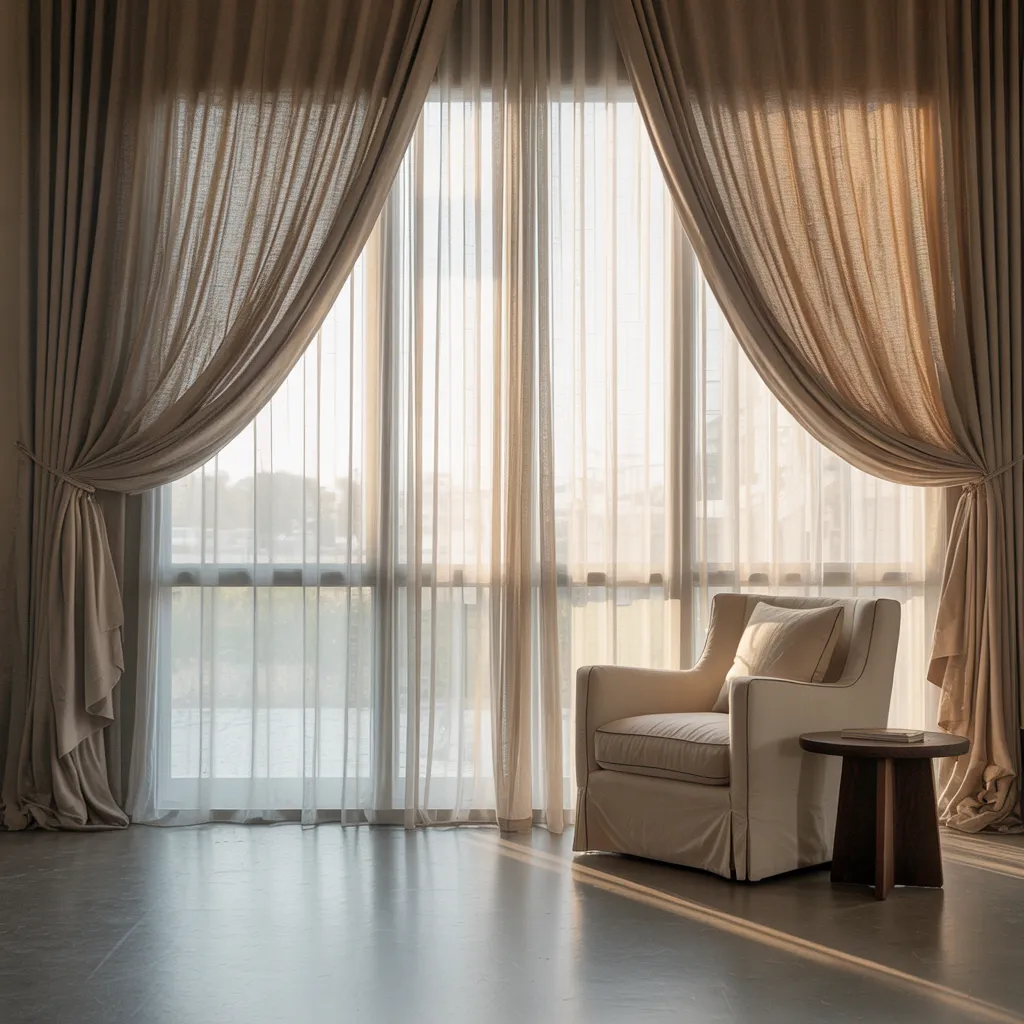
Layering combines multiple treatments—sheer curtains beneath heavier drapes or Roman shades paired with elegant valances—to create dimensional depth and visual complexity. Lined curtains provide superior light control and insulation, while unlined sheers offer lightweight, translucent aesthetics. Sheer fabrics (polyester, silk, or nylon) allow light with UV protection, while tightly woven uncoated fabrics absorb light and provide heat insulation.
Texture prevents the flatness of single-treatment approaches. Natural fibers like linen and cotton offer timeless appeal and durability, while performance fabrics deliver functionality without sacrificing beauty. Varied fabric weights and weaves add tactile richness visible throughout the room.
Strategic coordination (distinctly different from matching) involves selecting complementary colors, patterns, and styles that work harmoniously without appearing stiffly identical. Two-tone curtains using contrasting color blocks create visual interest while subtly adjusting perceived room proportions. Back tab curtains offer sophisticated architectural detail. Relaxed Roman shades provide structure without rigidity.
Together, these reveal how professional designers think about windows as integral spatial components.
Window Solutions for Every Room: From Bedrooms to Living Spaces
Effective window treatments balance three considerations: function, fabric selection, and proper fit.
- Kitchens benefit from relaxed café curtains providing privacy at eye level while maintaining openness above.
- Bedrooms shine with layered approaches: blackout Roman shades (crafted from tightly woven fabrics, sometimes with coated backing for maximum darkness) paired with flowing linen curtains for elegant daytime softness.
- Living rooms showcase coordinated but distinct treatments like panel pair curtains (double panels on either side) or natural linen drapes with subtle patterned shades.
- Hanging styles offer different aesthetics: flat panel clips provide simplicity; rod pocket curtains deliver refined elegance; tab top curtains offer casual sophistication; pencil pleat curtains create structured elegance through corded tape; pinch pleat curtains showcase precise machine-stitched pleats.
- Fabrics shape everything: cotton offers soft, durable versatility; silk provides luxurious formality; polyester delivers affordability and easy care. Blended fabrics combine multiple benefits.
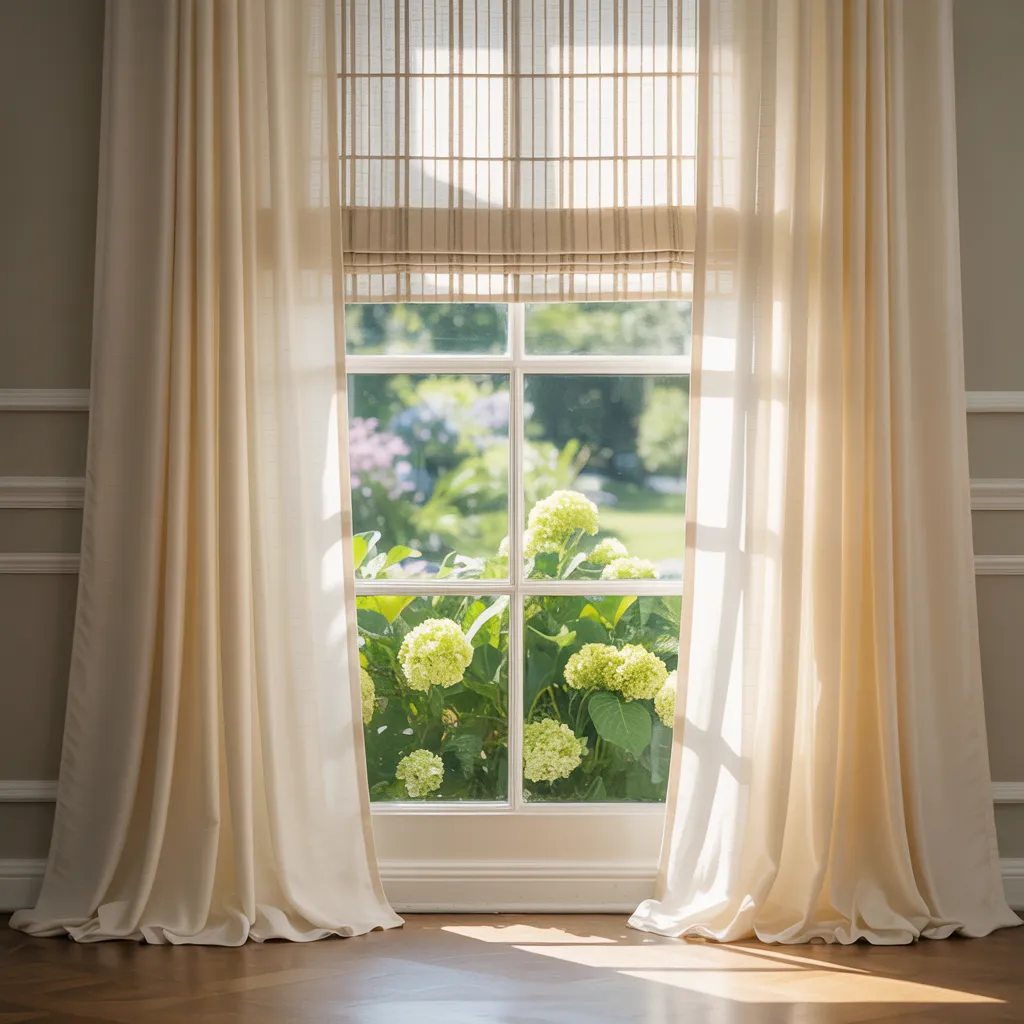
- Proper fit is non-negotiable—treatments ending precisely at the floor or windowsill communicate attention to detail far more than awkwardly pooling fabric. Custom solutions professionally hung on appropriate rods consistently deliver superior results.
Why Window Treatments Matter Now More Than Ever
Window treatments have fundamentally transformed from purely functional necessities into primary design statements. Today, your window choices communicate design literacy, confidence, and spatial awareness. They’ve transcended their original role of managing sunlight, privacy, and weatherproofing to become dynamic design elements that work harder than ever.
Modern smart shades exemplify this evolution—automated blinds now adapt to changing light and temperature while maintaining aesthetic sophistication, optimizing comfort and energy efficiency without sacrificing style.
This revolution has democratized designer-level thinking, with accessible information enabling informed decisions previously limited to professionals. Contemporary design increasingly recognizes window treatments as multi-functional elements delivering style, privacy, and functionality simultaneously.
Two-tone curtains exemplify this, offering aesthetic innovation while enhancing room proportions.
As design philosophy emphasizes authenticity over perfection, relaxed yet refined window treatments have become the embodiment of modern sophistication—casual enough to feel genuinely lived-in, yet intentional enough to demonstrate curated taste.
The investment in thoughtful window treatments pays dividends through improved aesthetics and spatial presence that ripple throughout your entire home. By making intentional choices today and moving beyond outdated approaches, you create environments genuinely reflecting your design sensibility.