Here’s something I see happen constantly: homeowners excitedly adopt a trending design element, only to realize it’s actually working against their space. It’s not about lack of taste—it’s about understanding how design fundamentals interact with real living.
Oversized furniture, excessive pattern layering, and overly bold color choices are common culprits. They visually shrink rooms and create sensory overload rather than the sophistication you’re aiming for.
Color especially matters here—it profoundly affects how we think, feel, and perceive our environments. Strategic color application isn’t about following rules; it’s about intentionality. Where design goes wrong: ornate crown molding, heavy drapes, and cluttered displays create visual fatigue.
What photographs beautifully on Instagram often feels overwhelming and chaotic in actual living spaces. Contemporary design has moved toward clean, streamlined approaches with neutral foundations and strategic accent lighting—not because maximalism is “bad,” but because this approach creates calm, sophisticated environments.
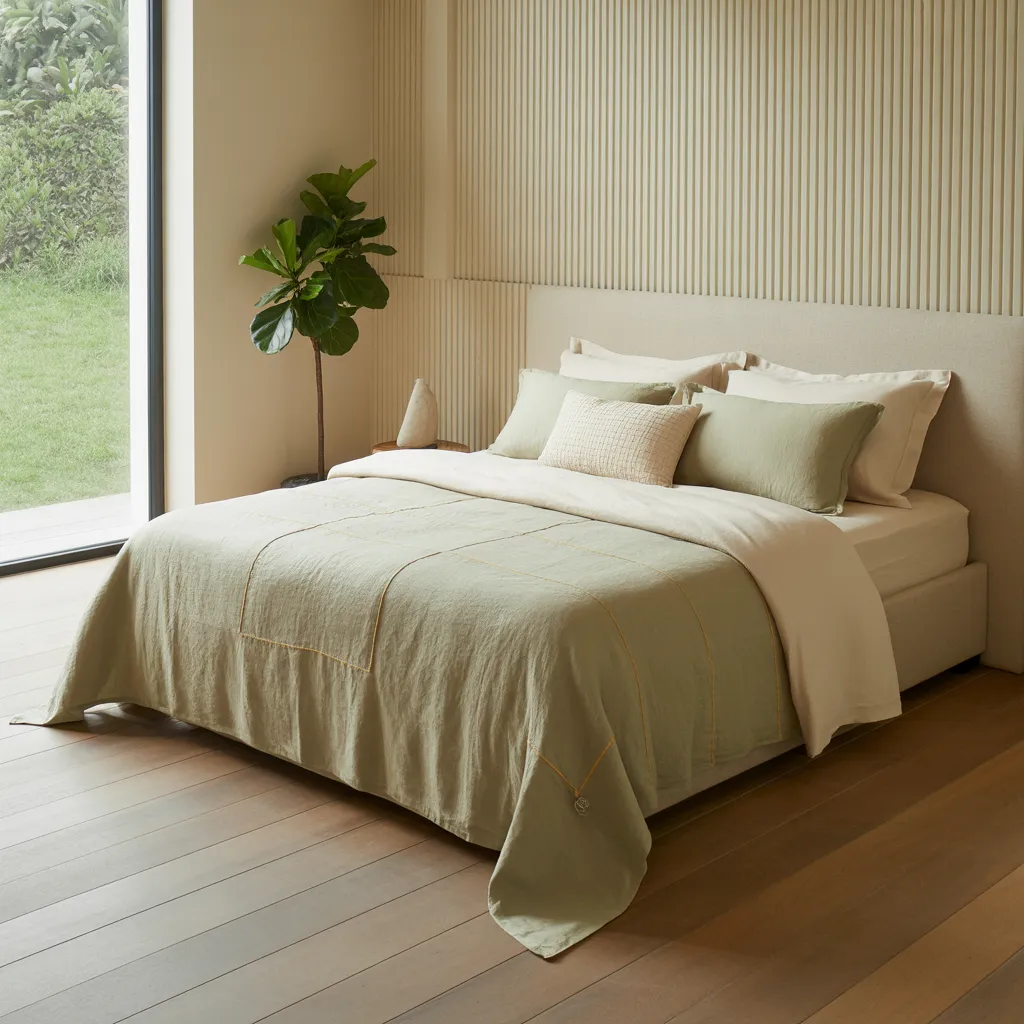
Looking ahead, dark cabinetry, flat walls, and minimalist bedding will likely feel dated by 2026. The common thread? Designs lacking intentionality and restraint.
The difference between a designer-curated space and an overdecorated one comes down to knowing when to stop—understanding what to include and, more importantly, what to leave out.
Hidden Gems: What Interior Designers Actually Buy at Thrift Stores and Antique Shops
Professional decorators have a secret advantage: they know where to find authentic style that mass-market retailers simply can’t replicate. Thrift stores and antique shops are treasure troves if you know what to look for.
What designers prioritize:
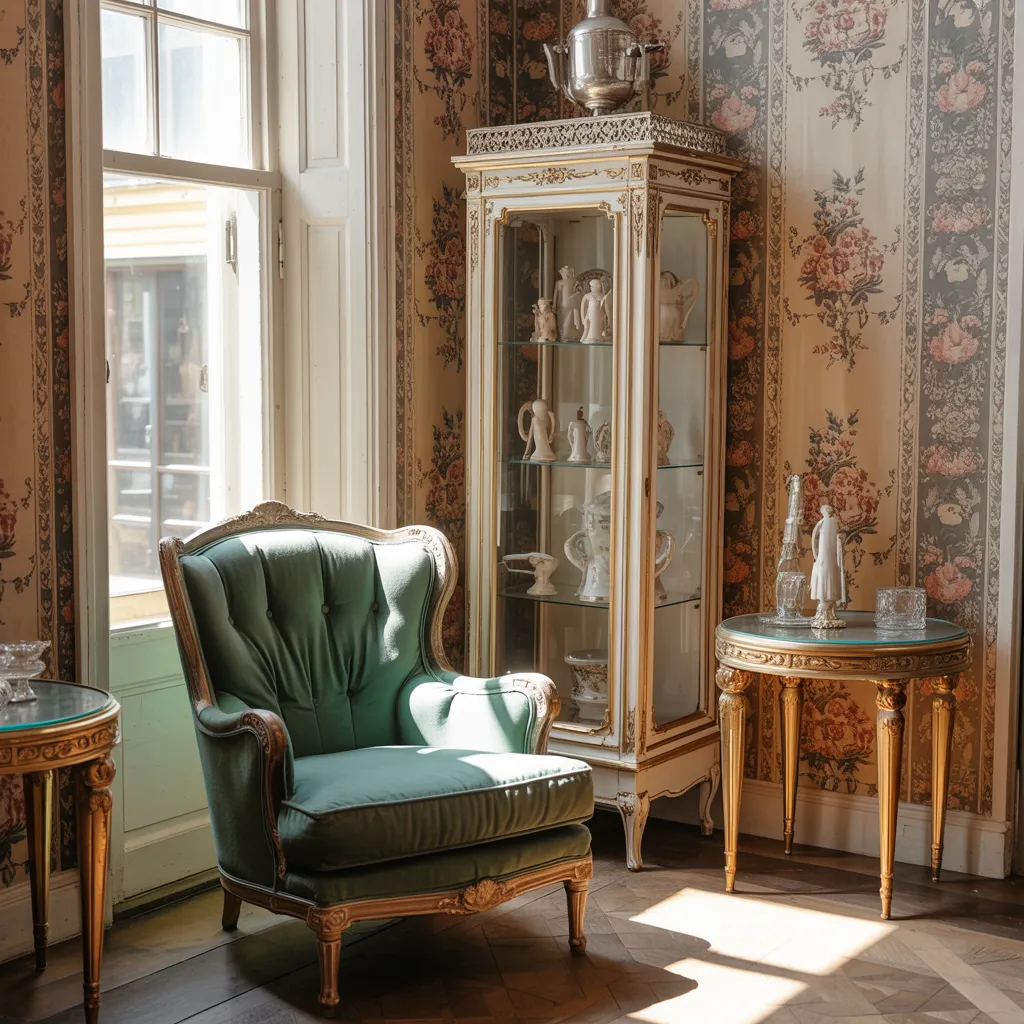
- Vintage wallpaper: Authentic patterns from past decades add character at a fraction of original costs.
- Mixed metal pieces: Brass, copper, and pewter layered intentionally create sophisticated depth.
- Statement furniture: Unique chairs, console tables, ornate mirrors become transformative focal points.
- Quality vintage finds: Craftsmanship often surpasses contemporary alternatives Why this approach works: secondhand shopping delivers maximum impact for minimal investment.
You’re combining quality materials with sustainability—a preference increasingly important to thoughtful decorators. The magic happens when you pair one exceptional secondhand piece with contemporary furnishings.
This intentional visual tension creates personality without feeling chaotic.
This approach democratizes luxury interior design. You don’t need a massive budget to create spaces that feel curated and sophisticated. You need vision, patience, and knowing where to hunt.
Start by visiting thrift stores regularly—you develop an eye for quality and learn what translates into actual design impact versus what stays in the shop.
The Throw Pillow Mystery: Why Less Is Actually More
Throw pillows might be the most misunderstood decorating element. I constantly see couches drowning beneath excessive pillows—so many that you actually can’t sit on the sofa without removing half of them. That’s your first clue something’s gone wrong.
Too many pillows trigger unconscious feelings of chaos in spaces meant for rest and relaxation. Your brain registers visual clutter, even if you can’t quite articulate why the room feels off.
Here’s what actually works:
- Standard three-cushion couches: Two to three pillows maximum, strategically arranged.
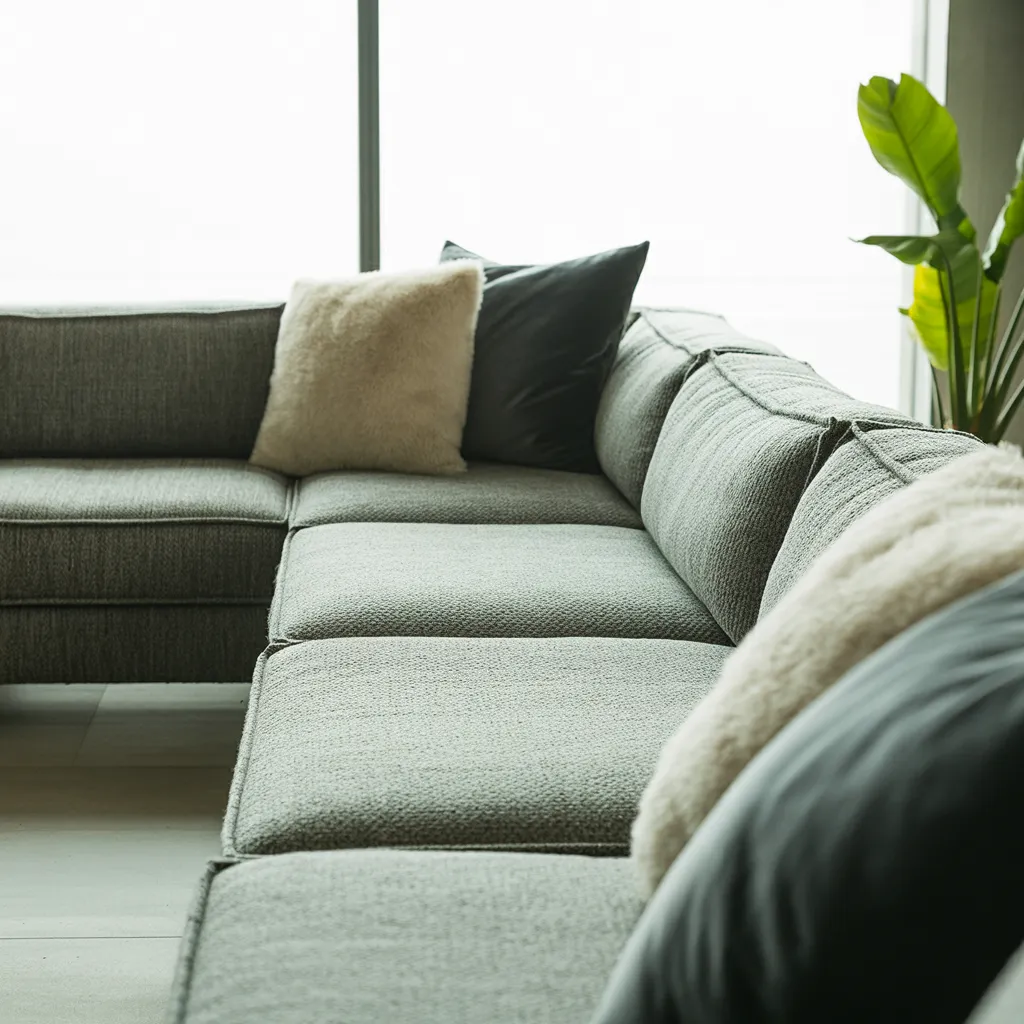
- Gray sectionals: Benefit particularly from restrained styling—they can handle minimal pillow presence beautifully.
- Larger sectionals: Four to five pillows while maintaining visual balance.
Arrangement matters equally:
- Symmetrical placement feels formal and structured.
- Asymmetrical styling appears intentional and modern.
- Odd numbers (one, three, five) create visual interest.
Quality over quantity: One beautiful, well-chosen pillow with interesting texture or color creates more sophistication than five mediocre ones. Focus on fabric quality, thoughtful color coordination, and complementary patterns. When pillows feel intentional rather than excessive, they transform from visual clutter into design elements that actually enhance your space.
Small Space, Big Impact: Layout Secrets That Transform Tiny Apartments
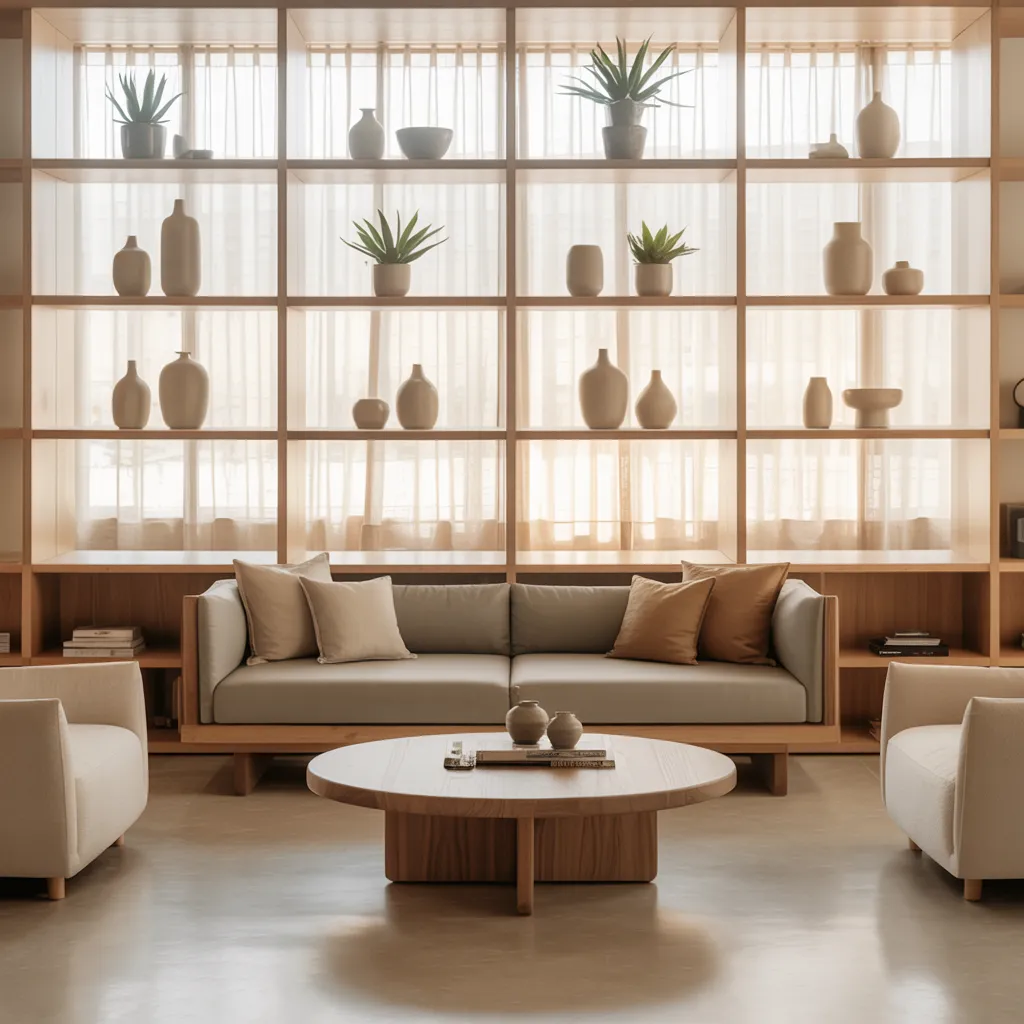
Small apartments present real challenges, but common design mistakes make them feel even smaller. The good news? Strategic adjustments create dramatic transformation without expensive renovations.
The biggest space-shrinking mistakes: Oversized furniture consumes valuable floor space and creates unwelcoming, cramped environments. Even one wrong furniture choice can diminish perceived room dimensions significantly.
Furniture and layout strategies:
- Elevated pieces with visible legs: Floating nightstands, furniture with open undersides create visual lightness.
- Multifunctional furniture: Storage ottomans, sofa beds, nesting tables maximize function in limited square footage.
- Wall-mounted shelving: Preserves floor space while adding storage and visual interest.
- Strategic bed placement: Position away from walls, use floating nightstands, maximize vertical storage.
Light amplifies space:
- Natural light is your best tool—keep windows clear and use light window treatments.
- Mirrors placed strategically reflect light and create depth illusions.
- Layered artificial lighting (overhead, task, accent) enhances spatial perception.
- Warm neutrals with intentional accent colors feel spacious rather than bland.
Clear pathways matter more than you’d think: Traffic flow patterns determine whether layouts feel spacious or claustrophobic. Ensure routes through rooms are clear and logical. Strategic arrangement opens visual lines of sight, making even small spaces feel functional and inviting.
These principles require no structural changes, just thoughtful planning and intentional choices.
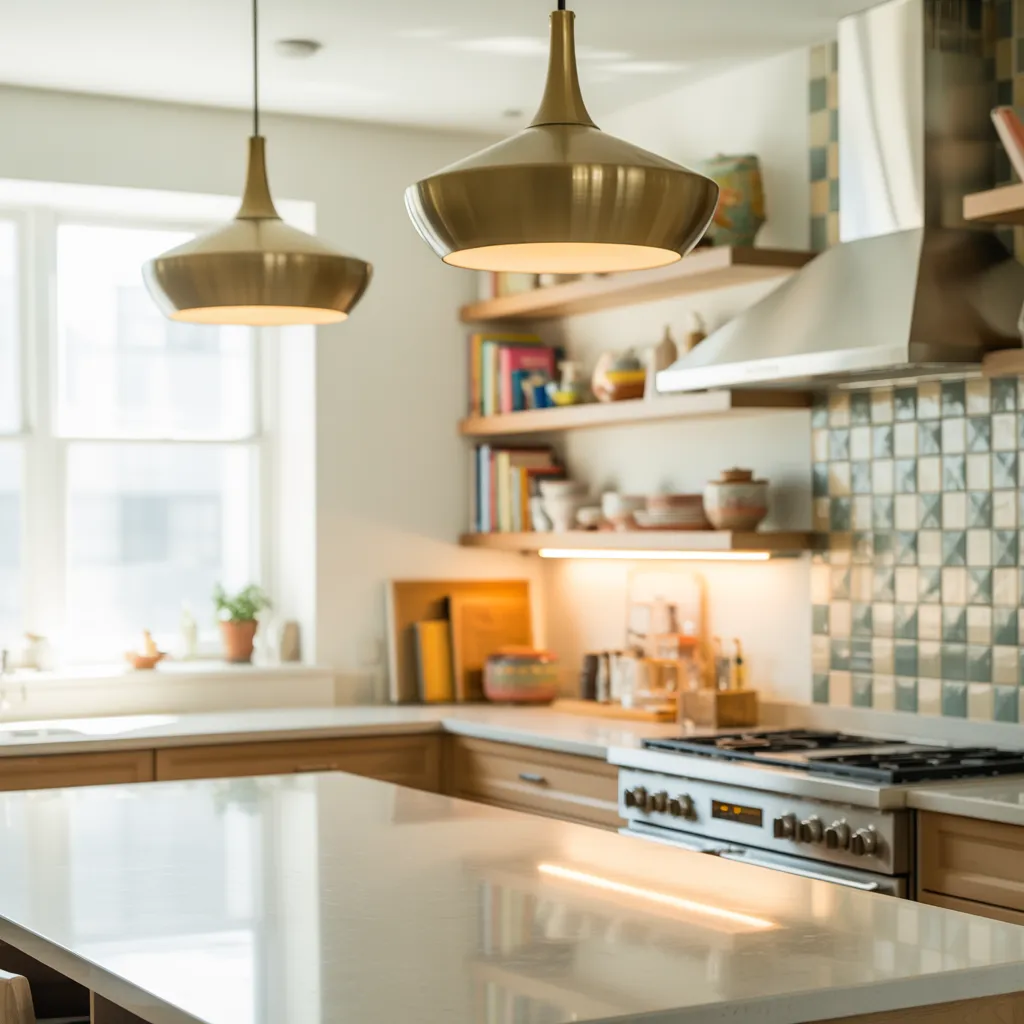
Budget Kitchen Upgrades That Actually Look Expensive
Full kitchen renovations require significant investment, but specific strategic upgrades deliver disproportionate visual impact. You don’t need to replace everything—target these high-impact changes:
Hardware replacement (most impactful, most affordable): Swapping dated handles with contemporary brass, matte black, or mixed metal transforms your kitchen’s entire aesthetic instantly. Budget: $100-300 for substantial visual impact.
Backsplash updates: Migrating from basic subway tiles to patterned options (geometric, moroccan, herringbone) creates designer-level sophistication. Budget: $300-800 depending on area and material.
Lighting upgrades:
- Update fixtures to contemporary styles.
- Add under-cabinet illumination for functionality and ambiance.
- Install statement pendant lights over islands.
- Budget: $200-600 for noticeable improvement.
Countertop refinishing: Professional resurfacing creates designer results at a fraction of full replacement costs. Budget: $500-1,500 for substantial visual upgrade.
Cabinet painting: Fresh paint instantly revitalizes dated cabinetry. Avoid overly dark finishes—they’ll likely feel dated by 2026. Consider transitional approaches or soft pastels for longevity.
Strategic open shelving: Replacing some upper cabinets with floating shelves introduces visual openness while displaying attractive dishware or cookbooks.
Finishing touches: Small appliances in coordinated finishes (matching toasters, coffee makers, kettles) create cohesive, curated aesthetics that feel intentional and expensive.
Approach upgrades systematically, focusing on what impacts your daily experience most. Strategic investments compound—each upgrade builds on others, creating a kitchen that looks professionally designed.
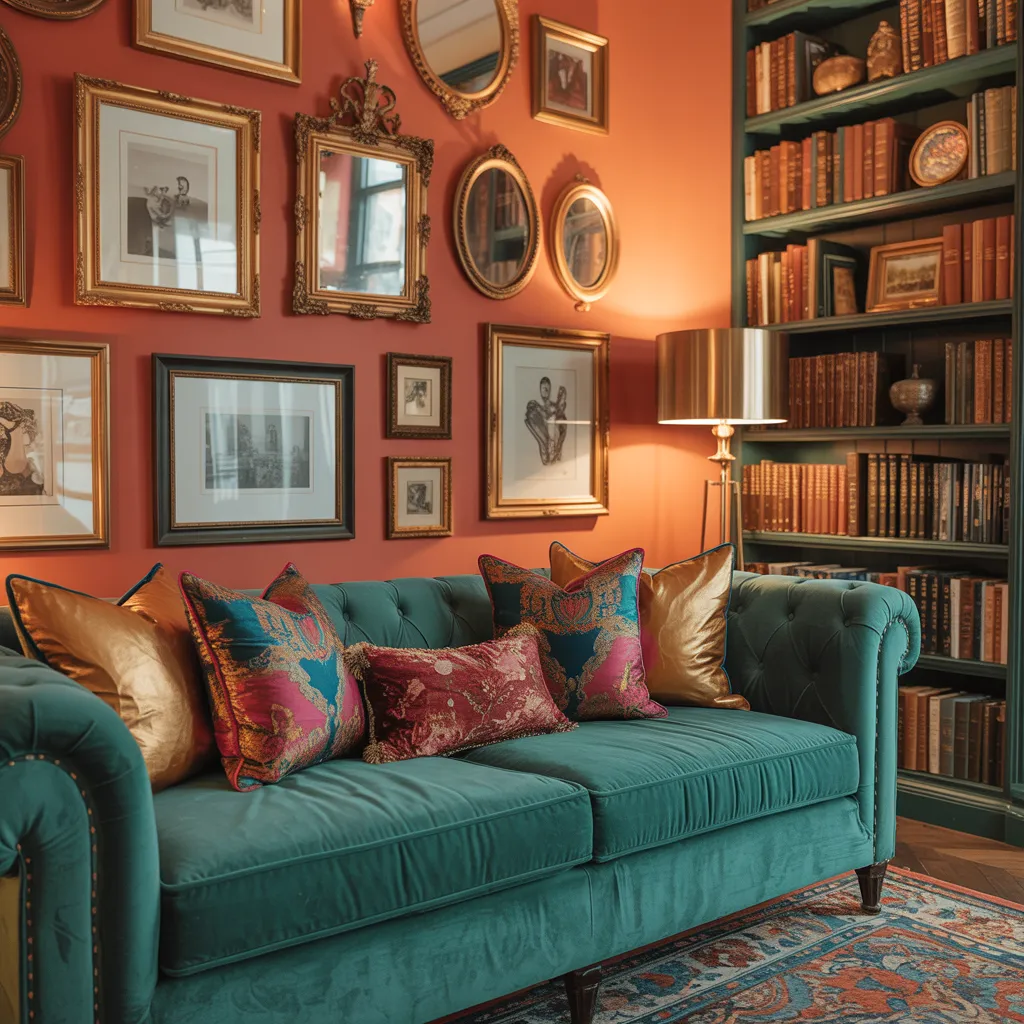
The Maximalism Debate: Why Clutter Isn’t Decor
There’s an important distinction between intentional maximalism—a thoughtful design philosophy—and undisciplined accumulation that just looks chaotic. Understanding the difference determines whether your space feels sophisticated or cluttered.
What separates curated maximalism from chaos: Expert maximalist interiors incorporate strategic curation: thoughtful selection, intentional grouping, and purposeful negative space. Every item serves an aesthetic or functional purpose deliberately. That’s the opposite of hoarding.
Guidelines for maximalist success:
- Limit bold patterns to two maximum: Prevents visual overwhelm while maintaining interest.
- Anchor complexity: Use focal points like built-in bookshelves, fireplace displays, or gallery walls to organize visual intensity.
- Employ color strategically: Jewel tones and bold combinations work beautifully when carefully distributed, not scattered randomly.
- Organize deliberately: Expert decorators use organizing systems maintaining control while celebrating personal objects.
- Decorate unexpected surfaces: Ceilings, bookshelf backs, or cabinet interiors add dimension without creating floor clutter.
The core principle: Intentionality. Every item occupies space deliberately—chosen for beauty, meaning, or function. This enables homeowners to explore maximalist aesthetics without sacrificing the sophistication that comes from thoughtful curation.
Maximalism isn’t about quantity; it’s about creating visually interesting spaces where nothing feels random or excessive. That’s the difference between a space that feels alive and one that feels overwhelming.
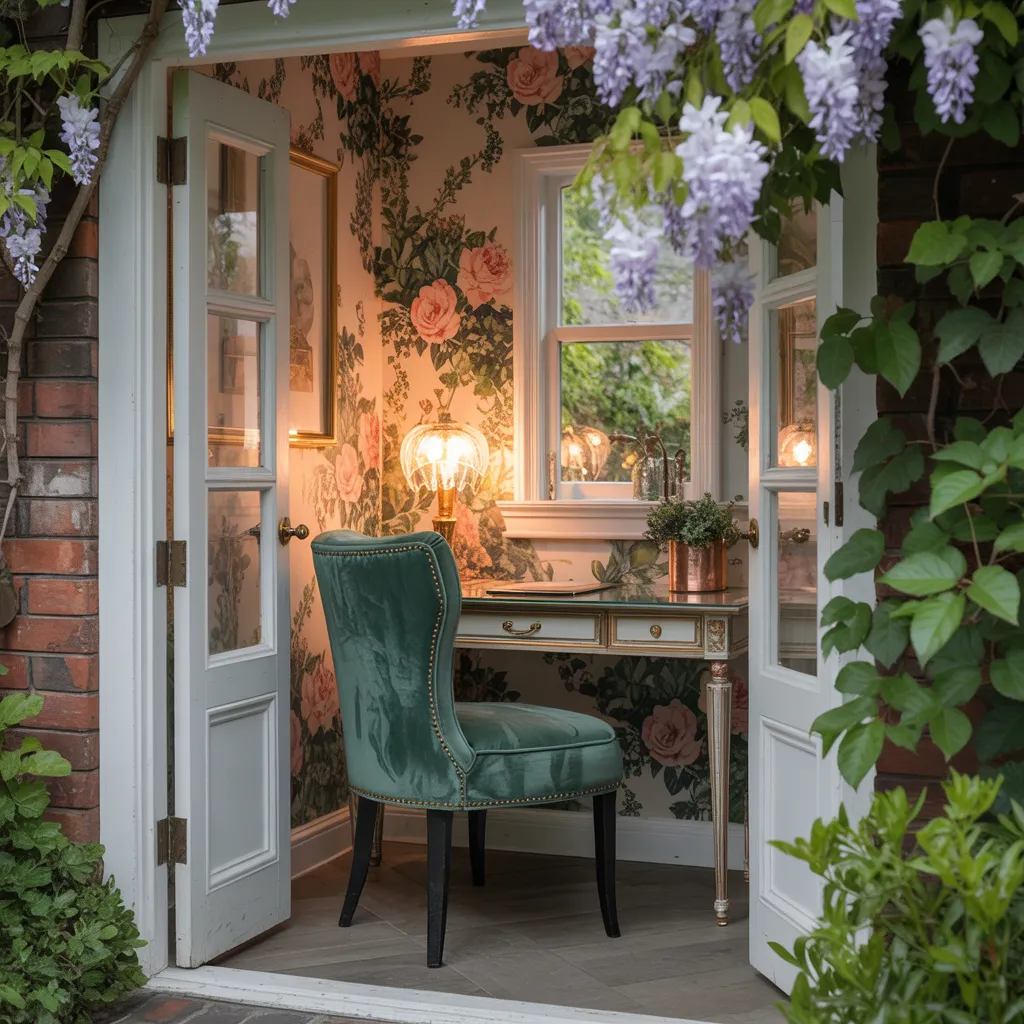
From She Sheds to Powder Rooms: The Spaces Designers Love Most
Specialized, intimate spaces represent something unique: opportunities for personality expression that general living areas rarely permit. She sheds, powder rooms, guest bedrooms—these are where designers get genuinely excited because the stakes feel lower and possibilities feel endless
Why designers love these spaces: Limited square footage paradoxically enables dramatic choices. You can feature bold wallpaper, vibrant color palettes, and experimental styling without overwhelming your entire home. A powder room can be moody and artistic. A she shed can be your personal sanctuary. These contained environments welcome trendy choices you might hesitate to use in high-traffic areas.
What works beautifully in small, intimate spaces:
- Creative wallpaper: Vintage-inspired florals, geometric patterns, or unexpected colors transform ordinary rooms.
- Statement furniture: Unique chairs, distinctive mirrors, sculptural pieces find perfect homes without dominating space.
- Mixed metals: Work particularly well in limited areas without creating visual overwhelm.
- Bold color combinations: Jewel tones, unexpected pairings, and rich hues create emotional impact.
- Artistic fixtures: Lighting, hardware, and accessories that might feel excessive elsewhere shine here.
The emotional reward: These spaces deliver disproportionate satisfaction relative to their dimensions. Transforming a generic powder room into a sophisticated statement or creating a she shed that reflects your personality creates daily joy and a sense of home that generic spaces simply can’t match. You don’t need expensive renovations—just permission to be yourself and intentional choices that reflect your style.
Future-Proofing Your Space: Adapting Current Trends Before They Fade
Design trends evolve constantly, and smart planning prevents design regret. Several currently popular choices show signs of transitioning: flat walls are yielding to textured surfaces, minimalist bedding is shifting toward bolder patterns, and overly dramatic bathrooms are transitioning into serene spa-like sanctuaries.
Understanding these trajectories enables proactive modernization without complete overhauls.
Strategic adaptations for today’s trending choices:
For flat walls transitioning to texture:
- – Add textured elements gradually: shiplap accents, wallpapered feature walls, or textured paint finishes.
- Use removable options to experiment before permanent changes.
- Budget: $200-500 for meaningful texture introduction.
For minimalist bedding becoming dated:
- Layer patterned throws and decorative pillows strategically.
- Introduce pattern through bedding gradually.
- Mix solid foundations with interesting textures.
- Budget: $300-600 for bedding refresh.
For dramatic bathrooms shifting toward spa-like calm:
- Replace ornate accessories with refined, spa-like elements.
- Introduce soft lighting and natural materials.
- Simplify color palettes toward soothing tones.
- Budget: $200-400 for meaningful shift.
The sustainability angle: Design increasingly emphasizes eco-friendly choices that maintain functionality while reducing environmental impact. Thoughtful investments in quality pieces that adapt to evolving aesthetics prove more sustainable than constantly replacing trendy items.
The key: Implement strategic refreshes maintaining sophisticated, relevant interiors. Small, intentional adjustments prevent your space from feeling suddenly outdated while allowing gradual, budget-conscious evolution toward emerging aesthetics.