Most people accept their living spaces as they are, never realizing that a few strategic DIY projects can completely transform how a room feels. Here’s the secret: you don’t need expensive furniture or a professional designer—you just need to understand which small changes create the biggest visual impact.
This guide reveals 12 specific projects that take anywhere from 45 minutes to a weekend, using materials from any hardware store or items already in your home. What separates intentionally designed spaces from randomly assembled ones comes down to thoughtful attention to detail rather than budget. You’ll discover projects ranging from subtle enhancements that add depth to bold statement pieces that redefine entire rooms—each addressing a specific design challenge like dead space, poor lighting, lack of personality, or storage that clutters your visual interest.
DIY interior design has gained real legitimacy in recent years. Shows like Trading Spaces and magazines like Domino have democratized design by showcasing transformative projects without requiring professional contractors or massive budgets. The best part? Nearly every project here works for renters and homeowners alike. Whether you’re making permanent changes or working within lease restrictions, your home can feel curated and intentional. Professional designers increasingly advocate for renter-friendly upgrades—from peel-and-stick wallpaper to statement lighting—as legitimate personalization tools. By the end of this guide, you’ll understand exactly why certain spaces feel expensive and designed while others feel flat and incomplete.
The Overlooked Corners That Are Secretly Stealing Your Space
Dead space—those unused corners, blank walls, and cluttered surfaces—actively drags down your room’s aesthetic. Here’s what happens when you leave these spaces empty: your eye naturally travels there and encounters… nothing. That absence communicates neglect more loudly than you’d think.
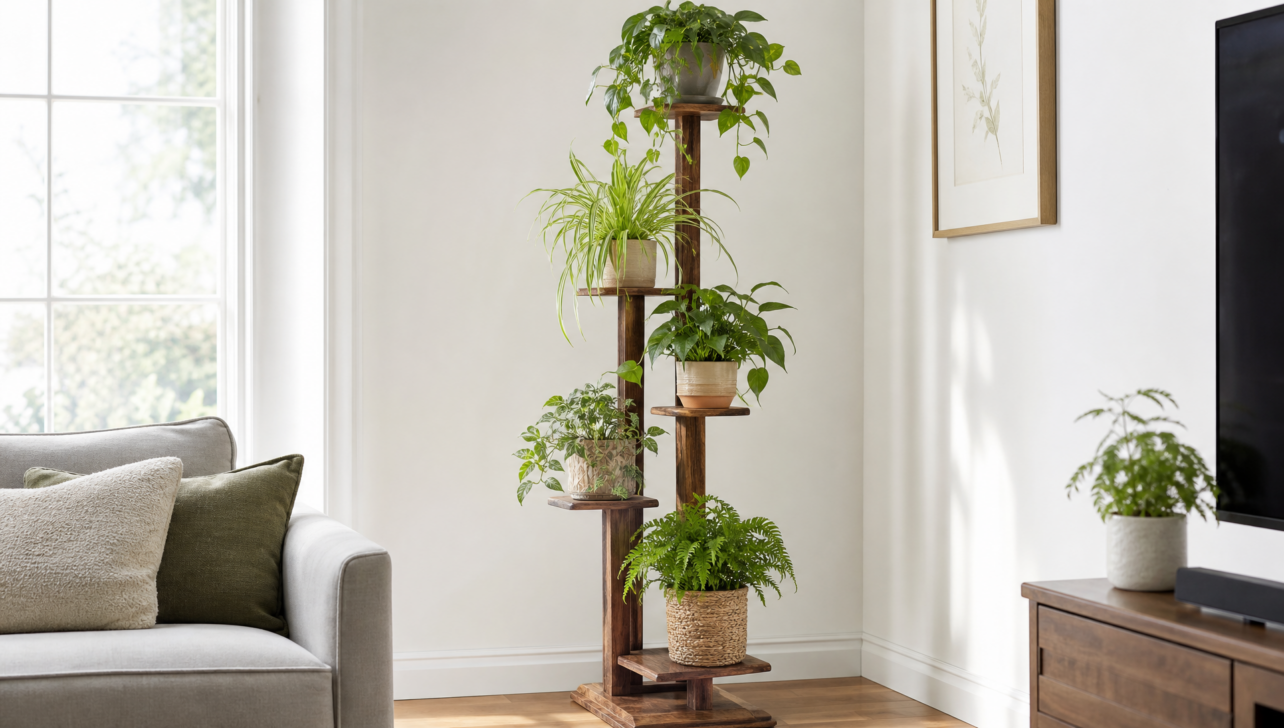
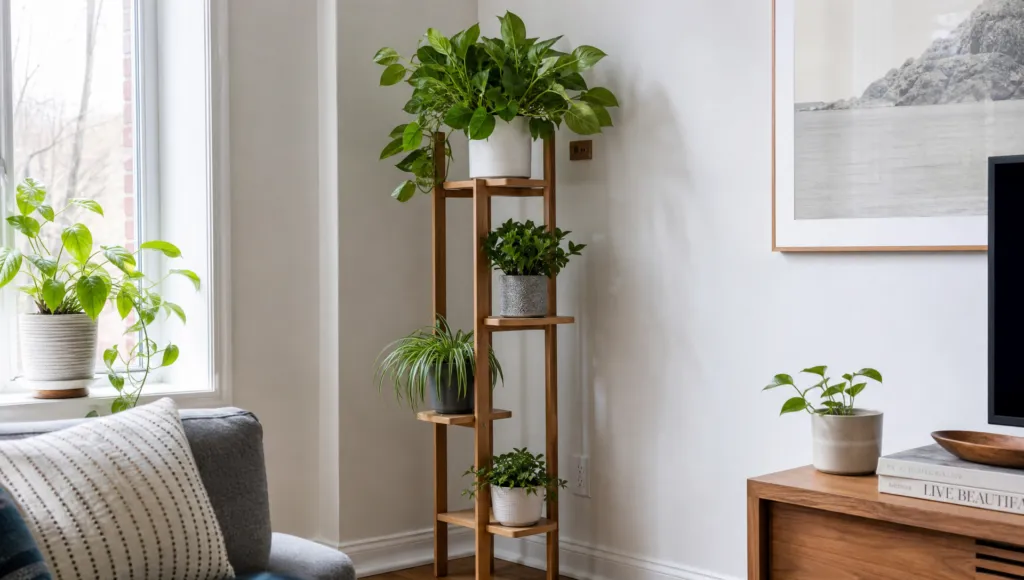
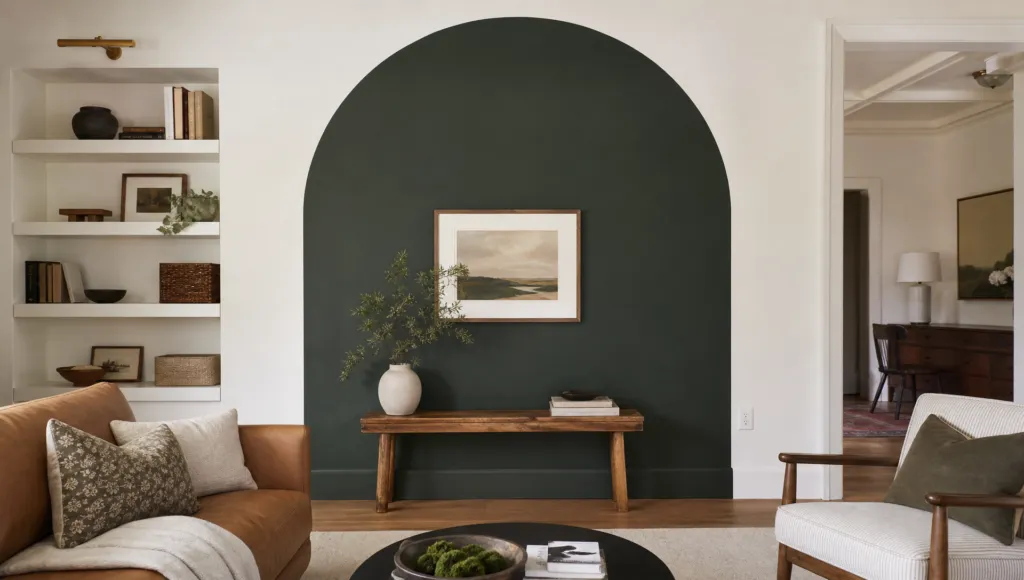
Now imagine that same corner with a floating shelf breakfast bar or a raised plant stand. Suddenly, your eye engages with intention. A simple raised plant stand takes just 45 minutes to build but instantly draws the eye upward, making ceilings feel higher. An even bolder option? Paint a curved arch in deep color to completely redefine the room’s proportions.
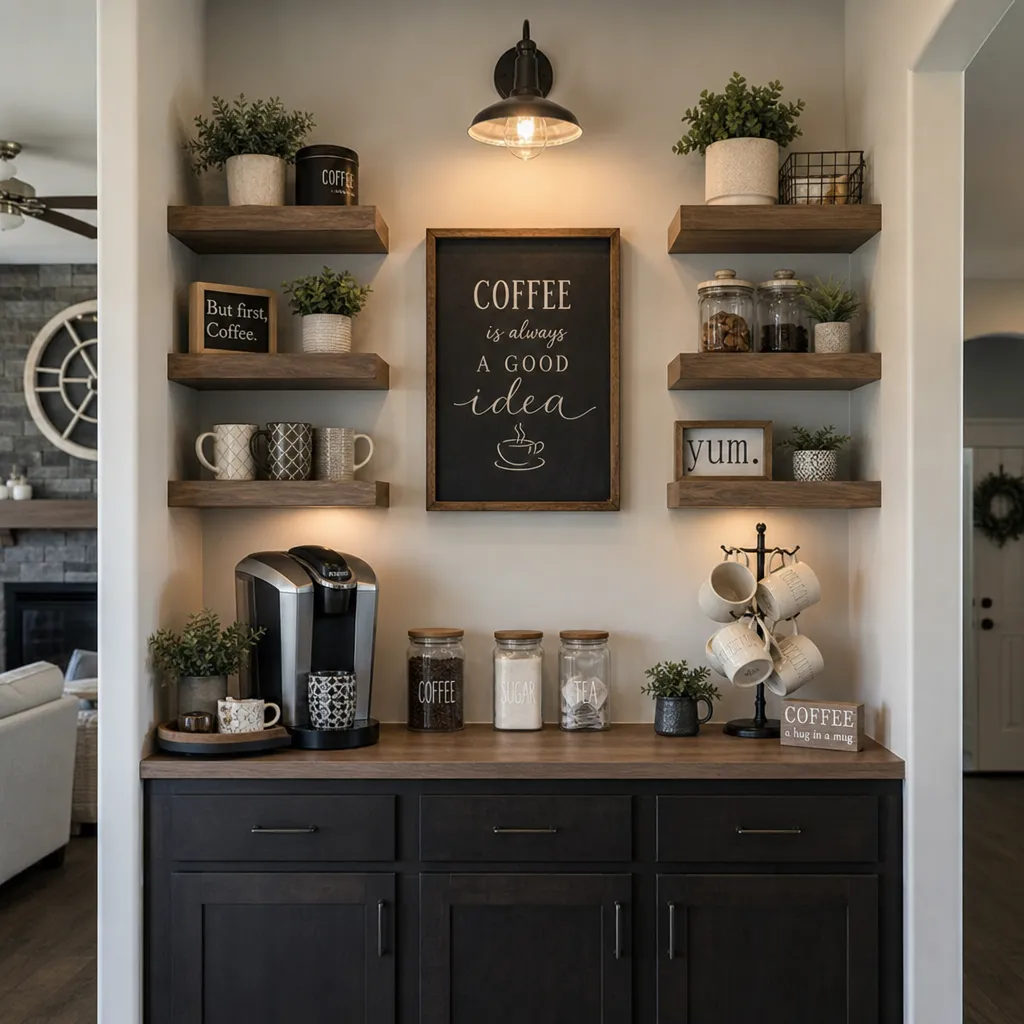
Raised plant stands work because they occupy vertical space rather than floor space, creating visual rhythm by breaking up horizontal lines. A coffee nook with built-in shelving converts completely wasted square footage into a destination—a gathering spot that feels intentional. The transformation requires minimal investment but maximizes both perceived square footage and sophistication. Your home suddenly feels larger and more thoughtfully designed.
Budget Hacks That Look Nothing Like Budget Projects
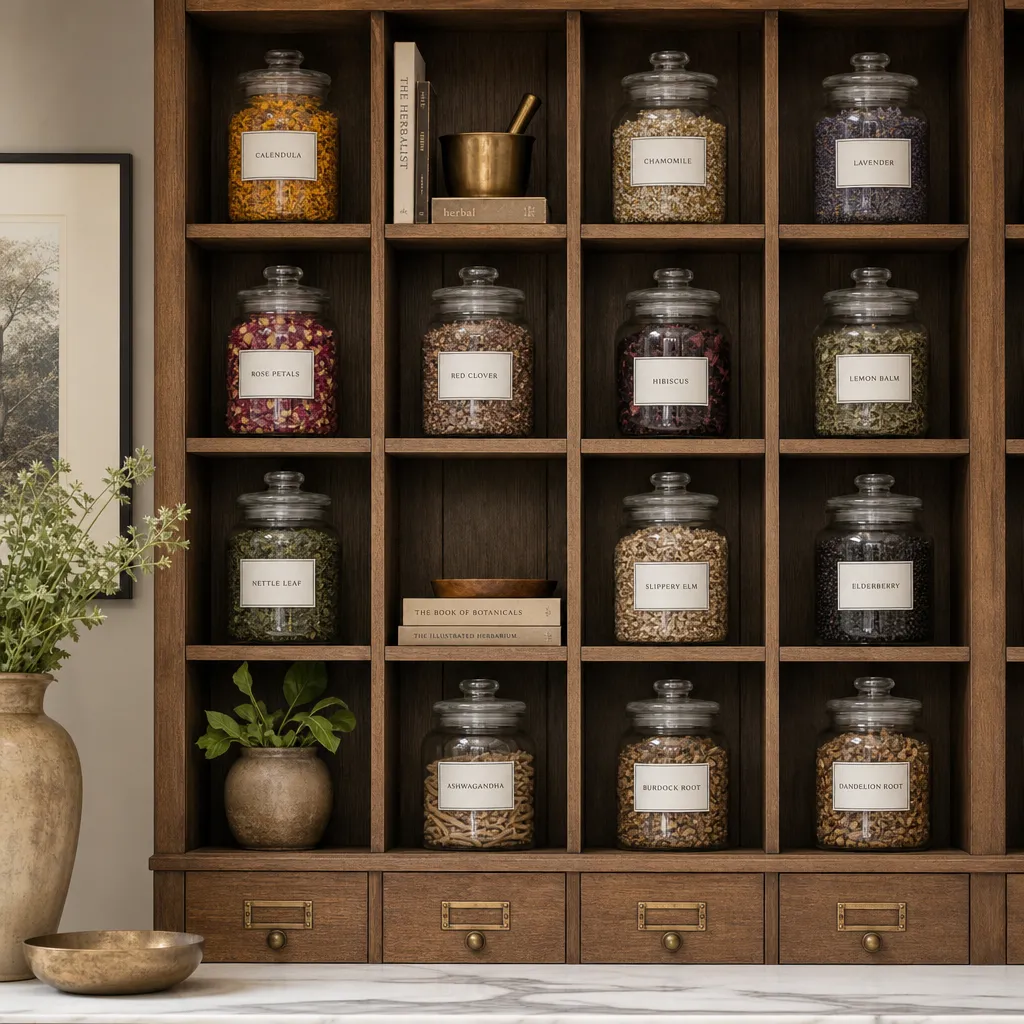
You don’t need thousands to create an intentionally designed home. An apothecary-style storage cubby costs around $15 but creates a curated, high-end appearance. Clear jars transformed with coordinating spray paint become statement pieces. Upcycled egg carton flowers, repurposed tension rods, and straw hat displays cost pennies but add personality in surprising ways.
Here’s what separates high-end design from budget DIY: it’s not the materials—it’s styling and strategic positioning. An apothecary case signals luxury through intentional curation. Tension rods holding items vertically communicate organization and control. Jars painted in coordinated colors become custom glassware. Egg cartons transform into flower displays. A straw hat collection becomes décor instead of clutter. When you train your eye to see design potential everywhere, budget transformation becomes possible.
Combine these upcycled pieces with affordable upgrades like statement light switch covers and new fixtures, and you’ve created an elevated aesthetic without significant financial investment. The magic isn’t in spending more—it’s in seeing what you have differently.
The Two-Tone Headboard Secret That Makes Bedrooms Larger
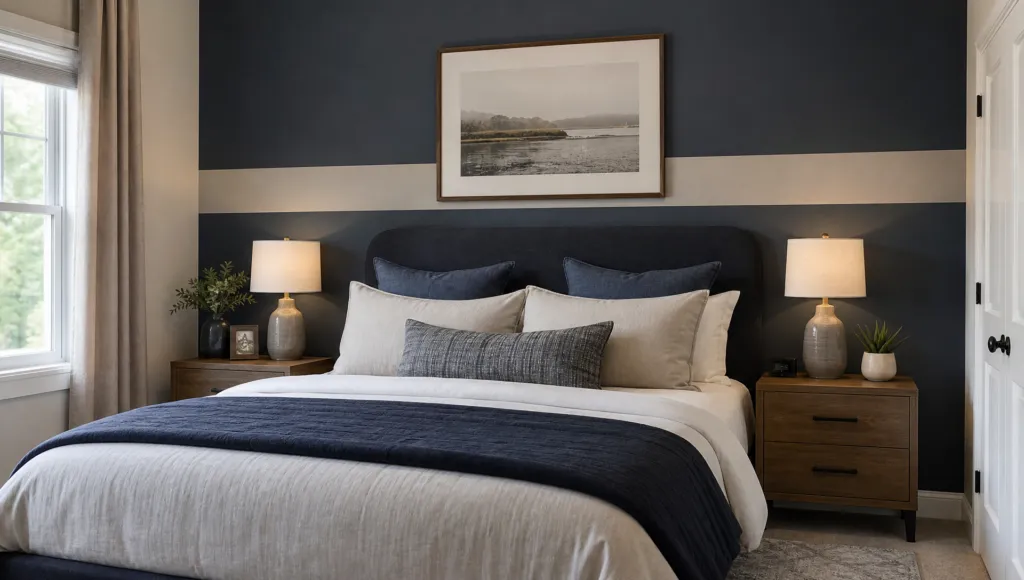
A painted headboard does more than add color—it creates an anchor that visually expands your entire bedroom. Two-tone paint techniques work through visual manipulation of how light bounces off walls, making small rooms feel genuinely more spacious.
Here’s the design principle at work: a darker shade with a lighter accent stripe creates depth perception. Your brain interprets this layering as additional dimension, making walls appear to recede rather than close in. This psychological trick is especially powerful in smaller bedrooms. Pair this two-tone wall with complementary accessories like cushioned backrests and coordinated bedding in your color palette, and your bedroom transforms from ordinary to carefully curated.
This combination—structural enhancement paired with visual illusion—demonstrates how thoughtful design solves both aesthetic and practical problems simultaneously. Your bedroom becomes simultaneously larger, more welcoming, and more aligned with current design trends that favor bold patterns and personalized textiles. The result feels luxurious without requiring a professional designer or major renovation.
Bathroom Transformations: Creating Your Personal Spa Retreat
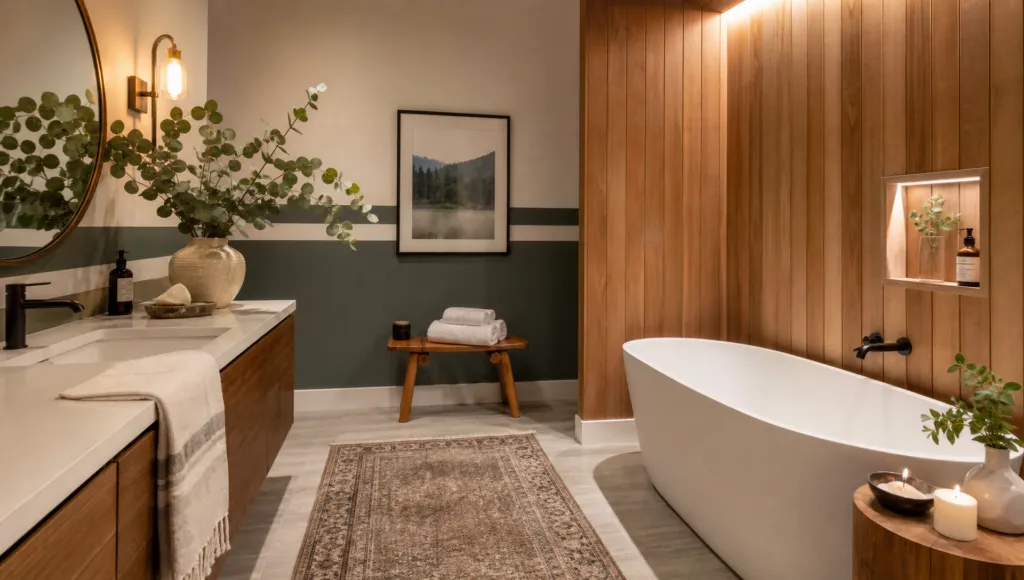
Bathrooms deserve the same thoughtful design attention as your living areas—they’re where you start and end each day. Elevate your bathroom from purely functional to genuinely luxurious by incorporating natural elements like teak panels and eucalyptus, adding a small bench, and painting strategic accent stripes.
Teak introduces natural warmth to typically cold tile-dominated bathrooms, softening the space visually while creating an immediate sense of relaxation. Fresh eucalyptus adds sensory dimension beyond the visual—it looks attractive and smells wonderful, transforming the bathroom from functional space into genuine retreat. Strategic lighting amplifies this spa aesthetic by highlighting teak’s natural grain and creating warm, ambient glow.
Painted stripes applied with precision add personality without overwhelming the small space. A striped accent wall creates visual interest while maintaining clean lines. Add a simple wooden bench for seating and storage, and suddenly your bathroom communicates invested thought and care. These elements align with design evolution emphasizing relaxation and intentional living—proving that every room in your home deserves thoughtful attention, not just showcase spaces.
The Statement Wall Trend That Actually Works
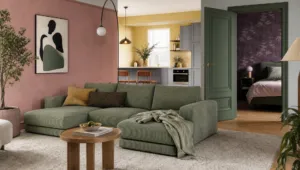
Accent walls create genuine impact when executed thoughtfully—but here’s where most people stumble. A pale accent wall reads as a mistake rather than intentional design. An overwhelmingly bold wall creates visual chaos. The sweet spot exists in painted arches, which draw the eye and create architecture where none existed, without consuming an entire wall.
Gallery walls work beautifully for the same reason: they’re statement pieces composed of smaller elements that feel intentional rather than chaotic. Checkerboard patterns add playfulness while maintaining visual balance. These approaches understand that impact comes from proportion and thoughtfulness, not boldness alone.
Framed arches are particularly powerful because they create a focal point and guide the eye without overwhelming. The trend toward textured surfaces and pattern play makes thoughtfully executed accent walls a strategic investment amplifying sophistication and visual interest. The key is balancing your statement piece with simpler, complementary design elements elsewhere in the room—ensuring your bold choice enhances rather than competes with the overall space.
Hidden Storage That Looks Like Intentional Design
The best DIY projects solve actual problems while looking beautiful. Built-in shelving around a coffee nook, apothecary cubbies for organization, and tension rod systems in dressers hide clutter while adding visual interest. Well-designed homes often owe their success to smart storage solutions that double as décor.
Here’s what makes this work: hidden organization systems communicate both wealth and control. Vertically organized drawers with tension rods, curated cubby items arranged in attractive containers, and clear surfaces instantly read as more expensive and intentional. Storage becomes invisible, allowing your beautiful items to shine. Built-in shelving carries additional visual weight, suggesting permanence and investment in the space.
Floating shelves around a coffee nook define gathering destinations and demonstrate intentional design. Apothecary-style cubbies create small galleries of curated items—jars, containers, plants—arranged with aesthetic consideration. When storage is this attractive, it becomes part of the design conversation rather than a problem to hide. This approach transforms organization from a necessity into a design asset.
The Renter’s Revolution: Transforming Temporary Spaces Into Homes
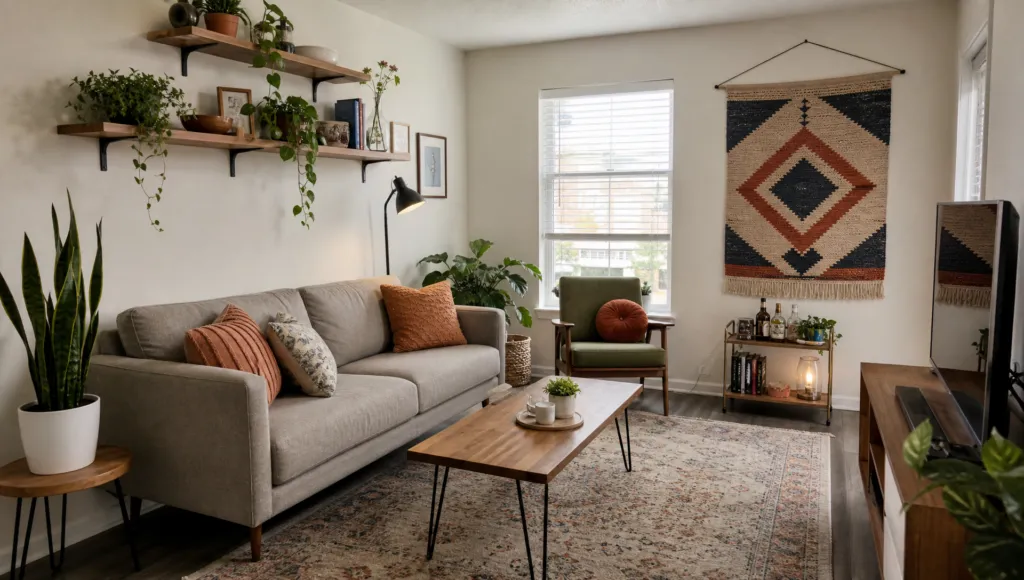
Many renters assume their spaces can’t be personalized, but that’s simply not true. Most projects in this guide are remarkably renter-friendly. Floating shelves require minimal wall damage and remain removable. Tapestries mask cable boxes and mismatched entertainment centers. Removable wallpaper adds pattern and personality without violating leases. Furniture with hairpin legs feels boutique and designed while remaining portable.
These projects reframe rentals from limitations to genuine opportunities. Professional designers increasingly recommend peel-and-stick wallpaper, picture frame molding, and upgraded light fixtures as portfolio-quality upgrades that don’t require permission from landlords. Treating a temporary space as though it’s permanent transforms your entire living experience.
Strategic additions like statement lighting and window treatments elevate rental interiors while remaining fully portable. Your home doesn’t require ownership to deserve thoughtful design and personal touches. With intentional choices, you can create a space that feels curated and intentional whether you’re renting for six months or staying long-term. The investment in your comfort and aesthetic surroundings is always worthwhile.
The Unexpected Finishing Touches That Complete Your Space
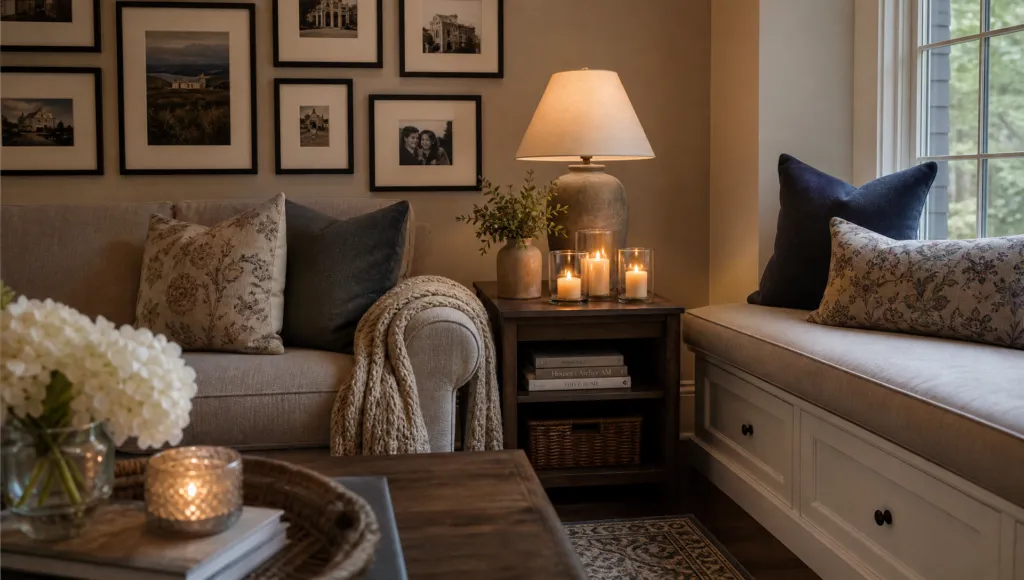
Sometimes a room has all the right elements—furniture, paint, storage—yet still feels unfinished. That’s where finishing touches come in. Arranged candles, thoughtful photo collages, fabric-wrapped window seat cushions, or sponge-painted accent walls can be that missing piece that suddenly makes everything feel done and intentionally designed.
Finishing touches operate on a psychological level more powerful than you’d expect. Arranged candles suggest elegance and ritual. A carefully curated photo collage creates emotional resonance and personal connection. A sponge-painted accent adds unexpected personality. Here’s the remarkable part: these projects cost almost nothing and take minimal time, yet they disproportionately impact how spaces feel.
They communicate something crucial: that someone actually lives here and cares about the space. That perception of intention—that care has been taken to invest in beauty—is ultimately what separates a house from a home. These final touches are often the easiest projects but deliver the most emotional payoff, revealing that thoughtfulness about aesthetics matters in your daily life.