Here’s something most homeowners don’t realize: eco-friendly upgrades aren’t just nice for the environment anymore—they’re essential for your property’s resale value.
We’ve moved well past the point where green renovations were optional extras. Today, they’re genuine selling points that buyers actively seek and pay premium prices to get.
The numbers back this up. Homes with LEED and Energy Star certifications routinely sell for $53 to $71 more per square foot over a 20-year period.
Energy-efficient windows, upgraded HVAC systems, and proper insulation cut energy consumption by 10-60%—a metric that genuinely excites value-conscious buyers.
Add sustainable materials into the mix, and you’re creating a property that costs less to operate while commanding higher prices. It’s a powerful combination that keeps getting stronger as more buyers prioritize environmental efficiency.
The Energy-Efficient Upgrades That Actually Pay for Themselves
Not every green renovation delivers the same returns, but the highest-impact upgrades follow a clear pattern: they save you money immediately while boosting resale value simultaneously.
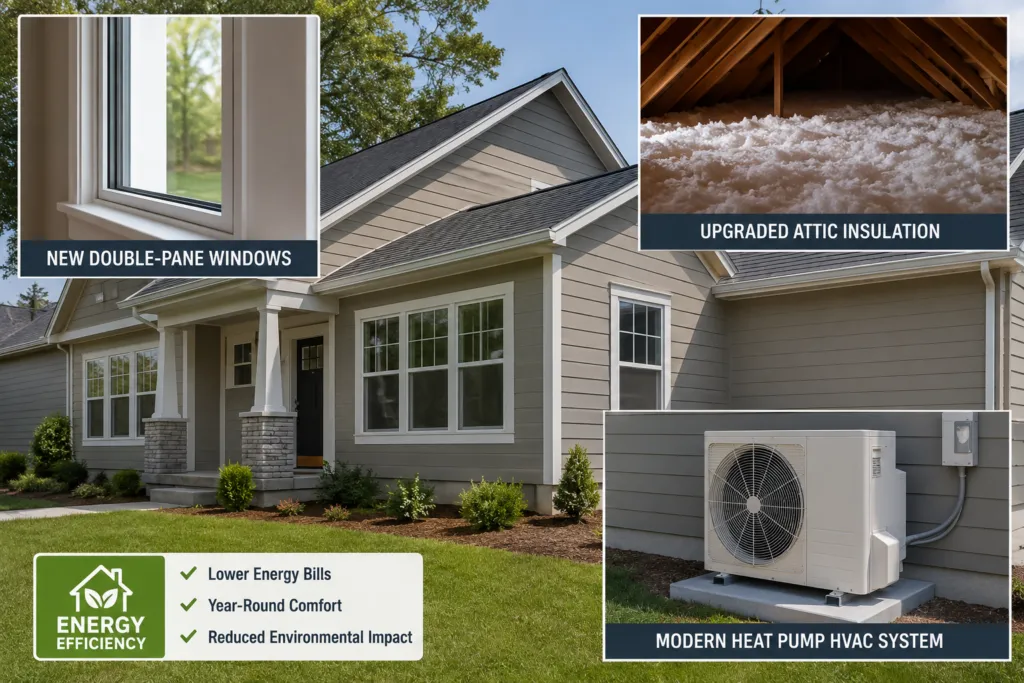
Energy-efficient windows, comprehensive attic insulation, and heat pump HVAC systems are your big three.
Together, they slash energy bills by 10-60%—and that’s real money you’ll notice every month.
Smart thermostats and LED lighting add to those savings without requiring major structural changes. Here’s what makes this genuinely powerful: you get dual benefits. Your monthly utility bills drop noticeably, which feels great day-to-day.
Meanwhile, buyers recognize that your home costs less to operate, which makes it more valuable to them. Research shows that green buildings cost about 2% more to build but return approximately 10 times that investment over 20 years.
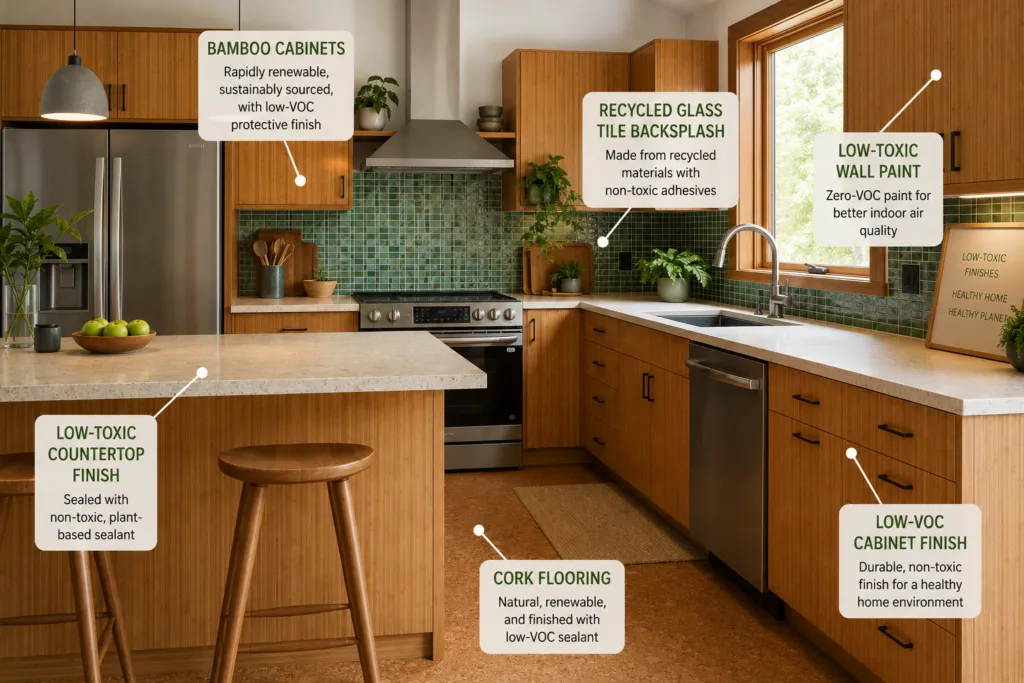
Durable sustainable materials like cork flooring or recycled glass tile deserve special mention—they last longer than standard options, require fewer replacements, and appeal to buyers who value both quality and environmental responsibility.
The Hidden Game-Changer Most Experts Whisper About
While everyone talks about solar panels and new windows, experienced renovators quietly capitalize on overlooked technologies that deliver superior returns.
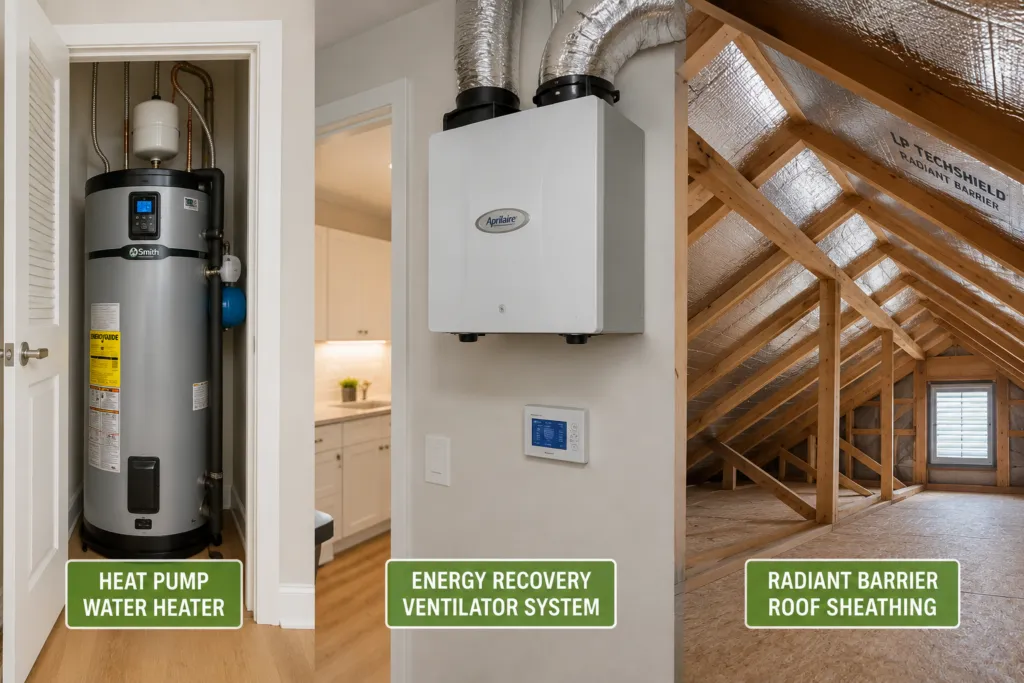
Heat pump water heaters and energy recovery ventilators sit at the top of this list. They don’t grab headlines like solar, but they work hard.
Heat pump water heaters use less energy than traditional models, while energy recovery ventilators keep your home’s air fresh and dry—addressing indoor air quality concerns that buyers care deeply about, even if they don’t always mention them directly.
Radiant barrier roof sheathing is another smart choice that flies under most people’s radar.
These integrated systems work together rather than standing alone, creating what sustainable design experts call a “layered advantage.”
A home where all these pieces work in concert outperforms one with scattered upgrades.
Quality material choices amplify these benefits. Reclaimed wood flooring with proper water-resistant treatments or recycled terrazzo surfaces demonstrate genuine environmental commitment while delivering durability that mainstream buyers respect.
The homes that appreciate most are those where every piece contributes to an overall philosophy—not just scattered green additions.
Why 2026 Renovations Demand a Completely Different Approach
The days of tacking on a few eco-friendly upgrades to an otherwise standard renovation are over.
Today’s smart renovations integrate sustainable thinking into every decision—from materials to systems to finishes.
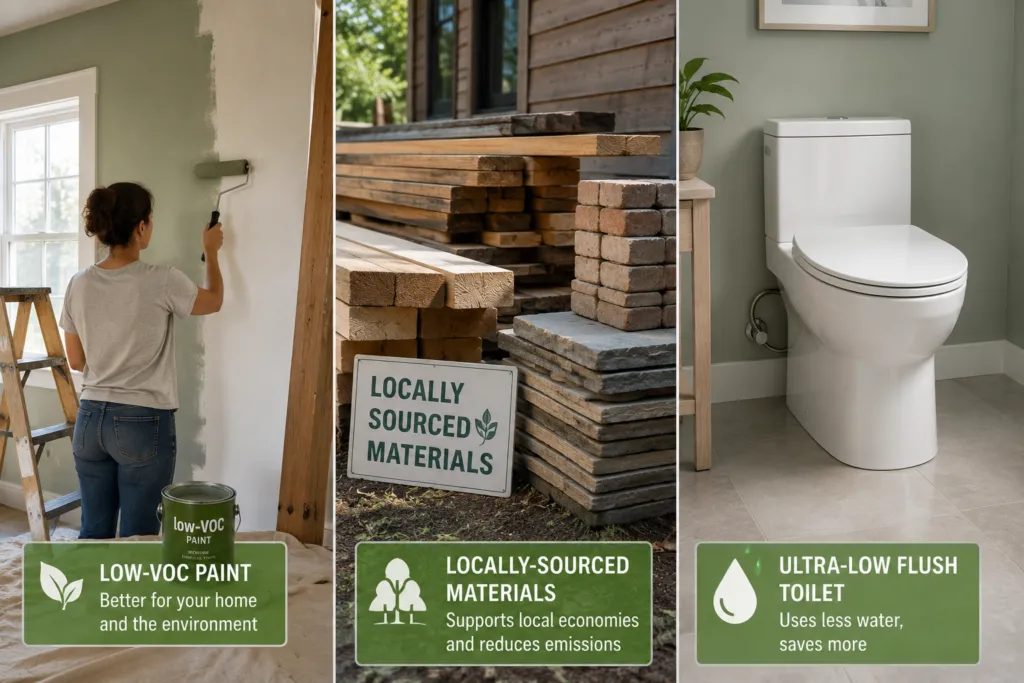
This means thinking holistically from the start. Your paint choices matter (low-VOC options are standard now).
Your material sourcing matters (locally-sourced materials support community resilience and reduce transportation impact).
Your water efficiency choices matter—ultra-low flush toilets and low-flow showerheads address real concerns about resource scarcity that influence buyer behavior.
When selecting materials, look for third-party certifications on items like bamboo, cork, and recycled glass flooring.
These prove genuine environmental credentials rather than just sounding good. You’re building a consistent story about sustainability throughout your home.
One critical tip: avoid common pitfalls that date quickly despite good intentions.
Painted brick exteriors, overly bold color choices, and oversized architectural statements frequently deter mainstream buyers and require expensive fixes later.
Neutral, durable, classically-designed choices protect your renovation investment far better than trendy statements.
The Solar Panel Paradox: When Patience Beats Quick Returns
Solar panels present an interesting investment puzzle.
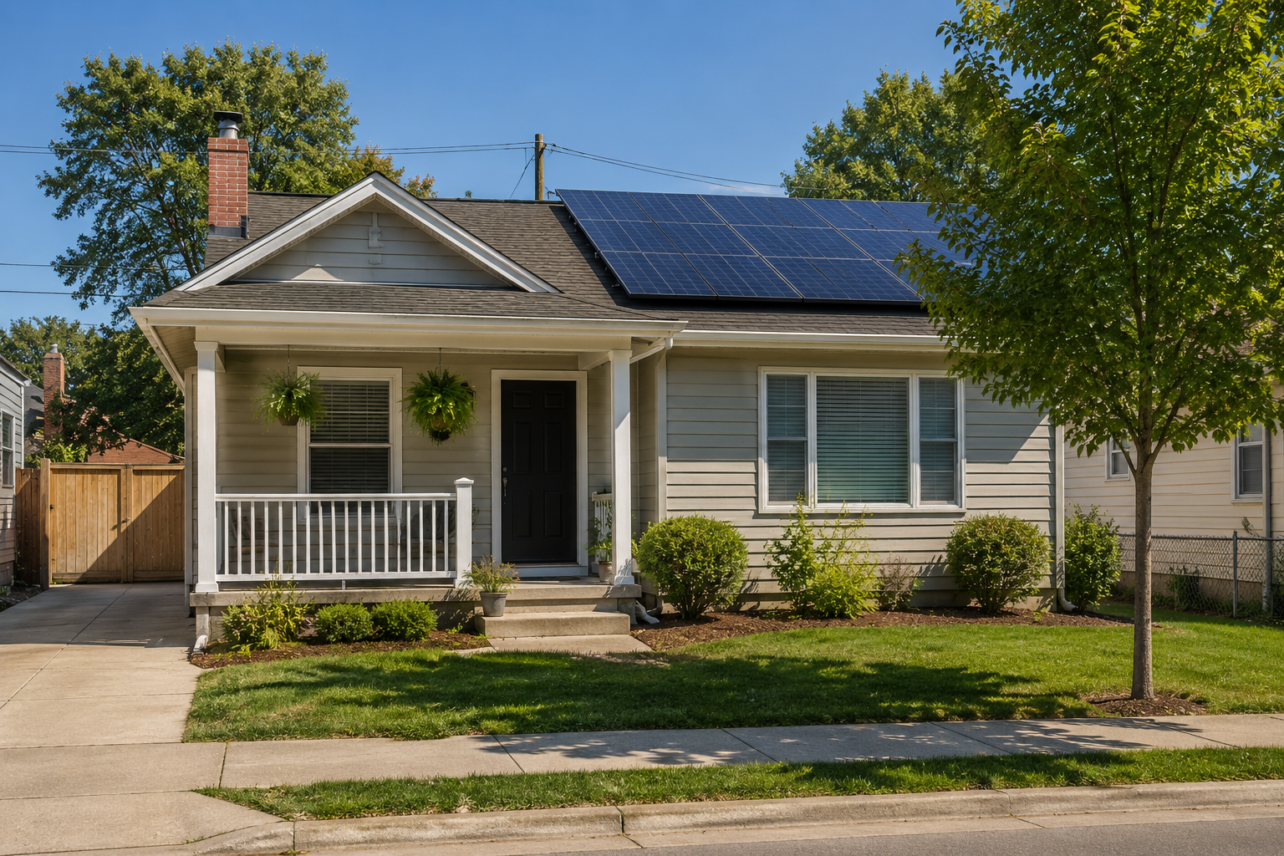
They’re not the fastest route to recovering your installation costs compared to heat pumps or insulation—but they signal future-readiness to sophisticated buyers in a way few other upgrades do. Here’s the key: timing matters tremendously.
Some homes need comprehensive insulation and efficient HVAC systems first. Others with excellent sun exposure should prioritize solar panels earlier in the renovation sequence. Getting this right separates strategic investors from reactive renovators.
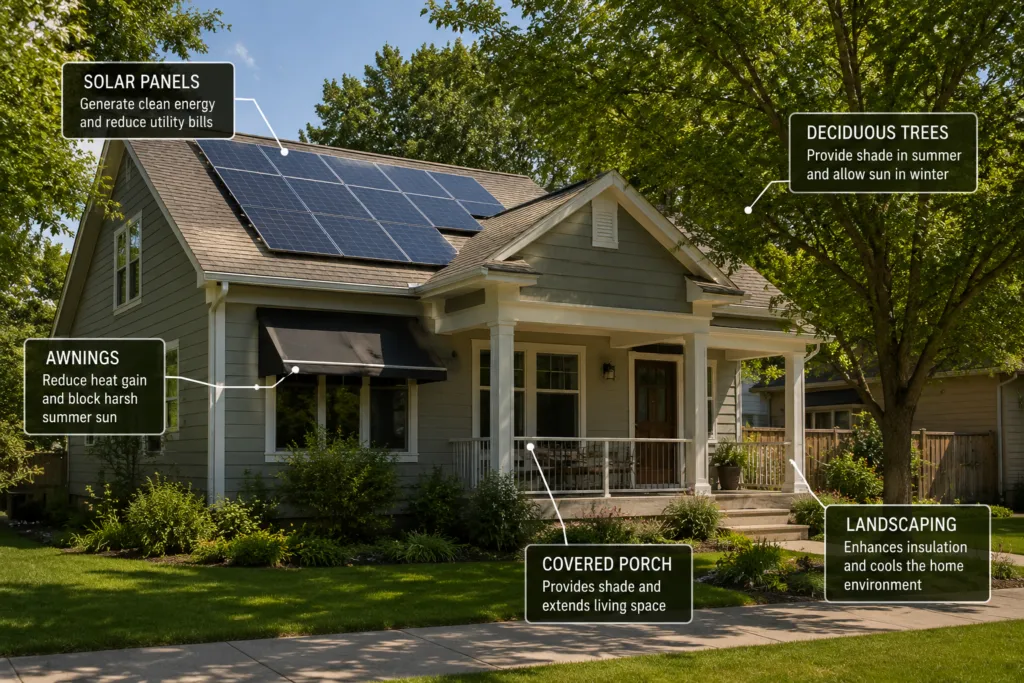
Passive solar design principles work beautifully alongside active solar.
Strategic window placement, well-positioned awnings and porches, and thoughtful tree placement can enhance solar panel effectiveness while naturally regulating your home’s temperature throughout the seasons.
This integrated approach demonstrates genuine design harmony rather than just bolting technology onto an existing structure.
The takeaway: solar panels deserve a place in most renovation plans, but their timing depends on your specific property and energy needs. Work backwards from your end goal rather than forward from trendy solutions.
Strategic Material Selection: The Overlooked Value Multiplier
Here’s what separates premium renovations from standard ones: intentional material choices grounded in durability and genuine sustainability.
Green building materials—bamboo, cork, recycled stone and metal, low-toxicity finishes—deliver practical advantages alongside environmental benefits.
They last longer than standard alternatives, reducing replacement costs and signaling long-term thinking to buyers.
When you integrate these thoughtfully into kitchens and bathrooms, they command measurable value premiums while providing superior water resistance and easier maintenance.
Look for third-party certifications that verify environmental credentials transparently. These matter to discerning buyers who want proof that your sustainable choices are genuine.
Equally important: know what to avoid. Common trends like painted brick, extremely bold color choices in high-traffic areas, or misplaced landscaping frequently deter mainstream buyers and create maintenance headaches despite good intentions.
Classic, neutral material choices with proven durability beat trendy statements every time.
The renovation paradox reveals a simple truth: real value emerges from thoughtful decisions that will age gracefully, not from following temporary trends. Your material choices should feel like they’ll still make sense five, ten, and twenty years from now.