
Most of us clean on autopilot—repeating routines picked up through habit, family advice, or trial and error. But a few common mistakes can waste time, damage surfaces, or create avoidable safety risks.
The fix is not a cabinet full of stronger products. It is a more deliberate approach: use the right product for the job, follow its label, and focus on the places and routines that need attention most.
The Forgotten Zones That Nobody Talks About
Floors, countertops, and bathrooms usually get the attention. Less-visible areas are easier to overlook, but a quarterly reset can keep dust and moisture from building up.
Add these spots to a seasonal checklist:
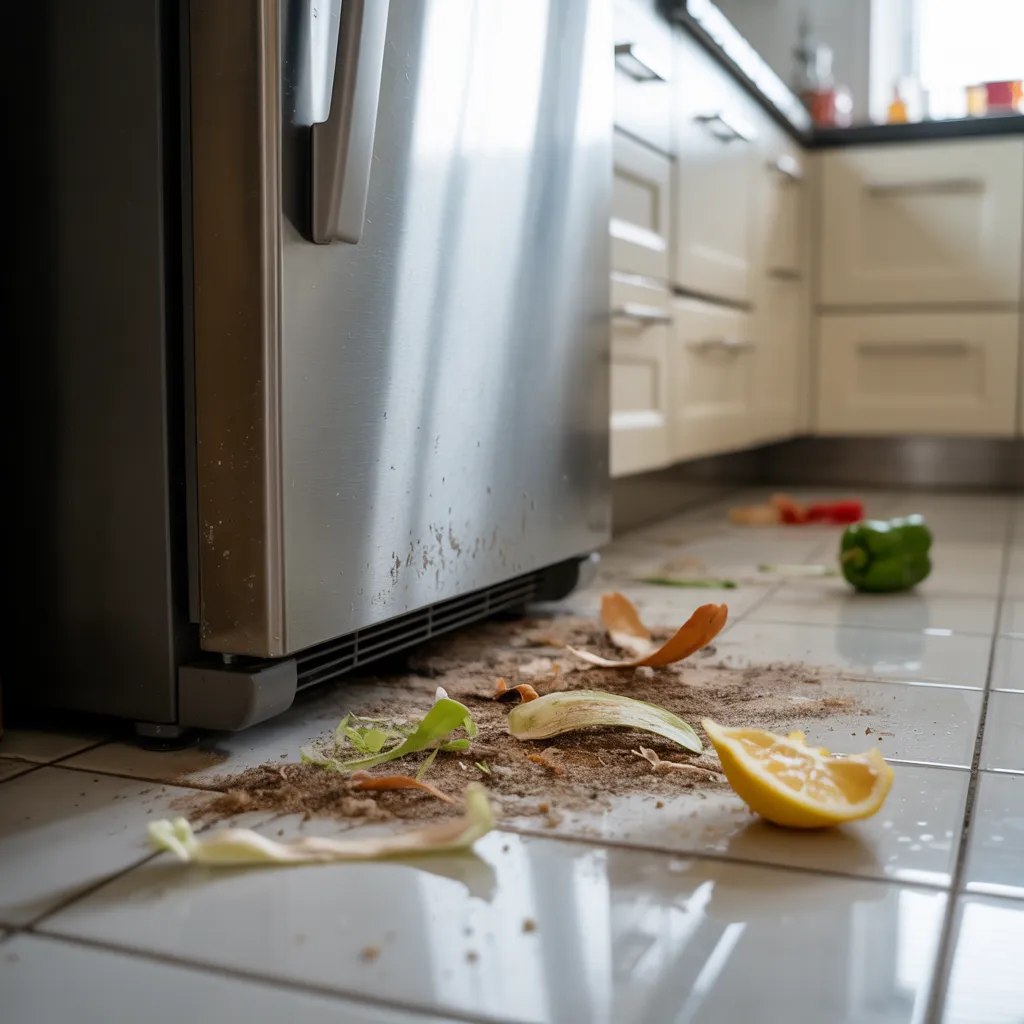
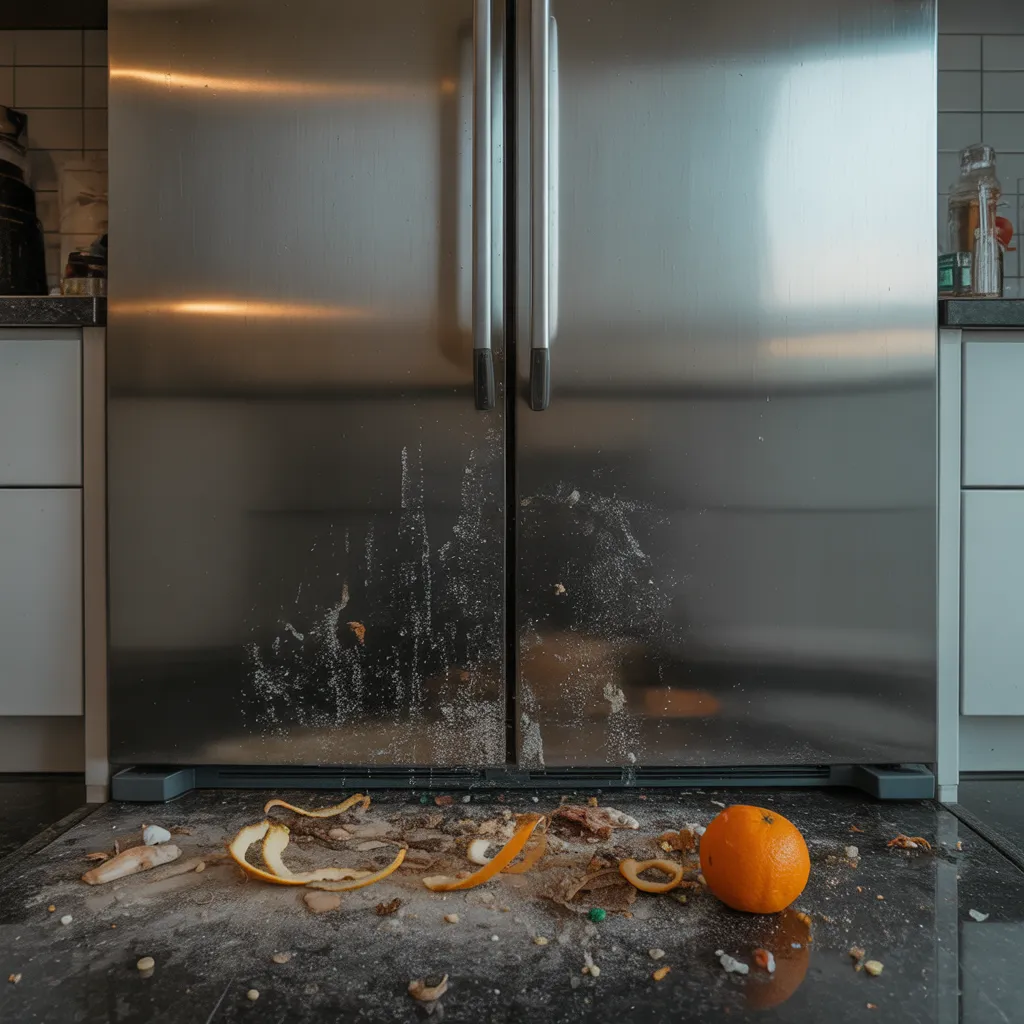
- Behind and beneath large appliances, where dust and crumbs collect.
- Ceiling-fan blades, light fixtures, baseboards, and window tracks.
- Window frames and sills, especially where condensation is common.
- Vent covers and other areas that accumulate visible dust.
For window frames and other damp areas, the priority is moisture control. The EPA notes that mould needs moisture to grow, and recommends fixing water problems and drying water-damaged items within 24–48 hours. If you spot mould, clean it promptly and address the moisture source—not just the visible mark.
Your Laundry Routine: Where Most People Go Wrong
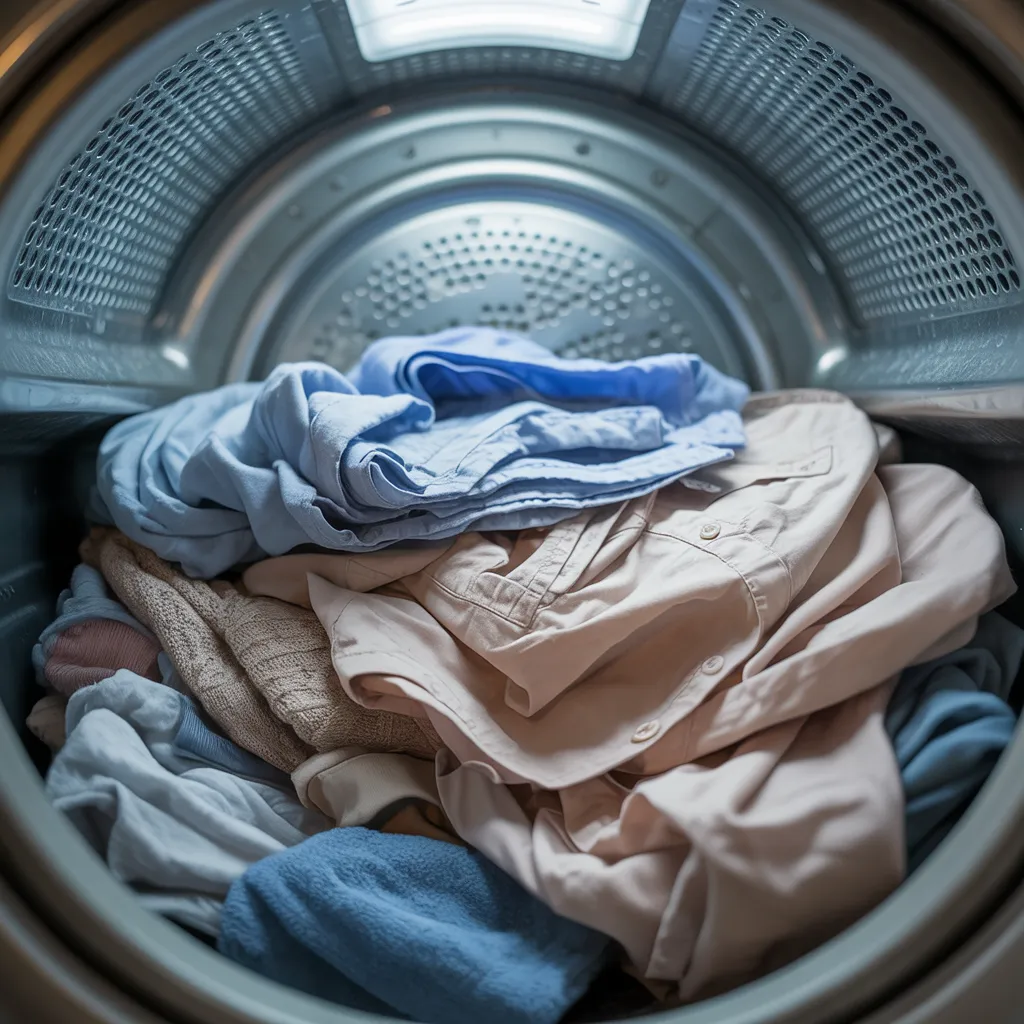
Laundry results are not just about how often you wash; the cycle, temperature, detergent, and drying method all matter.
Wash sheets regularly—weekly is a practical rhythm for many households, particularly during warmer weather, after illness, or if pets sleep on the bed.
For clothing and linens, follow the care label and select the appropriate water temperature and drying setting rather than assuming hotter is always better.
The American Cleaning Institute recommends checking labels and choosing products and cycles suited to the fabric.
A simple habit also helps: remove clothes from the dryer promptly and fold or hang them soon afterwards. It cuts down on wrinkles without relying on a hotter cycle than the item requires.
Pet Hair and Stains: The Challenge Pet Owners Face
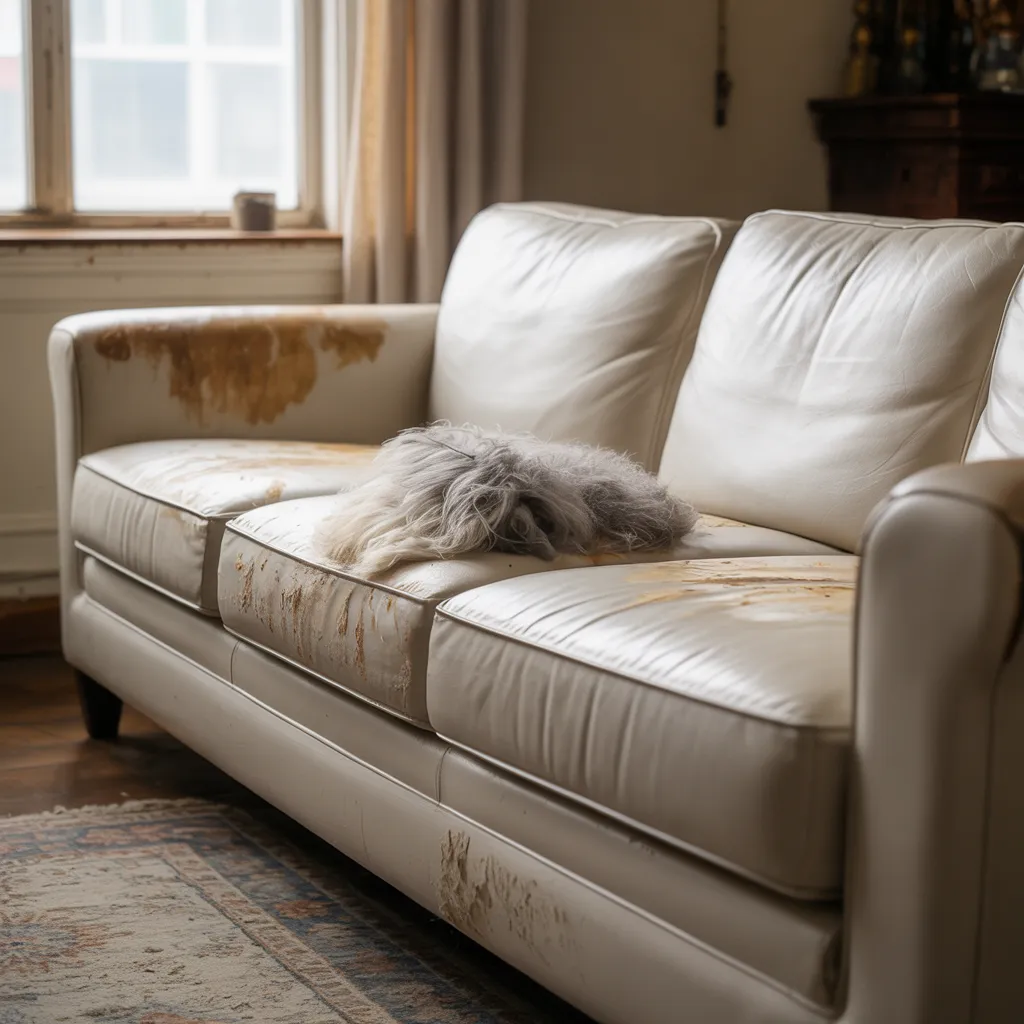
Pet ownership brings joy, but it introduces specific cleaning challenges that standard cleaners can’t handle. Stubborn pet stains contain enzymes and proteins that ordinary detergents miss entirely.
This is where enzyme cleaners become game-changers—they break down organic compounds at a molecular level, which is why professionals rely on them.
Choosing the right vacuum matters too: you need one that handles mixed surfaces well, especially hardwood floors combined with pet hair removal.
This means understanding suction power, brush roll design, and filtration technology. Beyond equipment, knowing which products actually work versus which waste money and time is crucial knowledge.
Many pet owners spend years struggling with solutions that prove ineffective, never realizing that enzyme-based cleaners and properly chosen vacuums would transform their experience completely.
Deep Cleaning Secrets Professionals Use
Professional cleaners know specialized deep-cleaning approaches that remain hidden from most homeowners, allowing them to restore items that seem permanently damaged.
Microfiber couches require specific techniques to prevent water rings and discoloration. Yellowed pillows contain biological staining that enzyme treatments can actually reverse.
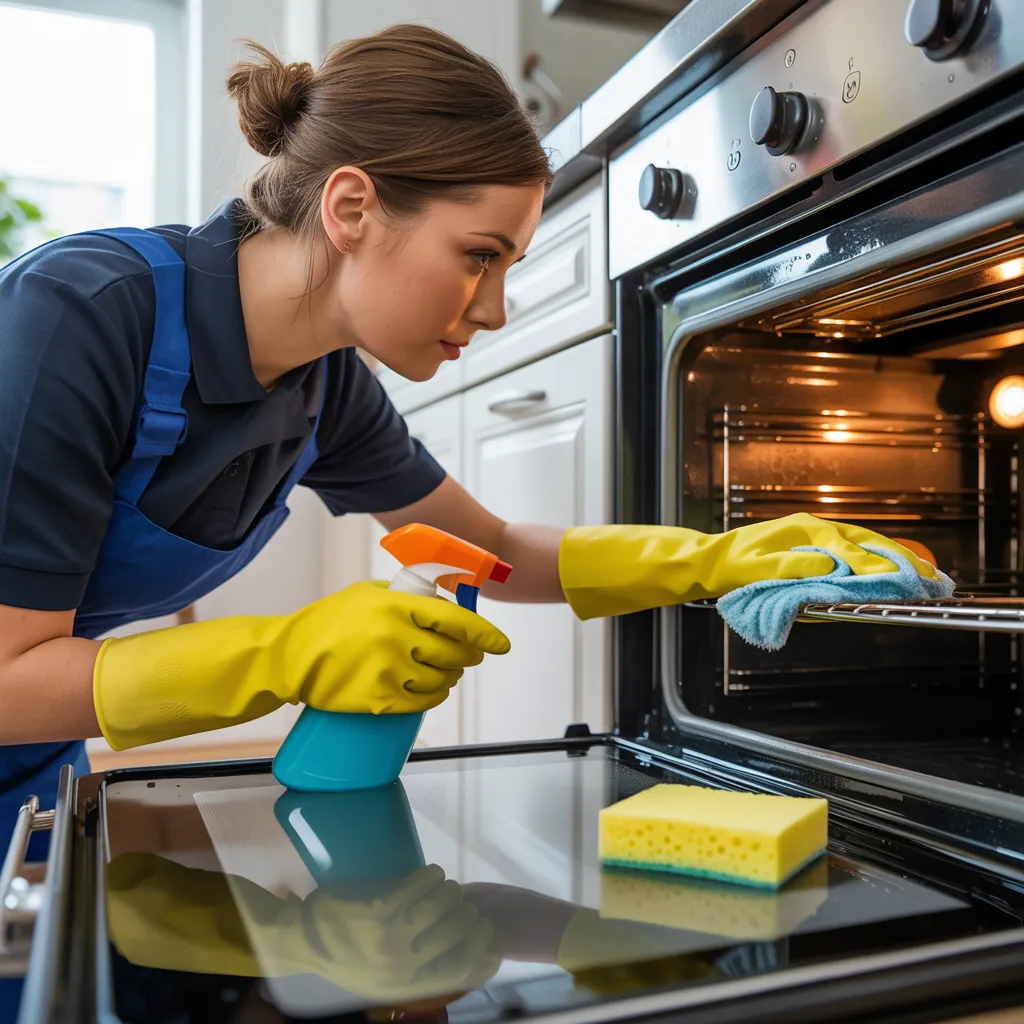
Ovens with baked-on grease respond to specific chemical treatments applied with proper timing.
Even your washing machine needs periodic deep cleaning to remove detergent buildup and bacterial growth.
Here’s a pro strategy professionals emphasize: the order you tackle tasks significantly impacts results.
Clean from top to bottom throughout your space to prevent recontamination.
These expert approaches reveal something encouraging: items you thought were ruined often respond beautifully to proper treatment. The transformation can be remarkable.
Dangerous Product Combinations and Safer Alternatives
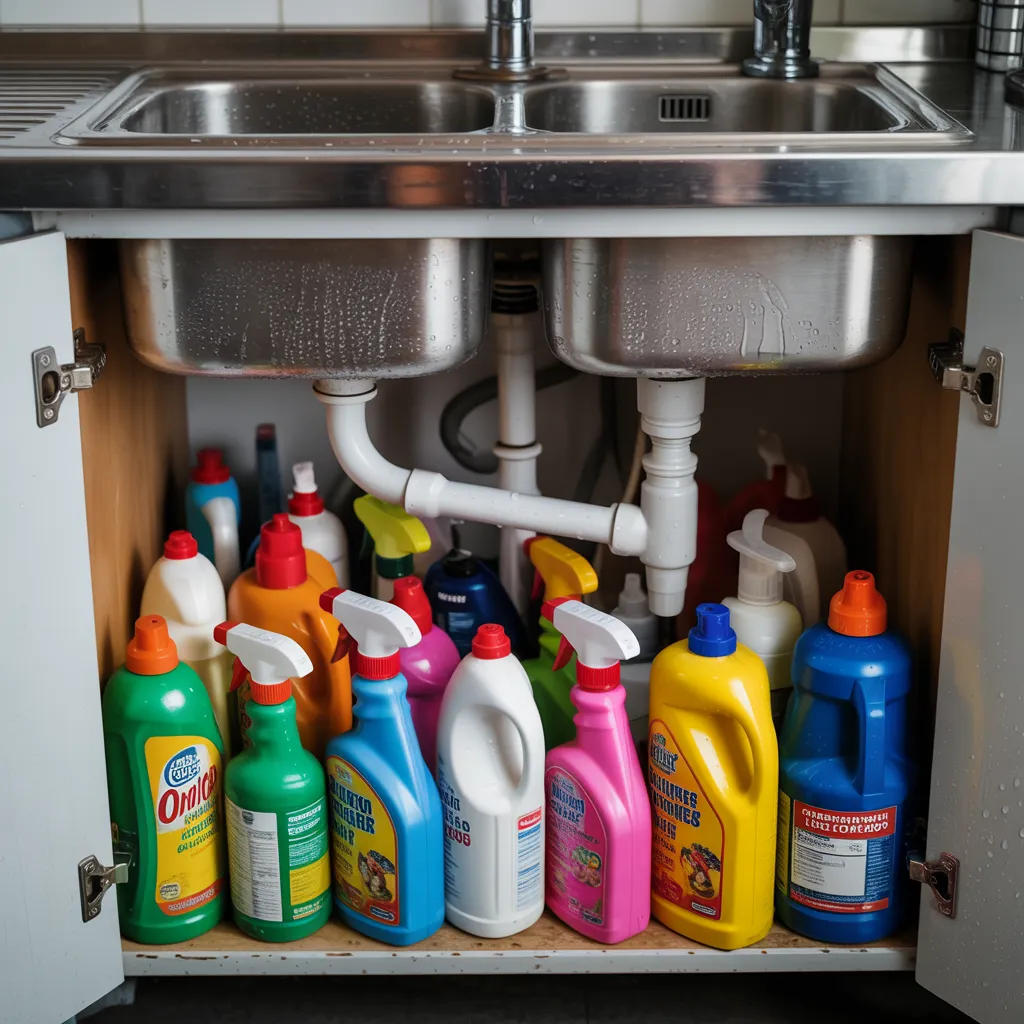
Mixing cleaning chemicals is one of the easiest mistakes to avoid—and one of the most important.
Never mix bleach with another cleaner unless the label specifically instructs you to do so. In particular:
- Bleach mixed with an ammonia-containing cleaner can create chloramine gas.
- Bleach mixed with an acidic cleaner can create chlorine gas.
Both can produce harmful fumes. Open windows or run ventilation when using cleaning products, follow label directions, and keep products in their original containers.
If someone has been exposed to fumes, leave the area for fresh air and seek urgent medical advice if they have trouble breathing, chest pain, severe coughing, or eye irritation. Poison Control can be reached at 1-800-222-1222.
Before Guests Arrive: A Strategic Cleaning Checklist That Counts
Cleaning removes dirt and grime from a surface. Sanitising and disinfecting are separate steps used when reducing germs is necessary.
For most day-to-day cleaning at home, cleaning with soap or detergent and water is usually enough; disinfecting is most useful in particular situations, such as after someone has been ill or for certain high-touch surfaces.
If you do use a disinfectant, first clean visible dirt from the surface, then follow the label’s instructions for contact time, ventilation, and compatible materials.
A Practical Pre-Guest Checklist
When time is limited, focus on the spaces guests will use:
- Clear clutter from the entryway and main living area.
- Wipe kitchen counters and dining surfaces.
- Clean the bathroom sink, mirror, toilet, and floor.
- Empty bins and deal with noticeable odours.
- Wipe high-touch items such as remotes, switches, and handles.
- Vacuum or sweep visible floors.
This is not about making a home look untouched. It is about putting your energy into the areas that make the space feel comfortable, clean, and ready to share.
The Takeaway
Better cleaning does not mean using more products or spending every weekend scrubbing. It means choosing products carefully, reading labels, controlling moisture, and following a routine that fits your home.
A focused approach protects your surfaces, reduces avoidable chemical risks, and makes the work feel much more manageable.