Fall 2026 brings a refreshing shift in kitchen design that moves away from the sterile, wall-to-wall cabinetry look of the past decade. Designers are embracing freestanding furniture—vintage cupboards, open shelving, beautiful displays, and standalone tables—that transforms kitchens into genuine living spaces where conversations happen and life unfolds. Your kitchen shouldn’t feel like an appliance showroom; it should feel like home.
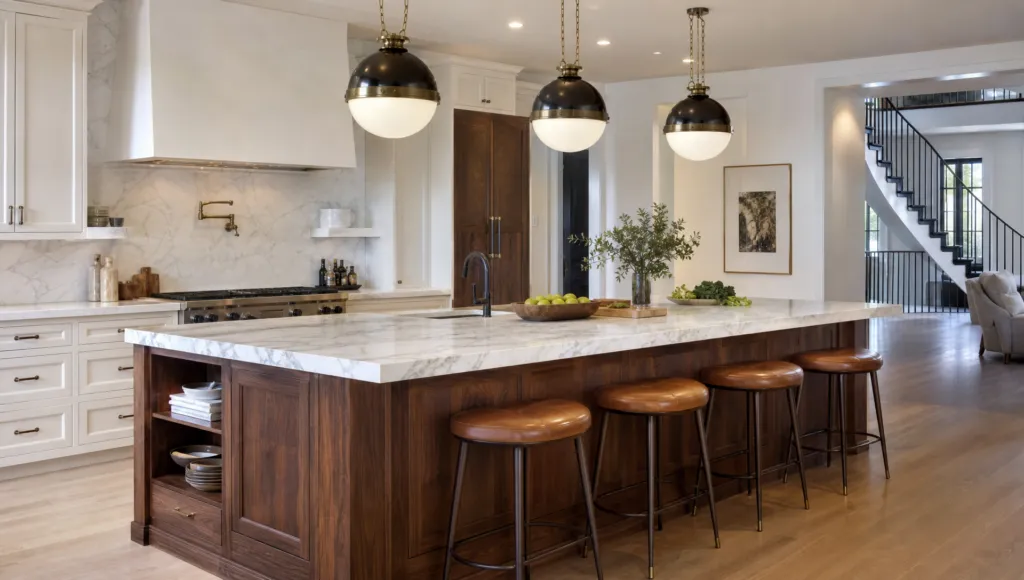
The core idea is simple: balance function with personality by mixing vintage pieces with seasonal touches and intentional spacing, kitchens reclaim their traditional role as the heart of the home. This doesn’t mean sacrificing modern convenience—it means refusing to let function erase character. Designer Alexandra Azat’s Mediterranean Revival kitchen in Southern California proves this works even in compact 194-square-foot spaces. Through strategically placed freestanding pieces and custom elements like a walnut island, small kitchens become intimate gathering zones.
This transformation reflects how residential designers now work: they start by understanding how you actually live, then merge aesthetic appeal with practical functionality. They consider ergonomics, layout flow, and materials that are both beautiful and sustainable. The result? Kitchens that invite lingering, gathering, and genuine connection—spaces where cooking and dining take on heightened meaning.
The Marble Movement: Celebrating Natural Beauty
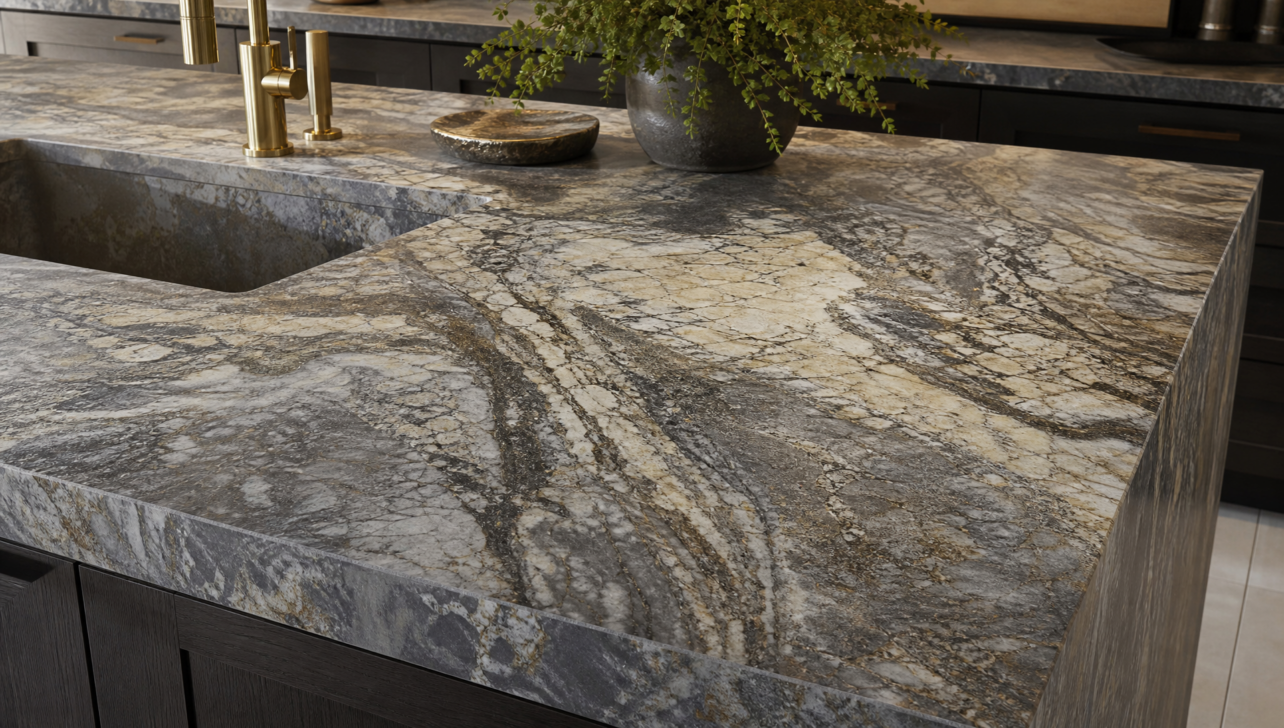
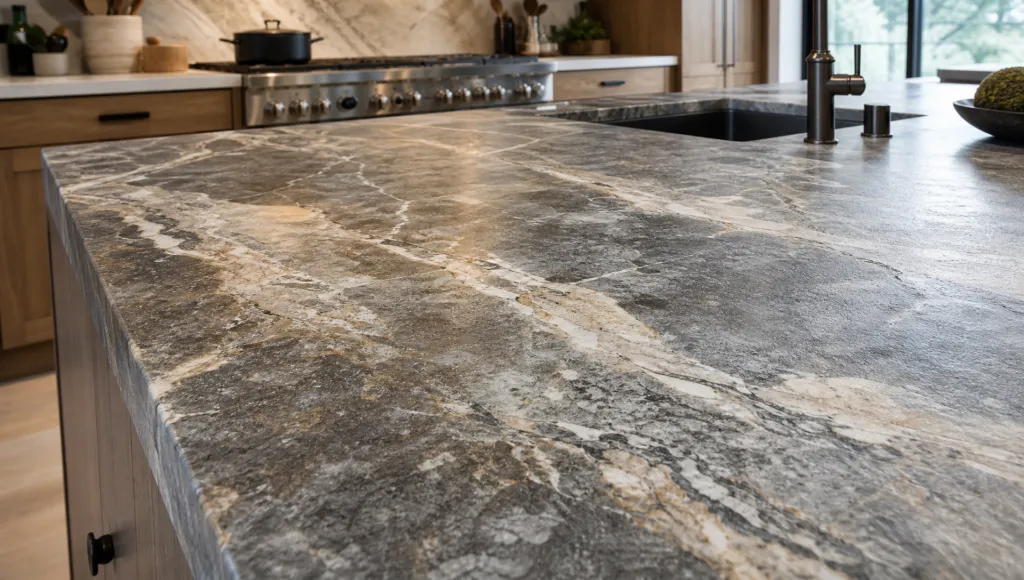
Forget flawless, polished perfection. Veined marble and quartzite countertops with dramatic, visible movement patterns are becoming kitchen focal points. Designers are deliberately choosing honed and leathered finishes that celebrate natural imperfections—every vein, color shift, and texture variation becomes a design feature rather than something to hide.
This shift reflects a bigger design philosophy: authentic beauty outweighs manufactured uniformity. When you run your hand across leathered marble, you’re experiencing geological time and natural variation that no factory can replicate. That’s luxurious in its honesty. Contemporary designers pair veined marble with contrasting materials—stone, ceramic, or composites—to create visual depth and layered interest. This approach ensures your marble counters remain architectural statements while complementing other textures throughout the space.
The beauty? Imperfection becomes the source of genuine elegance and timelessness. By celebrating what nature provides rather than fighting against it, you achieve sophistication that manufactured perfection simply can’t match. These aren’t flaws—they’re the character that makes a kitchen feel lived-in and intentional.
Light as Warmth: Table Lamps Transform Your Kitchen
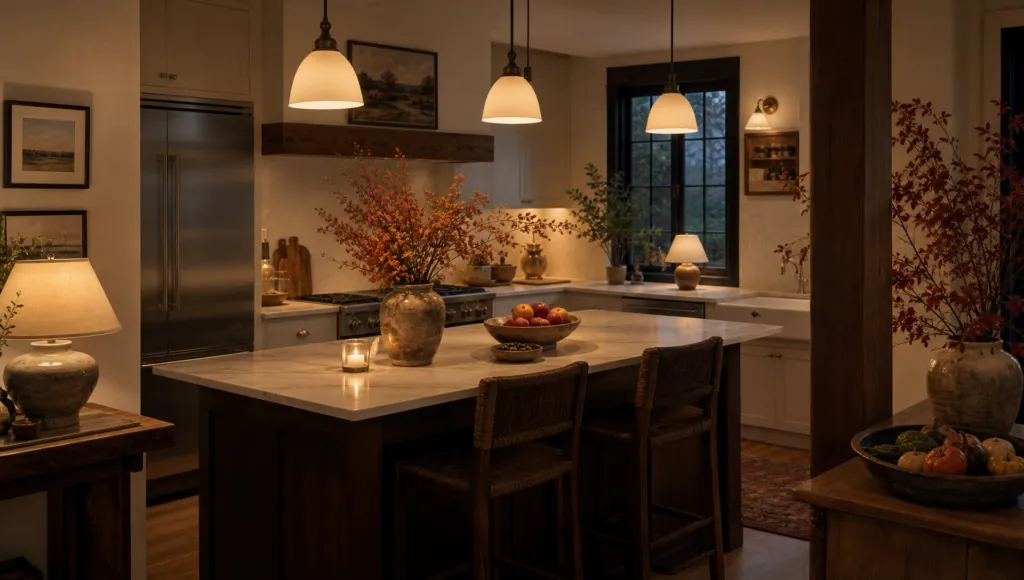
As daylight dwindles through fall and winter, kitchen lighting needs a fundamental shift. Replace harsh overhead fixtures with table lamps, counter lamps, and dimmers that create atmosphere rather than just visibility. The way your space feels matters more than raw brightness—especially during darker months when kitchens become evening gathering spaces.
Pair softer lighting with organic elements: seasonal produce on counters, fresh branches in vases, natural materials that catch warm light. This combination transforms your kitchen into an inviting, curated space rather than a purely functional work zone. Modern kitchen islands work beautifully here—pendant lighting at varied heights creates pools of warm illumination that draw people in and make the island a social focal point.
Layer different light sources at varying heights and intensities to craft a kitchen that feels warm and welcoming all day long. Thoughtfully positioned table lamps become both functional and decorative, proving that necessity and beauty aren’t separate considerations in great kitchen design.
The Hidden Revolution: Storage That Disappears
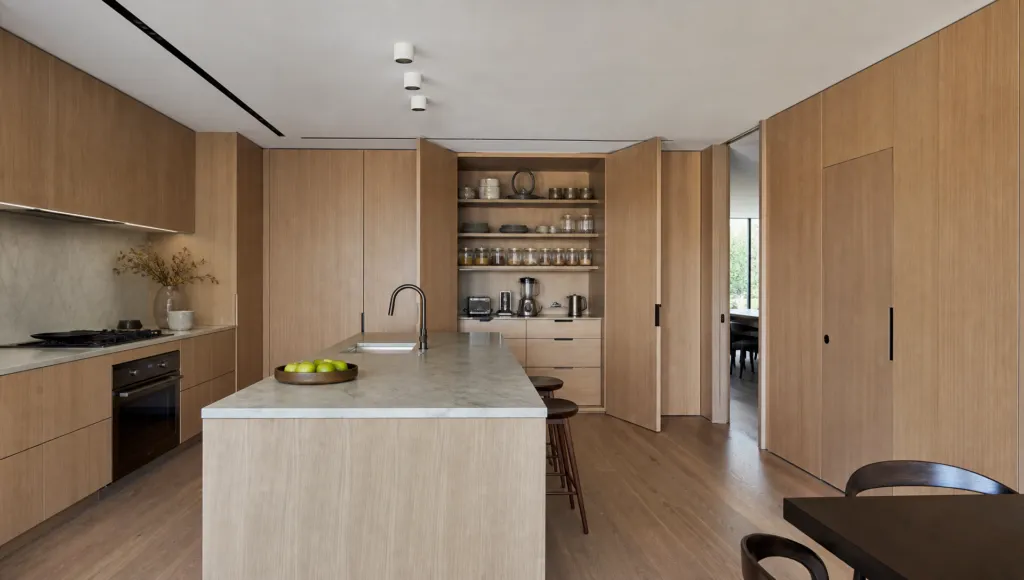
Concealed cabinetry is quietly reshaping kitchen design by proving organization doesn’t require visual dominance. Pocket slide-in doors, wooden bifold systems, and floor-to-ceiling timber panels create seamless appearances where storage vanishes into walls and custom paneling. You get personality without clutter, organization without visual noise, and functionality that recedes into the background.
These concealed systems create what designers call “breathing room”—space that feels open and intentional rather than crowded with cabinet fronts. Compact kitchens especially benefit, with hidden storage preserving visual spaciousness while maintaining complete organizational capability. This approach aligns with sustainable design that values efficient space use while supporting your practical needs.
When storage disappears, your kitchen’s genuine features emerge: the marble countertop, textured surfaces, carefully chosen freestanding pieces, and lighting design. The result feels paradoxical—simultaneously open and abundantly functional. Storage becomes invisible infrastructure rather than visual centerpiece, allowing personality and natural materials to command attention.
Texture Everything: Why Smooth Surfaces Are Becoming Obsolete
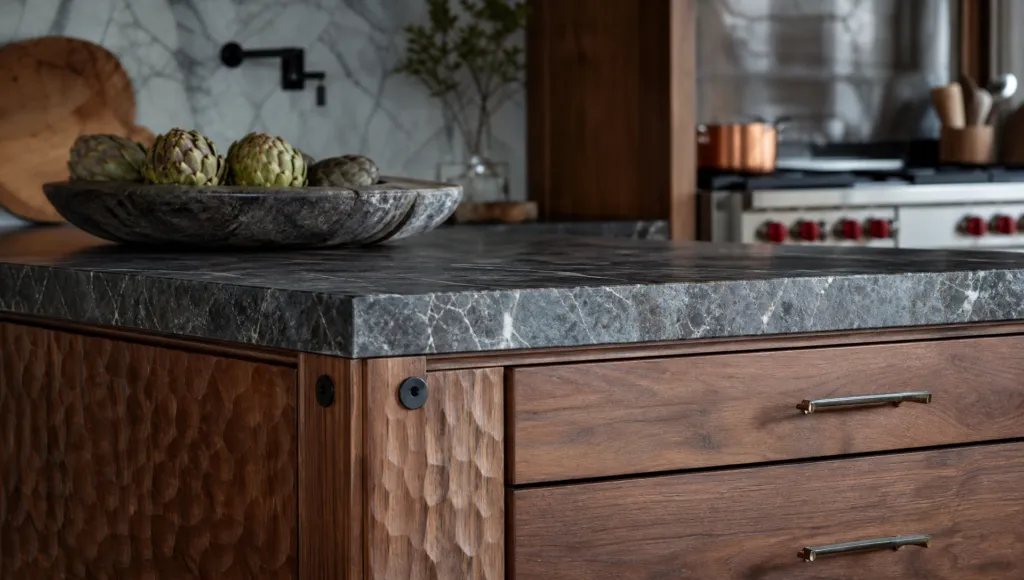
Hammered wood, hand-carved walnut details, and layered material combinations create sensory-rich kitchens that demand to be touched and experienced. Tactile surfaces aren’t decorative afterthoughts—they’re the main event. When polished surfaces meet hammered finishes and smooth marble meets textured tile, the interplay creates depth that flat, uniform materials can’t match.
These combinations transform kitchens from visual-only experiences into immersive environments engaging all your senses. Running your fingers across hand-carved walnut or feeling subtle variations in honed marble creates genuine connection. Designers layer textures intentionally—pairing smooth ceramic with rough wood, combining polished metal with matte finishes—to create visual interest and tactile richness.
Modern kitchen islands exemplify this philosophy beautifully: a walnut base paired with a marble countertop, accented with metal hardware and varied surface treatments. This is texture as design language—communicating warmth, craftsmanship, and intentionality. Great design invites interaction and rewards close observation, creating spaces that reveal new details over time rather than showing everything immediately.
The Island That Steals the Show: Where Cooking Meets Conversation
Kitchen islands have evolved from prep-only work zones into genuine social hubs where cooking functionality, integrated storage, and dining capacity converge. These new islands blur boundaries between utilitarian kitchen space and living area, becoming architectural statements designed to be noticed, admired, and gravitationally central to your kitchen’s layout.
Designers intentionally choose contrasting materials and colors that distinguish islands from surrounding elements. An island in contrasting wood tones with different countertop materials or distinctive lighting commands attention while serving practical purposes. Strategic pendant lighting, varied textures, and produce displays enhance islands as luminous gathering points anchoring the entire kitchen experience.
This approach acknowledges that modern kitchens are open, social areas where cooking, dining, and gathering happen simultaneously. Contemporary design offers countless island approaches—from minimalist modern to eclectic farmhouse—each demonstrating how material contrast and thoughtful seating transform islands into social infrastructure. By layering materials, contrasting finishes, and incorporating warm lighting and organic elements, your island becomes the gravitational heart of the kitchen—where utility and beauty converge so completely that distinguishing between them becomes impossible.