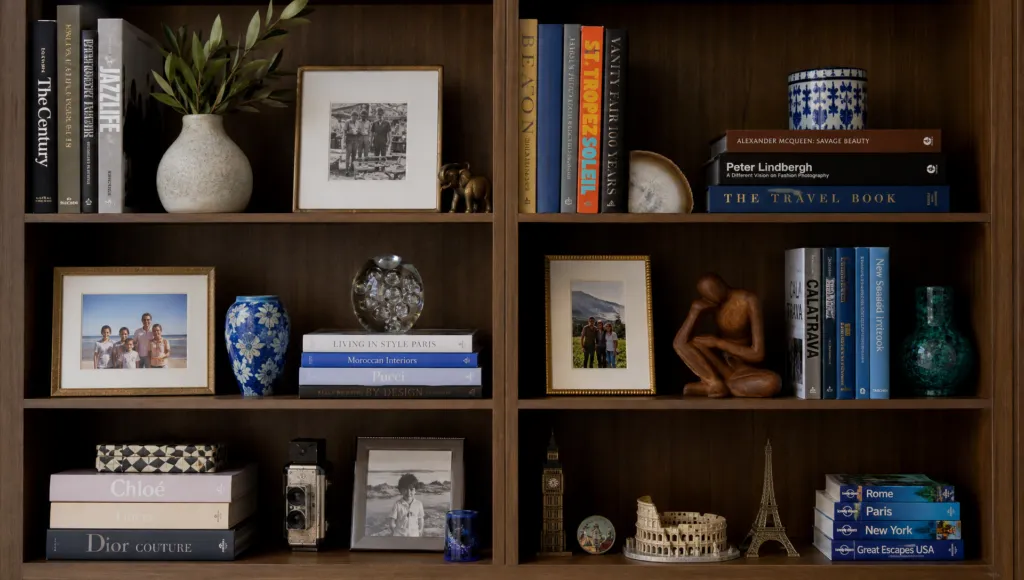
Books aren’t just vessels for stories—they’re powerful design statements that reveal who you are and what you value. When you arrange your collection with intention, your bookshelf becomes a visual autobiography: the art books stack next to your grandmother’s cookbook next to that dog-eared novel you’ve read five times. This isn’t accidental messiness; it’s authentic curation.
There’s a real shift happening in how we think about bookshelves. Instead of treating them as filing systems (which, let’s be honest, nobody actually uses), interior designers now recognize that thoughtfully arranged collections can transform any room into a genuine reflection of your personality. A well-curated bookshelf instantly communicates sophistication, creativity, and intellectual engagement—without saying a word.
The magic happens when you mix meaningful books with personal treasures: travel souvenirs, framed photos, small sculptures, textured ceramics. You’re not just storing—you’re layering visual interest and personal meaning. Whether you’re filling a modest office corner or an entire wall, the principle stays the same: intentionality, authenticity, and visual harmony.
Here’s what makes this approach so compelling: you don’t need unlimited space or a sprawling library. Your bookshelf becomes more than storage—it becomes a narrative of who you are, told through carefully selected objects and genuine collections.
The Hidden Design Rule: Small Spaces Need Bold Choices, Not Timid Ones
Here’s what surprises most people: small spaces actually demand boldness, not restraint. The conventional wisdom—play it safe with neutrals and minimal furniture—gets it backwards. Interior designers have known this for years, but they rarely explain why.
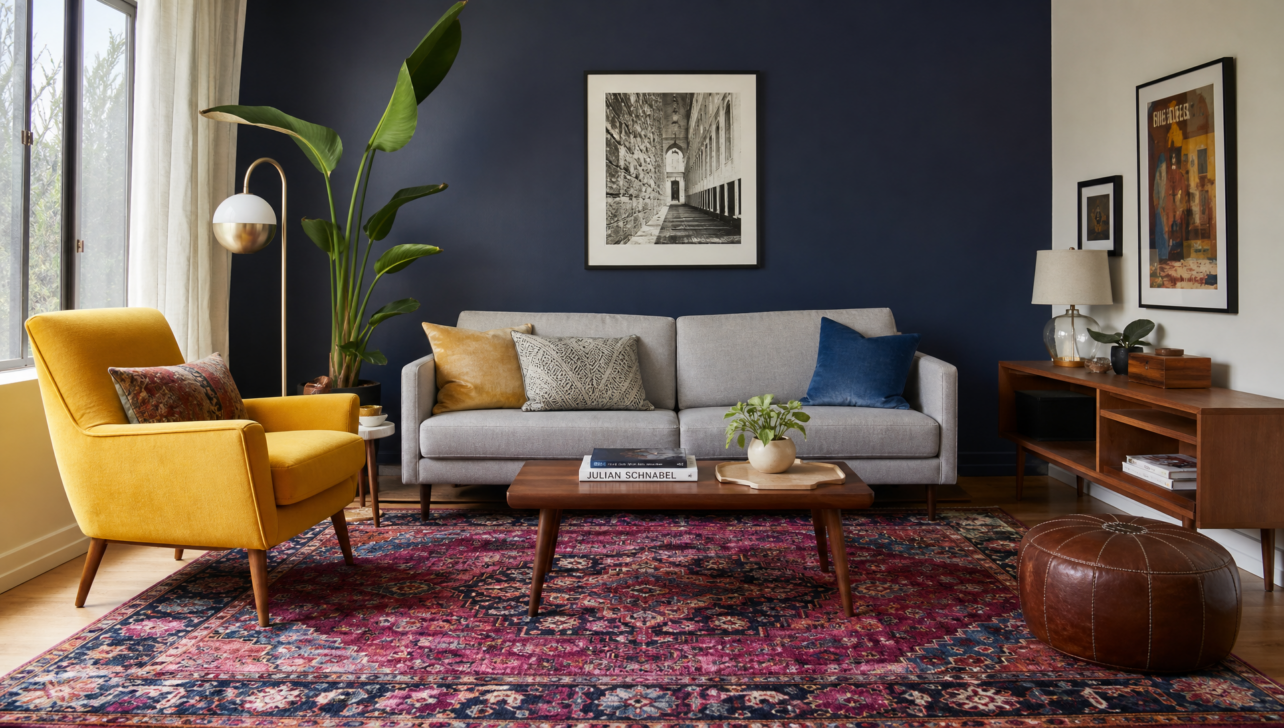
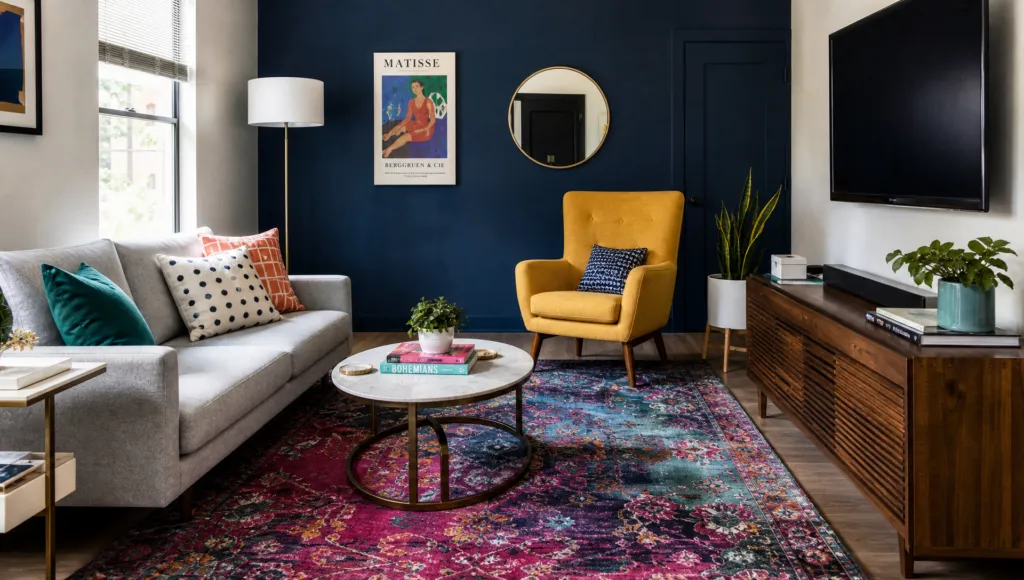
Turns out, excessive neutrality in compact rooms makes them feel *more* cramped, not less. Your brain perceives the space as emptiness rather than possibility. But when you introduce saturated colors, meaningful textures, and intentional furniture pieces, something shifts psychologically. A vibrant rug, a well-chosen accent wall, or statement furniture grounded in the space suddenly makes it feel significantly more expansive.
The key is strategic boldness: choose pieces with personality and position them deliberately. Think about how professional design studios handle this—they layer design-forward furniture with clean lines and carefully curated elements that create dynamic, functional spaces. The focus becomes maximizing impact within your actual square footage, not lamenting what you don’t have.
When a small space contains personality and thoughtful design, our minds engage with the intentionality rather than the limitations. A professionally designed small office with character outperforms a sterile, oversized corporate space every time.
Stop Arranging Books Like a Library—Here’s What Actually Works
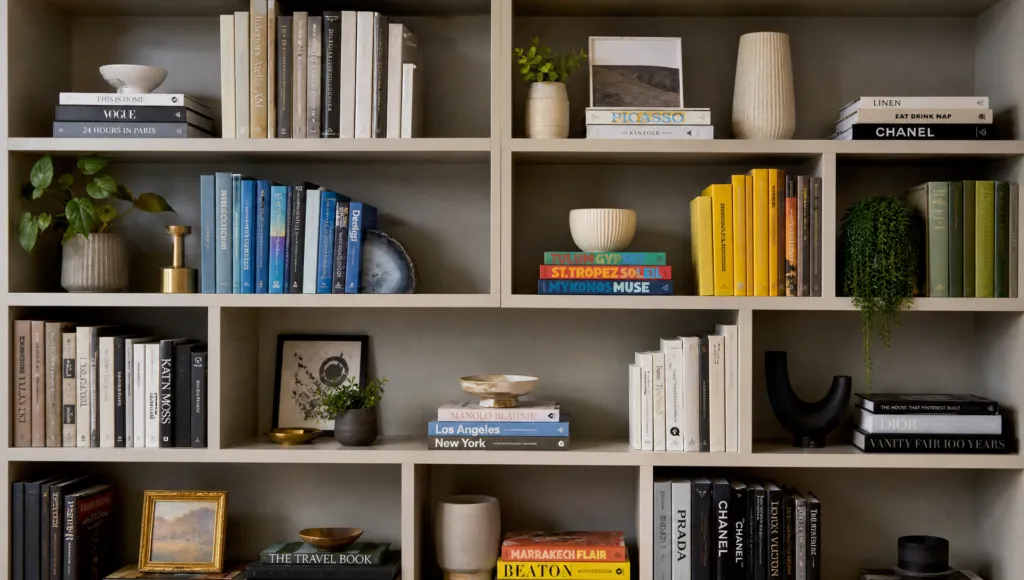
The traditional ‘spine-out only’ bookshelf is officially dead. Modern book styling embraces horizontal stacking, varied orientations, color-coded groupings, and mixed heights—techniques that transform shelves into living galleries.
Here’s why mixed styling works: it creates visual rhythm that draws your eye through the space deliberately. By combining different orientations and grouping books by color rather than purely by subject, you create movement and intrigue. This isn’t just aesthetically pleasing—it makes your space feel curated and personally meaningful.
Once you stop thinking of books as purely functional storage, endless possibilities open up. You can consider color palettes, sculptural shapes, texture contrasts, and how collections interact with adjacent objects. Stack books horizontally to showcase beautiful covers. Lean some vertically for depth. Position your most-loved volumes face-forward to highlight them.
The liberation here is real: you’re no longer confined by the need to easily locate specific titles. Instead, your bookshelf becomes a genuine reflection of your aesthetic preferences, transforming ordinary storage into an extraordinary design statement that feels authentically *yours*.
Strategic Lighting: The Secret Weapon That Elevates Everything
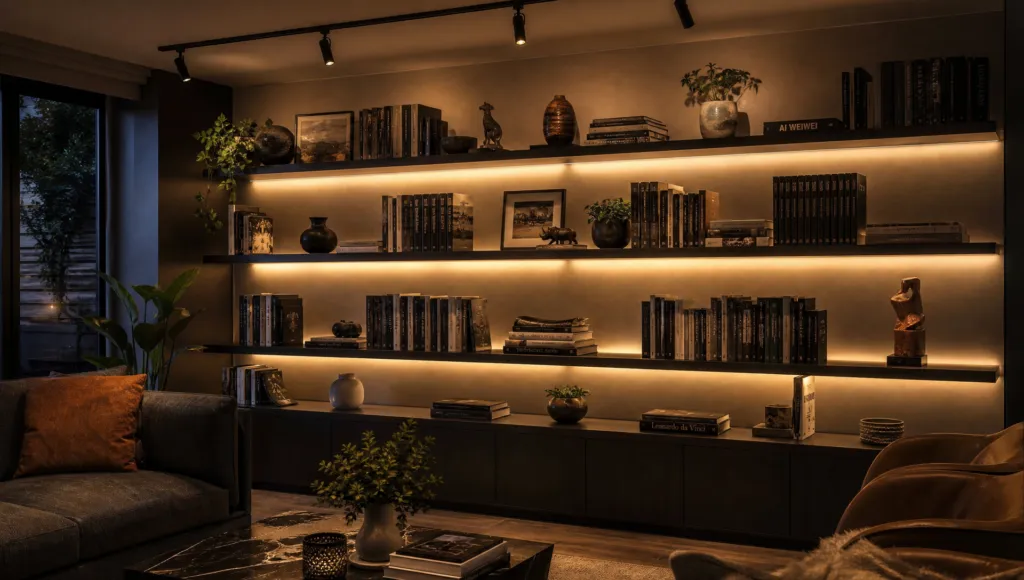
Here’s what separates gallery-worthy bookshelves from ordinary ones: lighting. Proper illumination transforms static shelves into dynamic focal points that evolve throughout the day.
Think about how museums light their collections—nothing is random. Spotlights, LED strips behind shelves, or warm accent lighting guide your eye to what matters most. When your treasured books and personal objects are illuminated, they gain visual authority and create hierarchy within your space. Suddenly, your most meaningful items deserve—and receive—attention.
Beyond aesthetics, strategic lighting sends a message: these curated objects reflect your taste, your values, your intentionality. Properly lit collections communicate confidence and refined judgment. The psychological impact is real—illuminated items feel more important and more worthy of appreciation.
Start simple: consider adjustable track lighting above shelving, small LED puck lights for accent areas, or warm-toned strips behind floating shelves. The investment pays dividends in how your entire space feels—more purposeful, more thoughtfully designed, more genuinely *you*.
The Simple Formula: Layer Books With Your Most Precious Personal Items
The best bookshelves tell a complete story through layered meaning. Books mix with framed photographs, travel souvenirs, artwork, and decorative objects—creating visual interest while establishing a narrative about your taste, values, and life experiences.
This works because it mirrors how humans naturally experience meaningful spaces. Our homes contain layers of memory: photographs from important moments, objects collected from travels, artwork that moves us. Rather than storing these in drawers, integrating them into your bookshelf creates visual richness and genuine emotional resonance.
Here’s the formula: mix textures and materials. Combine fabric, ceramic, wood, metal, and glass. Position your travel treasures next to beloved books. Let personal artifacts create visual conversation with your collection. This curation signals something crucial about authenticity and creativity.
When your workspace contains visible evidence of your personality, interests, and experiences, you communicate depth and humanity. Colleagues and clients see a thoughtful person with meaningful priorities—not a generic professional. This transparency paradoxically creates stronger professional relationships and spaces where genuine work can flourish. Your bookshelf becomes less about displaying knowledge and more about displaying who you genuinely are.