

The best spot for a piece of art does two things: it helps the work feel at home in the room and protects it from avoidable damage. A print that looks balanced above a sofa may be difficult to appreciate in a narrow hallway. A painting that suits the colors of a bathroom may be better displayed somewhere drier.
Start by considering the artwork itself. An inexpensive, replaceable print gives you more freedom than an original watercolor or a family heirloom. Then look at the wall, the furniture around it, and the conditions the piece will encounter every day.
Begin With the Artwork and the Room
Before choosing a location, ask how much exposure and handling you are comfortable with. A treasured original deserves a more protected position than a poster you can easily replace. Works on paper, photographs, and paintings can have different preservation needs, so consult a conservator or experienced framer about valuable or fragile pieces.
Next, consider how the room is used. Art in a dining room might be viewed from seated eye level; a piece in an entryway may be seen while people are moving past it. A low-hung work can feel connected to a nearby chair or console, but it may be vulnerable to bumps where people walk.
Look at the wall throughout the day, too. A shaded spot in the morning may receive a band of direct sun in the afternoon. The Smithsonian’s Museum Conservation Institute recommends displaying paintings away from direct sunlight and heat, in a place with relatively stable humidity.
Find a Comfortable Height and Scale
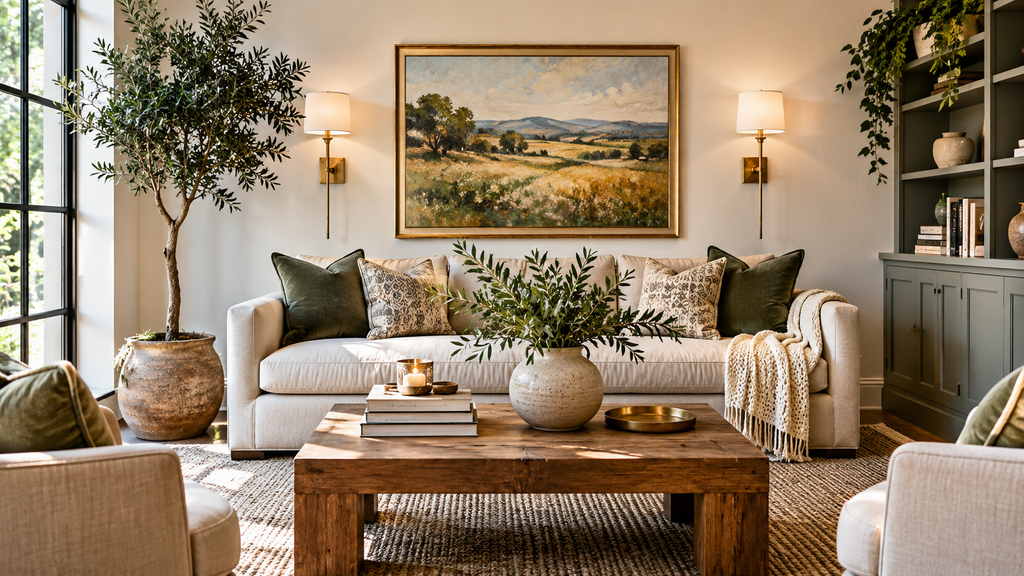
There is no single height that works in every room. A common starting point is to place the center of a work around eye level, then adjust for the furniture, the people using the room, and the viewing distance. Treat that as a design guideline, not a rule.
Above a sofa, bed, or console, consider the furniture and artwork as one composition. A large gap can make the piece feel disconnected; too little space can make the arrangement feel crowded or put the frame within reach of people leaning back. Check the position from both standing and seated viewpoints before installing hardware.
Scale is equally flexible. A small piece can hold a large wall when it has generous, intentional space around it, while several small works can be grouped to create a wider composition. To test an arrangement, lay the frames on the floor or use paper templates on the wall. Step back and look at the outer edges of the group as well as the gaps between frames.
A large piece above a bed can work well, but it is not the only option. A smaller arrangement beside the bed or near a nightstand may suit a quieter room. Leaving the wall blank is also a valid choice.
Protect Art From Sunlight
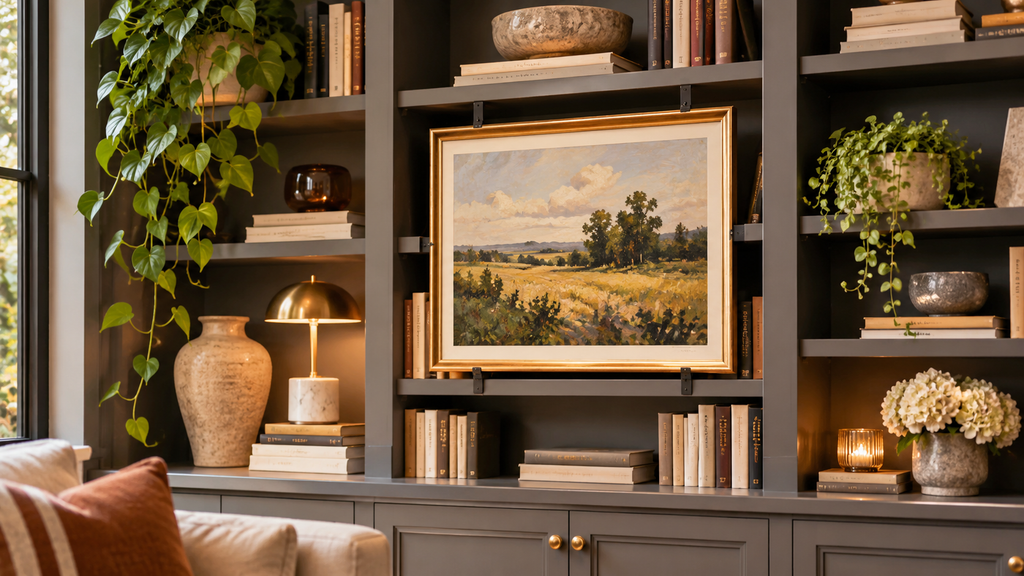
Direct sunlight can cause fading and other changes over time. The Canadian Conservation Institute notes that light damage can be irreversible, and even prolonged indirect or artificial light can affect a painting. Choose a wall that avoids direct sun throughout the day, especially for work you want to preserve. Canadian Conservation Institute, Basic Care: Paintings
Window coverings can reduce exposure, and UV-filtering window film or glazing may provide additional protection. Neither makes a work immune to fading: visible light can also cause damage. For a particularly light-sensitive piece, limiting display time or rotating it with another work may be useful. Canadian Conservation Institute, Environmental Guidelines for Paintings
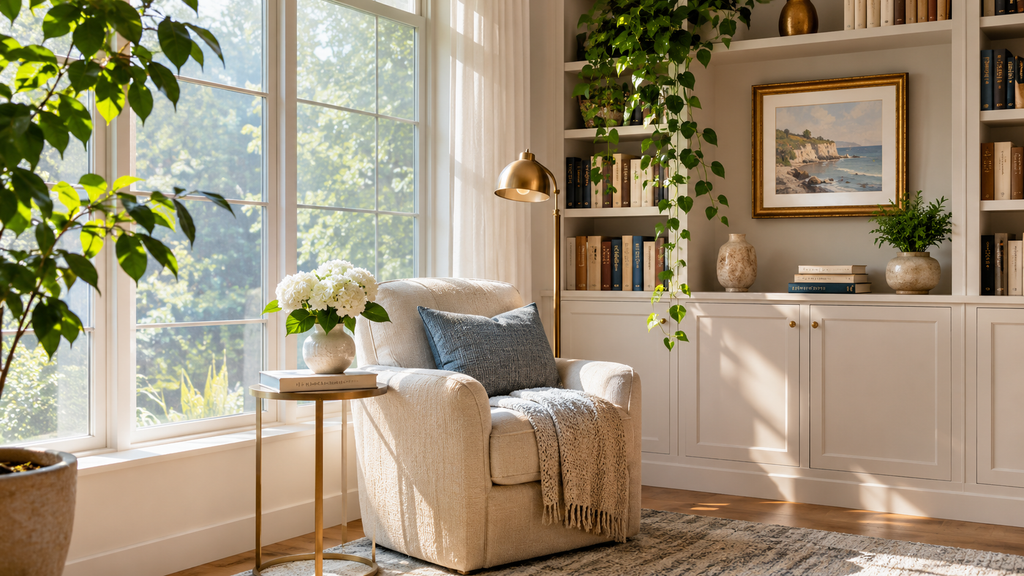
A bookshelf or reading nook may offer shade, but check the actual light before relying on it. Do not apply a protective coating directly to a painting as a routine home fix. For an original or valuable work, ask a qualified conservator about appropriate treatment and display.
Be Selective in Bathrooms and Kitchens
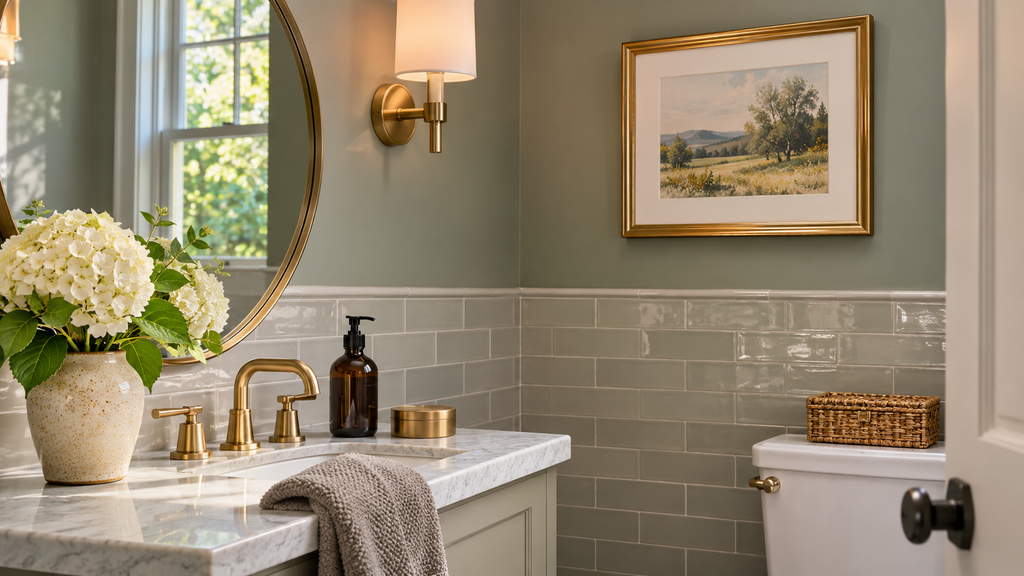
A bathroom can be an enjoyable place for a small print, but splashes are only part of the concern. Steam and changing humidity can affect artwork even when water never reaches the frame. Glass or acrylic glazing offers some protection; it does not turn an ordinary frame into a moisture-proof enclosure.
For a bathroom with a shower, keep valuable or irreplaceable work elsewhere. A replaceable print in a well-ventilated powder room may be a more practical choice. Place it away from sinks and direct splashes, and check periodically for condensation or changes in the frame.
Works on paper benefit from appropriate framing materials and separation from the glazing. A framer can advise on the work and its intended location; the Canadian Conservation Institute’s framing guidance cautions against simply sandwiching paper art between sheets of glass.
In kitchens, a small print can add character to an otherwise practical space. Keep it away from the stove, sink, steam, and food preparation, and choose something replaceable if the room is prone to grease or splashes. For paintings, conservation guidance advises against display in areas exposed to cooking fumes and food. Canadian Conservation Institute, Storage and Display Guidelines for Paintings
Think Twice About the Fireplace
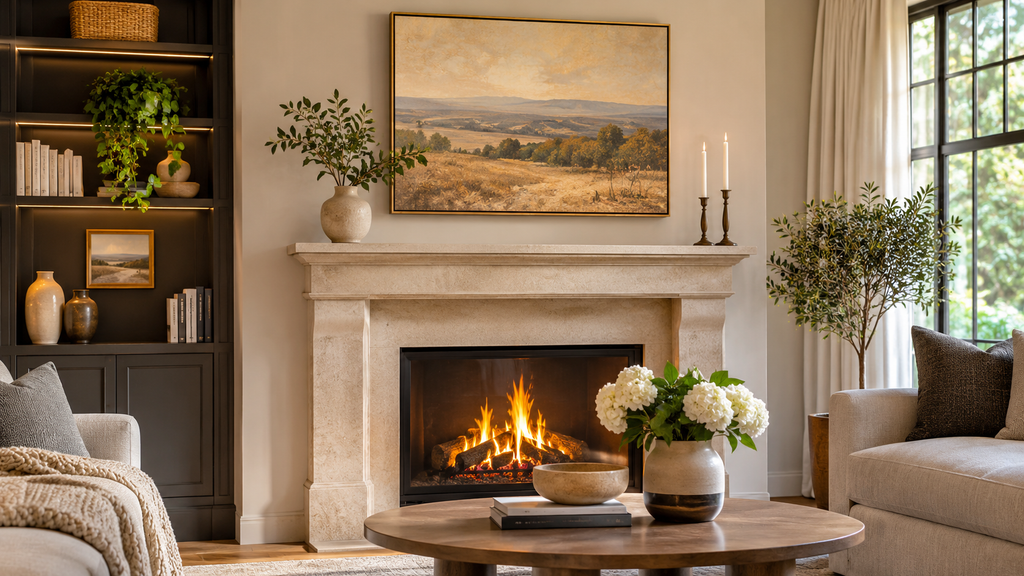
A mantel creates an obvious focal point, but it does not necessarily create a good environment for a painting. Heat, fluctuating conditions, smoke, and soot can all be concerns. The Smithsonian advises against hanging paintings over fireplaces. Smithsonian, Caring for Your Paintings
For a working fireplace, consider placing valued art on another wall and using the mantel for an object suited to the conditions. If you are considering a display above any heat source, check the fireplace manufacturer’s instructions and consult a conservator about the artwork. A visually pleasing gap above the mantel is not, by itself, evidence that the location is safe.
Make Use of Less Obvious Spaces
Once you have ruled out damaging conditions, look beyond the largest blank wall. Smaller locations can make art feel personal without requiring a major rearrangement.
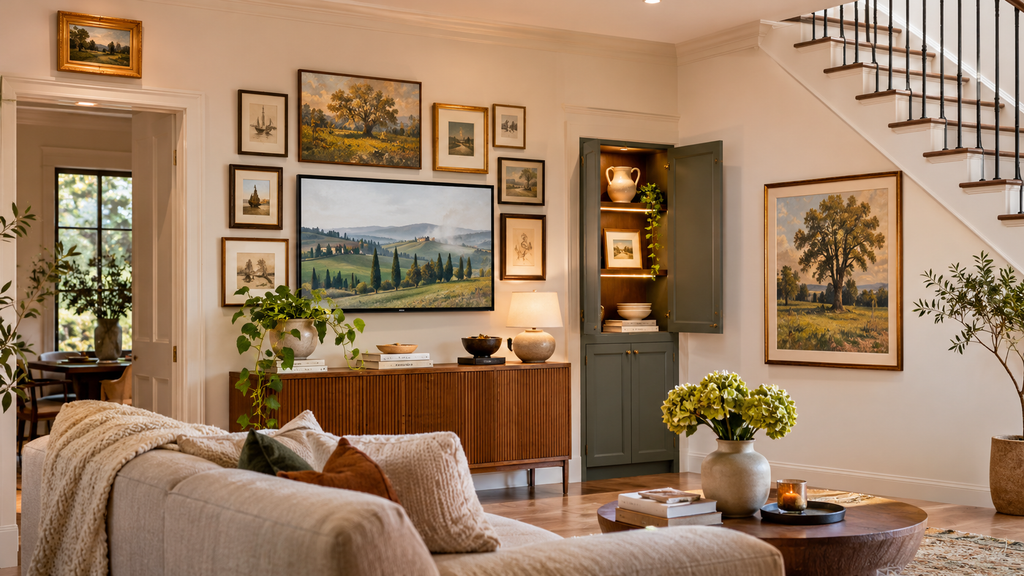
Bookshelves: A small framed piece can sit among books and objects, or be attached to the face of a sturdy bookcase. Keep frequently used shelves accessible and use hardware appropriate to the bookcase material and the frame’s weight. Avoid blocking ventilation or access to electrical equipment.
Under a staircase: A single piece can give an awkward wall a purpose. Judge its position from the room or landing where it is most often viewed, and leave enough clearance that it will not be brushed by passing people.
Inside a cupboard: A small, replaceable image on the inside of a door or the back of a cabinet can make a functional space more inviting. Check that the door and its contents will not strike it, and avoid areas exposed to moisture or heat.
Above a doorway: This can be an option for a small work in a tall room, although it may be harder to see and maintain. Secure it properly and make sure it does not interfere with the door.
A picture ledge or a frame leaning on a shelf can make a display easy to change, but a loose frame can slip or be knocked over. Use a stable, suitable ledge and secure the piece where needed, especially around children, pets, or busy walkways. Avoid relying on a freestanding frame above a bed.
Hang It Securely
Choose hanging hardware for the combined weight of the framed piece and the wall material, and follow the hardware manufacturer’s instructions. The Smithsonian recommends sturdy, appropriately sized hardware and a securely anchored wall hook; it also advises checking hanging components periodically for wear. Smithsonian, Caring for Your Paintings
Keep heavy or breakable objects out of places where they could fall onto someone sleeping or sitting. In earthquake-prone areas, take additional precautions when securing hanging objects and furnishings; consult local guidance and suitable hardware instructions. Earthquake Country Alliance, Secure Your Space
Renters should check their lease or get permission before drilling or attaching hardware. Adhesive products and removable systems have their own surface and weight limitations, so follow the manufacturer’s instructions rather than assuming they will work on every wall.
Before making holes, take one final look at the location: Will the art receive direct sun? Is it near steam, heat, or splashes? Could a door or a person strike it? If the answer is yes, a different wall or a replaceable piece may be the better choice. Once those practical questions are settled, let the arrangement reflect what you enjoy seeing every day.