Beach houses are experiencing a quiet design revolution.
While most homeowners stick with traditional single-kitchen layouts, forward-thinking designers are asking a fundamental question: do coastal homes actually need just one kitchen?
From innovative T-shaped layouts in Delaware to reimagined floor plans across North Carolina, architects are discovering that modern beach living demands a different approach.
The shift reflects how today’s coastal families truly use their spaces—not as pristine showcases, but as genuine gathering places where everyday living and entertaining seamlessly blend.
This evolution represents more than aesthetic preference; it’s a practical response to how coastal communities have transformed.
Designers are challenging decades of convention, recognizing that a single kitchen struggles to handle simultaneous meal preparation, family cooking, and entertaining. The result? Thoughtful spatial planning that creates homes reflecting how people actually live.
The Two-Kitchen Strategy: When Separation Creates Harmony
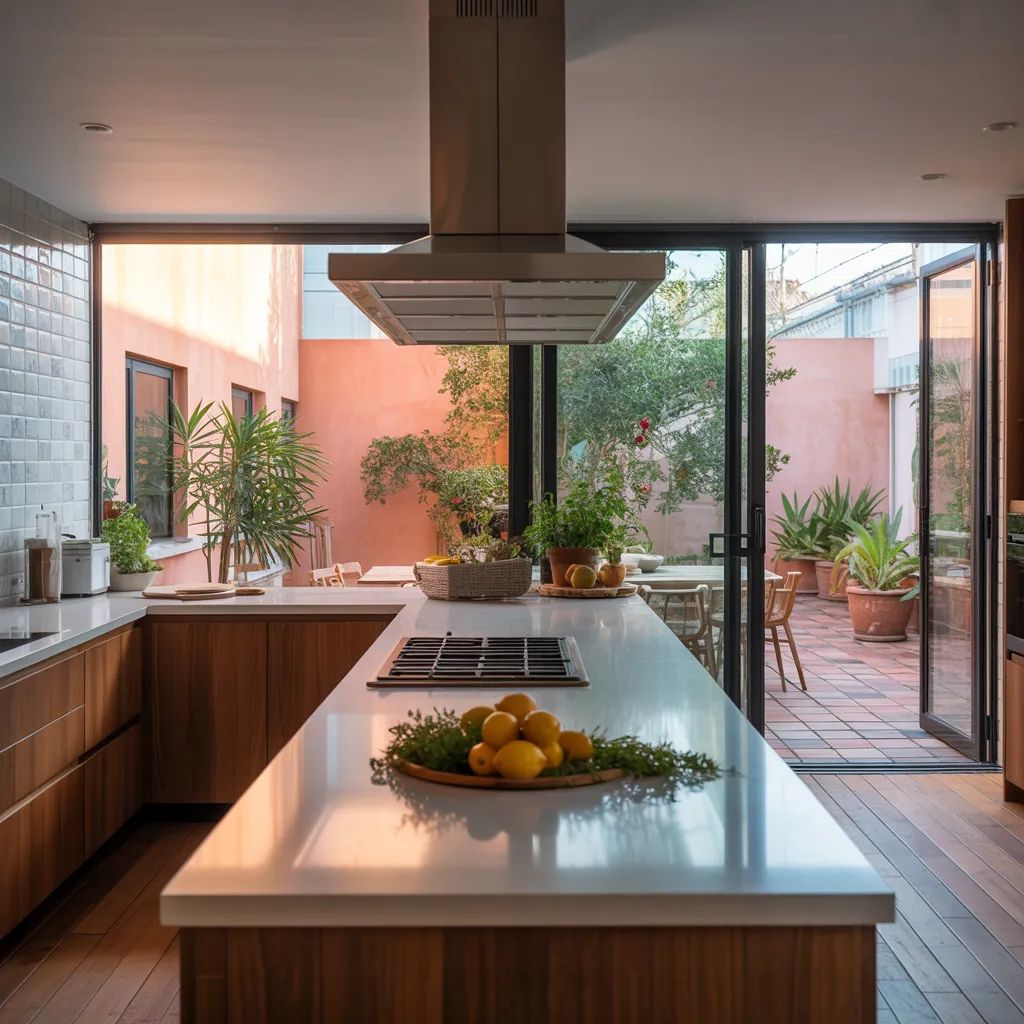
Two kitchens might sound like luxury excess, but architects are discovering something practical: strategic separation works beautifully.
Picture this: one kitchen becomes your high-performance workspace for meal prep—equipped for serious cooking without distraction.
The other transforms into a social gathering hub where guests naturally congregate. This division eliminates bottlenecks during gatherings, keeps cooking chaos hidden, and lets you entertain without sacrificing functionality.
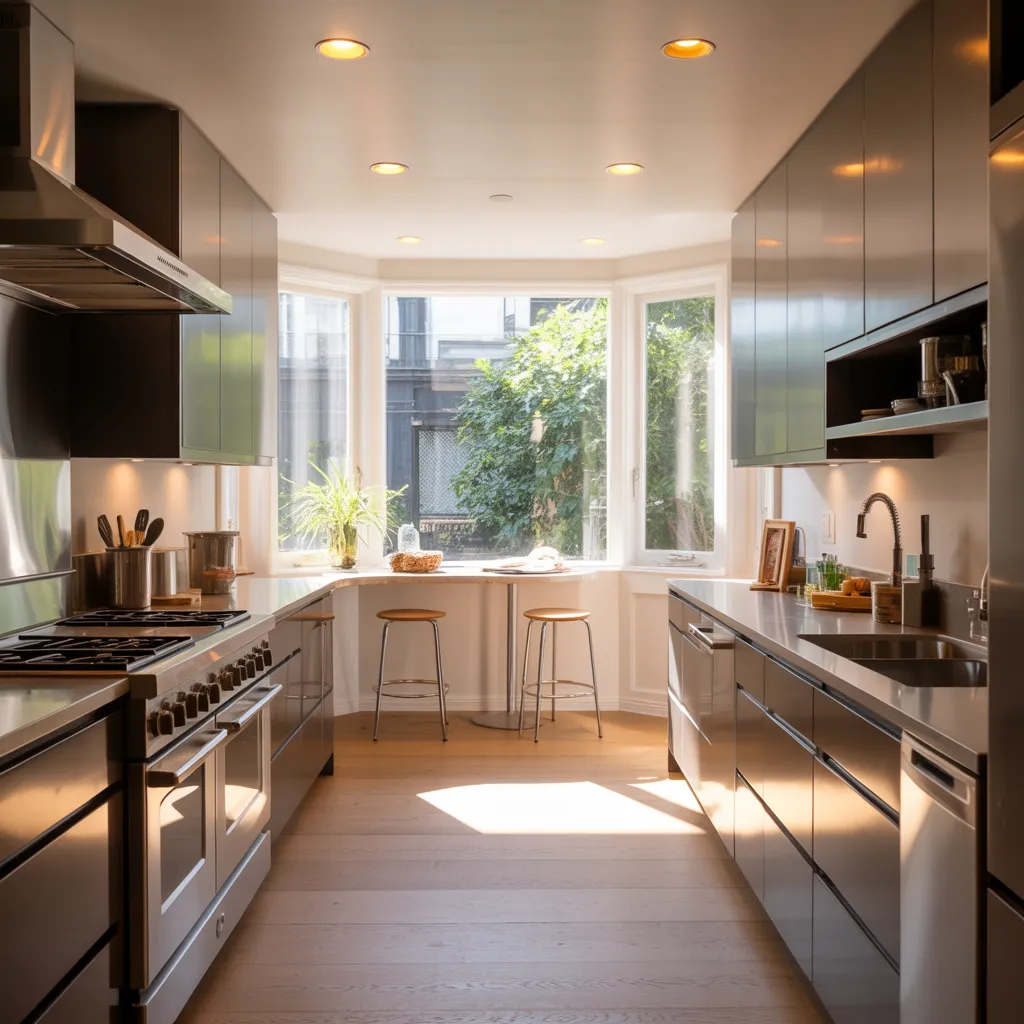
Consider a typical week-long family visit in a traditional single-kitchen home: one person gets trapped prepping meals while missing all interaction.
With dual kitchens, meal prep happens efficiently in a dedicated workspace while guests socialize in an adjoining entertaining kitchen.
The popular T-shaped layouts emerging in Delaware renovations exemplify this brilliantly, creating distinct zones that serve specific purposes while maintaining visual and functional connection. It’s not about having more—it’s about having smarter.
Embracing Patina: Why Timeless Looks Better Than Perfect
The trendiest design element isn’t new at all—it’s what looks naturally aged and loved. Designers are moving away from pristine, showroom-perfect finishes toward surfaces that tell stories.
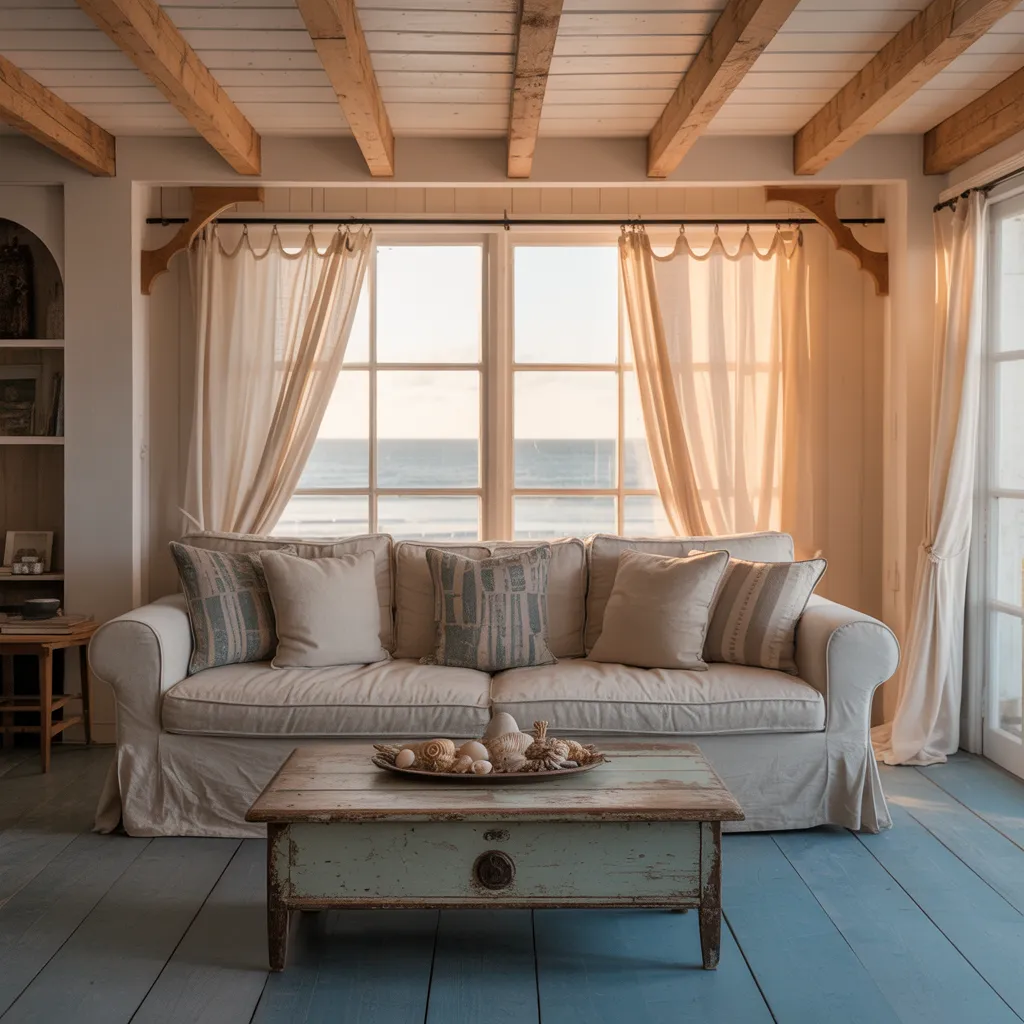
Painted blue floors, vintage furnishings, and period-inspired details create homes that feel established, as if they’ve been cherished for generations.
Beach environments demand special consideration: high-performance paint formulations protect against salt spray while maintaining aesthetic appeal, and quality textiles fade gracefully with time and use.
Award-winning North Carolina beach homes exemplify this approach, featuring painted floor treatments that evoke coastal traditions while enduring sand, salt, and constant foot traffic.
The psychology is powerful—a new home that immediately feels established creates emotional resonance that sterile perfection cannot match.
Rather than fighting coastal wear, these designs embrace it. High-performance fabrics fade naturally, flooring develops character and patina, and furnishings are chosen for durability.
Life doesn’t damage the design—it enhances it, creating homes that improve with every gathering and season.
Small Details That Invite People to Truly Belong
What transforms a beautiful beach house into a genuine home? The answer often lies in thoughtful, intimate details rather than grand architectural gestures.
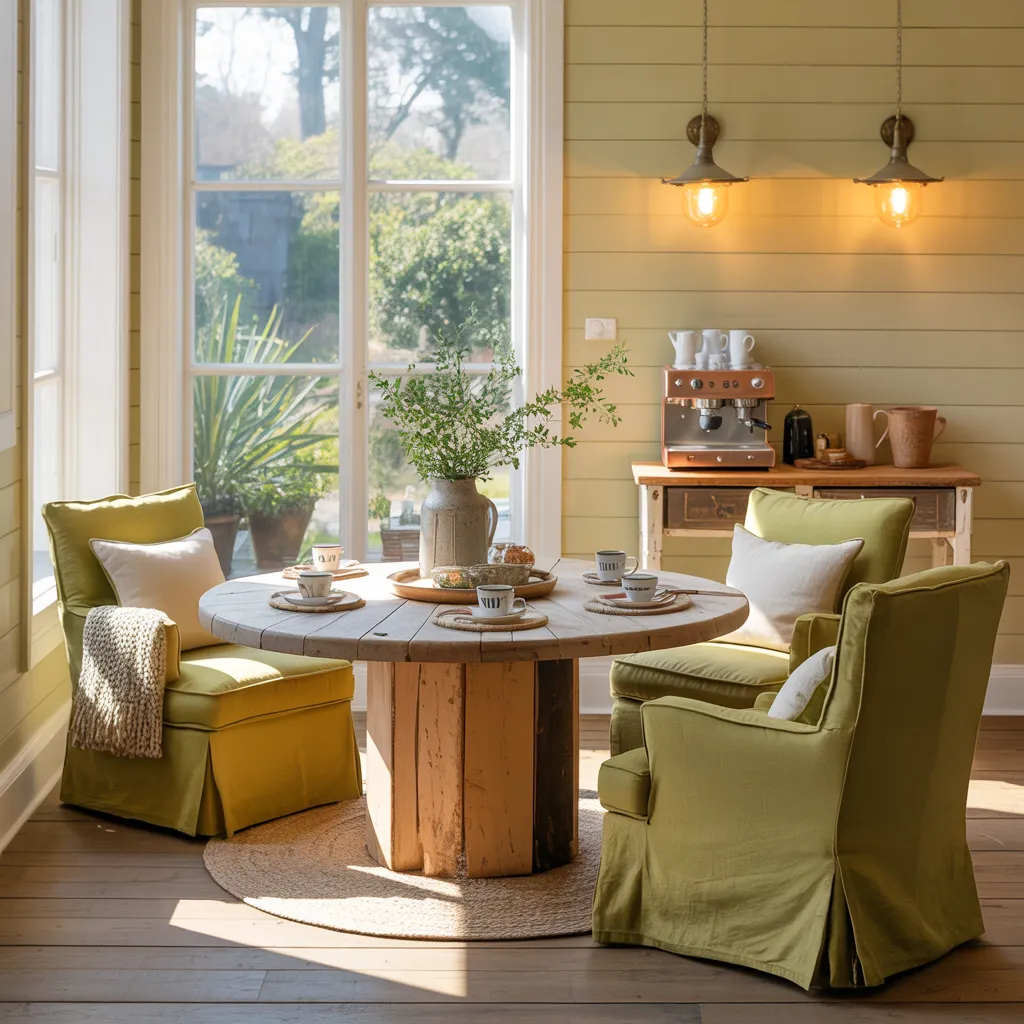
A carefully curated coffee bar, a generous dining nook, or strategically placed vintage seating naturally draws people in.
These touches signal comfort and belonging, creating spaces where guests instinctively relax and linger. A welcoming coffee station tells visitors they’re encouraged to help themselves—no formal service required.
An oversized dining nook that comfortably seats large gatherings makes clear the home celebrates togetherness.
Comfortable seating arranged for conversation invites people to sink in and stay awhile. When visitors enter these thoughtfully designed spaces, they understand they’re genuinely welcome to inhabit the home, not merely admire it from a distance.
This fundamental shift—from creating impressive spaces to creating authentically welcoming ones—represents the true evolution in contemporary beach house design. It’s about hospitality expressed through functional, comfortable details rather than expensive finishes.