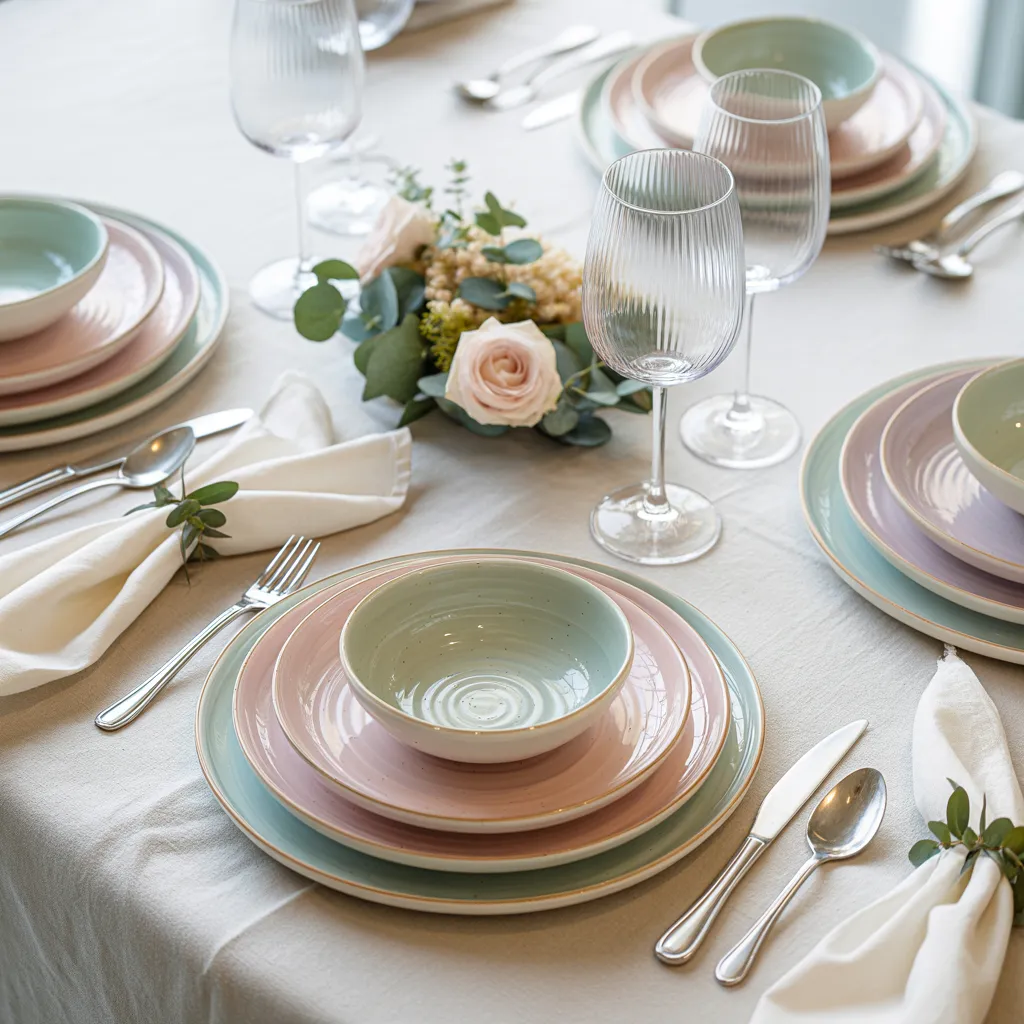
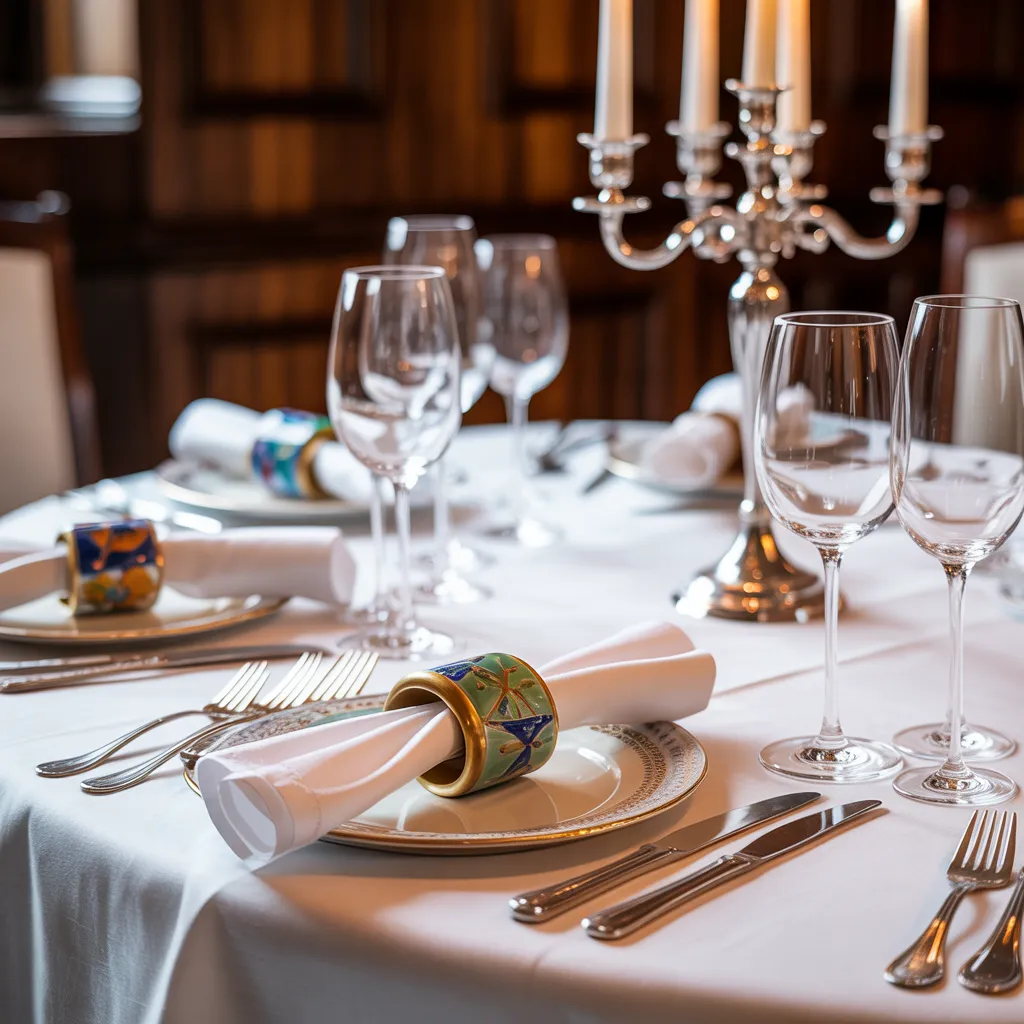
While hosts often fret over centerpieces and color schemes, there’s a tiny accessory that’s been quietly signaling true hospitality for centuries.
Napkin rings aren’t just decorative afterthoughts—they’re a subtle signal of intentionality that transforms an ordinary table into something thoughtfully designed.
Table design experts agree: this humble detail, often dismissed as old-fashioned or overly formal, is actually your secret weapon for creating a genuinely curated dining experience.
Whether you’re hosting a formal dinner or an intimate gathering, strategic napkin ring use elevates your entire aesthetic and sets a welcoming tone before guests even sit down. What makes them so powerful? It’s not about prominence—it’s quiet sophistication.
These pieces work because they’re thoughtfully chosen from diverse materials: ribbon, ceramic, twine, glass, metal, and more.
Like design-oriented hosts who curate bar accessories and select tableware based on craftsmanship rather than quantity, treating each napkin ring as a collected element adds real character.
Every intentional choice—from your napkin ring to your glassware—contributes to an effortlessly curated ambiance that makes guests feel genuinely welcomed.
From Practical Necessity to Personality Statement
Napkin rings started with a straightforward job: keeping track of whose cloth napkin was whose during multi-day visits, back when napkins weren’t laundered after every meal.
This clever solution emerged from European bourgeoisie around 1800, first appearing in France before spreading through formal dining cultures worldwide. As dining rituals evolved and table etiquette became more refined, napkin rings transformed into something far more personal and expressive.
Early 19th-century versions were typically silver or silver plate, but quickly expanded to include bone, wood, pearl embroidery, and porcelain.
The 20th century brought bakelite and innovative modern options, while today’s palette spans ceramic, ribbon, twine, and jewel-toned gemstone-like finishes.
Now, napkin rings reveal your design sensibility and genuine attention to detail. Whether you’re presenting them in standard sets (four, six, eight, or twelve pieces—common practice in English-speaking countries) or as personalized pieces with names and initials for special occasions, they communicate your hosting philosophy.
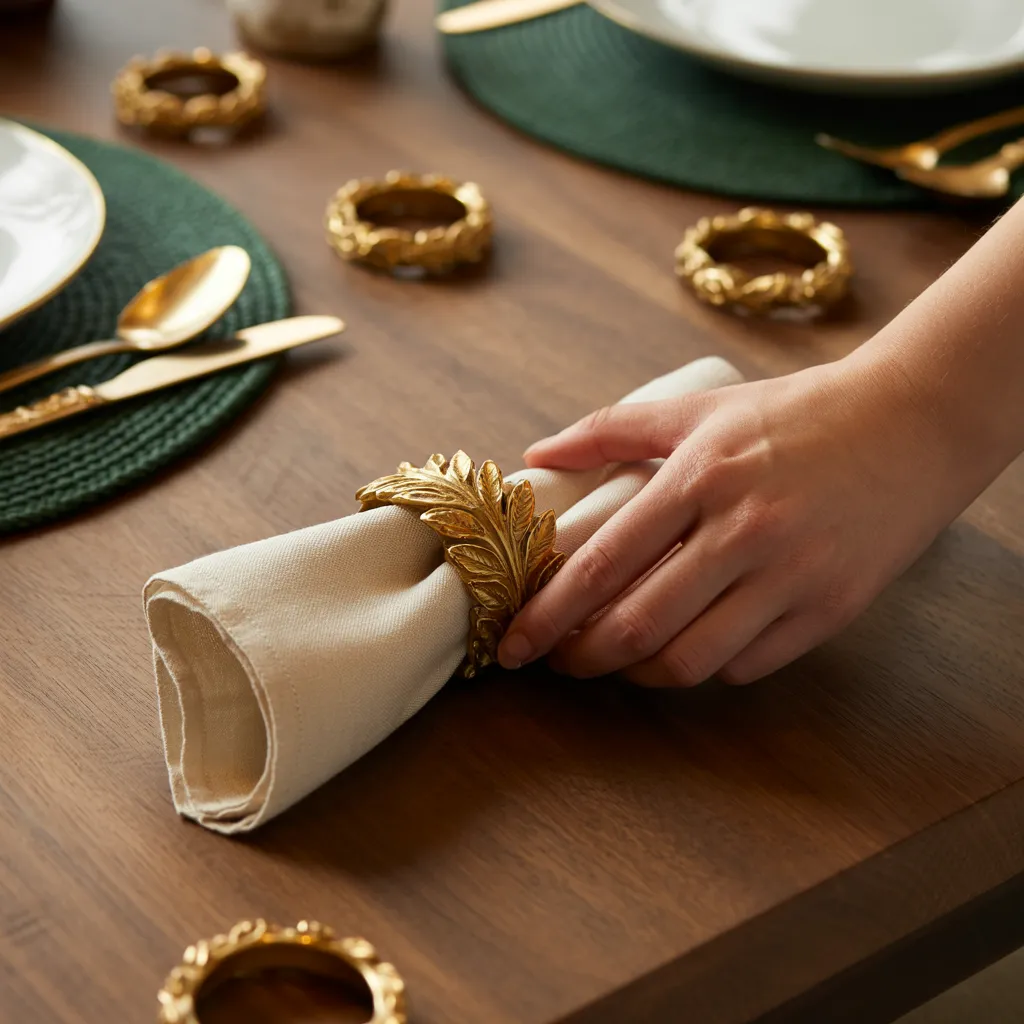
A golden ring with leaf designs, delicate floral ceramic, iridescent glass in pearly tones, or textured metallic gold—each choice speaks volumes about how you approach entertaining.
This evolution reflects a larger truth: napkin rings represent an appreciation for quality materials and thoughtful curation, central to the collecting tradition surrounding fine tableware.
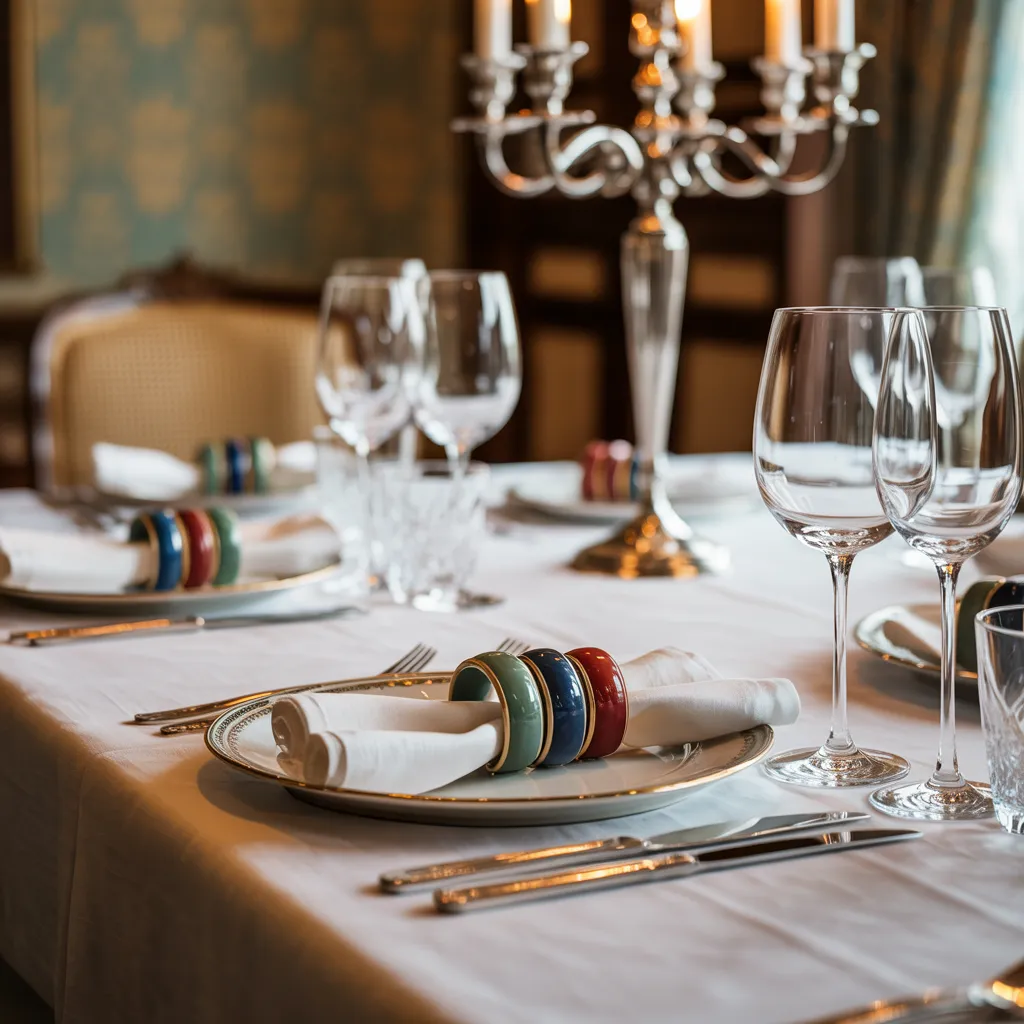
Why Most People Get Them Wrong (And How to Avoid the Pitfall)
The biggest mistake? Using napkin rings with paper napkins or grabbing them from storage as an afterthought.
Real napkin ring wisdom requires cloth napkins and intentional placement—this is fundamental if you want them to actually work.
Beyond that, avoid tacky aesthetic clichés like bunny-ear rings at Easter or costume-themed designs at casual gatherings; there’s a real difference between tasteful and tawdry. Interestingly, napkin rings remain relatively rare in informal UK, Spanish, Mexican, and Italian dining, reflecting different cultural table-setting traditions.
Design experts suggest napkin rings shine in formal settings, where they belong within a cohesive, balanced design rather than clashing with other elements or feeling forced. In formal dining, proper placement follows the principle that they sit approximately eight inches from the table’s edge, creating visual harmony across the entire setting—much like how utensil placement works.
The broader principle? Every accessory should earn its place through genuine craftsmanship and thoughtful contribution to your hospitality narrative, never chosen simply for novelty or trend.
The Overlooked Truth: Small Details That Make or Break Your Table
Just like carefully chosen flatware can steal the spotlight through thoughtful design, napkin rings prove that genuine hospitality lives in the smallest, most considered touches.
A well-chosen napkin ring isn’t necessary—it’s a declaration that you’ve genuinely considered every element with care. While not essential, it serves as a sophisticated finishing touch for formal dining occasions.
This philosophy extends everywhere: cutlery placement, glassware selection, spacing, and all the accessories that define your entertaining style.
When each component works together—from your napkin ring holding cloth napkins to sculptural glassware catching candlelight to carefully curated bar accessories—they create a cohesive visual and emotional story.
The result? A table that doesn’t just look beautiful; it feels intentional, welcoming, and unmistakably curated by someone who genuinely cares about the experience.
This shift toward quieter, more thoughtful entertaining reflects a cultural movement where hosts invest in quality pieces and meaningful details rather than accumulating accessories.
It’s a recognition that even the smallest details communicate respect for your guests and appreciation for the gathering itself.