For decades, bathrooms were the forgotten rooms of home design—safe, predictable, and honestly, a bit dull. But 2026 marks a real turning point.
Interior designers are unanimously declaring bathrooms the ultimate canvas for daring design choices.
Unlike living rooms or kitchens where trends tend toward restraint, your bathroom is now the designated ‘experiment zone’ where maximalist patterns, clashing prints, and vibrant colors don’t just work—they’re actively encouraged.
This shift represents something fundamental: a recalibration of how we think about functional spaces.
Instead of viewing bold design as reckless excess, it’s now celebrated as sophisticated self-awareness. Your bathroom has earned the right to be unapologetically you.
Beyond Basic Tiles: The Material Revolution Transforming Bathroom Walls
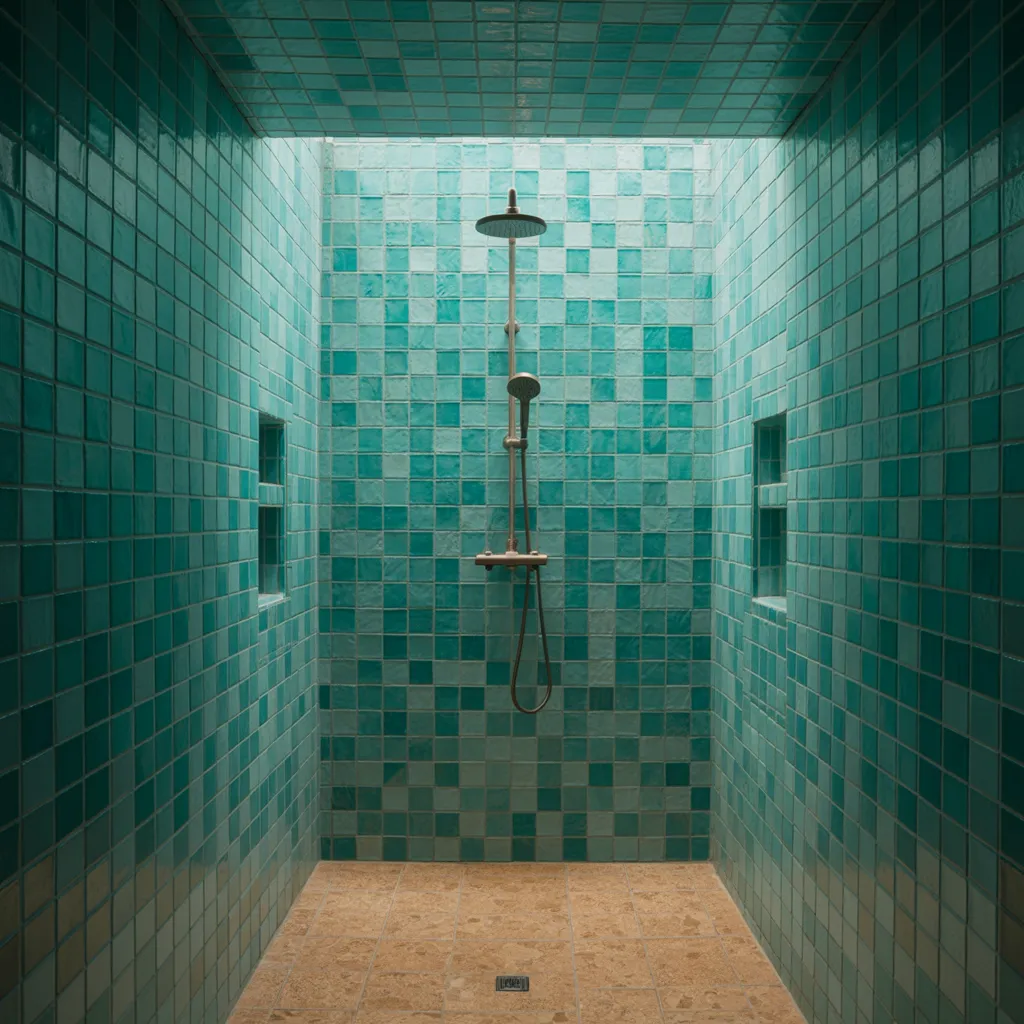
Forget everything you thought you knew about standard ceramic tiles. The materials dominating 2026 bathrooms read like a designer’s treasure hunt: zellige tiles with their handcrafted, imperfect edges; encaustic tiles with intricate geometric patterns; and textures that practically demand to be touched. The most striking trend?
Covering not just walls but entire ceilings—especially in shower areas—to create enveloping artistic environments that feel like personal galleries.
This material revolution extends beyond pure aesthetics into genuine sustainability.
Designers are intelligently pairing artisanal options with eco-conscious alternatives like recycled glass tile, cork, and reclaimed wood, proving that bold design and environmental responsibility don’t have to compete. Whether you’re drawn to handcrafted character or recycled innovation, the options now celebrate both artistry and impact.
The Unexpected Comeback: Timeless Design Meets Modern Sophistication
While maximalist patterns steal headlines, a quieter countermovement is reshaping bathroom design in equally compelling ways.
Traditional features are making a sophisticated comeback—but not as nostalgic throwbacks.
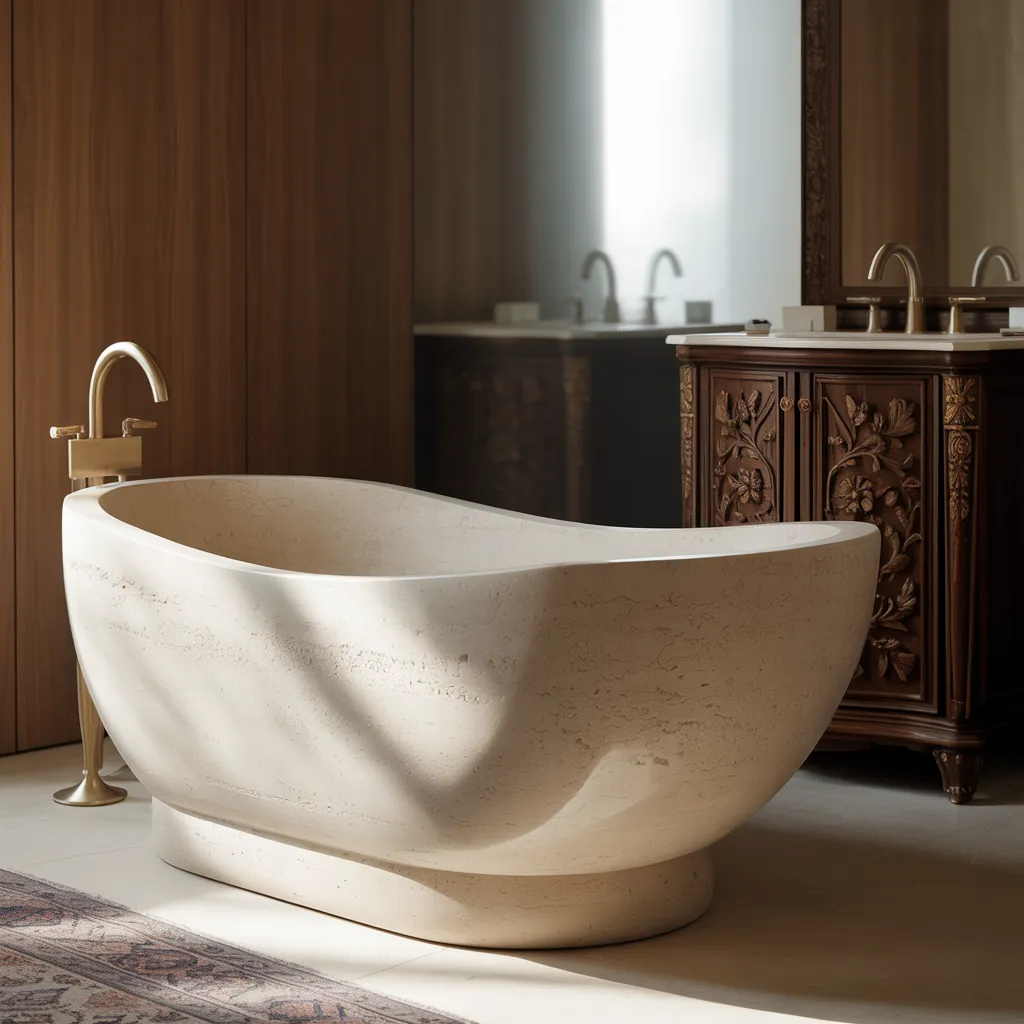
Checkerboard flooring, sculptural stone tubs, and ornate furniture-style vanities are returning in thoughtfully updated versions that prioritize craftsmanship and material honesty.
Exposed metallic fixtures, architectural detailing with crown molding, and wood paneling are redefining what ‘classic’ actually means in today’s context.
This trend signals genuine fatigue with disposable design and reflects a mature philosophy: longevity, authenticity, and personal connection trump fleeting trends.
Whether you’re drawn to maximalism or timeless elegance, both celebrate intention over impulse.
The Pattern Paradox: How Clashing Designs Actually Create Harmony
Here’s the counterintuitive truth about 2026’s bathroom tiling: visually successful spaces don’t follow old matching rules.
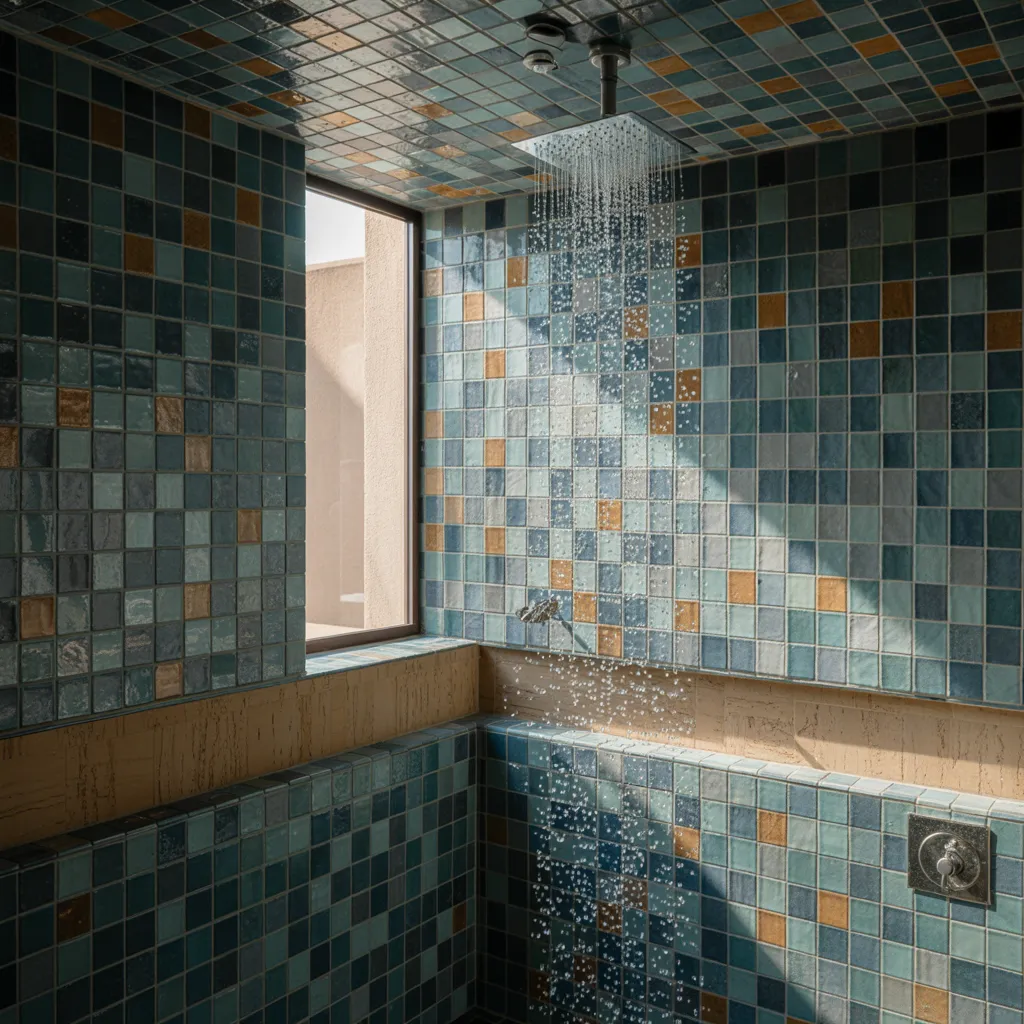
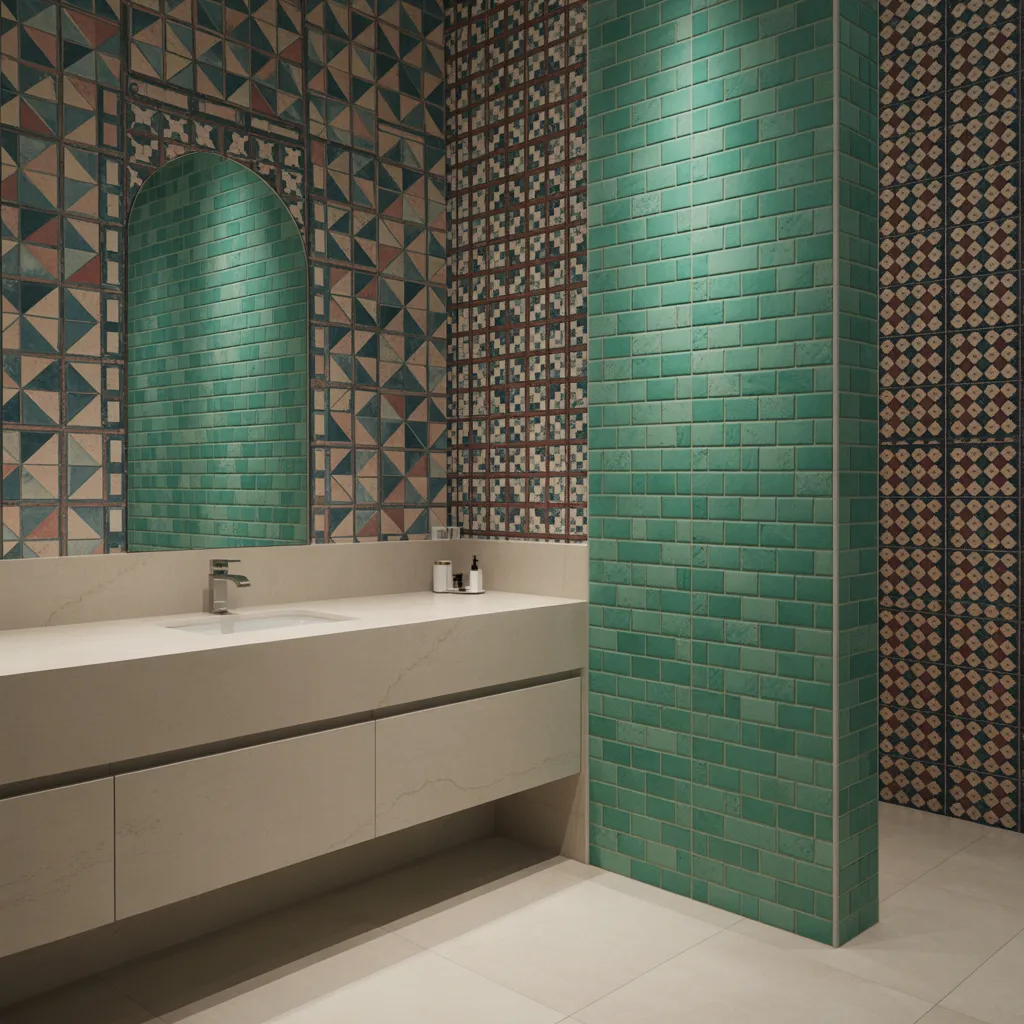
Bold, clashing patterns work beautifully together—by intentional design, not accident.
Interior designers strategically pair tiles with different scales, colors, and styles to create sophisticated, cohesive results. The magic happens through personality, not uniformity.
Warm neutrals anchor bolder choices, letting jewel-toned zellige or geometric encaustic tiles take center stage without overwhelming the senses.
Understanding color theory proves essential here—designers deliberately combine hues to evoke specific emotional responses, ensuring bold combinations feel sophisticated rather than chaotic.
The key is creating a visual conversation where each element respects the others, layering pattern and color with intention and restraint.
What’s Falling Out of Favor: Design Choices to Reconsider
While maximalism and traditional elegance compete for bathroom attention, certain design choices have clearly lost their appeal.
Large-format tiles—once considered the height of sophistication—now feel impersonal and predictable. Travertine is being phased out in favor of materials with more distinctive character, like encaustic and zellige alternatives.
These aren’t accidental rejections; they’re deliberate pushbacks against the minimalist aesthetic that dominated the previous decade.
The 2026 bathroom boom is ultimately about understanding what feels fresh versus what feels tired.
This doesn’t mean avoiding any specific material—it means choosing with intention, understanding why a material speaks to you beyond surface trends.
The Herringbone Effect: Creating Visual Drama Through Patterned Flooring
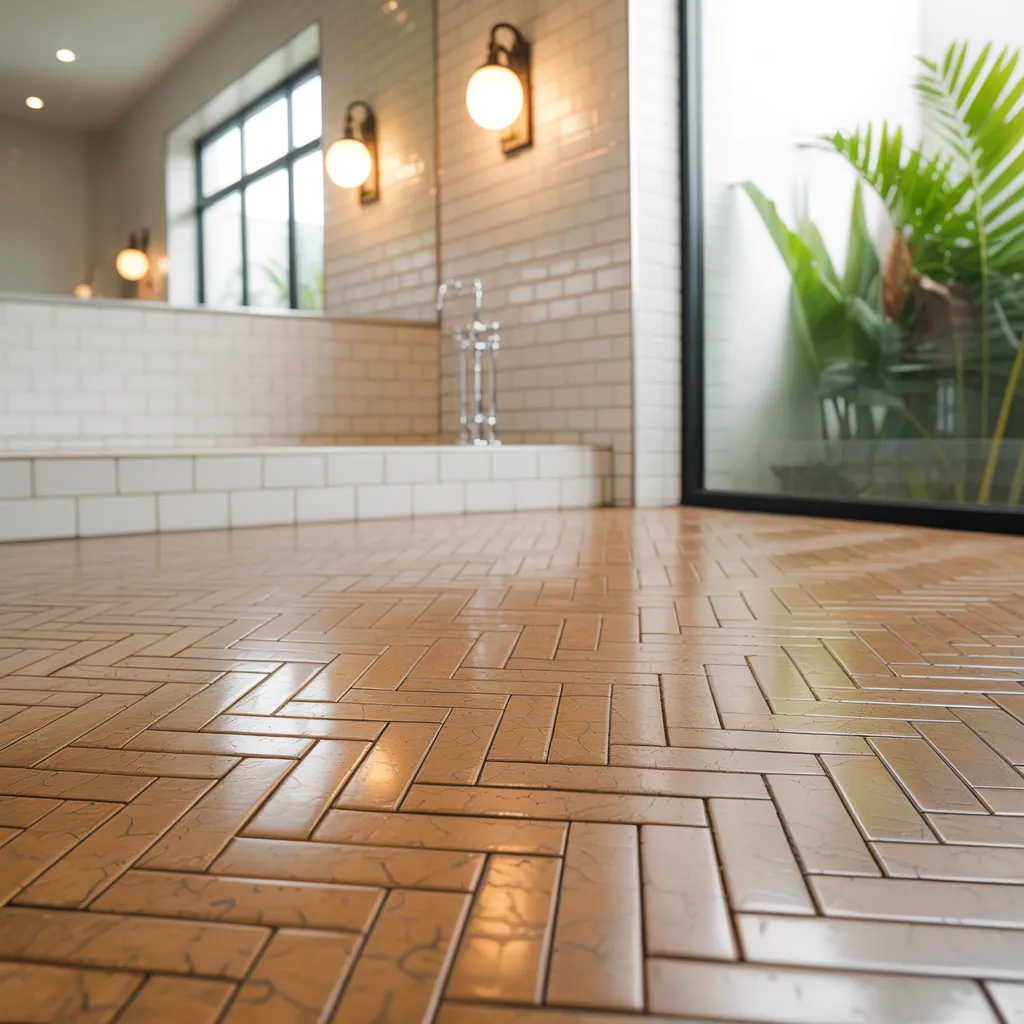
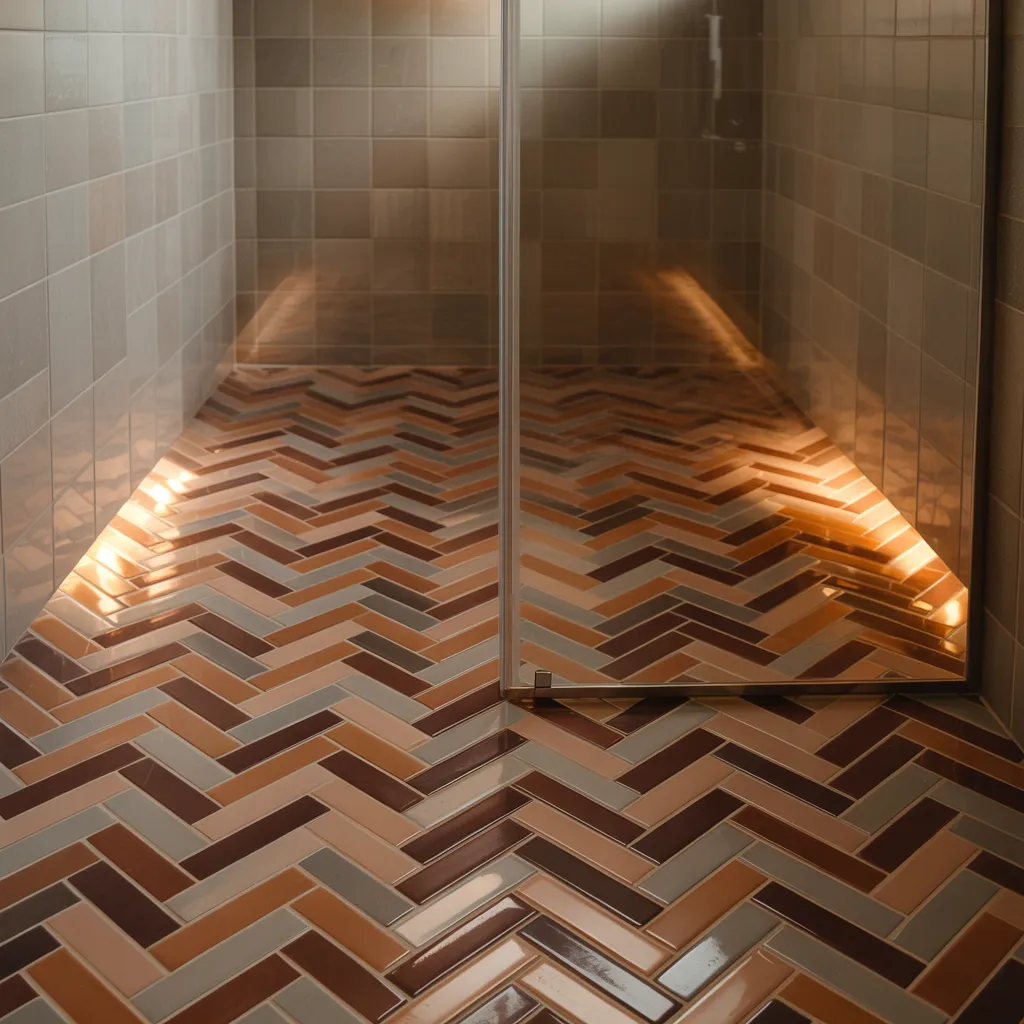
One transformative trend is patterned flooring, particularly herringbone designs, extending confidently into bathroom spaces.
The 2026 approach embraces patterned tiles mimicking herringbone layouts, creating dynamic visual movement that guides the eye and establishes rhythm.
Paired with warm neutrals and natural tones, herringbone patterns maintain sophistication while delivering real visual interest.
For sustainable alternatives, cork and bamboo flooring provide water-resistant options with warmth and textural complexity that tile alone can’t match.
Proper lighting design proves essential to showcase intricate floor patterns effectively—consider layered lighting that highlights your flooring during different times of day.
This trend reveals a deeper truth: bathrooms can be visually adventurous, layered, and complex while still feeling enduringly sophisticated.