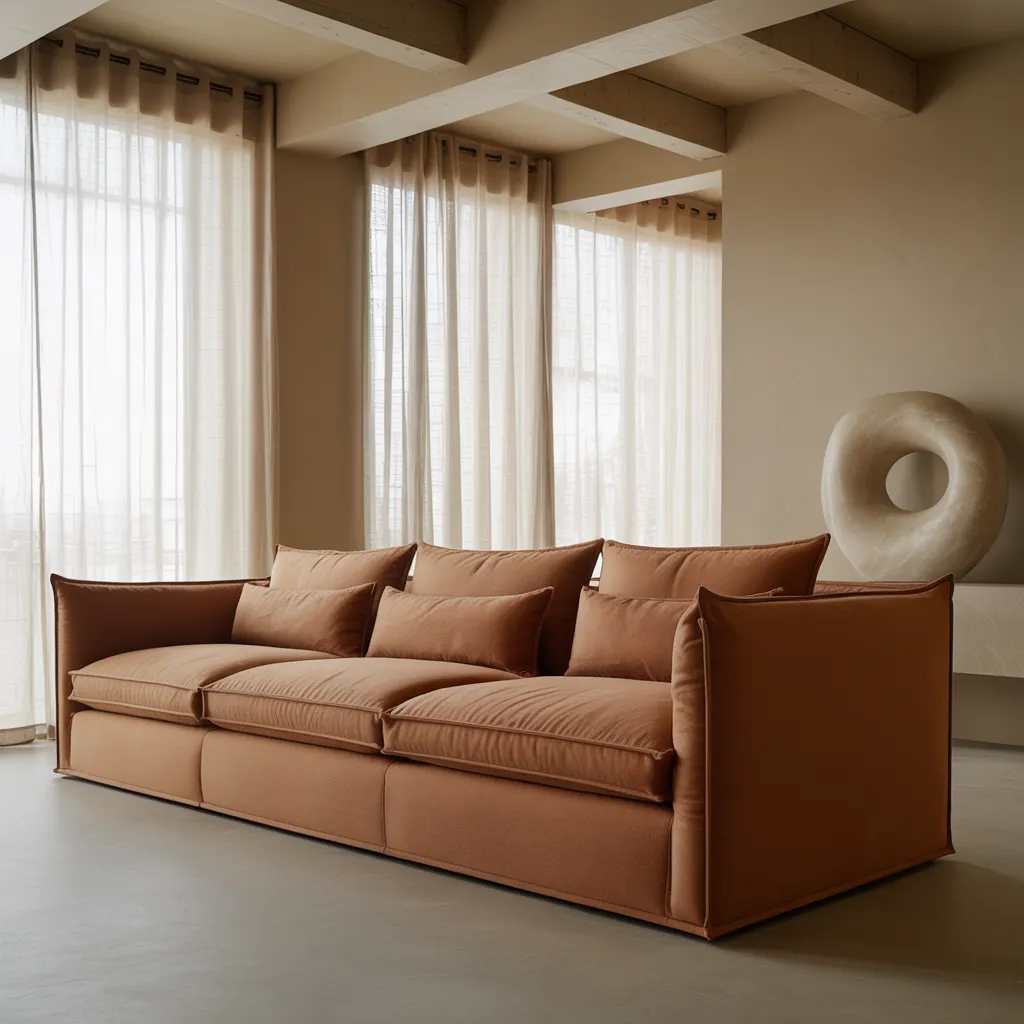
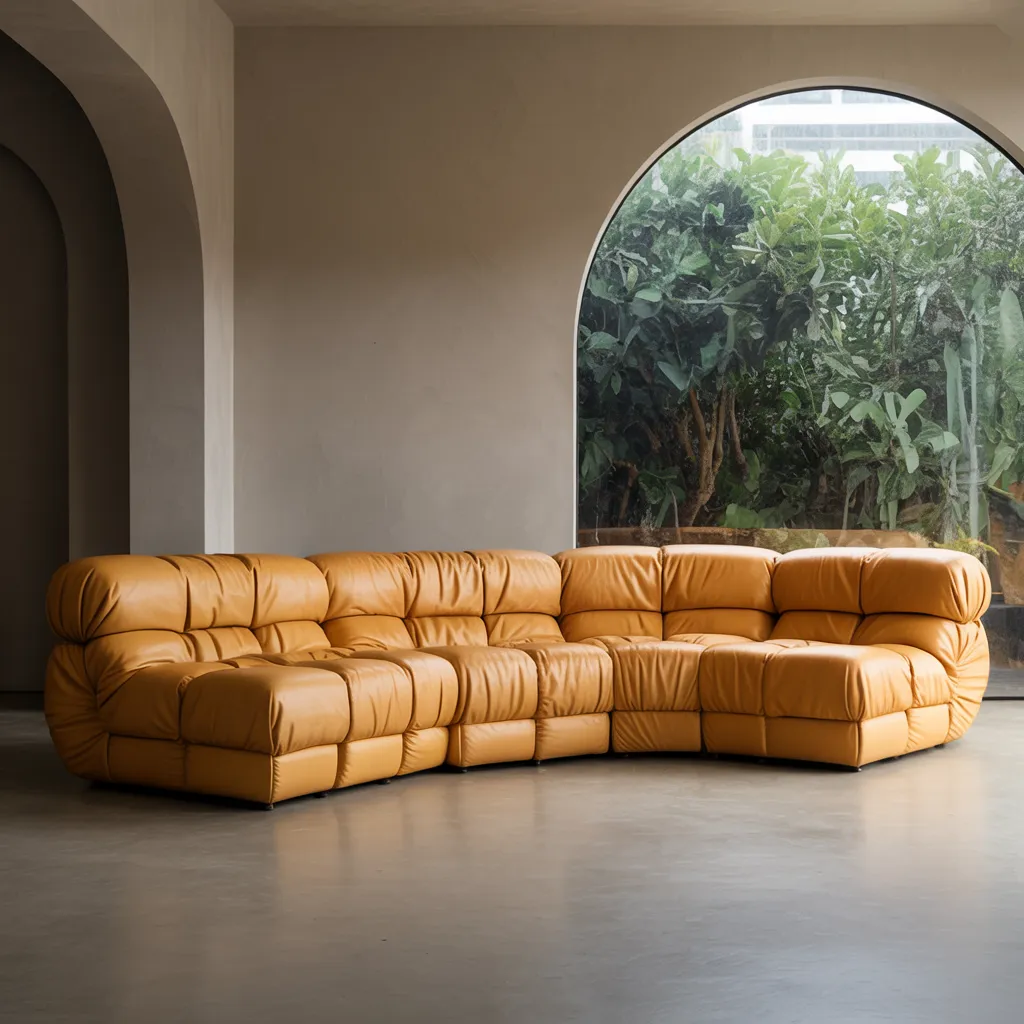
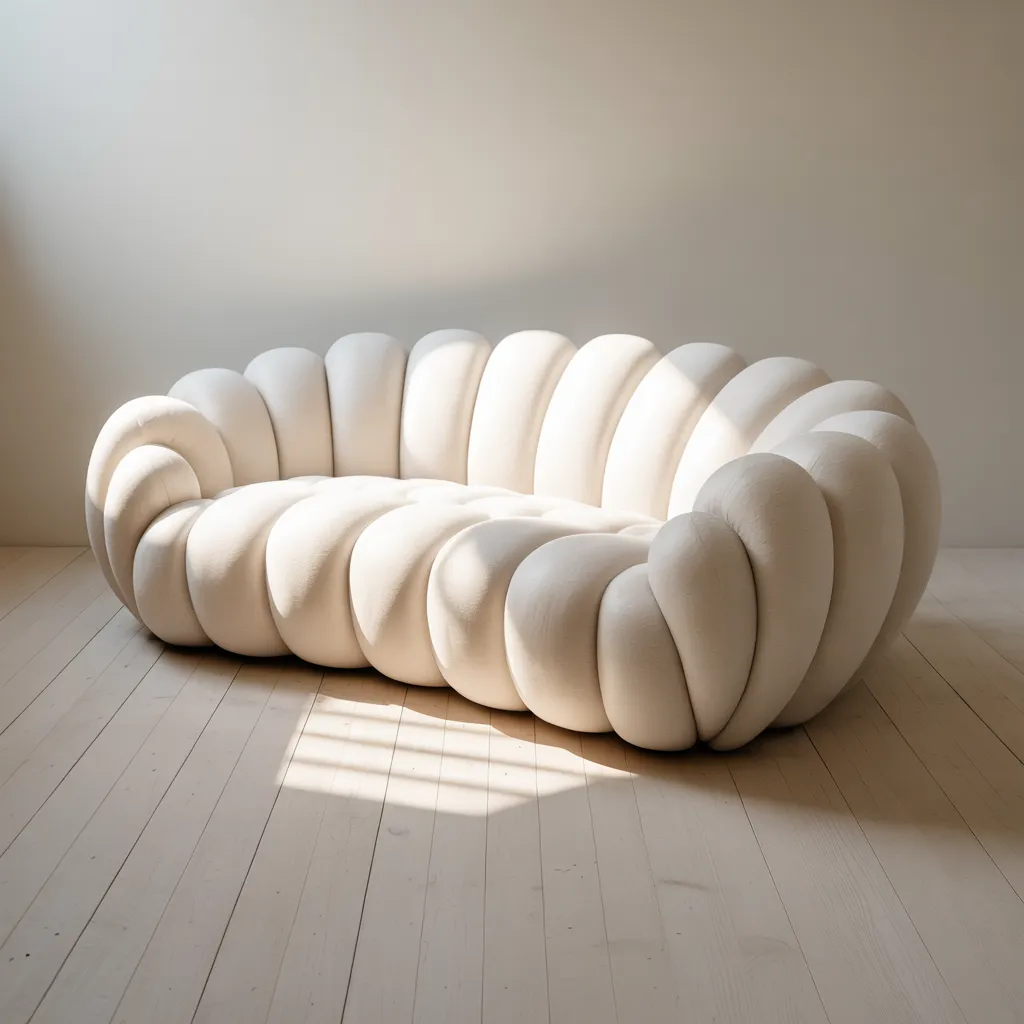
Remember when minimalism and sharp lines ruled every Instagram aesthetic? The marshmallow furniture trend is quietly overthrowing that tyranny.
Soft, rounded, and puffy silhouettes are flooding design spaces again—but this isn’t nostalgia for nostalgia’s sake.
Designers and homeowners are craving something fundamentally different: furniture that feels like a warm hug from a sophisticated friend.
This shift represents a deeper psychological need that emerged from years of sterile, impersonal design. People spent a decade chasing clean lines and clinical perfection, only to realize that living rooms should inspire joy, not anxiety.
At its core, the marshmallow aesthetic embodies organic design principles—naturally flowing, curved lines that echo biological patterns rather than rigid geometry.
It directly challenges the idea that elegance requires distance. Instead, it whispers that true luxury is something you sink into—literally.
Beyond aesthetics, this trend reflects a broader shift toward wellness-driven design.
Soft furniture calms your nervous system and creates emotionally supportive environments, making marshmallow pieces a cornerstone of 2026’s design philosophy.
Interestingly, mid-century modern design (1945–1970) actually paved the way for this softer evolution. What began as clean-lined modernism has evolved into a more humane, emotionally intelligent approach that retains integrity while embracing tactile comfort and organic shapes.
Your home is evolving from mere shelter into a sanctuary for emotional restoration.
From 1970s Milan to Your Living Room: The Designers Leading the Charge
The story begins with Italian masters Mario Bellini and Tobia Scarpa, who revolutionized sitting in the 1970s with curved sofas and rounded chairs prioritizing tactile comfort.
Their Camaleonda sofa and Soriana chair weren’t just lounging destinations—they were statements about human-centered design that prioritized emotional well-being.
Fast forward fifty years, and contemporary design icons—Kelly Wearstler, Athena Calderone, and emerging voices like Noha Hassan—are resurrecting these principles with fresh eyes.
They’re not copying; they’re translating a philosophy about comfort and emotional connection into modern spaces.
These designers understand that a room’s soul comes from how it makes you feel, not just how it photographs.
Their influence trickles down to everyday homeowners who now recognize that investing in thoughtfully designed pieces creates spaces with lasting impact.
This isn’t about trendy purchases—it’s about building environments that evolve gracefully with time, reflecting an emerging consciousness about wellness-driven interiors rooted in proven design traditions.
Contemporary tastemakers are modernizing these principles through abstract art, sculptural lighting, and earth-tone palettes that complement organic furniture forms.
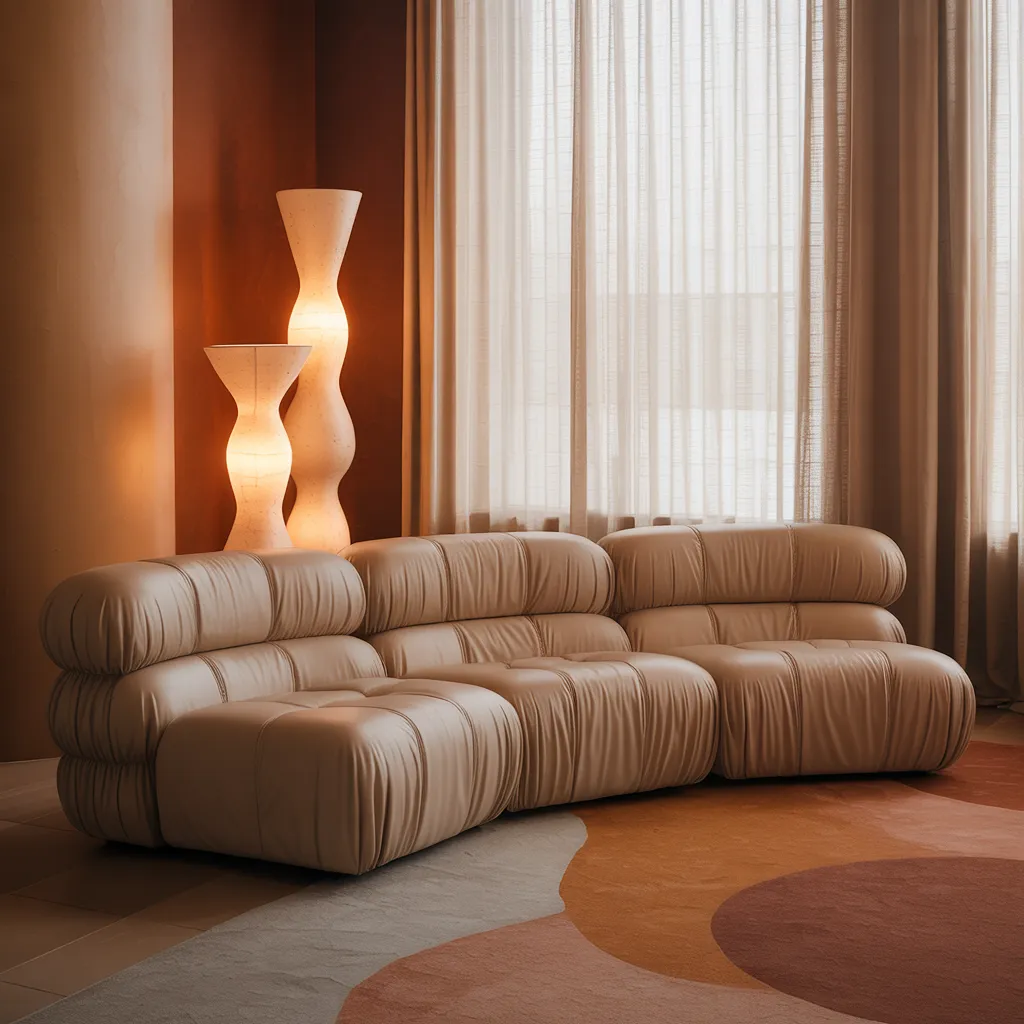
The Marshmallow Sofa and Design Attribution: A Historical Clarification
Here’s a fascinating design history moment: the iconic Marshmallow sofa is often credited to George Nelson, but it was actually designed by Irving Harper, a talented designer working within Nelson’s studio at Herman Miller (where Nelson served as Director of Design from 1947–1972).
This distinction matters—many designs that built Nelson’s reputation were created by other studio members.
Harper himself made no public demands for recognition during Nelson’s lifetime, but historical accuracy matters.
This reveals something important about how great design actually works: it emerges from collective talent and shared vision, not individual genius alone.
The Marshmallow sofa’s organic, rounded form actually foreshadowed today’s marshmallow furniture trend by decades, proving that design innovation often precedes cultural acceptance.
Understanding these collaborative dynamics helps us appreciate how design evolves—it frequently revisits and reinterprets earlier principles through fresh perspectives, honoring the work that came before.
The Fast Furniture Reckoning: Why Quality and Character Are the New Status Symbols
While marshmallow furniture celebrates softness, a parallel revolution is happening: designers are systematically rejecting fast furniture.
The 2026 aesthetic demands pieces with provenance—vintage finds, artisan treasures, and sustainable choices that tell a story.
Conscious homeowners are increasingly prioritizing reclaimed and natural materials, recognizing that quality investments outlast trends while reducing environmental waste. This creates an unexpected tension: softness meets substance.
The most coveted spaces aren’t perfectly curated showrooms—they’re eclectic, layered collections mixing eras, materials, and styles. Your living room becomes a personal museum.
This shift reflects growing awareness about sustainability and the emptiness of disposable design. When you invest in well-crafted pieces, whether new or vintage, your furniture gains character rather than losing appeal.
The contradiction is delicious: marshmallow softness paired with architectural integrity creates spaces that feel both nurturing and intentional—where organic forms enhance rather than diminish the room’s intellectual rigor.
Designers encourage seeking pieces with soul, treasures that have been loved and will continue developing patina.
Warm Yet Elevated: The Contradiction That’s Redefining Luxury
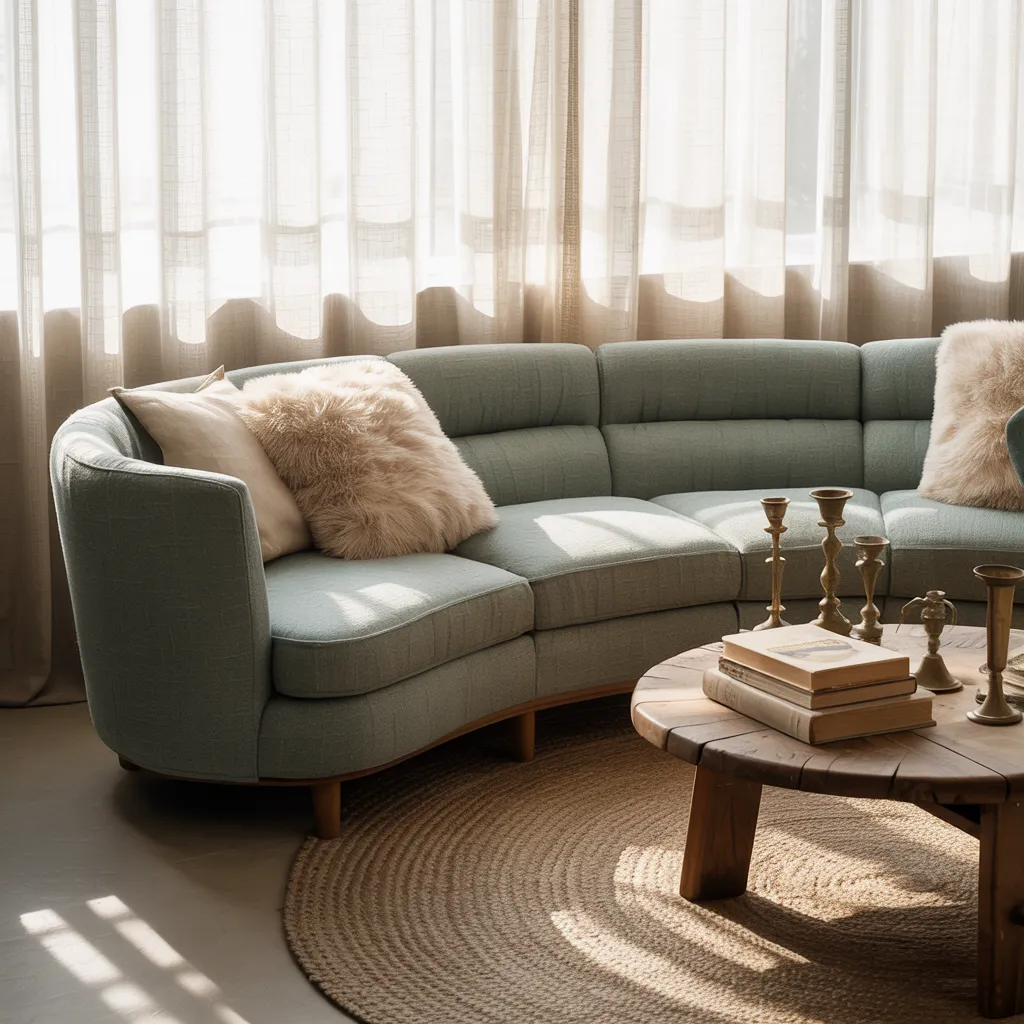
Here’s the twist nobody expected: the most luxurious rooms feel like home. Marshmallow furniture embodies this paradox by balancing architectural lines with organic, nurturing shapes that prioritize emotional warmth.
Designers are layering soft textures against structural elements to create dynamic, inviting spaces that don’t sacrifice sophistication. This requires courage—the willingness to prioritize how a space functions and feels over rigid design rules.
Modern luxury is anchored in wellness-conscious design supporting both emotional and physical well-being through thoughtful material choices, calming palettes, and sensory-rich environments.
The result? Homes reflecting individual personality while delivering genuine comfort, proving that true elegance never stops feeling good. Modern luxury is no longer about exclusivity or intimidation—it’s about creating environments where you genuinely want to spend time.
Every design choice serves your health and happiness. The marshmallow furniture trend represents cultural maturation: we’re collectively acknowledging that design serves humans, not the other way around.
Expect to see more spaces celebrating softness without sacrificing intelligence, firmly rooted in the broader wellness movement and the enduring appeal of organic form-making as a counterpoint to precise, mathematical design.