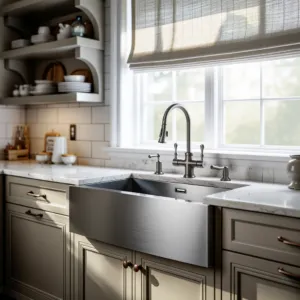
Midcentury modern kitchens are experiencing a genuine renaissance—and it’s far more than simple nostalgia.
This style harmonizes clean lines, uncluttered surfaces, and organic forms that feel strikingly contemporary today.
From mountain retreats in Tahoe to coastal California residences, designers consistently demonstrate that this aesthetic transcends geographic boundaries and architectural styles.
What makes it so compelling? The style brilliantly balances minimalism with warmth through natural wood tones and earthy accents, creating spaces that feel both timeless and deeply inviting.
What’s particularly compelling is how midcentury modern ages beautifully.
The style’s foundation rests on honest material selection—natural stone, raw textured timbers, and patinated brass—that develops character over time rather than looking worn out.
The movement itself originated as a response to post-World War II social and technological change (roughly 1945–1970), when modernist principles became remarkably accessible to everyday consumers.
Designers ingeniously blended traditional craftsmanship with innovative manufacturing, combining materials like teak and walnut wood alongside novel options like molded plywood and fiberglass.
This democratic approach explains part of its lasting appeal. Today’s resurgence reflects something deeper: a collective weariness with sterile, trend-dependent design and genuine hunger for spaces that feel meaningful and grounded.
Modern kitchens now embrace clean lines, minimal ornamentation, and that essential principle of form following function—but never at the expense of beauty.
This shift suggests midcentury modern represents more than aesthetic preference; it’s becoming a design language that speaks to contemporary values around sustainability, quality, and authenticity.
The 2026 Kitchen Remodel Shift: Why Starting From Scratch Is Out
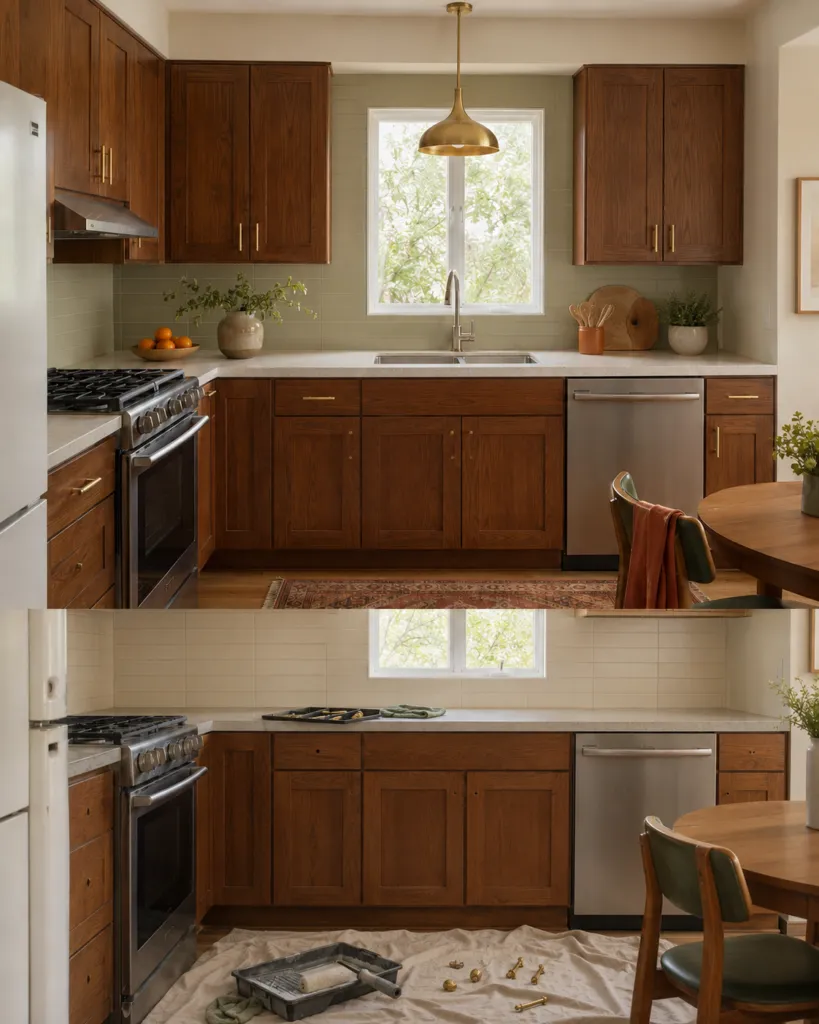
Forget complete gut renovations—2026’s biggest design shift centers on strategic optimization over total overhaul. Leading designers now advocate elevating existing elements through thoughtful interventions: refreshing cabinet finishes, installing dramatic statement lighting, and upgrading appliances with surgical precision.
This refined approach isn’t just budget-conscious; it represents genuinely smarter design rooted in sustainability and intentionality.
By investing strategically in enduring, high-quality materials—honed quartzite countertops, unlacquered brass hardware that develops beautiful patina—homeowners create lasting visual impact without unnecessary waste or disruption.
The intelligence lies in recognizing which existing bones deserve elevation versus replacement.
Consider mixing materials thoughtfully to create depth and warmth—a foundational principle of timeless design that prevents spaces from feeling flat. Add bold accent colors and geometric patterns for visual sophistication.
Perhaps your existing cabinetry has great bones but tired finishes, or your layout flows well but needs updated lighting and hardware.
These strategic upgrades honor the midcentury principle of honest material use while respecting your space’s functional requirements.
This trend reflects broader cultural shifts toward mindful consumption. Rather than chasing novelty through complete replacement, contemporary design celebrates the challenge of honoring what already exists while introducing thoughtful refinement.
The result? Kitchens that enhance how you actually live while maintaining aesthetic coherence—and that’s genuinely more satisfying than starting from scratch.
Natural Light and Personal Character: The Two Elements That Make Kitchens Feel Like Home
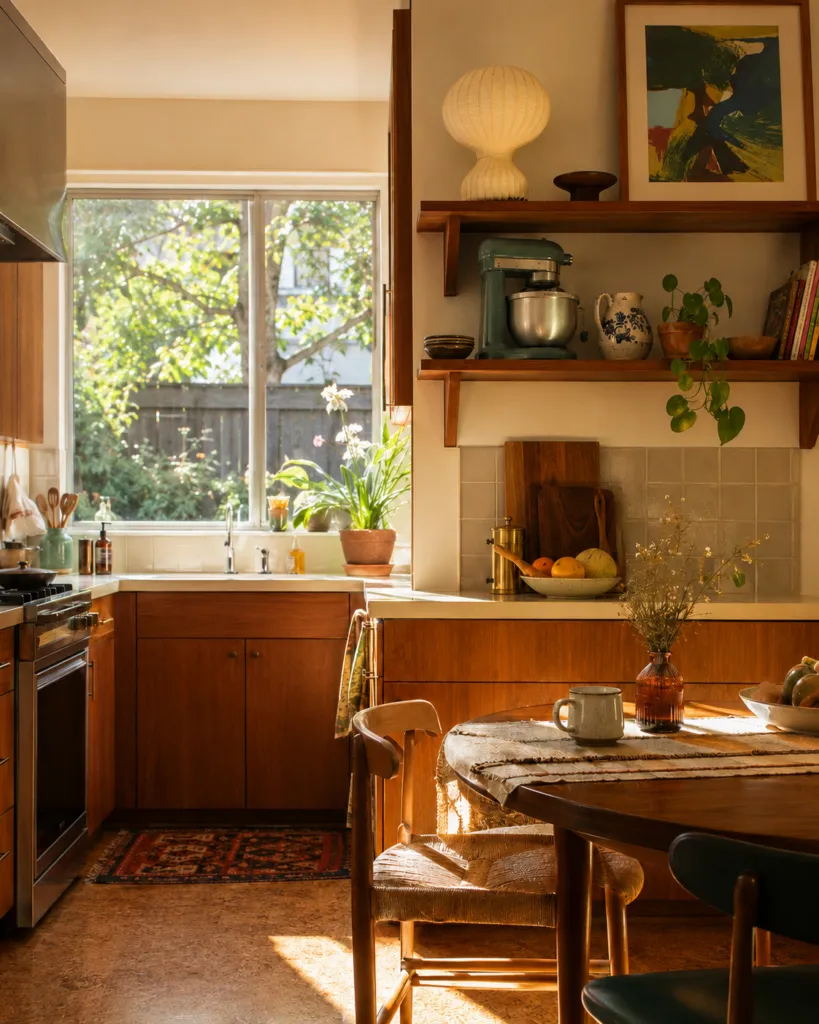
Here’s something designers have discovered: great kitchen design transcends pure functionality and enters emotional territory.
Maximizing natural illumination—through strategically positioned windows and smart storage solutions—creates profound shifts in how you experience these spaces daily.
Midcentury modern architecture excelled here, prioritizing ample windows and open floor plans that bring the outdoors in.
This thoughtful integration of natural light became defining to the era, reflecting the movement’s deep connection to nature.
Equally significant: introducing bold colors, distinctive patterns, and personalized details that authentically communicate your story.
Whether featuring vibrant artwork, distinctive hardware, or unexpected textural elements, contemporary kitchens reject sterile design in favor of genuine character.
Think of this as the “modern heritage” approach—curating functional pieces beautiful enough to display, from sculptural vases to atmospheric lamps.
Mix old and new pieces intentionally, creating spaces that honor heritage while maintaining contemporary sensibilities.
This might mean displaying a treasured vintage appliance alongside modern conveniences, or featuring family heirloom objects alongside curated artwork.
Natural light amplifies this effect, transforming ordinary moments into experiences infused with warmth and visibility.
When combined with personal touches, kitchens become genuine emotional anchors within your home.
This philosophical evolution suggests we’re moving toward spaces that nourish not just our bodies but our spirits—environments where design and daily life interweave meaningfully.
How One Renovation Mastered Midcentury-Modern Entertaining
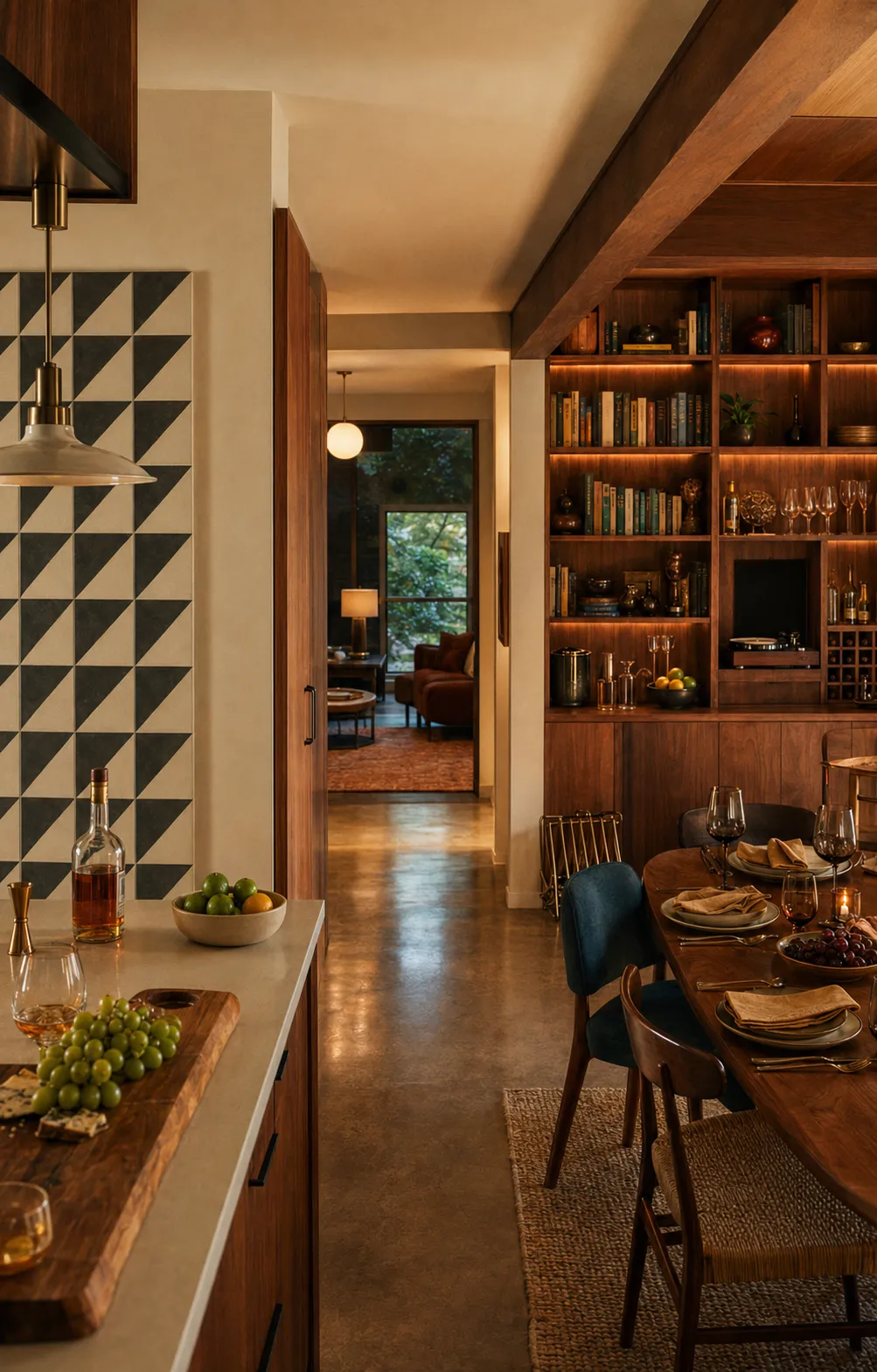
Rather than treating the kitchen in isolation, they recognized it as part of a comprehensive entertaining ecosystem.
The team reconfigured the home’s spatial logic, creating a dedicated “hostess hall” and inventive “li-bar-y”—a purposeful library-bar hybrid—that fundamentally transformed the residence into an entertaining powerhouse.
This thoughtful spatial planning reflects principles deeply rooted in midcentury modern architecture: ergonomically designed living spaces, exposed ceilings and beams, and open floor plans facilitating connection and movement between areas.
By blending the home’s architectural heritage with bold color choices, curated artwork, and functional design thinking, the project strikes an elegant balance between honoring historical context and embracing contemporary entertaining culture.
The deliberate use of bold accent colors and geometric patterns maintains the clean-lined sophistication the era pioneered.
Here’s the deeper truth this project reveals: midcentury design principles ultimately serve lifestyle aspirations.
When executed thoughtfully, the style becomes more than aesthetic preference—it becomes the structural framework enabling real memories, meaningful conversations, and personal traditions to flourish.
This example demonstrates that exceptional midcentury kitchens aren’t merely beautiful; they’re purposefully designed spaces actively facilitating how you want to live.
How to Adapt Timeless Midcentury Style to Your Space—No Matter Your Home’s Age
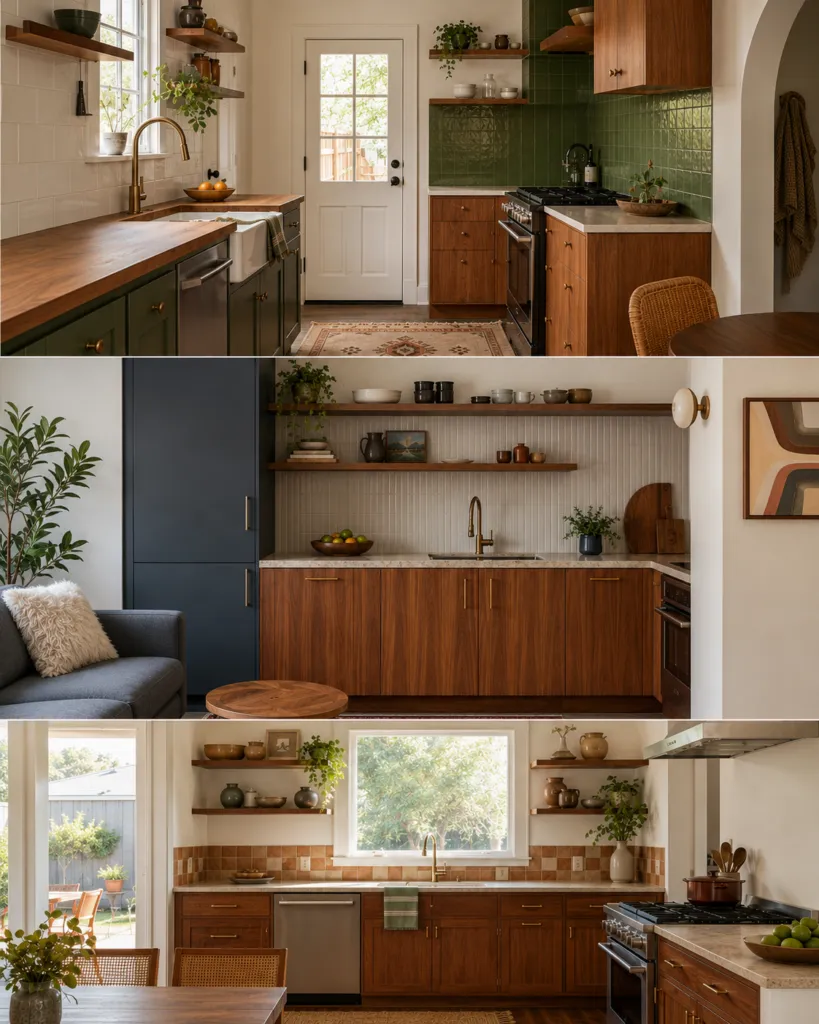
The fundamental beauty of midcentury modern kitchens lies in their remarkable adaptability across diverse architectural contexts.
Whether you’re renovating a seaside Maine cottage, a contemporary apartment, or a California bungalow, the core principles remain conceptually flexible and applicable.
- Start with honest assessment: Which existing architectural and design elements merit elevation through refinement rather than replacement? A well-constructed cabinet structure but tired finishes? Good bones but awkward flow?Begin there. Then thoughtfully introduce timeless touches reflecting your authentic personality, avoiding trendy finishes in favor of considered color palettes that transcend seasons.
- Apply core midcentury principles: Prioritize clean architectural lines that feel contemporary. Invest deliberately in materials that age gracefully—natural stone, raw textured timbers, patinated brass. Embrace organic forms with gentle curves and flowing lines that create ergonomic, fluid structures. Avoid decorative embellishment in favor of honest material use and clean, simple lines.
- Layer in personality: Incorporate bold accent colors alongside neutral tones and geometric patterns for sophisticated visual depth. Consider using open shelving to display curated pieces beautiful enough to showcase—perhaps that treasured vintage appliance, family heirlooms, or artwork that matters to you.
This methodology works across 800 square feet or 8,000 because it honors individual expression while maintaining design coherence.
That’s precisely why midcentury modern’s enduring relevance explains its regular prominence in prestigious design competitions—it’s sophisticated enough for professionals yet accessible enough for homeowners willing to think thoughtfully about their spaces.