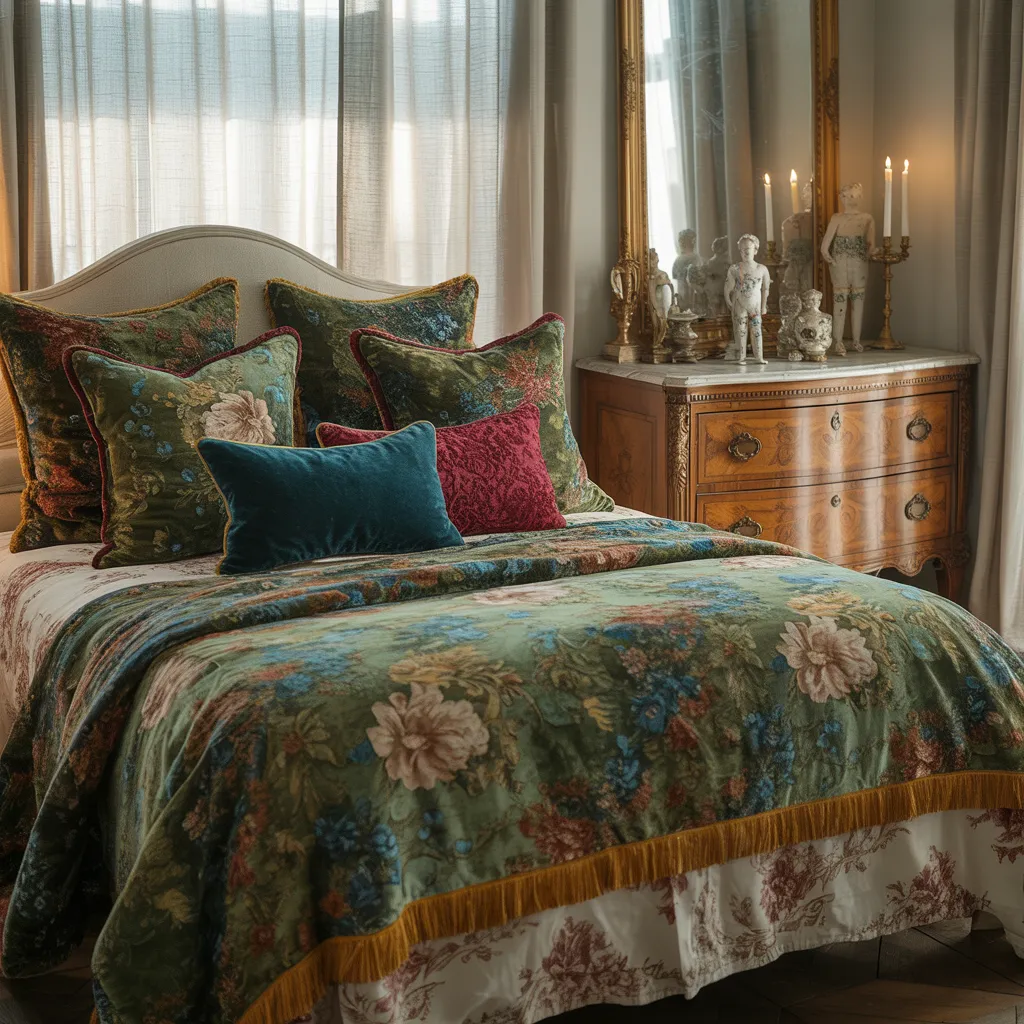
Social media has fundamentally reshaped how we discover and adopt interior design trends.
TikTok, a short-form video platform, has evolved into a powerful arbiter of taste that traditional design publications can no longer match. TikTok’s advanced algorithm connects creators with audiences and amplifies viral moments at unprecedented scale.
In 2026, what goes viral on TikTok often determines what ends up in our homes and design conversations for months to come. This shift represents genuine democratization of design—where a viral moment from an ordinary homeowner can outweigh years of expert opinion.
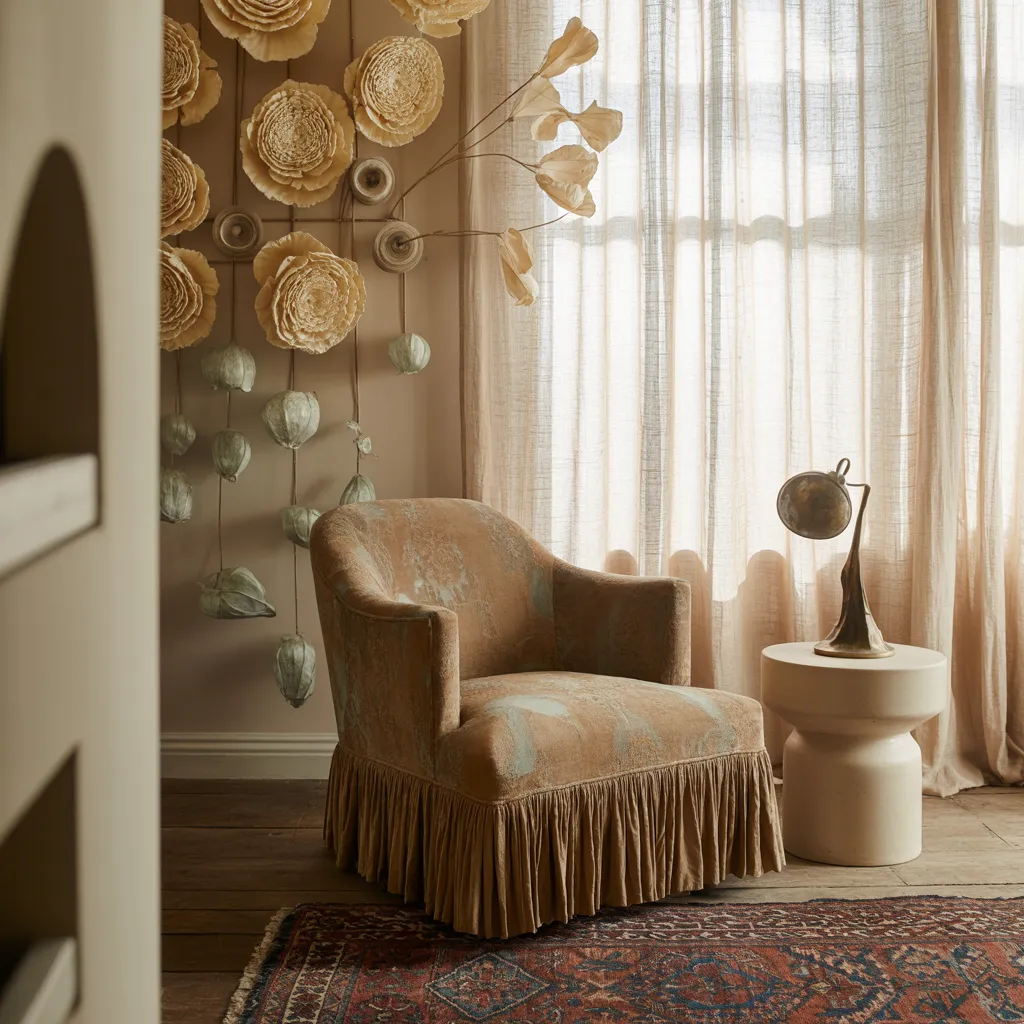
From skirted furniture comebacks to cabbagecore, the platform continuously resurrects forgotten styles.
However, this has sparked a countermovement among designers who increasingly reject fast furniture in favor of intentional, curated collections built to last.
What makes certain design choices ‘TikTok-worthy’ reveals surprising truths about our collective hunger for authenticity.
The 4 Design Trends That Will Actually Define Your Home in 2026
Forget minimalism and rigid open-concept living—2026 represents a philosophical shift in how we design our homes.
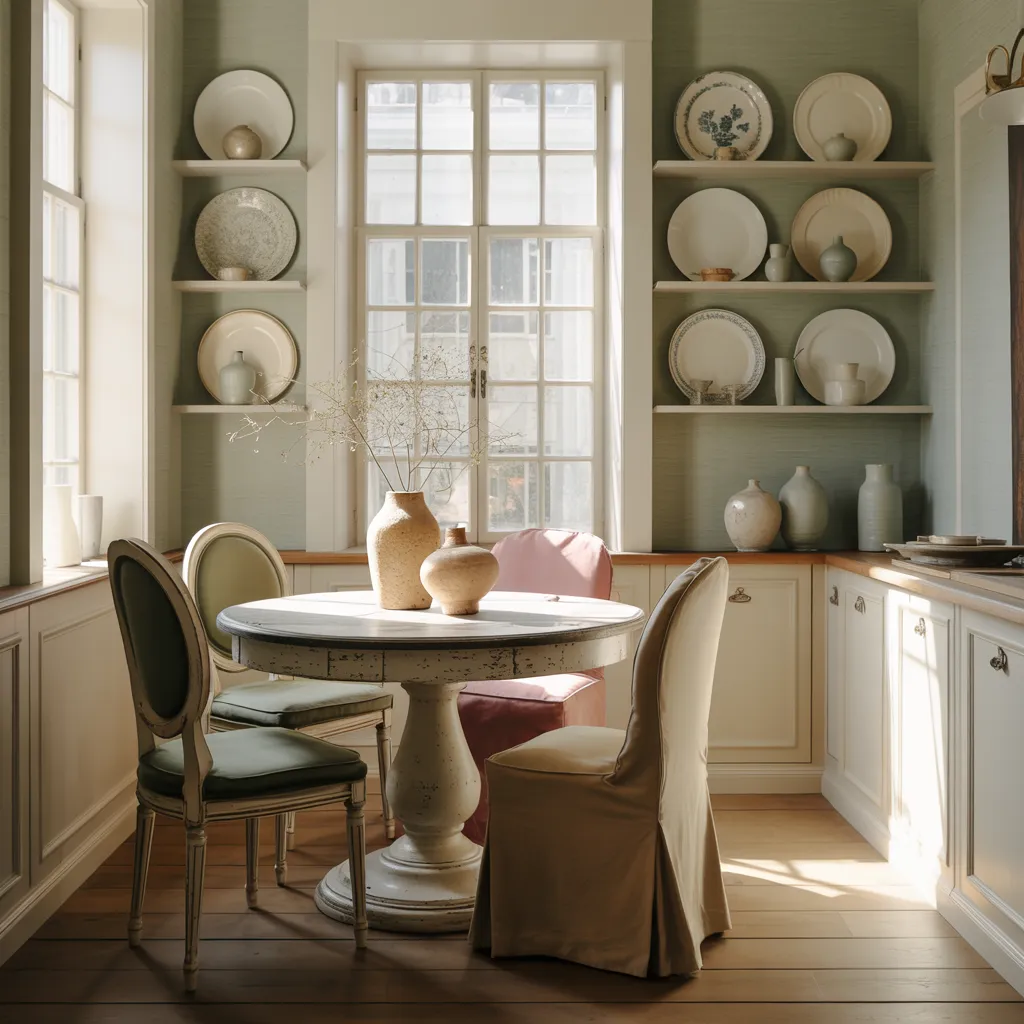
Skirted furniture brings back the softness and elegance of mid-century design with a nostalgic twist.
The ‘broken floor plan’ disrupts open-concept layouts, reintroducing distinct room purposes and psychological boundaries—perfect if you’re craving a dedicated workspace or cozy retreat.
‘Friction-maxxed’ homes celebrate lived-in imperfection rather than sterile perfection, embracing the beauty of authentic living.
Cabbagecore embraces organic, textured beauty inspired by natural forms—think layered botanicals and sculptural shapes.
The 2024 emergence of ‘Unexpected Red Theory’ shows how viral trends can reshape design conversations instantly.
Each trend reflects our evolving values: a collective hunger for warmth, genuine texture, and rooms that actually serve different functions in our daily lives.
The Flooring Revolution: Why Your Floors Matter More Than Ever
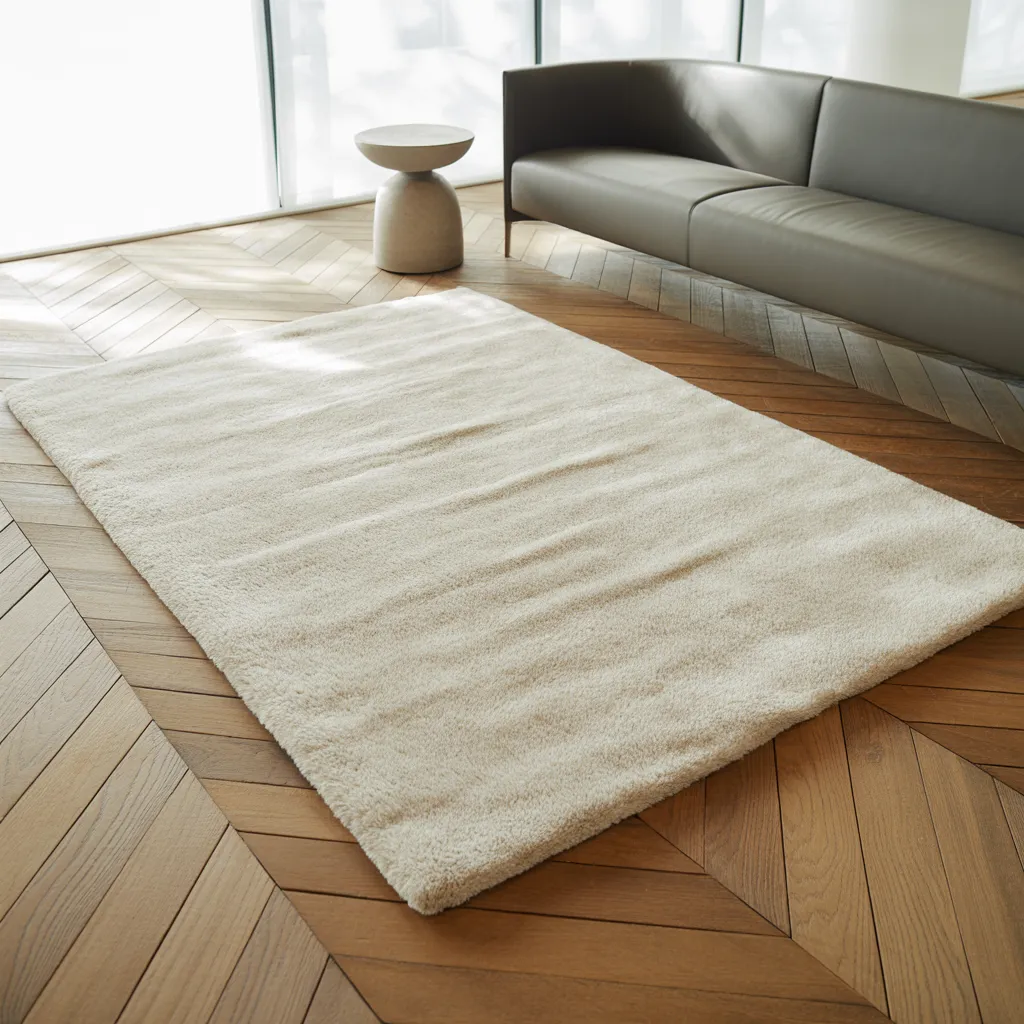
Floors have emerged as the new canvas for bold, intentional design choices. Natural wood tones, herringbone patterns, long wide planks, and tactile textured surfaces are replacing sterile uniformity and builder-grade basics.
Layered flooring—strategically combining plush rugs with statement floors—creates depth and visual interest that defines luxury in 2026.
The shift toward natural materials reflects a broader value: sustainability and authentic craftsmanship now matter as much as trends themselves.
Homeowners increasingly invest in quality materials that age beautifully, developing patina and character over time.
This conscious evolution away from disposable fast furniture toward enduring pieces demonstrates a fundamental philosophy change. Consider your flooring an investment that’ll ground your space for years to come, rather than something to swap out seasonally.
What’s Actually Becoming Outdated? The Surprisingly Liberating Redesign Rules for 2026
Formal dining rooms, flat minimalist walls, dark cabinetry, bouclé overload, and non-functional decorative pieces are fading from contemporary design—but here’s the liberating part: you don’t need to completely overhaul everything immediately. Strategic tweaks can rescue dated elements without breaking the bank.
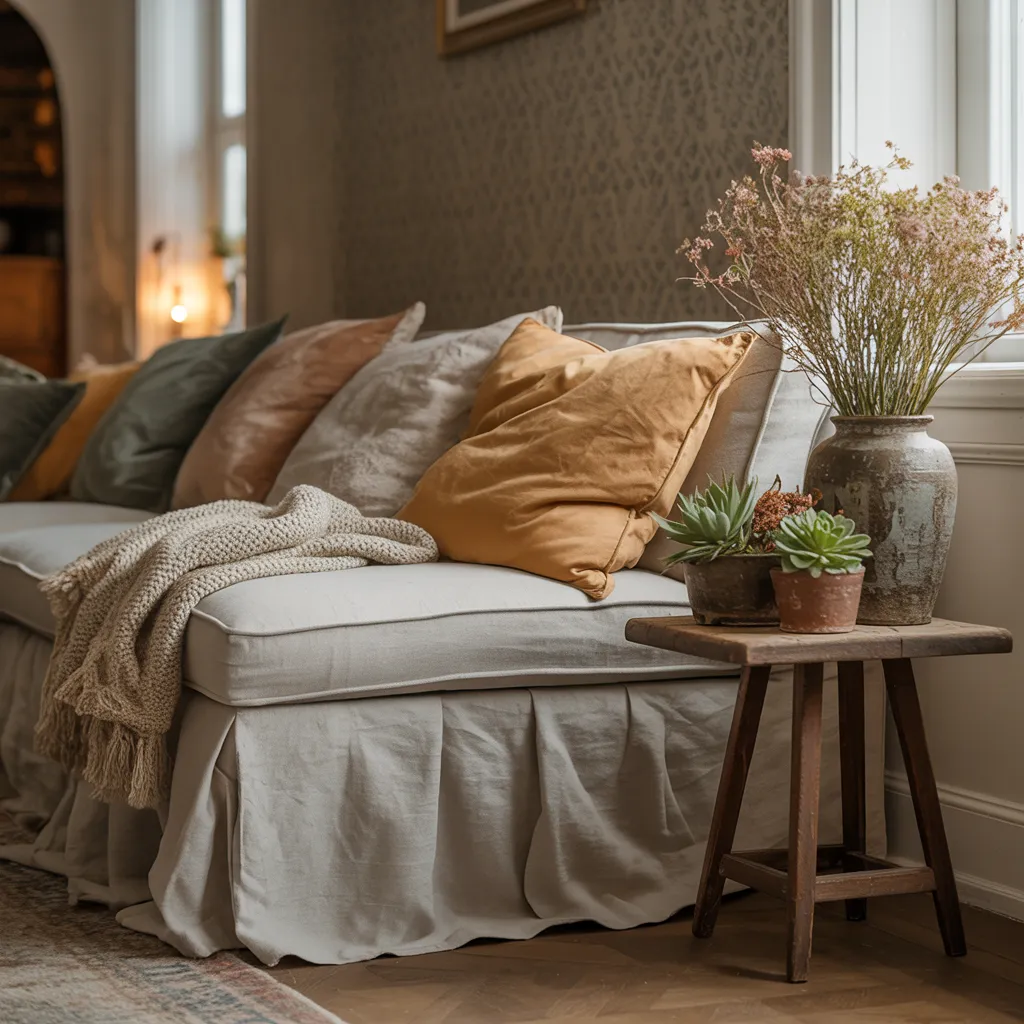
Swap rigid dining formality for casual, flexible nooks. Introduce texture and warmth to stark walls with wallpaper or rich paint. Transition dark cabinetry to soft pastels or warm natural tones with paint or refinishing.
The 2026 design philosophy is about intentional, thoughtful evolution, not destruction and complete rebuilding.
Designers favor eclectic, purposeful selections that tell genuine personal stories over matching furniture sets that feel predictable and impersonal.
The Comfort Conspiracy: Why Your Home Should Feel Lived-In, Not Perfect
The biggest design revelation emerging in 2026 is that perfection is passé.
‘Friction-maxxed’ homes celebrate imperfection, texture, and visible evidence of actual living. Custom woodwork, patterned flooring, bold bedding, and curated maximalism are replacing cold minimalism.
Successful maximalist design follows key principles: Limit competing patterns to 2-3 carefully selected options, balance simple and complex elements thoughtfully, incorporate complementary colors and shapes, and ensure aesthetic distribution so abundance doesn’t devolve into chaos.
Homes that comfort and authentically tell personal stories matter infinitely more than Instagram-perfect spaces. The future of home design is about creating spaces that prioritize how they make you *feel* and reflect who you actually are—imperfections and all.