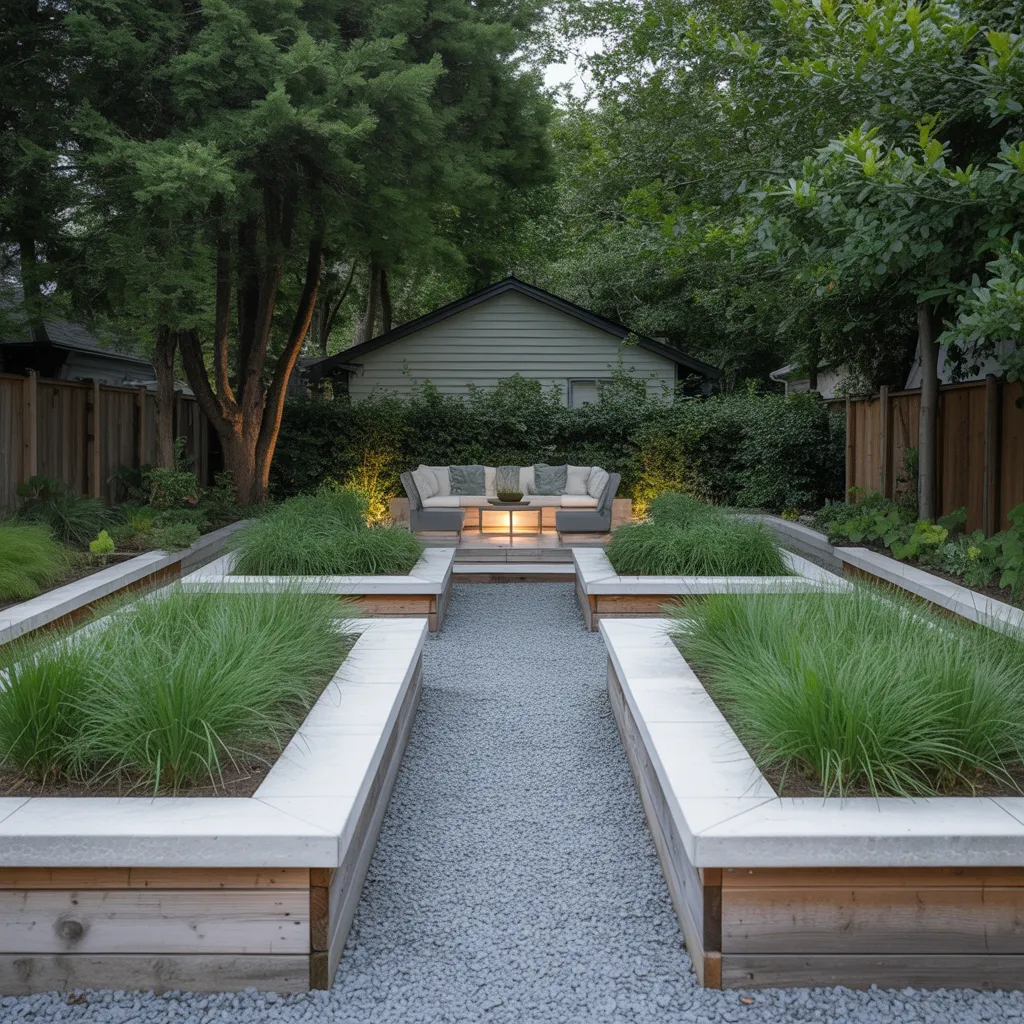
Forget basic outdoor spaces. In 2026, backyards are transforming from forgotten afterthoughts into comprehensive wellness zones—places where you can genuinely disconnect and recharge without leaving home.
Interior designers and landscape architects are noticing that homeowners no longer want simple patios or generic garden layouts. Instead, they’re craving functional escape spaces that blend relaxation, recovery, and everyday living into one cohesive experience.
What’s driving this shift? As our indoor lives become increasingly connected and stimulating, we’re hungrier than ever for dedicated outdoor sanctuaries that feel intentional and restorative.
This movement goes beyond aesthetics; it’s about creating outdoor living experiences that rival luxury resort amenities, where daily enjoyment takes precedence over occasional entertaining.
Modern backyard design emphasizes functional zoning and seamless flow between spaces, supporting both active engagement and quiet contemplation. And here’s what makes this different from past trends: sustainability is central to the transformation.
These sanctuaries increasingly prioritize water-efficient features, smart technology, and durable materials that reduce environmental impact while enhancing long-term enjoyment.
Professional landscape architects are leading this charge, applying expertise in site planning, ecological restoration, and integrated sustainability to create outdoor spaces that are both restorative and environmentally responsible.
The Resort Effect: Creating Visual Drama and Functional Gathering Spaces
What transforms an ordinary backyard into something that truly feels resort-like?
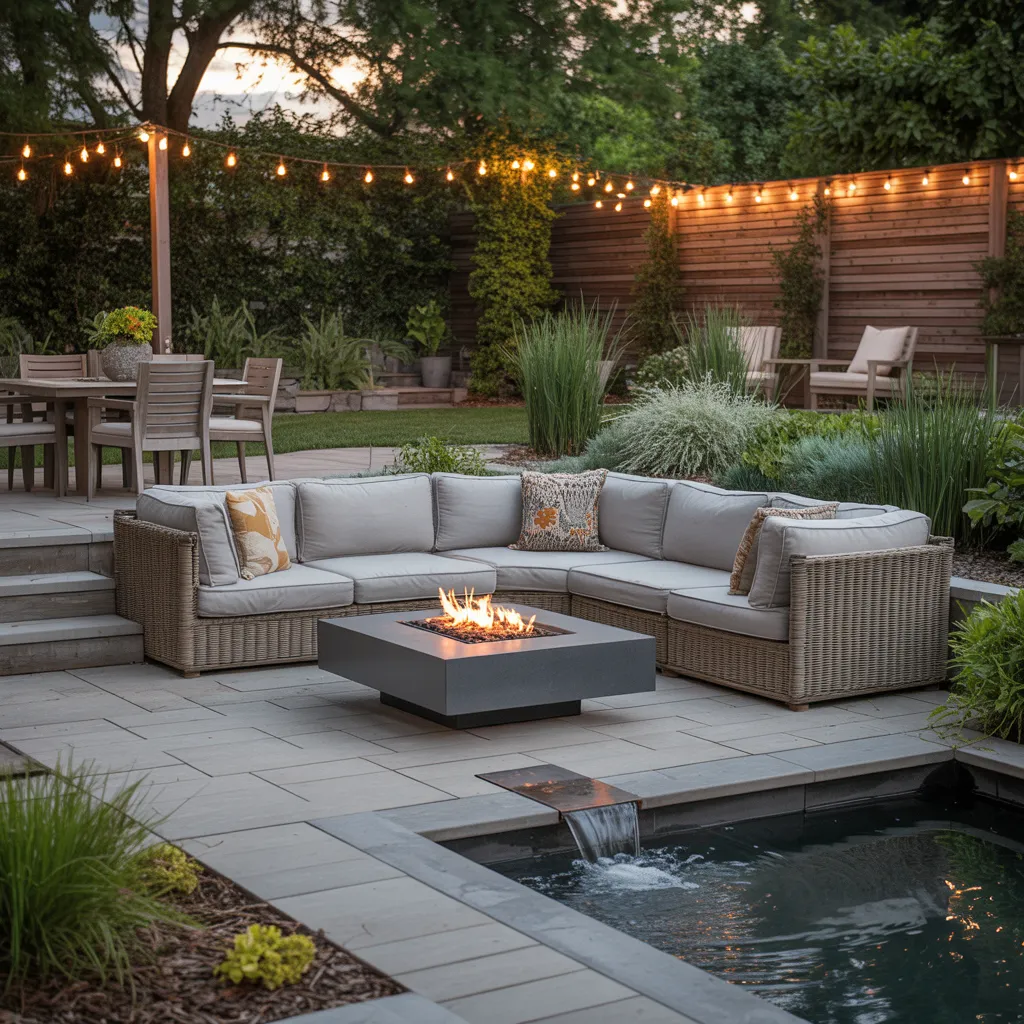
Design experts point to signature features like cascading water features, sunken living rooms, and strategically positioned fire pits. But here’s the key: these elements aren’t merely luxury add-ons meant to impress.
They’re deliberately designed to create flow-through spaces that encourage genuine living and spontaneous gathering.
Modern designs incorporate what professionals call a ‘layered experience’—multiple zones that serve different moods and activities, from active entertainment to quiet contemplation.
What’s changed recently is that cascading water systems now incorporate smart technology and rainwater harvesting capabilities, transforming them from purely decorative elements into resource-conscious features that capture and recycle water intelligently.
Natural water features such as ponds and fountains function as both aesthetic focal points and wellness-oriented viewing areas that invite mindful observation.
The focus throughout is year-round enjoyment through weather-resistant materials, native plantings, and thoughtful spatial planning that supports both relaxation and functionality.
This integration of built structures with strategic plantings creates cohesive outdoor environments where hardscape and landscape work together seamlessly.
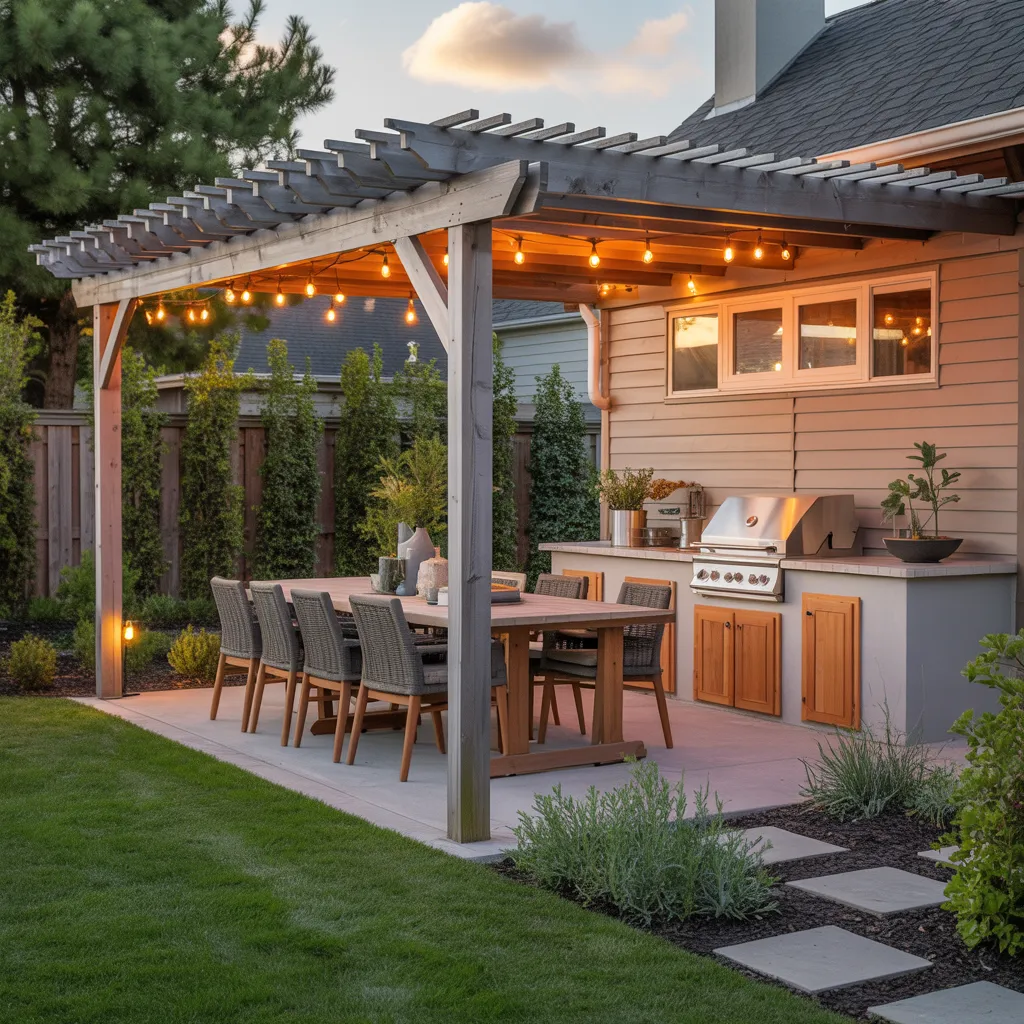
The Dining Revolution: Building an Outdoor Kitchen That Fits Your Lifestyle
Entertainment is taking center stage in 2026 backyard design, but not in the way you might expect. Homeowners increasingly want to host gatherings without the spatial and logistical limitations that indoor entertaining imposes.
This means more requests for shaded outdoor dining areas, professional-grade kitchens, and weather-proof dining spaces that extend functionality beyond traditional cooking.
The emphasis isn’t on ostentatious displays but on practical functionality—well-designed spaces where families can prepare meals, dine together, and entertain guests as naturally as they would indoors.
Thoughtful site planning ensures these dining areas integrate seamlessly with surrounding structures and landscapes, creating cohesive transitions between indoor and outdoor living.
Strategic seating arrangements and accessible design features enhance user comfort and encourage regular daily use, not just formal occasions.
Many homeowners now view outdoor kitchens as lifestyle investments rather than luxury additions, which fundamentally changes how they allocate renovation budgets.
To maximize durability and minimize maintenance, forward-thinking homeowners are selecting low-VOC materials, weather-resistant finishes, and energy-efficient appliances that align with broader sustainability goals—ensuring these spaces remain beautiful and functional for years to come.
Beyond Entertainment: Wellness Amenities That Support Your Health
The backyard wellness trend goes far beyond pools and kitchens.
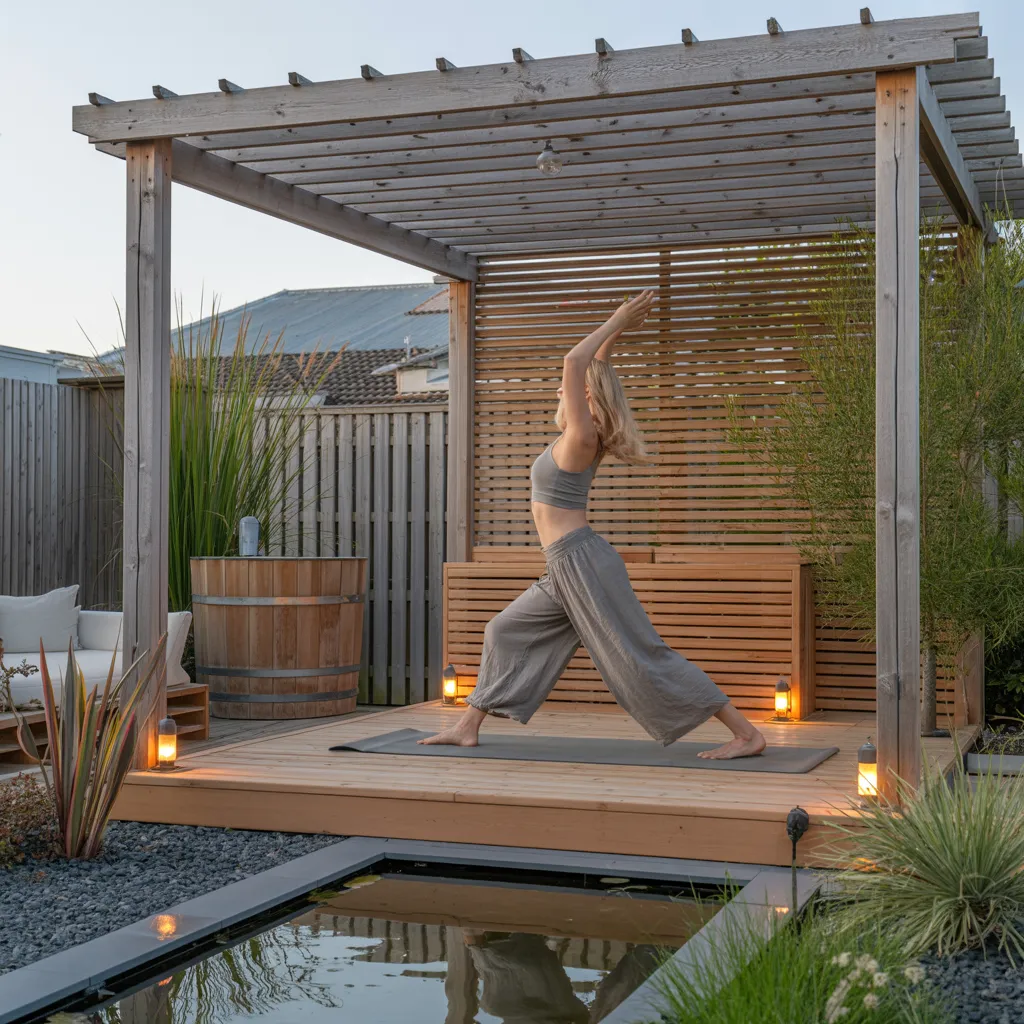
Homeowners are embracing yoga decks for morning practice, saunas embedded into garden landscapes, and dedicated meditation spaces—creating nature-connected wellness experiences that integrate holistic health into daily routines.
This signals a fundamental philosophical shift: the backyard is no longer primarily about entertaining or decoration. It’s about integrating wellness practices into your outdoor lifestyle.
Outdoor showers featuring water-efficient technology and naturally landscaped viewing areas overlooking ponds and fountains create tranquil focal points for relaxation and contemplation.
Smart shower systems and rainwater-fed water features allow you to enjoy these wellness amenities while minimizing water waste.
Strategic garden lighting—including subtle low-voltage LED fixtures and uplighting—extends usability during evening hours while maintaining the serene atmosphere essential for meditation and recovery.
Biophilic design principles, which connect residents with natural environments, support mental health through carefully planned green spaces and natural features.
These amenities represent a maturing perspective on outdoor design: as people become increasingly conscious of wellness, they’re investing in environmental features that actively support their physical and mental health.
Designing for Resilience: The Sustainability Strategy Behind Modern Gardens
While aesthetic trends dominate headlines, landscape experts are quietly pushing a more sophisticated sustainability-focused agenda that addresses long-term environmental challenges.
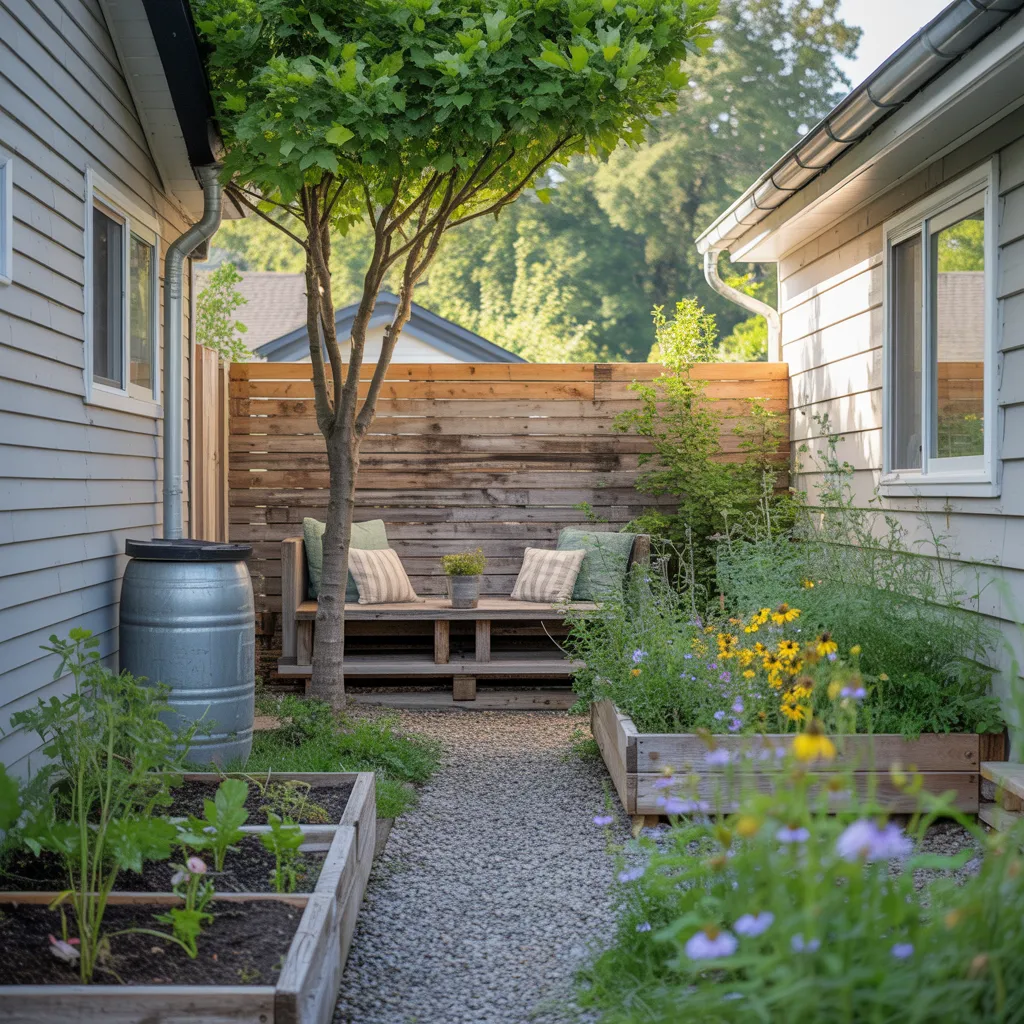
Water management is becoming increasingly critical, with homeowners seeking innovative solutions to capture, store, and reuse water intelligently through rainwater harvesting systems and smart irrigation technology.
Native plantings support local ecosystems while requiring less maintenance and irrigation—standing in stark contrast to outdated practices like artificial turf, which damages soil and creates ecologically sterile environments.
Natural landscaping using indigenous trees, shrubs, groundcover, and grasses adapted to your local climate creates low-maintenance gardens that provide suitable habitat for native butterflies, birds, pollinators, and wildlife.
This approach addresses both climate adaptation and biodiversity support simultaneously.
Many municipalities increasingly recognize these benefits, actively supporting the shift toward ecological restoration through incentive programs and policy changes.
The garden of 2026 represents a design philosophy that works with natural systems rather than imposing artificial control—reflecting growing awareness that outdoor spaces can either deplete resources or actively contribute to environmental restoration. Your backyard becomes part of the solution rather than part of the problem.
Monochromatic Gardens and the Science of Serene Spaces
Visual chaos and competing design elements are decisively out of favor.
Leading designers are embracing cohesive, monochromatic floral designs with symmetrical plantings that deliberately create calm, curated outdoor environments. Here’s why this matters: visual noise actually works against relaxation.
By reducing competing elements, you create spaces that genuinely contribute to psychological restoration.
Contemporary garden design emphasizes clean lines and bold but simple planting styles—drifts of one or two plants that repeat throughout the design create visual coherence while requiring minimal maintenance.
When combined strategically with native plantings and weather-resistant materials, these gardens become low-maintenance retreats that look intentional, timeless, and sophisticated.
Subtle lighting effects achieved through carefully placed low-voltage LED fixtures further enhance the serene atmosphere without introducing visual clutter.
By eliminating high-maintenance elements like ornamental complexity or resource-intensive grass patterns, you create spaces that are both visually serene and environmentally responsible.
Homeowners report that monochromatic gardens feel like personal sanctuaries—spaces deliberately designed for their own enjoyment rather than external validation. This suggests a maturation in how we think about outdoor design priorities and wellness integration.