
Creating a beautiful home in 2027 doesn’t have to mean investing in expensive furniture, undertaking a major renovation, or keeping up with every new decorating trend. Sometimes, the most effective improvements come from reconsidering how we use the spaces we already have.
Rather than designing rooms around temporary trends, homeowners can benefit from prioritizing comfort, functionality, personality, and long-term value.
Whether you’re refreshing a living room, updating a bedroom, or planning a larger home improvement project, these eight design changes can help create a more inviting and thoughtfully designed home.
1. Replace Perfectly Matched Interiors With a More Collected Look
Buying an entire matching furniture collection might seem like an easy way to achieve a coordinated interior. However, too much uniformity can leave a room feeling more like a furniture showroom than a personal living space.
Combining different textures, finishes, and furniture styles can introduce character without sacrificing visual harmony.
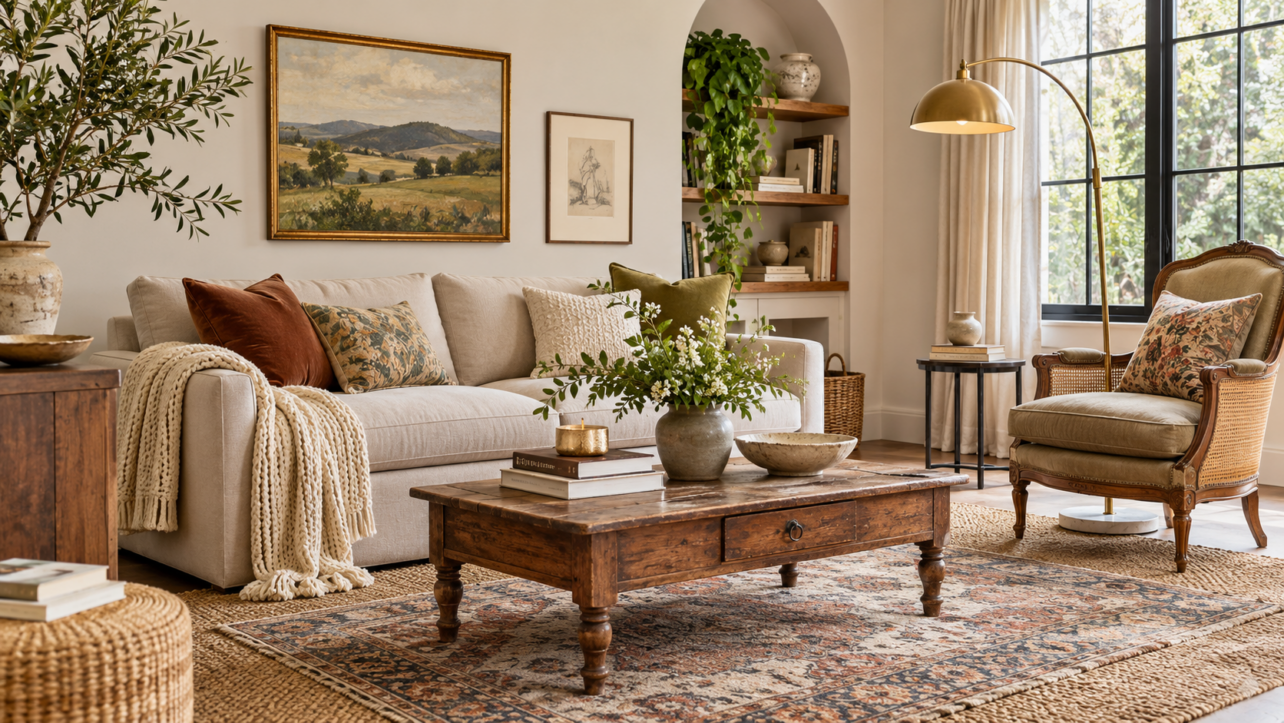
A contemporary sofa can work beautifully alongside a vintage wooden coffee table, while a traditional armchair can complement a modern floor lamp.
To maintain balance, look for a common element between your furnishings, such as complementary colors, similar proportions, or recurring materials.
Shopping at secondhand stores, refinishing existing furniture, and incorporating family pieces are affordable ways to achieve this look.
2. Create a Color Palette That Feels Warm and Personal
Neutral interiors remain a versatile decorating choice, but relying exclusively on cool grays and bright whites can sometimes make a room feel less inviting.
Homeowners looking for additional warmth can experiment with:
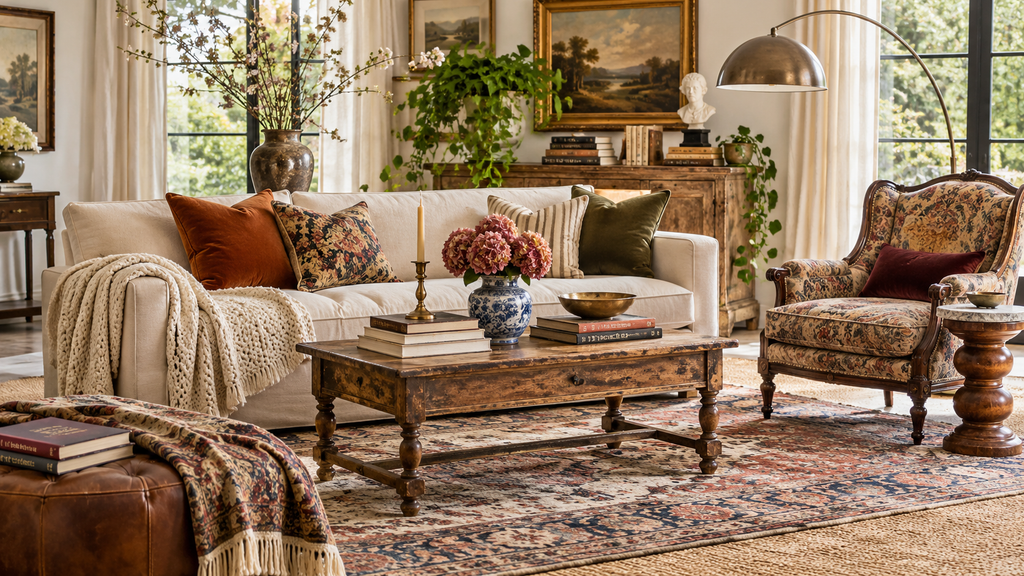
- Warm beige and soft cream
- Muted olive and sage green
- Terracotta and earthy clay
- Chocolate brown and caramel
- Dusty blue and muted burgundy
These colors can work across contemporary, traditional, and transitional interiors without requiring a complete redesign.
If repainting isn’t within your budget, introduce warmer tones through curtains, cushions, rugs, artwork, or bedding.
For a more dramatic transformation, consider color drenching, a decorating technique that uses the same or closely related shades across walls, trim, doors, and sometimes ceilings.
Always test paint samples under different lighting conditions before committing to a color.
3. Design Your Lighting Around Everyday Activities
Lighting influences both the appearance and usability of a room. Yet many homes rely on a single ceiling fixture to meet several different needs.
A more flexible approach involves combining three types of lighting:
- Ambient lighting: General illumination throughout a room.
- Task lighting: Focused light for reading, cooking, or working.
- Accent lighting: Decorative illumination that highlights artwork, architectural features, or textured surfaces.
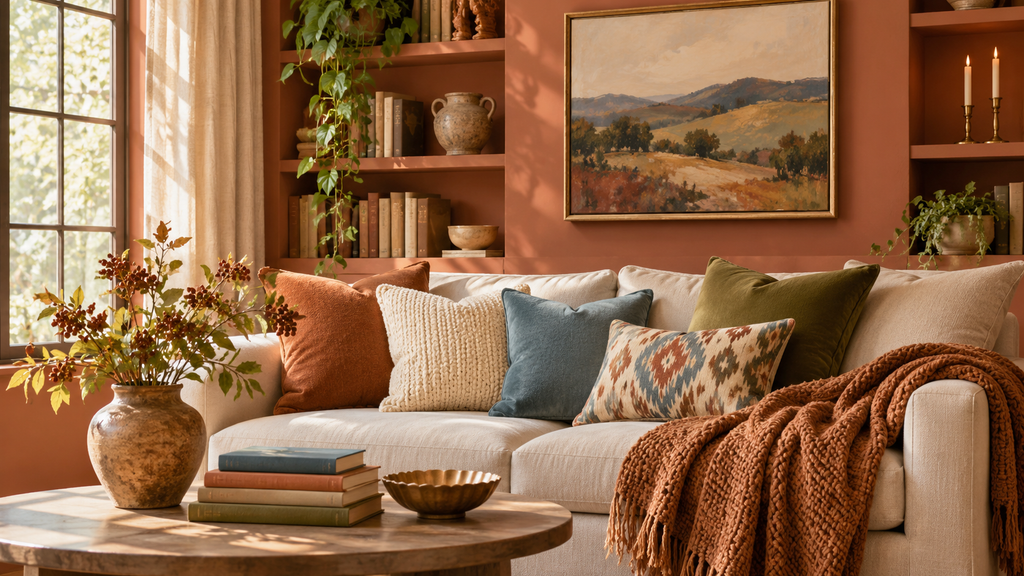
In a living room, this could mean combining a ceiling fixture with a floor lamp beside the sofa and a small table lamp on a console.
Bedrooms and relaxation areas may benefit from warmer light, while kitchens and home offices may require brighter, more focused illumination.
Plug-in lamps and compatible dimmable bulbs can help improve lighting without undertaking extensive electrical work.
4. Make Storage Part of Your Interior Design
A beautifully decorated room can quickly lose its appeal when everyday belongings have nowhere to go.
Instead of treating storage as an afterthought, consider incorporating it directly into your decorating plans.
Furniture that combines storage with another function can be particularly useful in smaller homes and apartments.
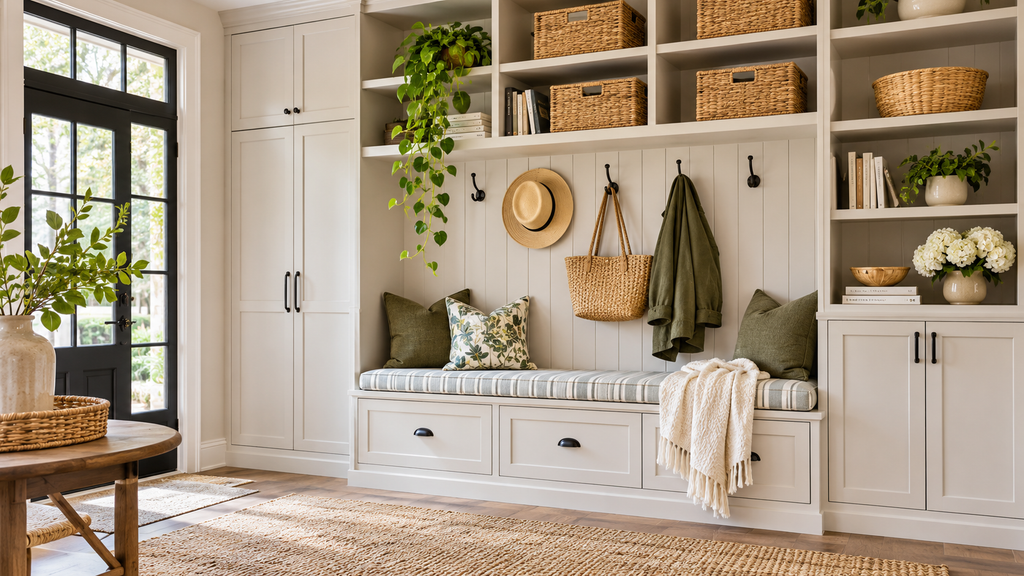
Practical options include storage ottomans, beds with drawers, entryway benches with compartments, sideboards, and modular shelving.
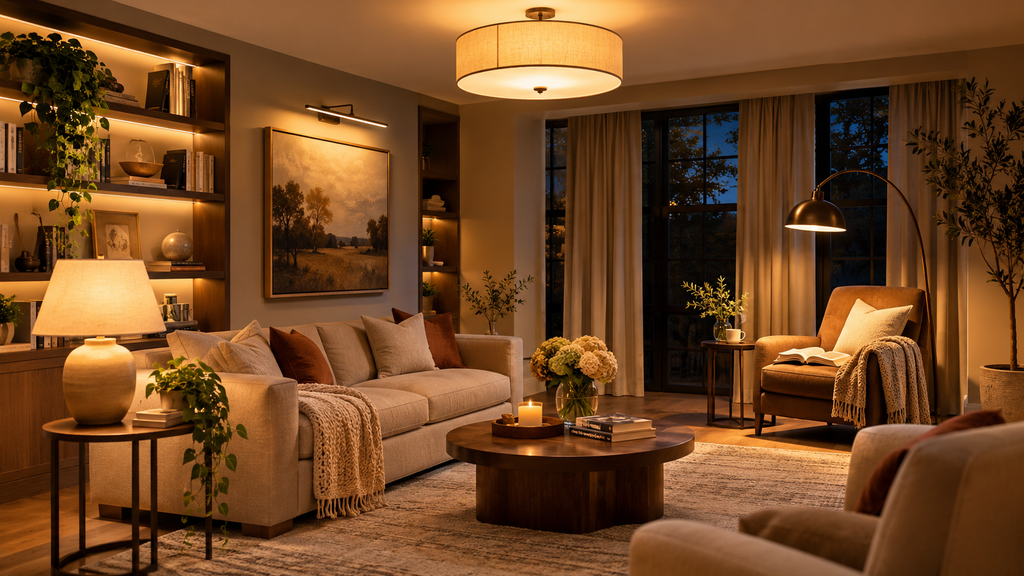
Open shelving can still be attractive, particularly when displaying books, ceramics, and meaningful decorative pieces. Combining open displays with closed storage, however, can help reduce visual clutter.
Before purchasing additional furniture, review what you already own and identify which belongings need to remain easily accessible.
5. Introduce Natural Texture Without Overspending
Texture can give a room depth and visual interest even when the overall color palette is relatively simple.
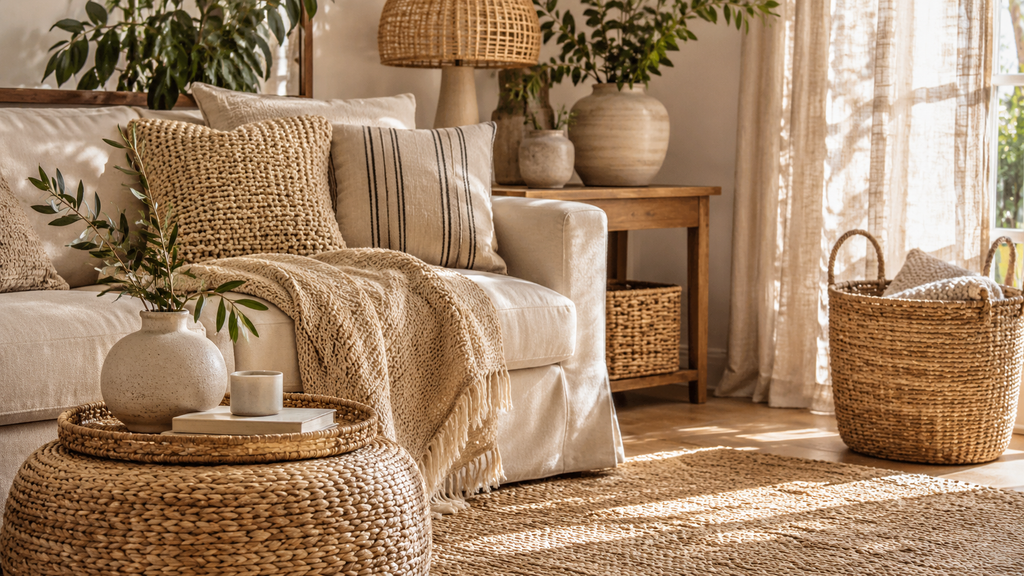
Wood, woven fibers, linen, ceramic, and stone-inspired finishes can help create a comfortable atmosphere when combined thoughtfully.
However, achieving this appearance doesn’t require purchasing expensive natural materials throughout the home.
Affordable alternatives include:
- Wooden picture frames and decorative trays
- Woven baskets for everyday storage
- Textured cushion covers
- Ceramic vases and table lamps
- Linen-blend curtains
- Durable wood-look flooring
When selecting materials, consider maintenance, durability, and suitability for the intended space alongside appearance.
For example, a washable synthetic rug may be a more practical investment for a busy household than a delicate natural-fiber alternative.
Good design is about finding the right balance between appearance, performance, and budget.
6. Choose Furniture Based on How You Actually Live
A striking piece of furniture may look impressive online but offer little value if it doesn’t meet your household’s needs.
Before purchasing a sofa, dining table, or accent chair, think about how frequently it will be used and what activities it needs to support.
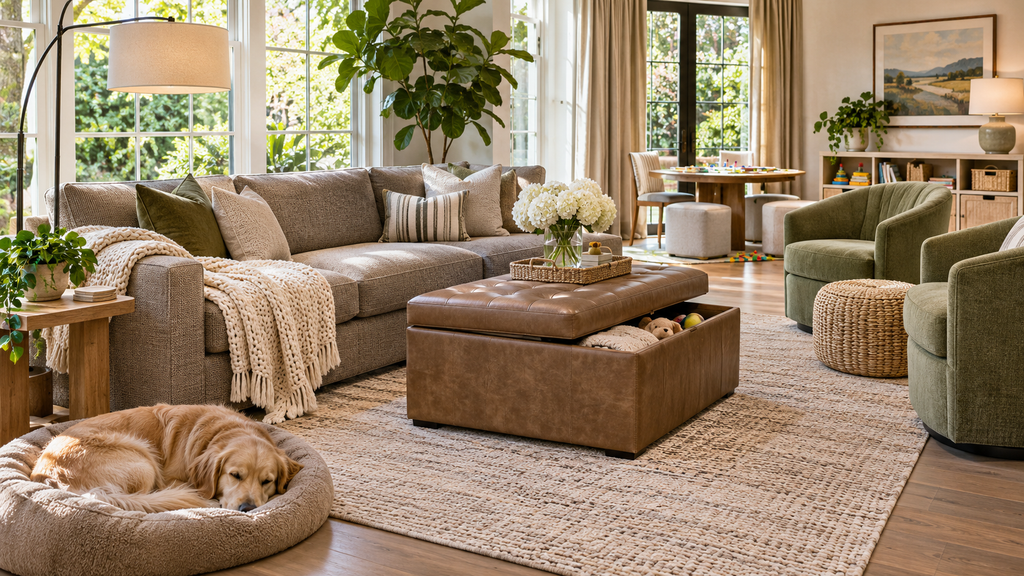
Families may benefit from removable upholstery covers and easy-to-clean surfaces. Smaller households might prioritize compact furniture, while people who frequently entertain may need flexible seating arrangements.
Pay particular attention to:
- Seat depth and back support
- Upholstery care requirements
- Furniture dimensions and proportions
- Available walking space
- Accessibility through doors and hallways
Rather than choosing furniture based solely on its popularity, prioritize pieces that remain comfortable and useful throughout the year.
7. Give Walls More Personality Without Overdecorating
Large blank walls can make an otherwise furnished room feel unfinished. At the same time, filling every available surface with decorative objects can create unnecessary visual clutter.
A more balanced approach is to create intentional focal points.
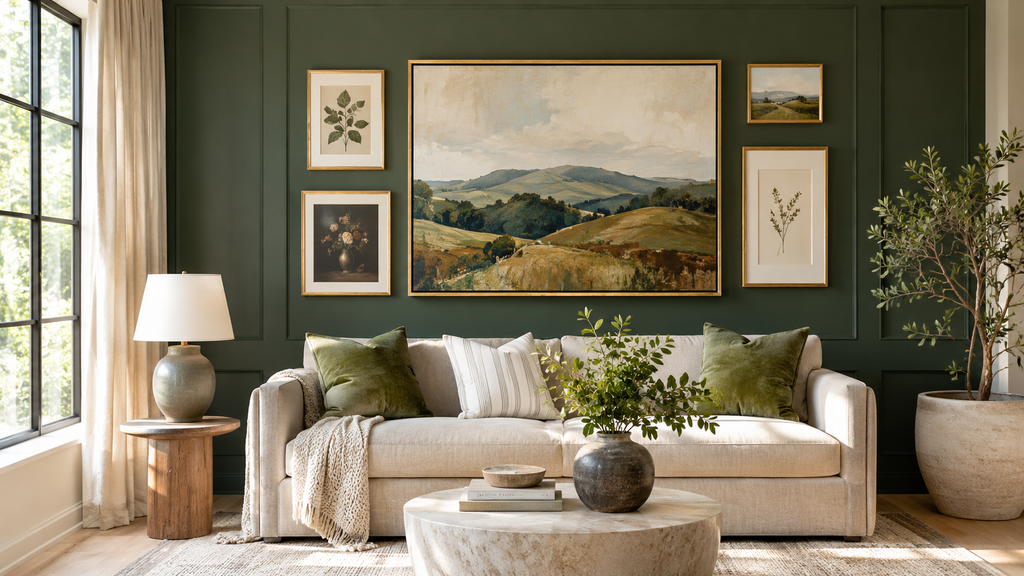
An oversized artwork, a carefully arranged gallery wall, a decorative mirror, or a collection of framed photographs can introduce personality without overwhelming the room.
Original artwork doesn’t have to be expensive. Local artists, secondhand shops, public-domain art prints, and personal photography offer plenty of accessible options.
Homeowners can also experiment with painted alcoves, removable wallpaper, or decorative paneling where appropriate.
The objective is to create visual interest that complements the room rather than competes with everything else inside it.
8. Invest in Small Improvements Before Major Renovations
Refreshing a home doesn’t always require replacing large pieces of furniture or making permanent structural changes.
Smaller updates can significantly influence how a room looks and functions.
| Home improvement | Estimated DIY budget |
|---|---|
| Replace decorative cushion covers | $20–$60 |
| Update cabinet handles | $25–$100 |
| Introduce additional lamps | $40–$150 |
| Refresh a room with paint | $75–$200 |
| Replace curtains or window treatments | $50–$200 |
| Refinish a secondhand furniture piece | $30–$100 |
These are illustrative U.S. budget estimates for basic materials or products. Actual costs vary depending on room size, product quality, location, and installation requirements.
Rearranging furniture, decluttering surfaces, and repositioning existing artwork can also improve a room without spending anything.
Making gradual improvements allows you to evaluate what works before committing to larger purchases or renovations.
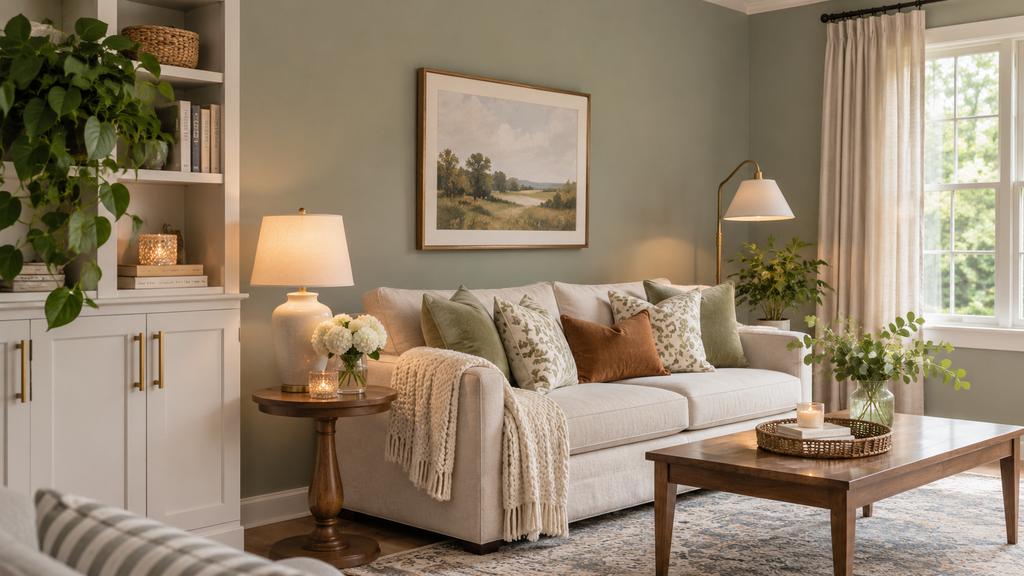
What Makes an Interior Truly Timeless?
A timeless home doesn’t necessarily follow a particular decorating style. Modern, traditional, rustic, minimalist, and eclectic interiors can all remain appealing when they reflect the needs and preferences of their occupants.
As 2027 approaches, consider spending less time worrying about which decorating trends are becoming outdated and more time identifying what would make your home more enjoyable.
Prioritize comfortable furniture, useful storage, thoughtful lighting, durable materials, and meaningful decorative details.
By making improvements gradually and choosing items for their long-term value, you can create a home that continues to feel welcoming long after individual decorating trends have changed.