Most of us clean on autopilot, repeating routines inherited from our parents or picked up through trial and error—often without understanding why they actually work.
The results? We waste time and money, and sometimes we cause real damage or create health risks.
Mixing incompatible cleaning products is a perfect example: it creates toxic fumes that professionals say is surprisingly common, even though the dangers are widely known.
Using abrasive techniques on delicate surfaces strips protective coatings and leaves marks. The wrong cleaner on specific materials causes discoloration or degradation. These fundamental mistakes undermine everything else you’re doing.
The good news? Effective cleaning relies on a simple combination of mechanical action and chemical processes working together—and understanding this foundation changes everything. Small, strategic adjustments can transform your results dramatically.
The Forgotten Zones That Nobody Talks About
While you’re vacuuming floors and wiping countertops, dirt and bacteria are thriving in places most people forget exist.
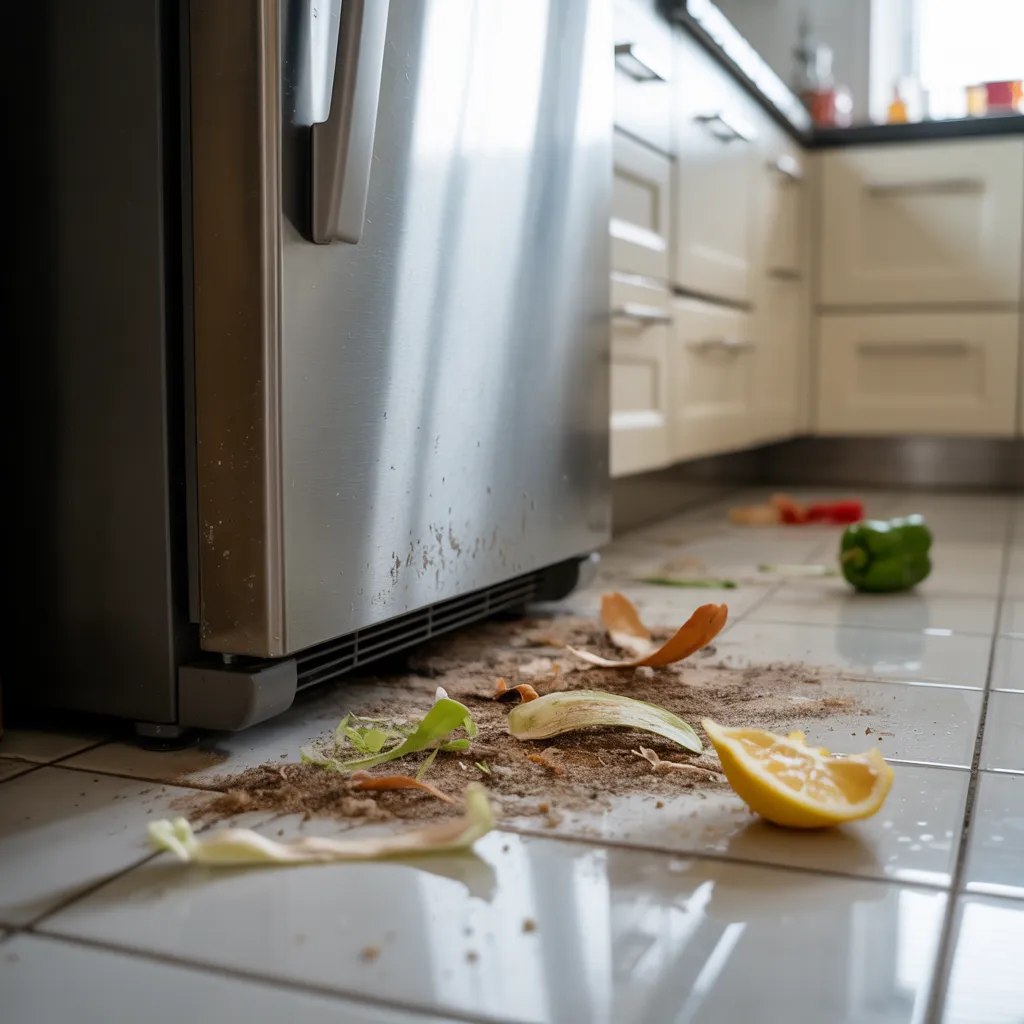
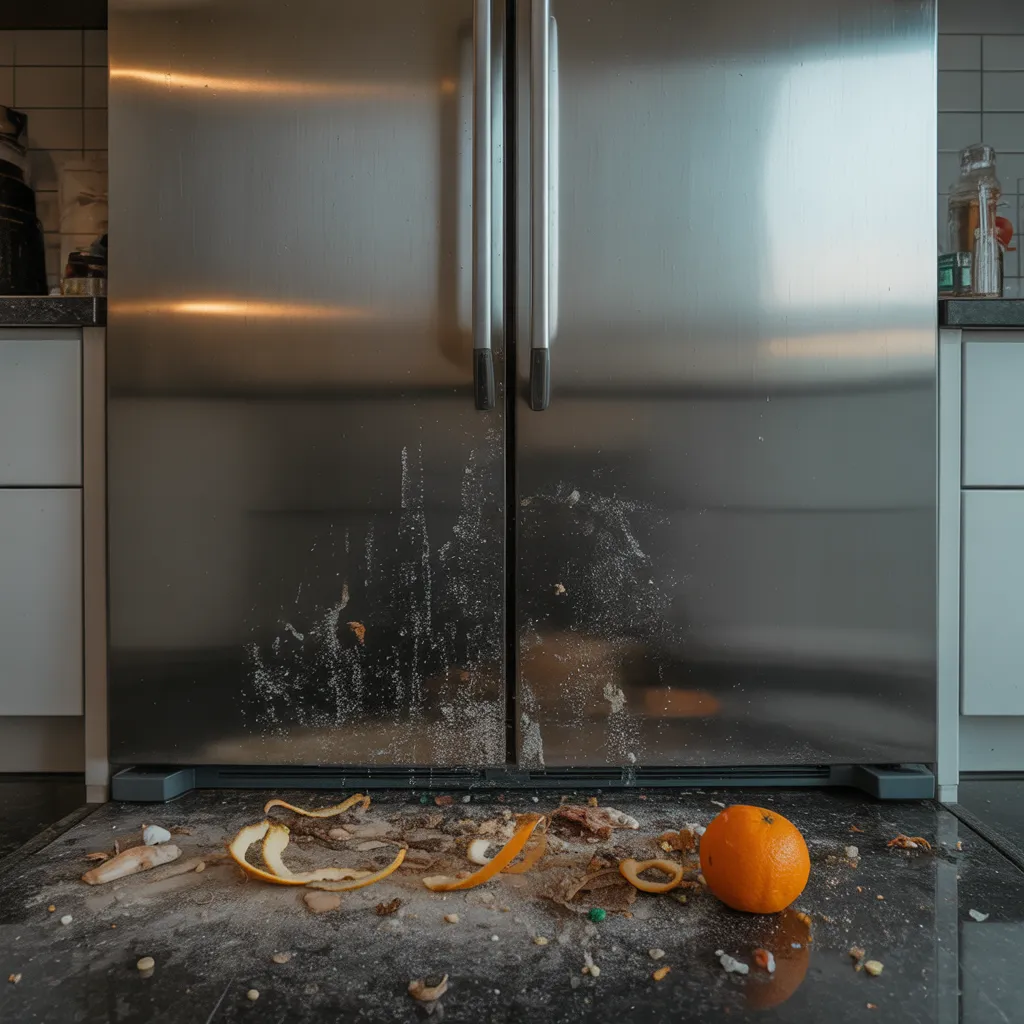
- Behind refrigerators and ovens, dust builds up in thick layers—a perfect home for bacteria and dust mites.
- The tops of ceiling fans collect months of grime that circulates through your home every time they run. Light fixtures gather dust that actually dims their brightness.
- Baseboards throughout your home trap pet hair and debris. Inside window frames, moisture and dirt combine to create hidden mold.
These forgotten areas don’t just look bad—they actively compromise your indoor air quality.
Professional cleaners consistently point to these neglected hard-to-reach spots as one of the biggest differences between average and truly thorough home maintenance.
Setting a quarterly reminder to tackle these zones keeps them from becoming breeding grounds for problems.
Your Laundry Routine: Where Most People Go Wrong
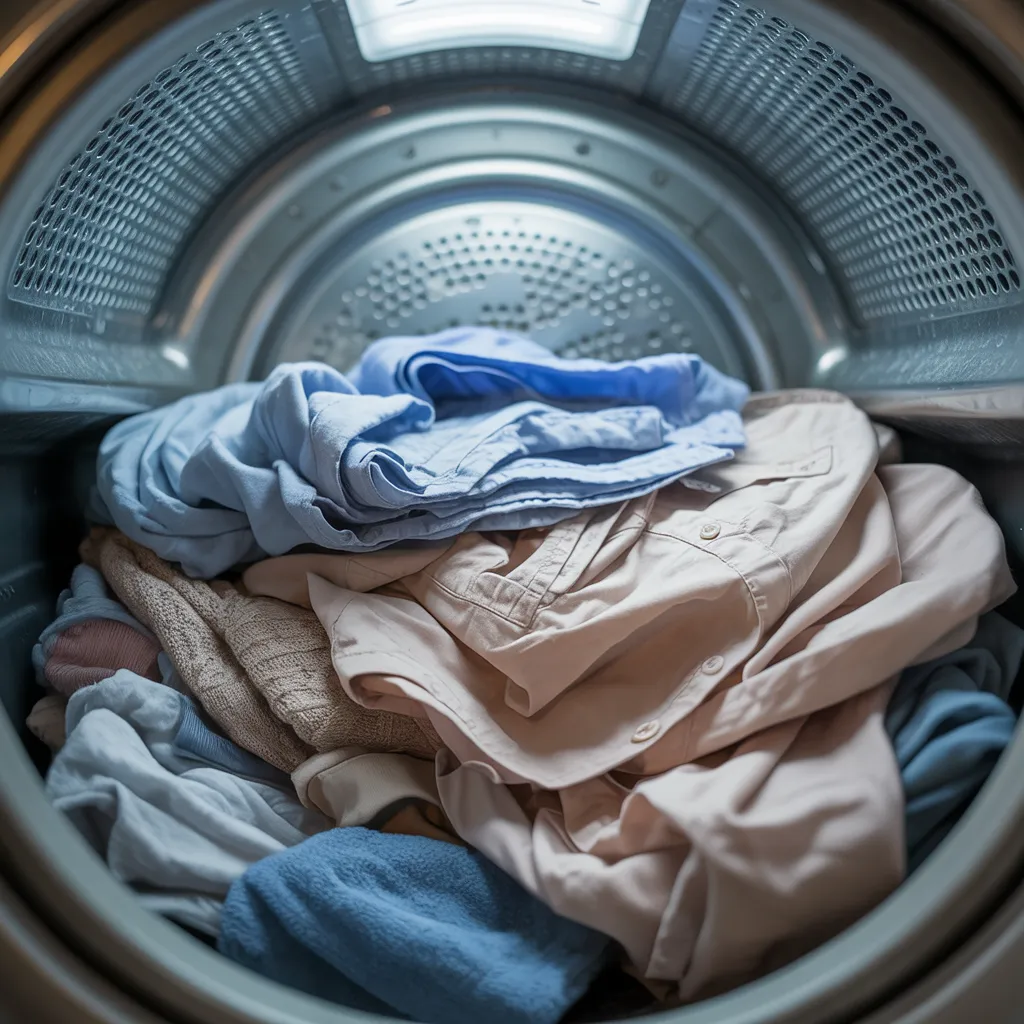
Bedsheet washing frequency confuses most homeowners, but experts recommend washing weekly to eliminate accumulated dead skin cells, dust mites, and bacteria.
Your dryer settings present another common mistake: high heat removes wrinkles but actually damages fabric fibers and causes shrinkage, while low heat leaves wrinkles but preserves your clothes.
The solution? Use appropriate cycles that balance both concerns.
Removing clothes promptly from the dryer prevents wrinkles from setting permanently. Storage matters too—properly folded sheets stored in cool, dry spaces stay fresher longer than haphazardly piled ones.
Taking time to understand stain removers and fabric-appropriate detergents pays dividends throughout your garments’ lives. These small shifts in approach mean less time fighting laundry problems and more time enjoying your clothes.
Pet Hair and Stains: The Challenge Pet Owners Face
Pet ownership brings joy, but it introduces specific cleaning challenges that standard cleaners can’t handle. Stubborn pet stains contain enzymes and proteins that ordinary detergents miss entirely.
This is where enzyme cleaners become game-changers—they break down organic compounds at a molecular level, which is why professionals rely on them.
Choosing the right vacuum matters too: you need one that handles mixed surfaces well, especially hardwood floors combined with pet hair removal.
This means understanding suction power, brush roll design, and filtration technology. Beyond equipment, knowing which products actually work versus which waste money and time is crucial knowledge.
Many pet owners spend years struggling with solutions that prove ineffective, never realizing that enzyme-based cleaners and properly chosen vacuums would transform their experience completely.
Deep Cleaning Secrets Professionals Use
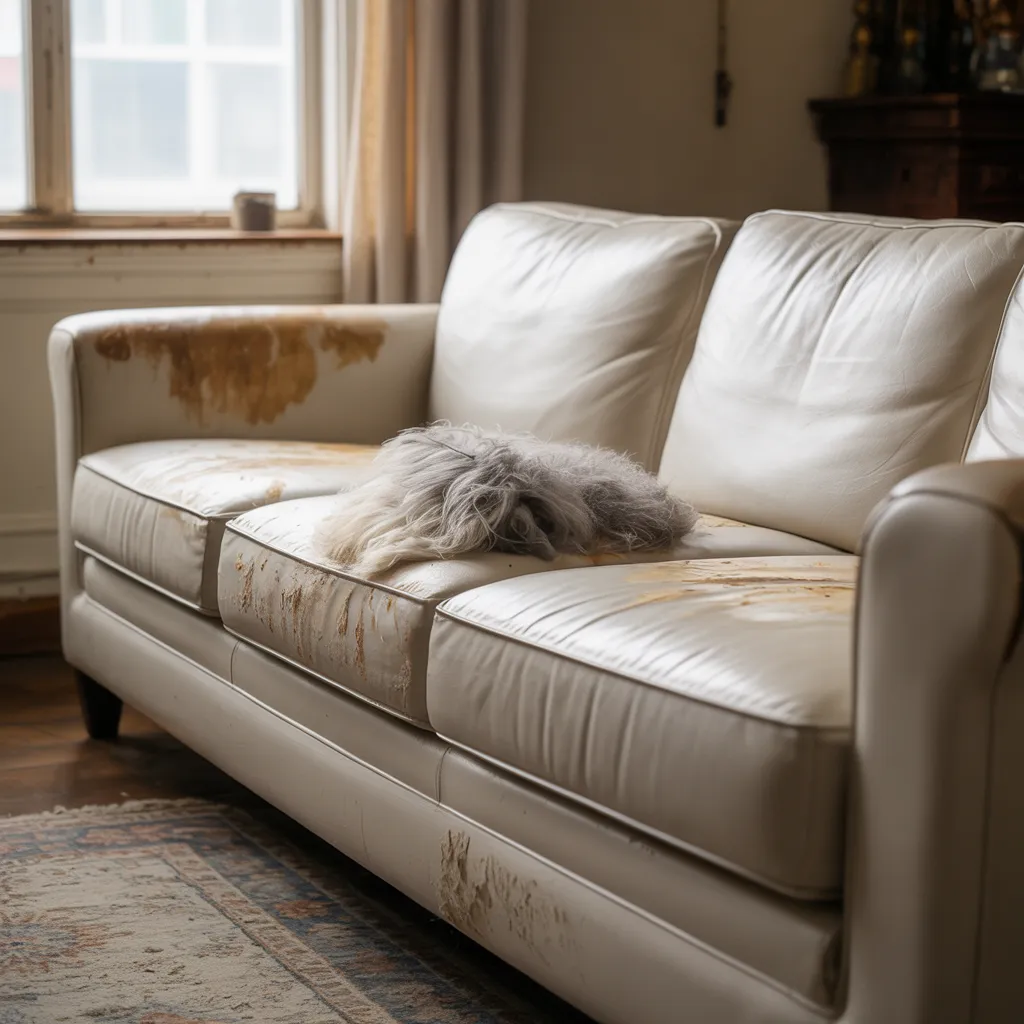
Professional cleaners know specialized deep-cleaning approaches that remain hidden from most homeowners, allowing them to restore items that seem permanently damaged.
Microfiber couches require specific techniques to prevent water rings and discoloration. Yellowed pillows contain biological staining that enzyme treatments can actually reverse.
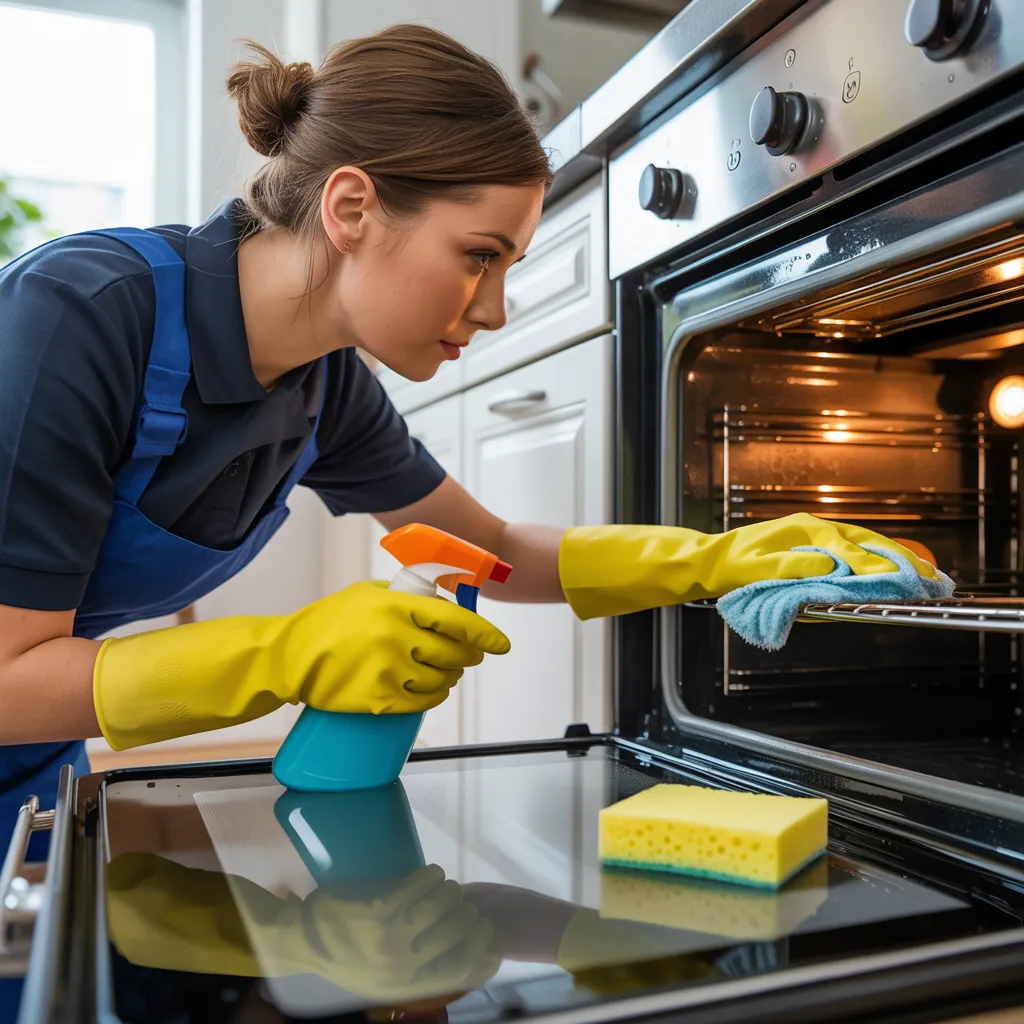
Ovens with baked-on grease respond to specific chemical treatments applied with proper timing.
Even your washing machine needs periodic deep cleaning to remove detergent buildup and bacterial growth.
Here’s a pro strategy professionals emphasize: the order you tackle tasks significantly impacts results.
Clean from top to bottom throughout your space to prevent recontamination.
These expert approaches reveal something encouraging: items you thought were ruined often respond beautifully to proper treatment. The transformation can be remarkable.
Dangerous Product Combinations and Safer Alternatives
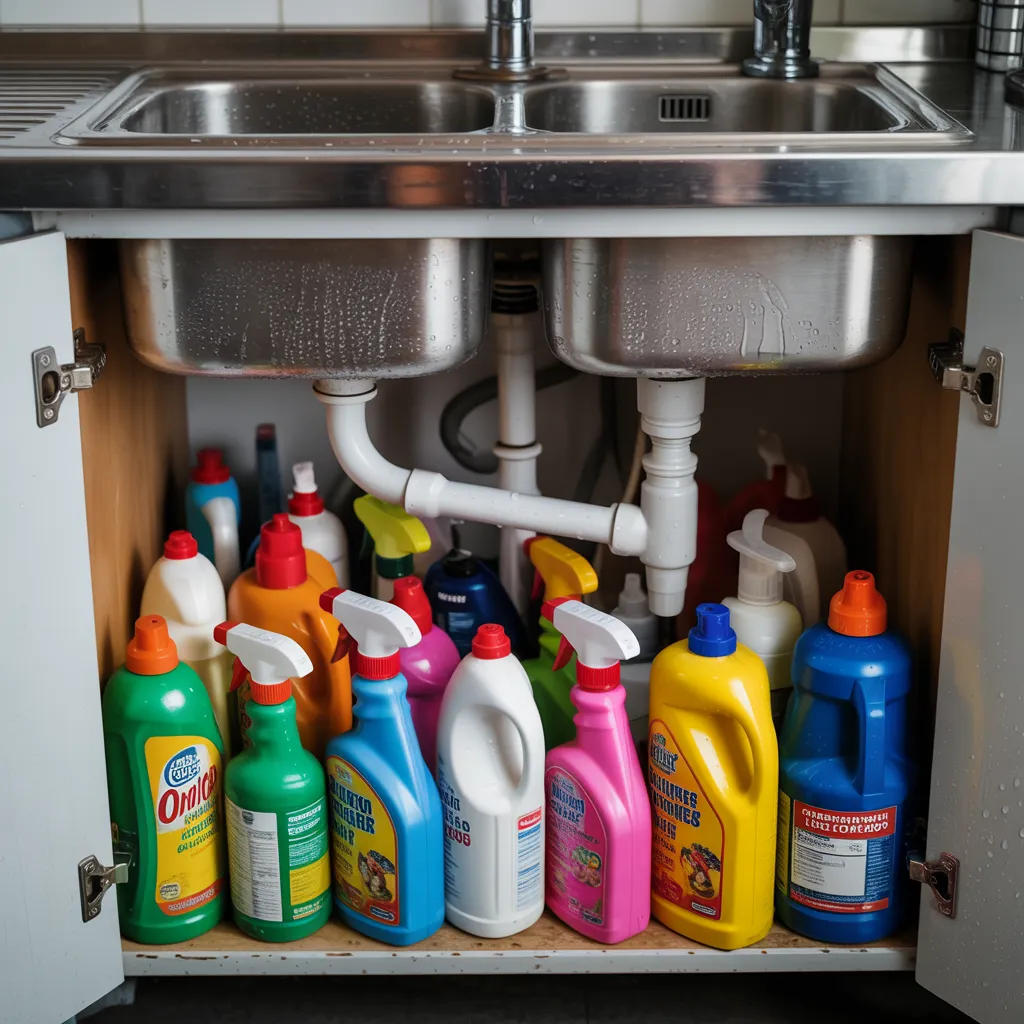
Your cleaning cabinet likely contains dangerous combinations without your awareness.
Bleach mixed with ammonia creates toxic chloramine gas that damages your respiratory system and can be potentially fatal.
Bleach combined with acids produces chlorine gas—another serious hazard hiding in ordinary scenarios. Understanding basic chemistry helps, but the safer approach?
Use fewer products. Specialized enzyme cleaners outperform general-purpose sprays for specific tasks, and chemical disinfectants work through different mechanisms—some target bacteria, others fungi or viruses.
Simplifying your cleaning arsenal through knowledge transforms your approach from chemically complex to elegantly effective and safer for your family.
You’ll actually get better results with a focused set of products than a cluttered cabinet of combinations.
Before Guests Arrive: A Strategic Cleaning Checklist That Counts
Preparing your home for visitors requires strategic prioritization—certain tasks create disproportionate impact on guest perception, while others consume time with minimal visible benefit.
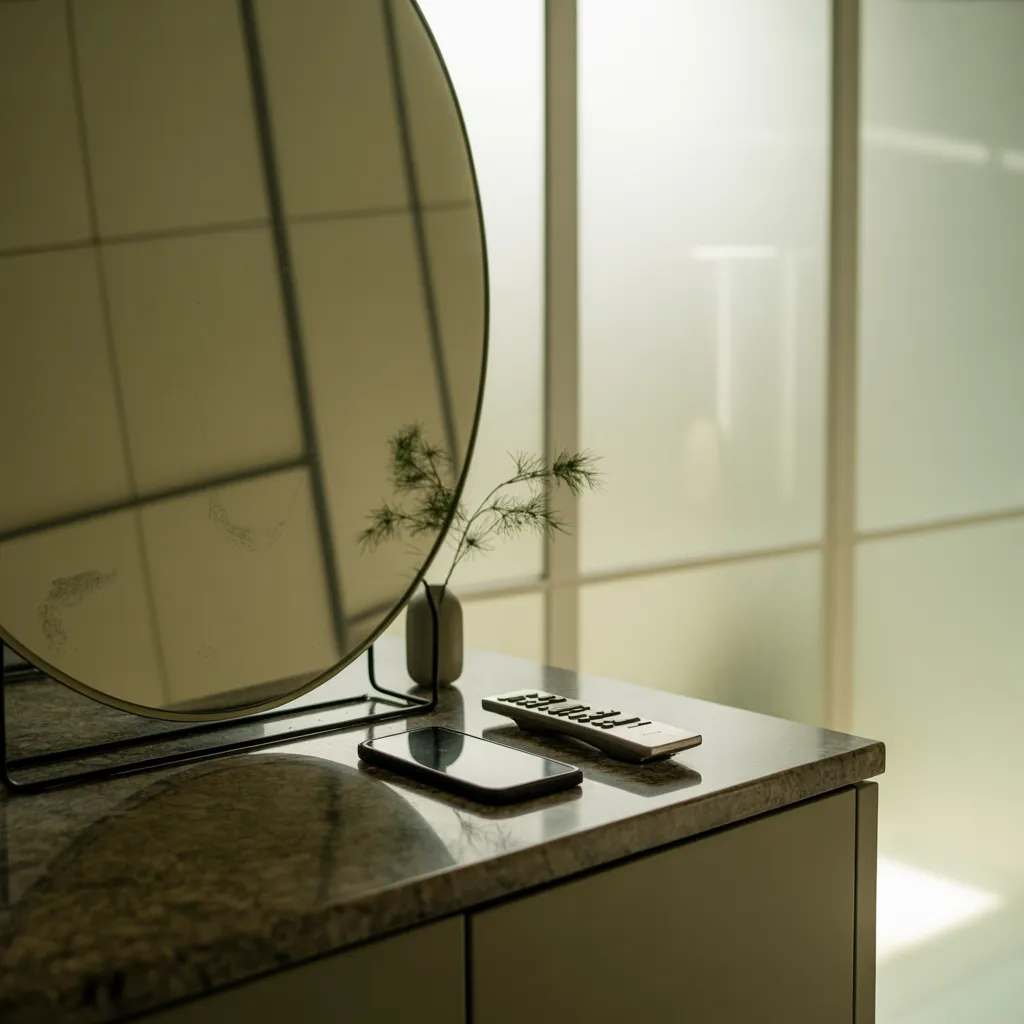
Mirrors deserve immediate attention because guests instinctively look into them, and smudges immediately register as lack of cleanliness.
Visible small appliances signal either attentiveness or neglect. Phones and remote controls represent high-touch surfaces that guests notice.
Bathrooms receive intensive scrutiny—toilets, sinks, mirrors, and floors are where guest judgments crystallize.
Strategic focus on these high-visibility zones maximizes impact within realistic time constraints.
By recognizing which efforts directly influence perception, you’ll present your home’s best appearance without spending hours on tasks nobody notices.
Smart prioritization means better-looking results in less time.