If you’ve been thinking about updating your outdoor space, 2026 is shaping up to be an exciting year for garden design. We’re seeing a shift that goes way beyond planting a few new flowers—experts are predicting meaningful changes in how we think about our backyards altogether. What’s driving this transformation? A blend of three powerful forces: people want their outdoor spaces to support their wellness, they’re increasingly concerned about environmental impact, and they’re looking for beautiful places to entertain and relax. The result is outdoor spaces that are more intentional, more sustainable, and more connected to how we actually want to live. Whether you’re starting from scratch or reimagining an existing yard, understanding these emerging trends can help you create a backyard that’s not just beautiful, but also works harder for your lifestyle and values.
The Great Outdoor Kitchen Revolution: From Grilling Station to Entertainment Hub
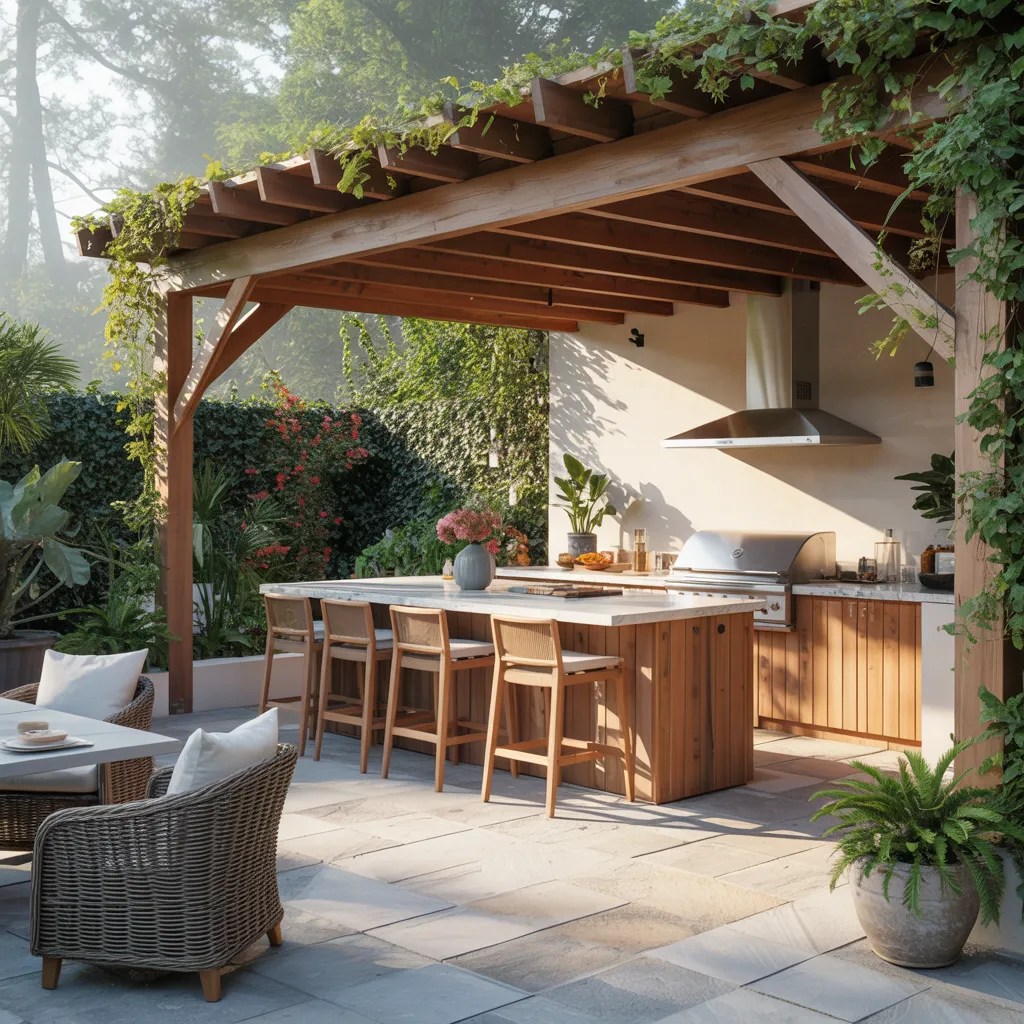
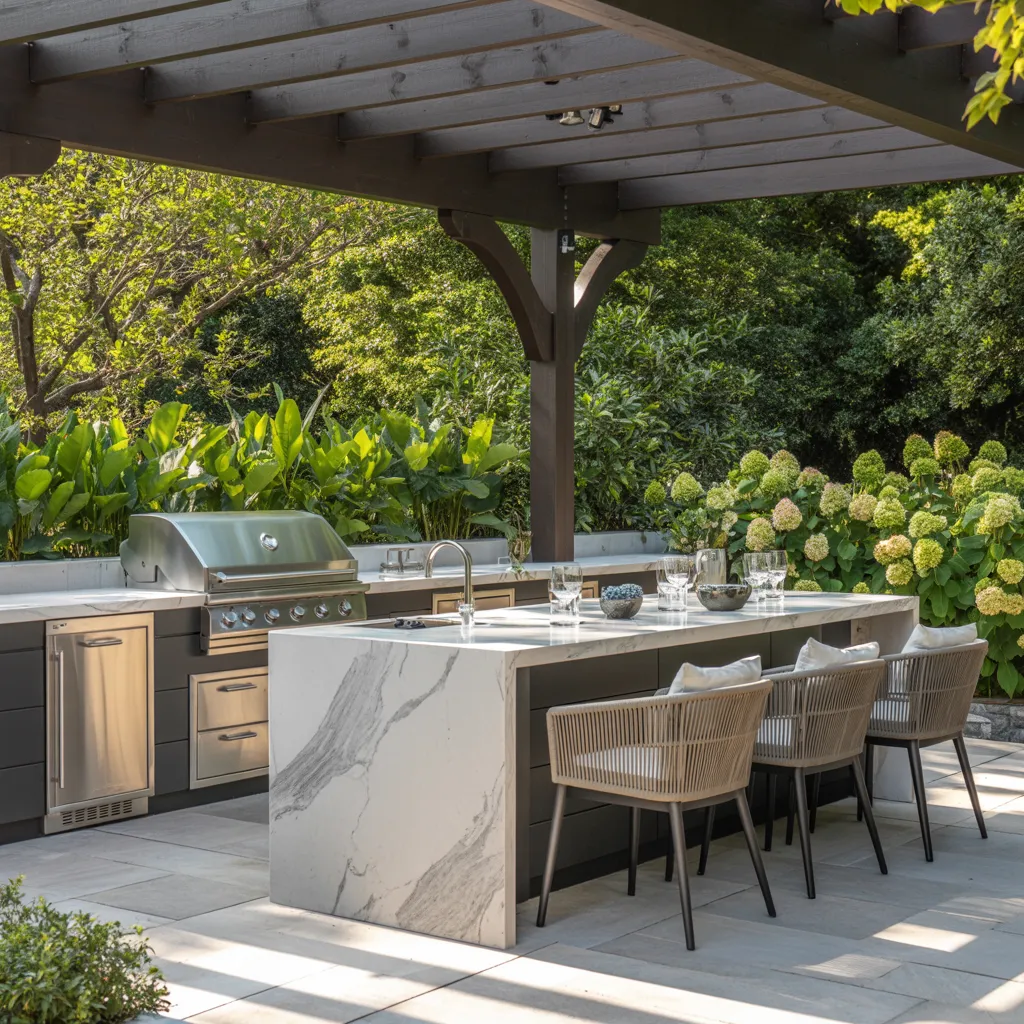
Outdoor entertaining has completely transformed. Where homeowners once settled for a simple grill tucked in the corner, we’re now seeing full outdoor kitchens with covered dining areas that rival indoor formal dining rooms. This shift reflects how much our lifestyles have changed—outdoor spaces have become a central part of how we host, celebrate, and spend time with family and friends. What’s new here? Thoughtful design elements like permanent shade structures, weather-protected cooking areas, and dedicated dining spaces are now standard. We’re talking built-in countertops, storage for outdoor dishes and glassware, and lighting that works as the sun sets. The focus is on creating spaces that feel intentional and comfortable for extended entertaining. Why invest in this? A well-designed outdoor kitchen extends your usable living space and transforms how you entertain. It’s not just about showing off—it’s about creating an experience where you can actually enjoy cooking and dining with guests in a beautiful setting.
Monochromatic Gardens: Why Simplicity Is the Ultimate Sophistication
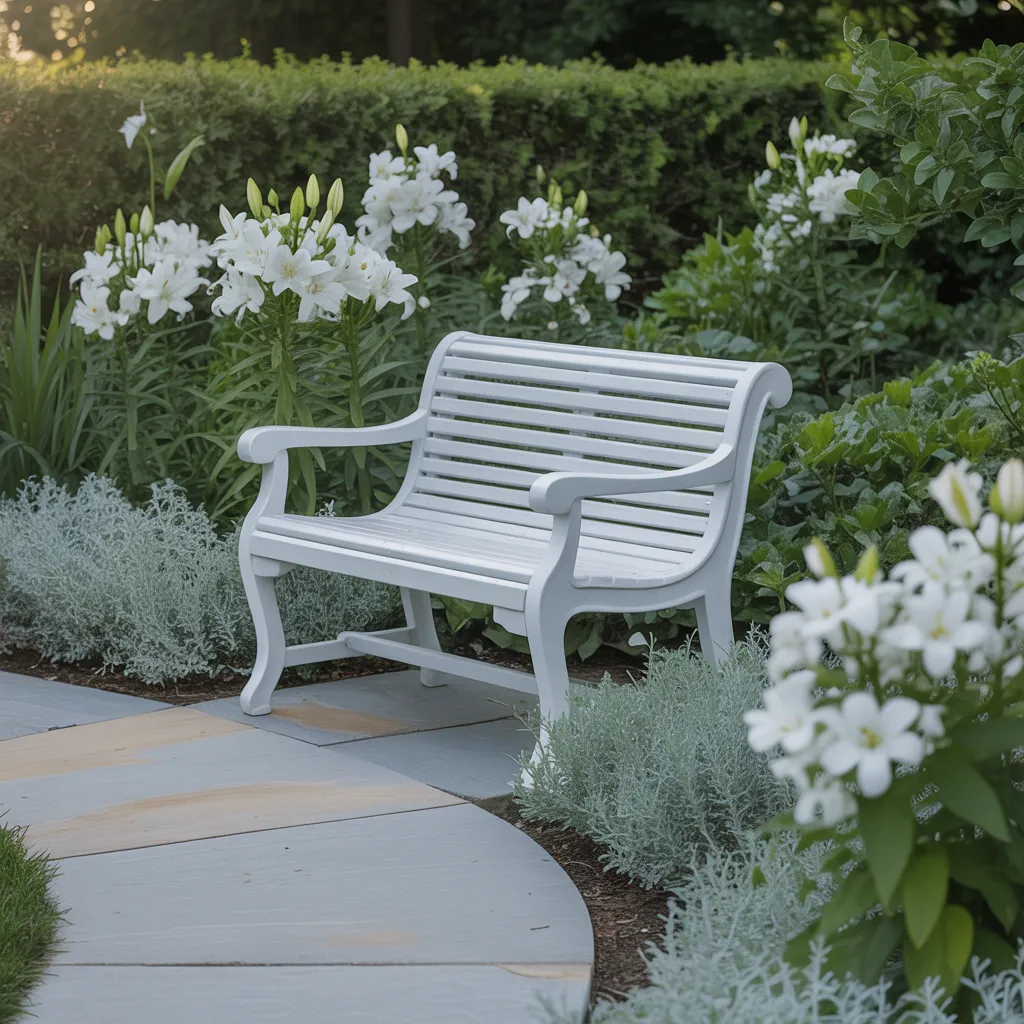
Here’s a counterintuitive trend: gardens are getting less colorful and feeling more refined. Monochromatic designs—using plants in a single color family, often whites, grays, silvers, or soft greens—are replacing the “more is more” approach of traditional colorful flower beds. What makes this work? When you commit to a single color palette, every plant choice becomes intentional. There’s a visual cohesion that feels calm and purposeful. Instead of your eye bouncing between competing colors, it rests on texture, form, and the interplay of light and shadow. It might sound minimalist, but it’s actually quite sophisticated in its precision. Practical benefits beyond aesthetics: Monochromatic gardens are often easier to maintain because you’re typically working with plants that prefer similar growing conditions. Plus, that sense of visual harmony creates a genuinely peaceful retreat—something many of us are craving right now.
Wellness Oasis Trend: Creating Your Personal Retreat at Home
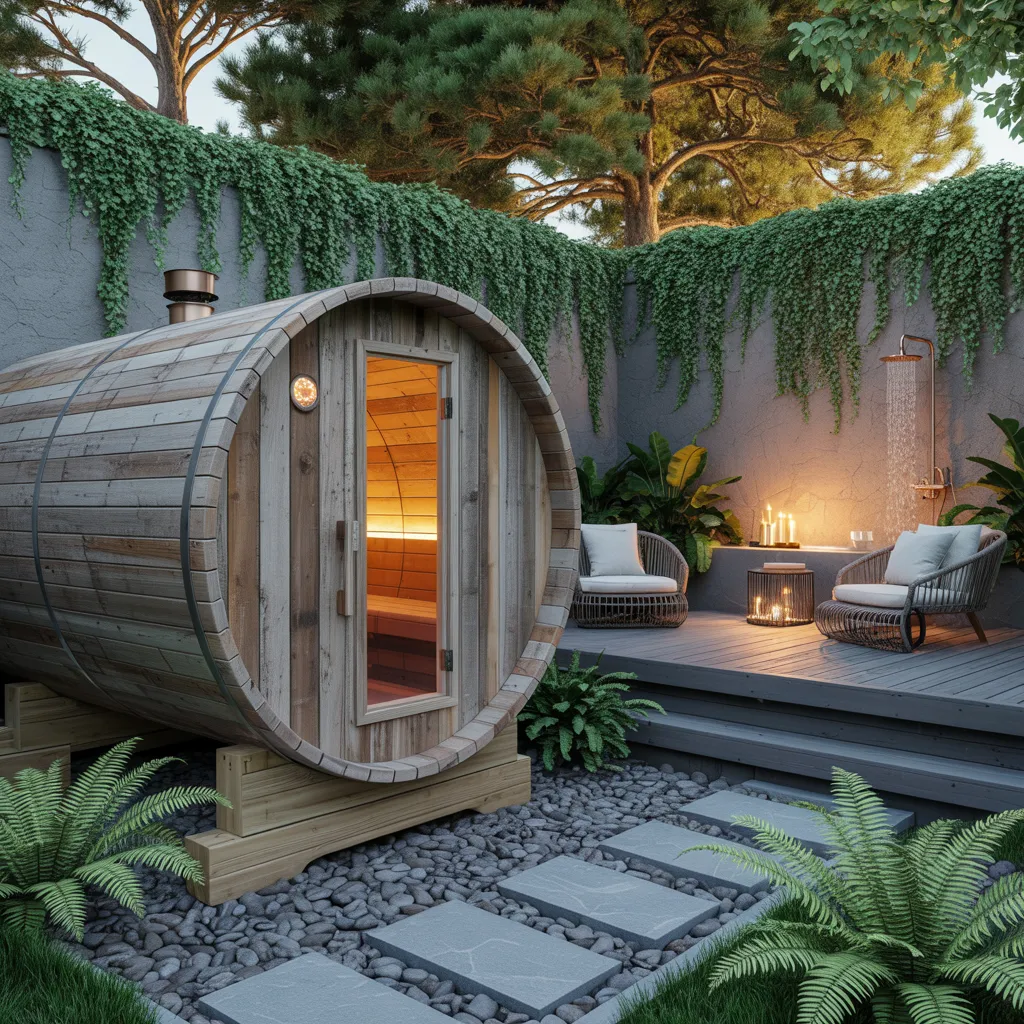
One of the most exciting 2026 trends is treating your backyard as a complete wellness retreat. We’re seeing homeowners add saunas, meditation spaces, and relaxation zones directly into their garden landscapes—not as separate structures, but as integrated experiences. What does this actually look like? Imagine stepping from your garden into a sauna nestled among plants, or having a dedicated quiet space with carefully chosen lighting and natural elements designed to help you unwind. The focus is on engaging all your senses—soft lighting, calming color palettes, natural sounds, and the sensory experience of being surrounded by nature. Why this matters: We’re increasingly recognizing that our outdoor spaces can support our mental and physical health. A wellness-focused garden becomes a place you actually use regularly, not just admire from the window. Whether that’s morning meditation, afternoon relaxation, or evening wind-down, these intentional spaces invite you to slow down and recharge.
Water Management: Designing for Resilience and Sustainability
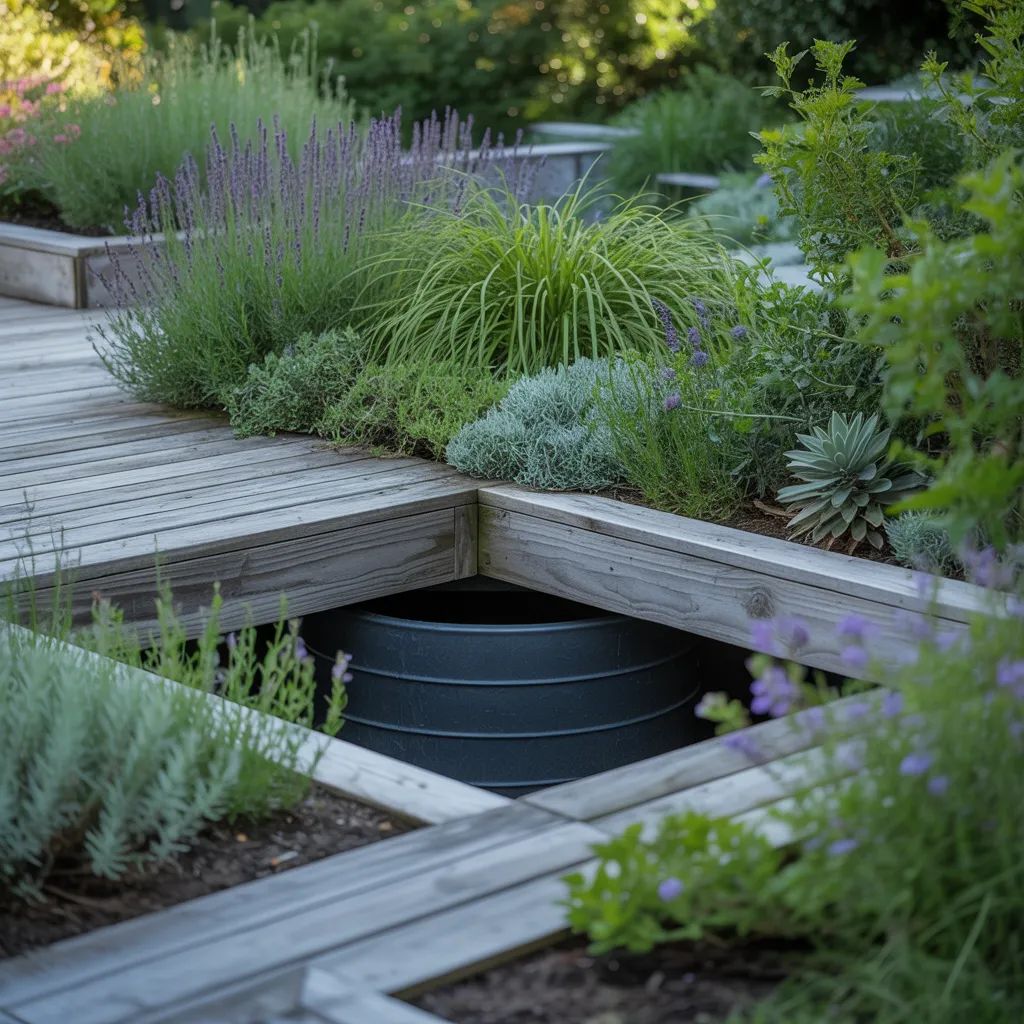
As weather patterns shift and water becomes increasingly precious, smart water management is moving from “nice to have” to essential garden design. The good news? Systems that capture, store, and reuse water are becoming more accessible and cost-effective. What’s included in modern water-smart gardens? Rain gardens that capture runoff, cisterns or storage tanks for collected water, and irrigation systems that deliver water efficiently to plants. Native plants—species that naturally thrive in your region—are key because they need less water, less fertilizer, and less maintenance overall. Real financial benefit: Beyond environmental responsibility, water management directly reduces your utility bills and maintenance workload. You’re investing in a system that becomes more efficient over time. Plus, gardens designed with water resilience in mind actually support local ecosystems and biodiversity, creating a space that works with nature rather than against it.