Here’s something most people don’t realize: we’re throwing away perfectly good bedding by the billions each year. But what if your old sheets and comforters could have a second (or third!) life that’s just as valuable as the first? Most of us replace bedding every 5 to 7 years, yet many pieces are still structurally sound—they’ve just lost their bedroom appeal. Interior designers have figured out what the rest of us are missing: old bedding isn’t waste, it’s an untapped resource waiting to be reimagined Before we talk about second lives, let’s clarify what we’re working with. Bedding—the removable, washable materials that sit above your mattress—typically includes fitted and flat sheets, blankets or quilts, and pillows. Most are made from cotton, cotton-polyester blends, linen, or silk, each bringing different qualities to the mix. When you do need to replace bedding, consider materials designed to last. Contemporary options like TENCEL™ fabric (made from sustainably sourced wood pulp) offer eco-friendly alternatives to conventional cotton, which requires significant water and pesticide use. Look for OEKO-TEX® certification—it signals both environmental responsibility and a commitment to longevity worth celebrating.
From Bedroom to Masterpiece: Turning Bedding Into Wall Art
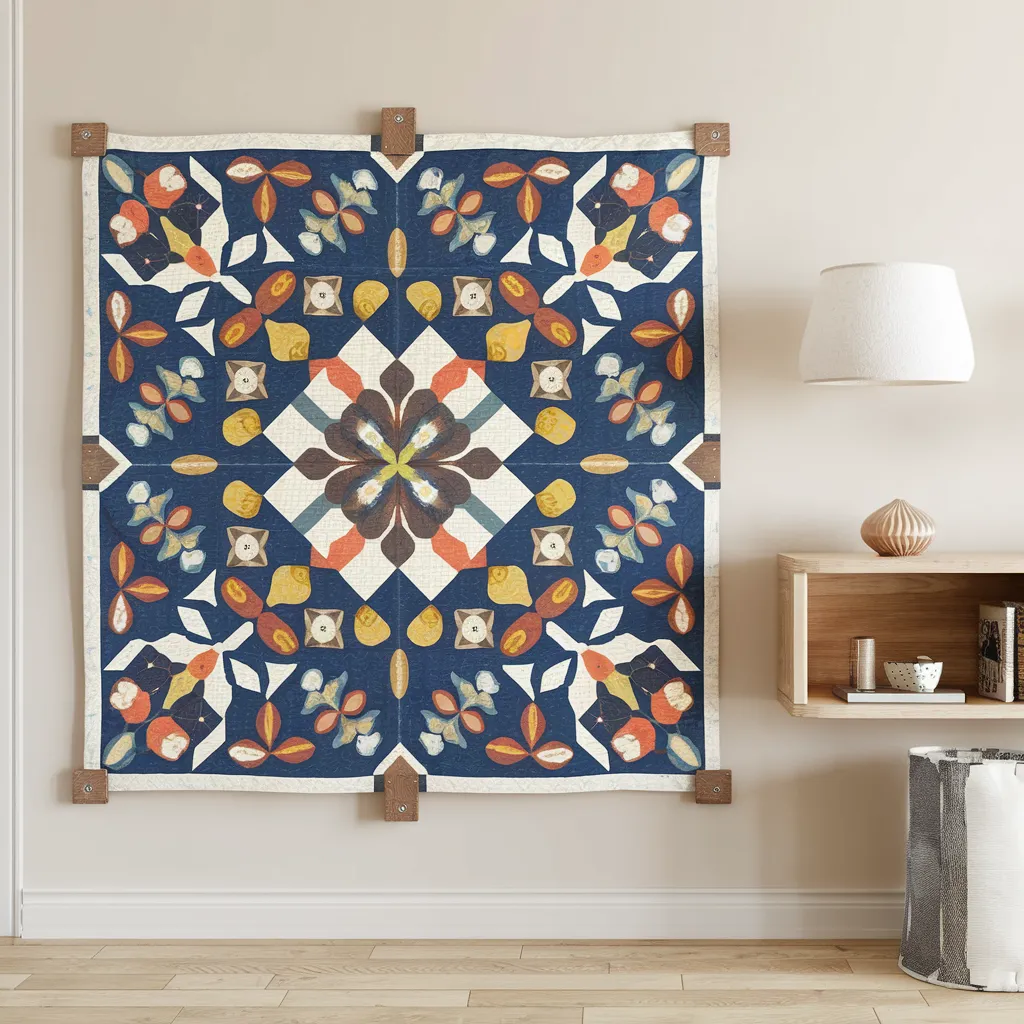
Forget gallery frames. Some of the most stunning wall art doesn’t come from galleries at all—it comes from linen closets. Heritage quilts and patterned comforters carry emotional resonance that mass-produced art simply can’t match, and designers are stretching them over canvas stretchers and mounting them as focal points that actually tell a story. Vintage bedding with intricate stitching or meaningful patterns works best for this transformation. The technical skill required? Minimal. Proper mounting techniques yield gallery-quality results that blend nostalgia with modern aesthetics, turning your bedroom’s past into your living room’s present. The key to making this work long-term is starting with quality materials. Premium sheets and comforters constructed from linen, bamboo, or eucalyptus TENCEL™ maintain their vibrant colors and structural integrity through hundreds of washes. This means your wall art investment stays beautiful for years, proving that thoughtful material choices pay dividends across applications.
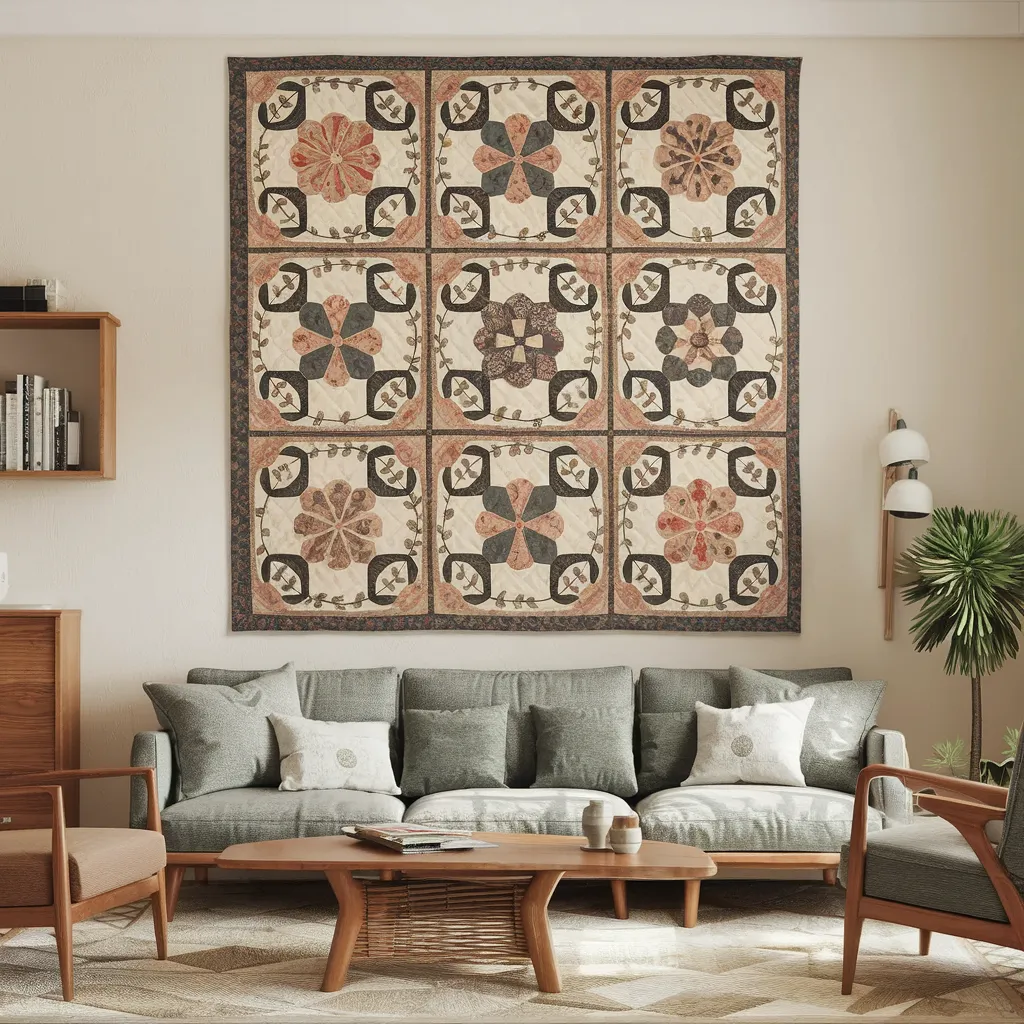
An oversized wall hanging featuring nine quilted squares dominates this cozy living room. The patchwork design showcases intricate stitching in a palette of muted terracotta, charcoal, and ivory hues arranged in stylized floral motifs. This textile wall art exemplifies a rustic, homespun aesthetic with natural materiality. Soft gray upholstery in linen and cozy woven throws echo the warm neutrals, complemented by richly stained oak wood furnishings. Eclectic decorative accents like potted greenery and ceramic lamps add organic texture. The artful repurposing of vintage quilts into oversized wall hangings lends a nostalgic, storied ambiance to this inviting rustic-modern living space.
Pet Bed Revolution: Luxury Comfort Without the Luxury Price Tag
Your worn bedding represents premium material for creating customized pet beds that rival expensive pet furniture stores. Quality sheets and comforters provide the texture, durability, and generous size that pets actually need. Here’s something many people overlook: pre-used bedding carries familiar scents that can genuinely soothe anxious animals. Plus, the construction remains straightforward—layer sheets for padding, add sturdy backing, and stitch the edges. The result? Boutique-quality comfort without the boutique price tag. Organic cotton and premium linen blends excel in this application. These materials actually improve with washing, maintaining superior absorbency and durability through countless cycles. Your pets don’t care that their sanctuary has been pre-loved; they only know they’ve found the perfect napping destination.
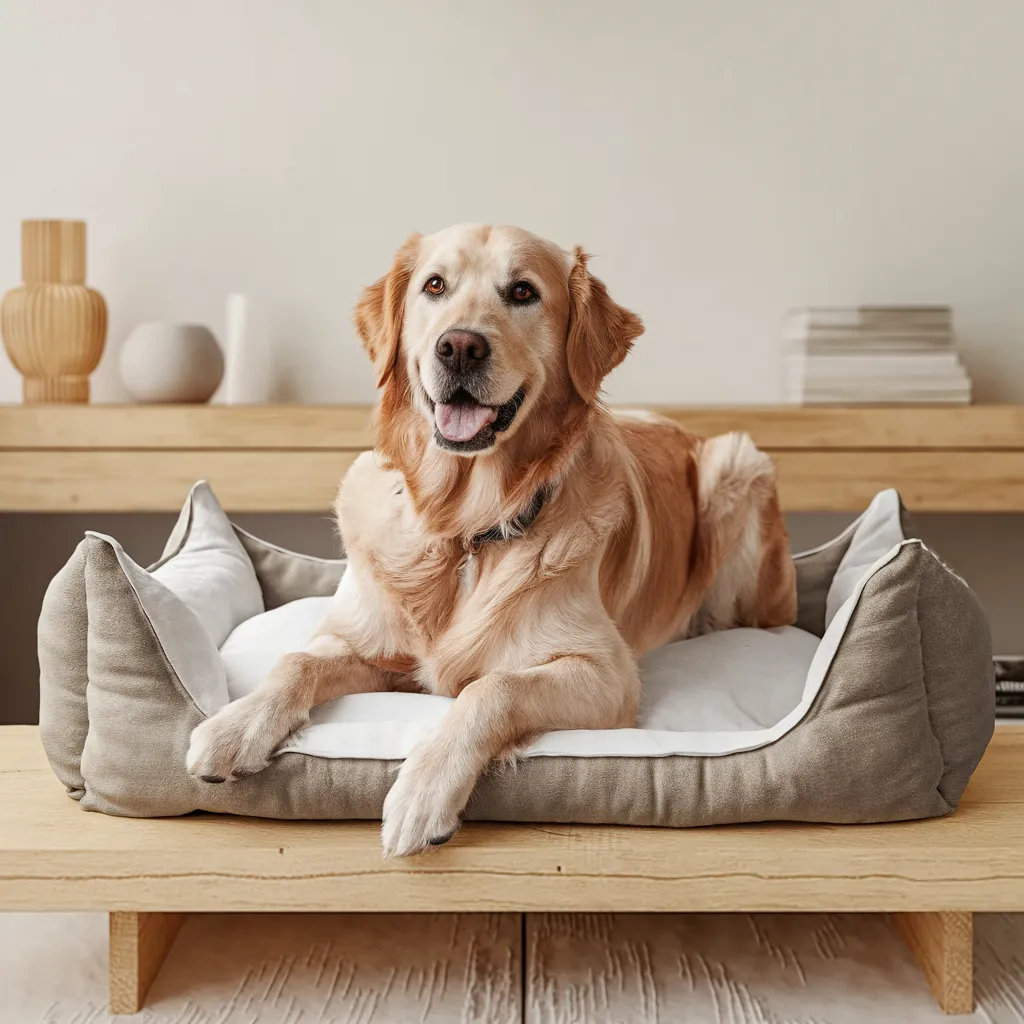
A large golden retriever lounges contentedly on a plush gray dog bed, mouth open in a cheerful grin. The bed features raised bolster edges, creating a cozy nest. Its minimalist, clean design with neutral tones beautifully complements the contemporary setting – a light wood shelf topped with simple decor pieces like ceramic vases. The warm yet muted color palette of grays, tans, and creams evokes a sense of tranquility suited to this pet-friendly living space. The materials used, such as plush upholstery fabric for the bed and solid oak for the furniture, exude quality while maintaining an understated elegance.
Budget-Friendly Furniture Upholstery: Transform What You Already Own
Why invest in expensive upholstery fabric when your linen closet likely holds hidden treasures? Ottomans, accent chairs, bench seats, and headboards all benefit from strategic fabric upgrades using quality bedding materials. The advantage? Quality bedding fabric genuinely withstands repeated washing and wear better than standard cotton. Patterned comforters and decorative sheets add visual interest that complements nearly any decor style. You don’t need expert upholstery skills to achieve professional-grade results—though professional assistance is always an option if you’re hesitant. Many pieces appear professionally reupholstered despite their budget-conscious origins. The cost difference between DIY transformation and commercial upholstery services is substantial, yet results are surprisingly comparable. The secret? Choose bedding with proven durability records—materials tested through hundreds of washes that maintain softness and structural integrity. Premium textiles like organic cotton blends and bamboo-derived fabrics deliver performance that transforms both old bedding and tired furniture into design statements that genuinely last.
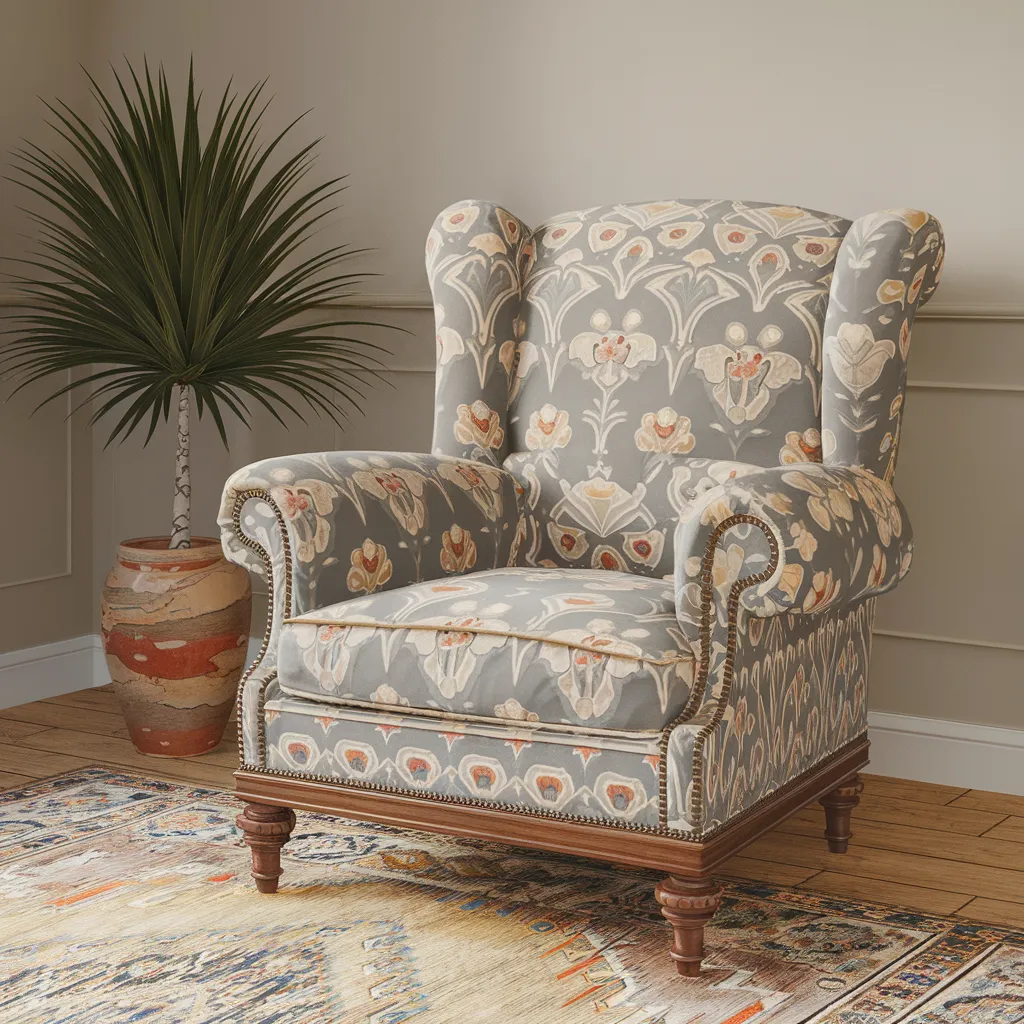
An ornate upholstered armchair takes center stage, upholstered in a floral ikat pattern featuring shades of peach, gray, and white against a charcoal background. The traditional style armchair features intricately carved wooden legs and nailhead trim, hinting at a transitional or eclectic interior style. The dominant materials are upholstery fabric, likely a blend like cotton or linen, offset by distressed terracotta ceramic planters. The warm, earthy color palette combines muted grays, tans, and rust tones, complemented by green accents from the large potted plant. The richly patterned area rug adds depth with its faded blue, red, and orange hues against a cream backdrop, tying the cozy and inviting living space together.
Beyond the Bedroom: Kitchen Projects and Functional Design
Old bedding transcends bedroom applications, becoming hardworking kitchen essentials through creative repurposing. Transform quality sheets into aprons that combine functionality with personal style, or layer them into superior oven mitts and pot holders that provide better heat protection than standard versions. Worn sheets become reusable cleaning rags with exceptional absorbency and durability. Oversized comforters transform into tablecloths that add unexpected elegance to dining spaces while celebrating textile longevity. Each project serves dual purpose: functionality paired with sustainable choices that reduce household waste. The difference shows up quickly. Quality bedding fabric withstands repeated machine washing and everyday wear significantly better than standard materials, making these kitchen creations reliable investments that actually earn their place. Materials like linen, bamboo, and eucalyptus blends maintain their absorbency and strength through countless cycles, ensuring your repurposed items remain functional and beautiful.
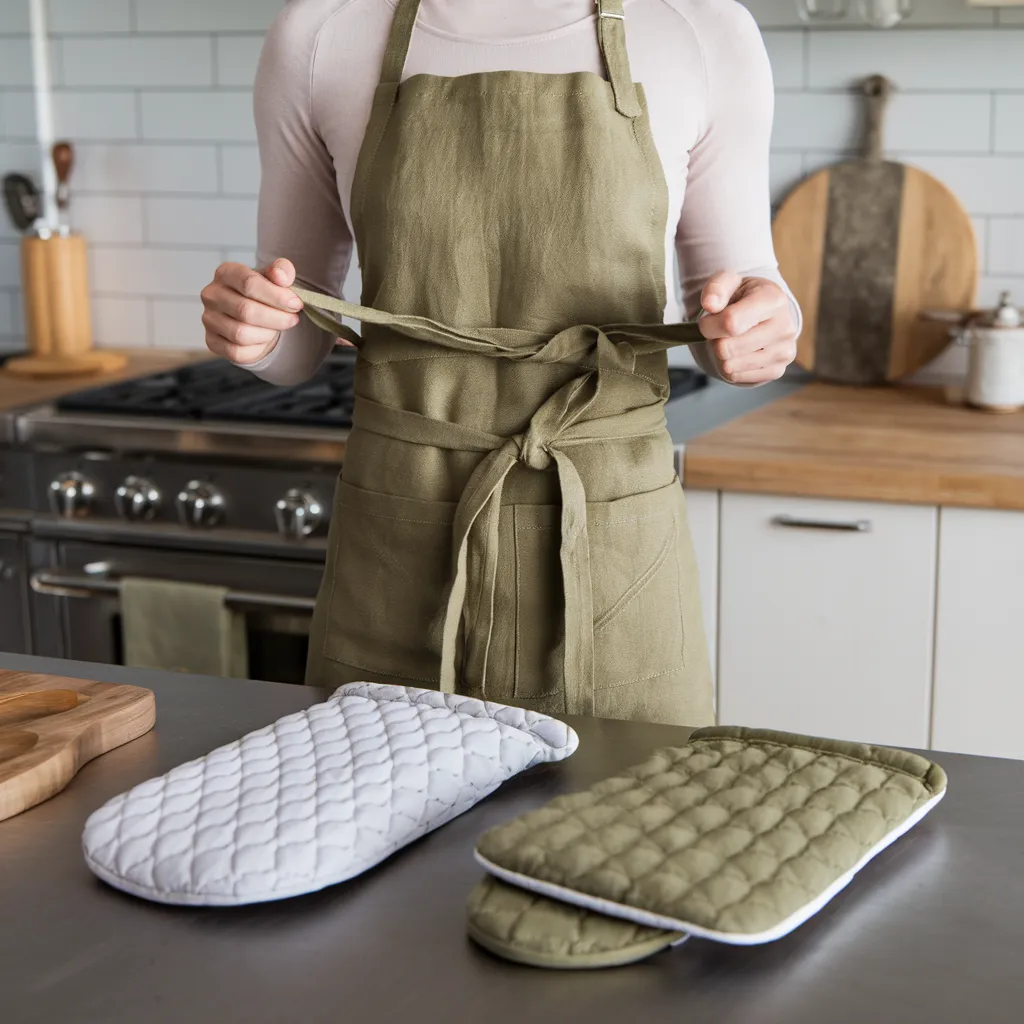
A midsection view of a person wearing a olive green linen apron, in a modern kitchen setting with wooden countertops and cutting boards. Two padded oven mitts, one white quilted and one olive green, lie on the counter, representing repurposed bedding materials. The kitchen exudes a warm, natural aesthetic with its neutral color palette of olive, white, and wood tones. The scene highlights sustainable repurposing of quality bedding textiles into durable, functional kitchen linens aligning with an eco-conscious lifestyle. The materials’ inherent softness and durability from natural fibers like linen ensure long-lasting use in the culinary space.
Why Professional Designers Keep Old Bedding Around
Professional designers aren’t casually tossing old bedding—they’re strategically stockpiling quality textiles for multiple applications. Tablecloths, curtains, decorative gift wrap alternatives, and throw blankets all emerge from this designer treasure trove, multiplying each textile’s practical value exponentially. Designers particularly value sheets for their flat construction, which transitions smoothly into larger home projects. Comforters and quilts provide pre-quilted texture suitable for artistic applications or decorative elements. This resourcefulness reflects a core design philosophy: every quality textile deserves consideration before disposal. This approach embodies upcycling—the creative reuse of materials to create items of higher quality or value than the original. It challenges the throwaway mentality and encourages valuing longevity and craftsmanship over disposability. By recognizing bedding’s adaptability across multiple household applications, you achieve genuine design goals: creating more beautiful environments while minimizing environmental impact and household expenses simultaneously. Making informed choices during initial bedding purchases amplifies this strategy. Selecting materials with proven durability—textiles tested through hundreds of washes—ensures each piece remains viable for creative reuse. Premium options featuring OEKO-TEX® certification and sustainable sourcing represent investments that deliver value across decades and applications, transforming what might otherwise become waste into genuine design assets.
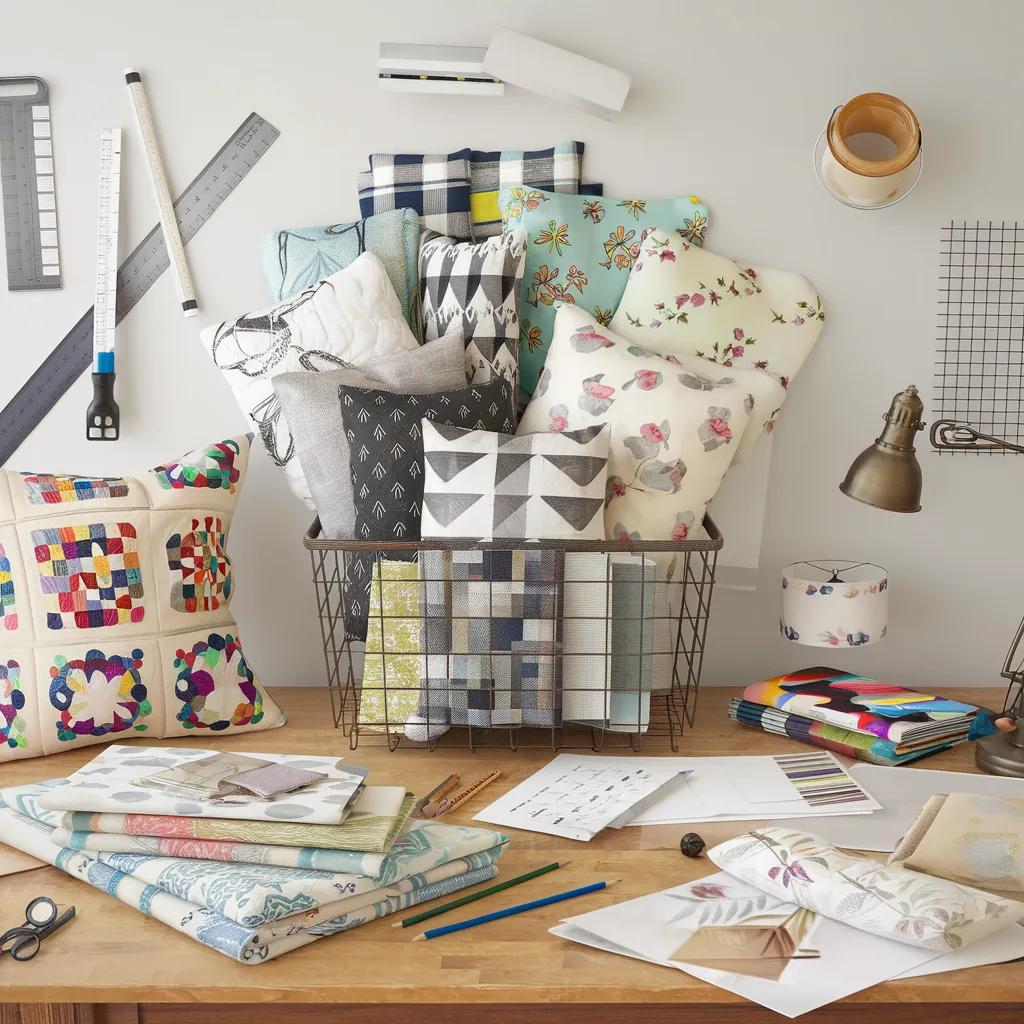
A clutter of textile swatches, sketches, and design tools occupy a rustic wooden desk – a colorful bohemian workspace. Intricately patterned fabrics in earthy shades of sage, terracotta, and dusty pink mingle with striped and checkered linens. Woven baskets brimming with vibrant color samples and ceramic objets d’art create an eclectic, artisanal vignette. The dominant neutral palette anchored in natural wood and creams allows the jewel-toned textiles and metallic accents to pop. This organized chaos speaks to a creative process grounded in sustainable repurposing of quality materials into unique textile designs.