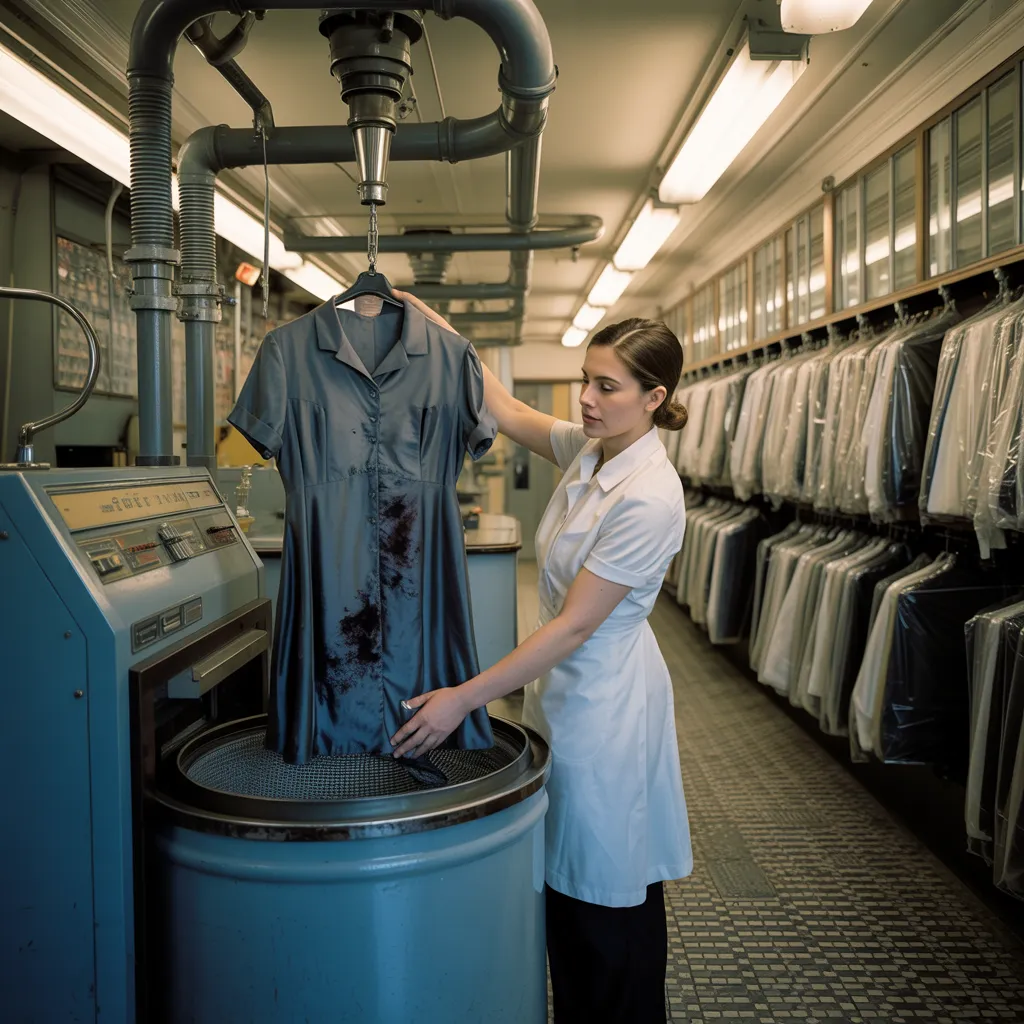
Ink stains are among the most frustrating laundry disasters—and here’s the tough truth: most people’s first instinct actually makes them worse.
When ballpoint pen ink hits fabric, you’ve got a narrow but crucial window where quick, smart action can save your garment completely. Wait too long or use the wrong technique, and that stain becomes permanent.
Here’s what’s happening chemically: Fresh ballpoint ink is still semi-liquid, meaning the ink molecules haven’t fully bonded to your fabric fibers yet. That’s your advantage.
But the moment you apply heat (hot water or the dryer) or start rubbing aggressively, you’re literally driving those ink particles deeper into the fabric structure. Game over.
That’s when a removable stain becomes permanent discoloration. The timing really is everything. Understanding what happens in those first few minutes helps explain why certain removal methods work beautifully while others create disasters.
Household Solutions That Actually Work
Before you buy anything fancy, check your bathroom and kitchen cabinets—you probably already own the best tools for fresh ink stains.
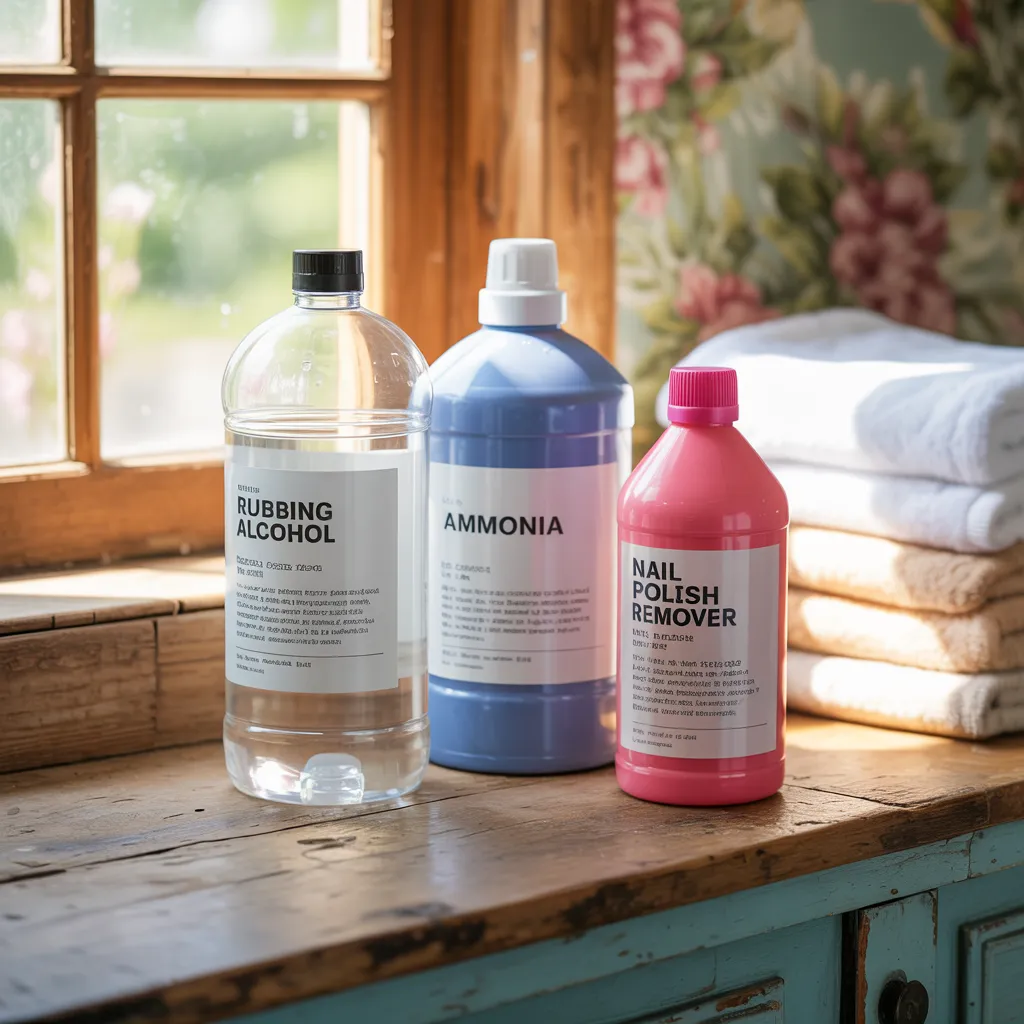
Rubbing alcohol is your MVP here. It’s consistently recommended by cleaning specialists because isopropyl alcohol actually dissolves ink’s pigment bonds, essentially reversing the molecular adhesion that’s starting to happen with your fabric.
Ammonia takes a different approach—it breaks down the dye molecules themselves, lifting them away from textile fibers.
Acetone-based nail polish remover works similarly, making it a solid backup option.
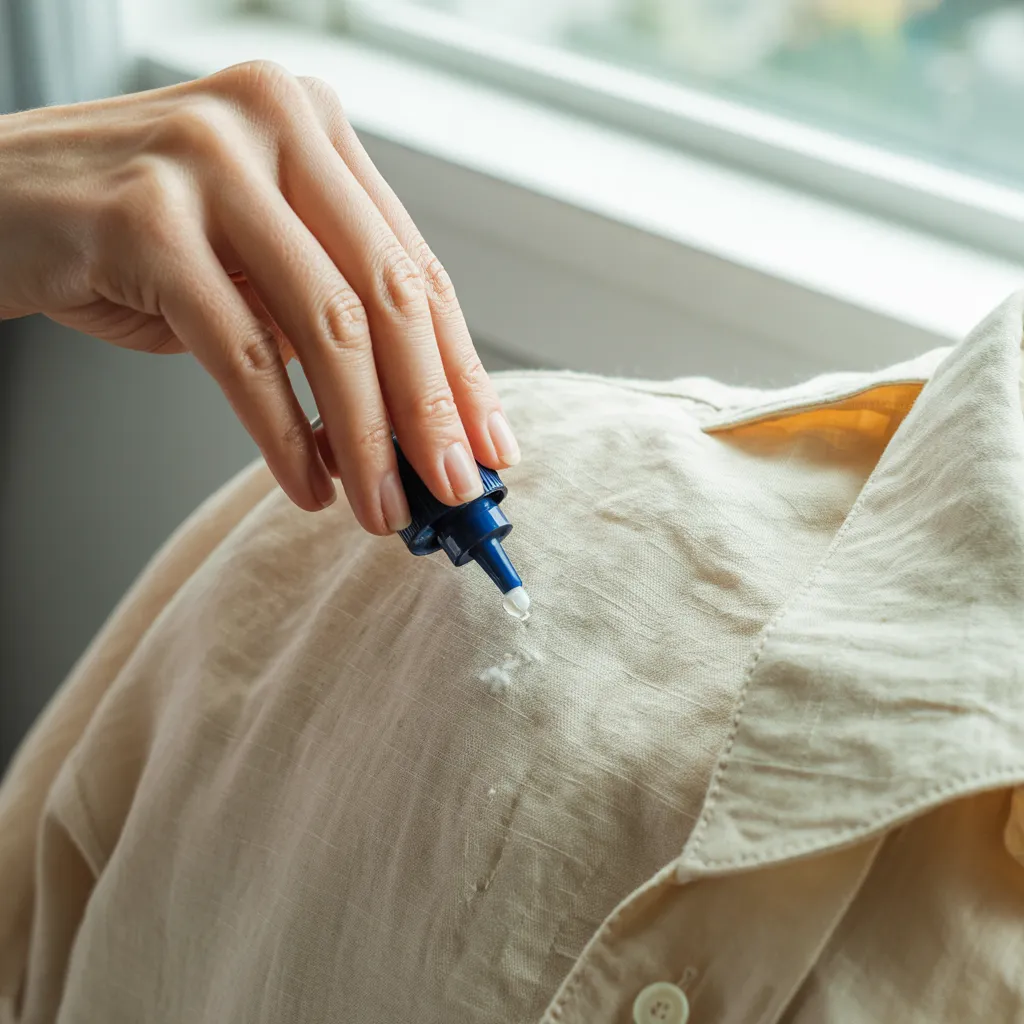
The key is application: use a small amount dabbed onto the stain, working gently from the outer edges inward to prevent spreading. Soaking or pouring just pushes the ink deeper.
For most common fabrics, these solutions are gentle enough when used sparingly and with restraint. These accessible household items give you legitimate alternatives during those critical first-response minutes.
When Household Remedies Aren’t Enough: Tested Commercial Options
If household solutions haven’t worked or you want professional-grade reliability from the start, commercial stain removers deserve serious consideration.
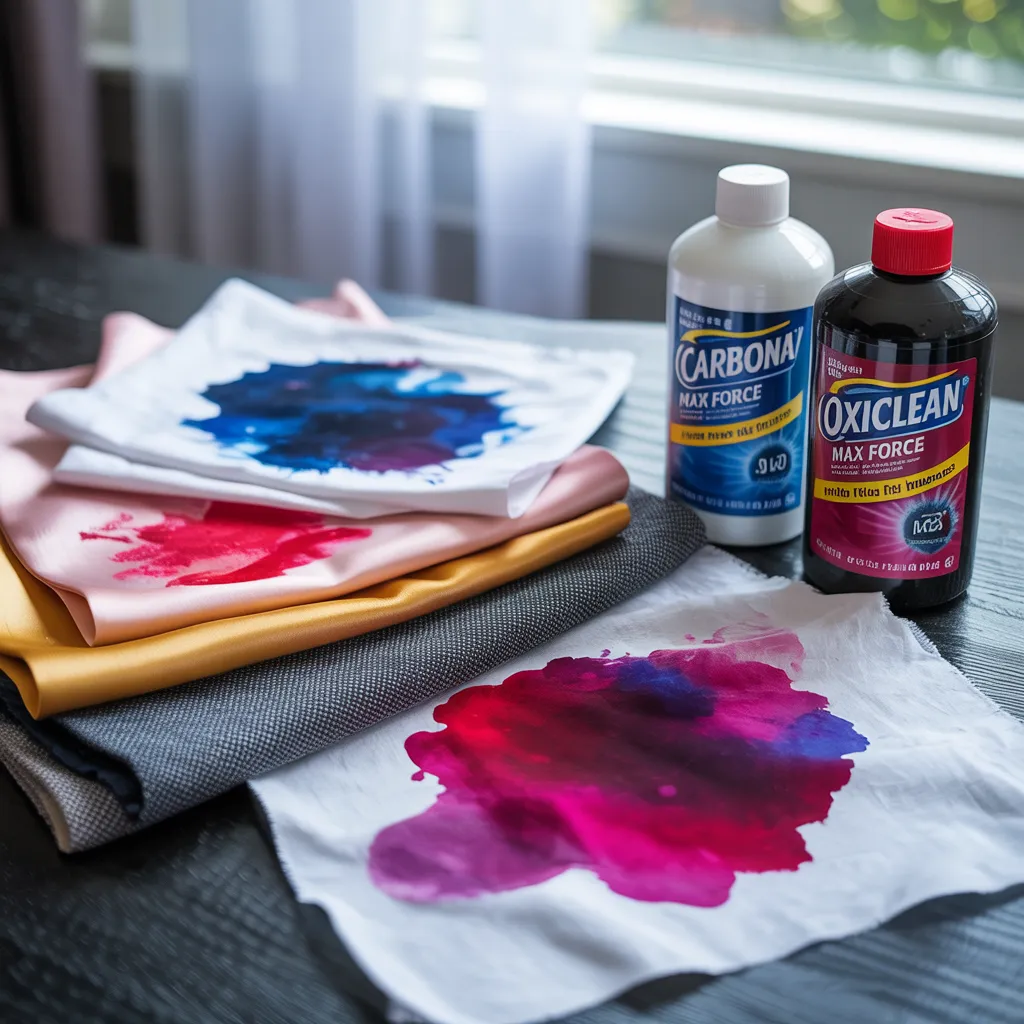
Products like Carbona Laundry Stain Scrubber, OxiClean Max Force, and similar formulas proved themselves on diverse challenges: blood, grass, coffee, tomato sauce, and ink-based marks.
What distinguished the best performers wasn’t marketing—it was measurable results on actual textiles people own and wear. These top performers earned their reputation because they work across multiple stain types, meaning one reliable remover earns a permanent spot in your laundry room.
For anyone who’s tried household solutions without success or simply prefers laboratory-validated certainty, these tested products represent your best investment in saving garments from permanent damage.
The Essential Test Before You Apply Anything
Here’s the non-negotiable step that separates successful stain removal from accidental clothing damage: always test your chosen solution on a hidden area first. Find an inconspicuous spot—the inside of a seam, an interior hemline, or the back of a pocket.
Apply your rubbing alcohol, ammonia, or commercial remover to this test area. Wait several minutes, then examine it carefully for discoloration, fading, or texture changes.
Why is this crucial? The very compounds that dissolve ink can sometimes damage or bleach certain fabrics, especially delicate materials or those with color treatments.
Synthetics behave differently than natural fibers. Your garment’s specific fiber content, dye stability, and age all influence whether treatment succeeds or backfires.
Without this two-minute test, you risk trading an ink stain for permanent discoloration or structural damage.
Professional cleaners do this every single time—experience teaches them that no amount of expertise can predict every fabric’s individual response. This single preventive step makes the difference between saving and sacrificing your clothing.
Why Popular Remedies Fail (And What Works Better)
Hairspray has achieved nearly mythical status online as an ink-stain miracle cure. Unfortunately, cleaning experts and textile specialists consistently agree: it’s among the least effective options available.
The chemistry just doesn’t work—hairspray’s primary purpose is holding hair with alcohol and fragrance, not dissolving ink molecules.
Similarly, vinegar and toothpaste appear across countless advice forums despite minimal evidence supporting their effectiveness.
Vinegar’s mild acidity provides marginal benefit on some stains but falls far short of solutions actually designed for ink breakdown.
Toothpaste’s abrasive properties risk damaging fabric before removing any stain.
These myths persist because people keep recommending solutions that disappointed previous generations. Understanding why these popular DIY methods underperform matters—it helps you make evidence-based decisions rather than following viral trends.
Experts consistently recommend rubbing alcohol, ammonia, or tested commercial removers instead.
The difference isn’t just percentage points; it’s fundamentally different chemical mechanisms. Recognizing this distinction protects your wardrobe from the false confidence that leads people to apply ineffective solutions repeatedly, allowing stains to bond deeper with each failed attempt.
Handling Set-In Stains: When You’ve Missed the Window
Sometimes that ink stain goes unnoticed for days or weeks. The situation changes when ink molecules have had time to bond more completely with your fabric fibers—set-in stains demand stronger intervention.
Professional-grade stain removers specifically formulated for stubborn, aged stains represent your next escalation step. These often include enzymatic components that break down molecular bonds at deeper levels than household solutions can reach.
The progression matters: start with tested commercial removers designed explicitly for difficult stains. Attempting weaker solutions wastes time while potentially allowing further bonding through repeated ineffective applications.
For particularly challenging situations—expensive garments, delicate fabrics, or stains resisting commercial treatment—professional dry-cleaning services employ industrial-strength solvents and specialized equipment beyond home accessibility.
Knowing when to transition from household remedies to commercial products to professional services prevents wasted effort and irreversible fabric damage through misguided persistence with inadequate approaches.