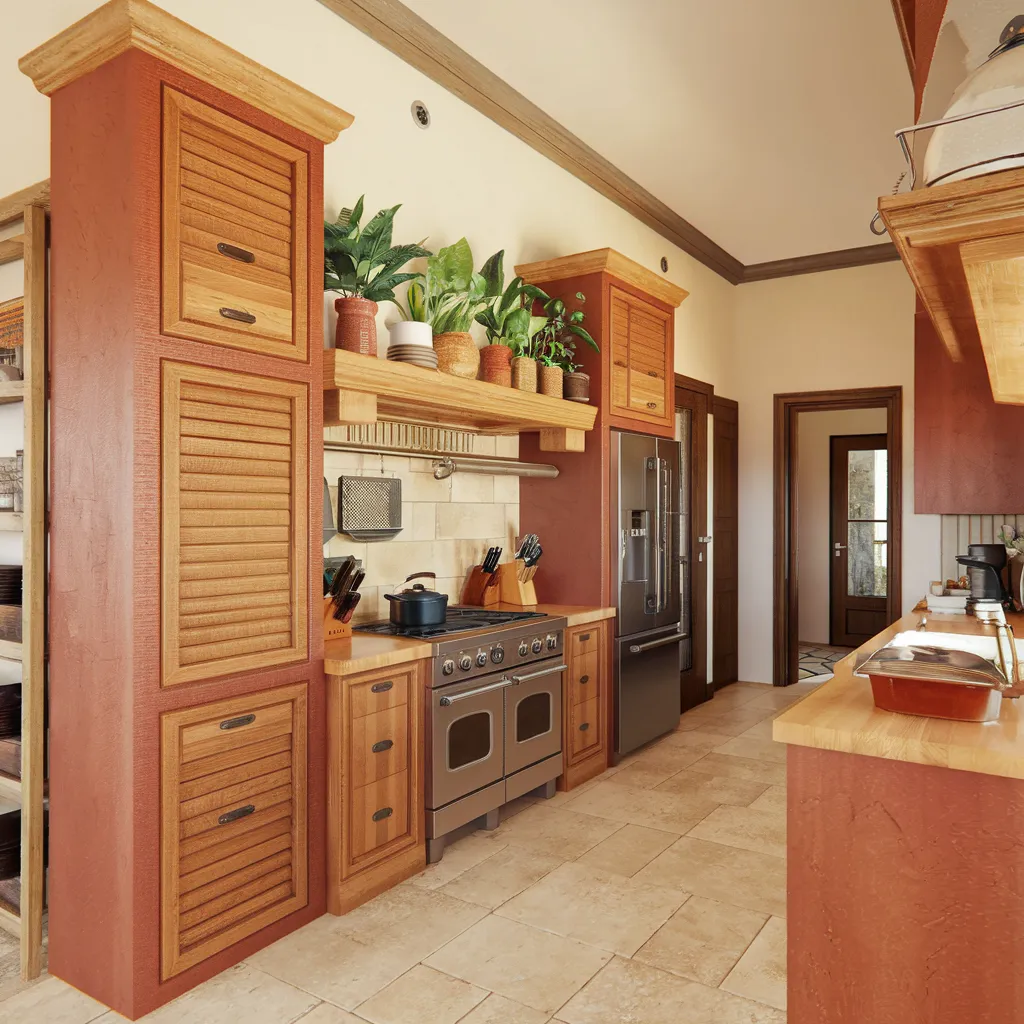
In the ever-evolving world of interior design, a new trend is emerging that promises to bring a sense of tranquility and comfort to the heart of the home – the kitchen. The ‘soft kitchen’ trend embraces a more elegant and calming atmosphere, creating a space that invites you to linger and savor the moments.
The Quiet Revolution Happening in Your Kitchen
Your kitchen is undergoing a transformation that’s reshaping how we think about this hardworking space. Gone are the days when kitchens were purely functional rooms tucked away from everyday life. Today’s kitchens are becoming intimate living environments where you’ll find warm textures, soft colors, and design choices that make you want to spend time there.
This shift reflects something deeper—a cultural awakening toward wellness and how our spaces affect our daily lives. Modern kitchens now blend cooking, dining, and entertaining seamlessly, transforming from isolated work zones into gathering places where connection naturally happens. We’re recognizing that the rooms where we prepare meals deserve to be as beautiful and nurturing as our living rooms.
This philosophy aligns with “warm minimalism”—a sophisticated approach that combines uncluttered simplicity with cozy elements through natural materials, earthy tones, and layered textures. The result? Spaces that feel inviting without being overwhelming. Whether you’re renovating or simply refreshing your kitchen, understanding this shift helps you create a space that nourishes both body and soul.
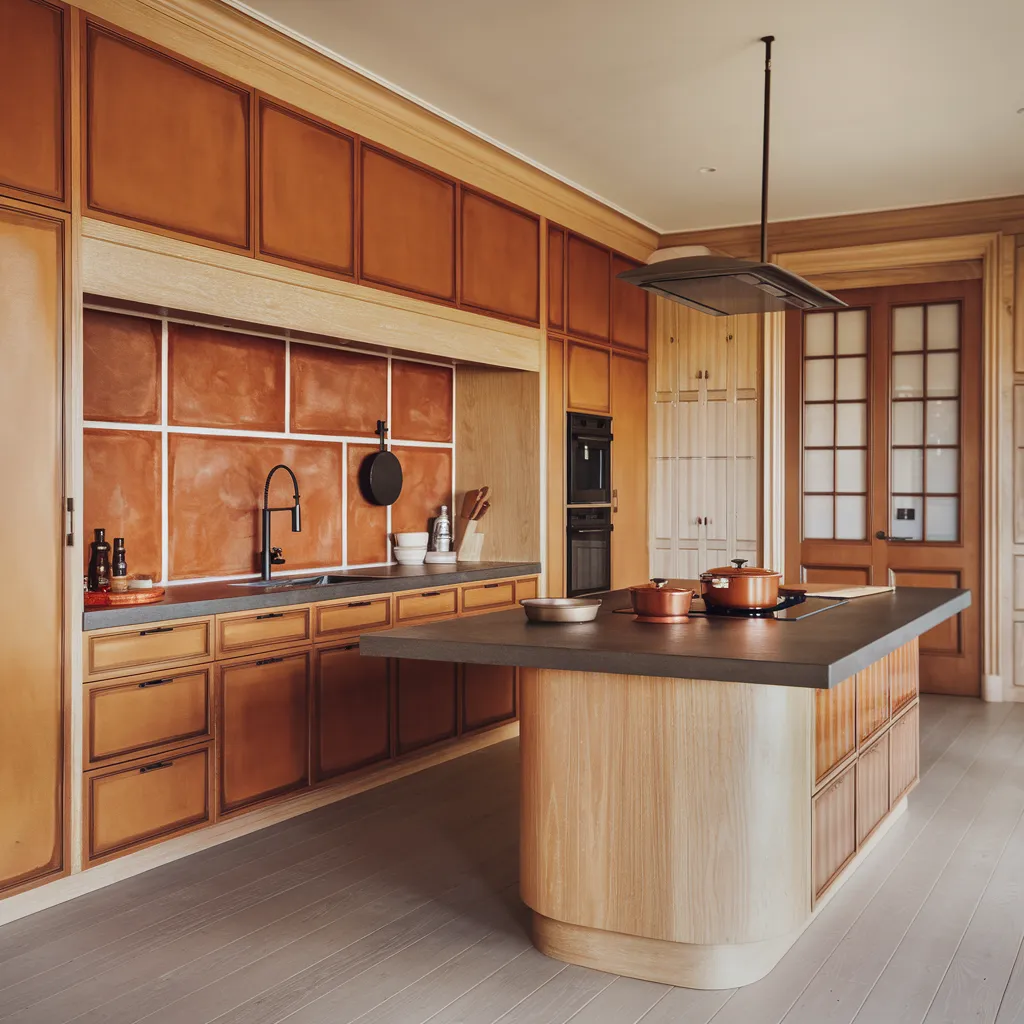
Warm wood tones seamlessly blend in this traditional kitchen showcasing elegant craftsmanship. Rich oak cabinetry with raised panel accents extends to the island, providing ample storage and prep space with a dark quartz countertop. Creamy hues on the backsplash complement copper sinks and hardware, introducing earthy terracotta notes. Gleaming pendant lights cast a cozy ambiance. Double French doors open to adjoining spaces, while paned cabinet fronts lend timeless character. This inviting, tactile sanctuary celebrates enduring craftsmanship through natural materials like wood, stone, and metal in an inviting, enveloping palette of rustic browns and soft creams.
Why Cabinet Design Is About Feeling, Not Just Function
Modern cabinet trends reveal a fascinating truth: we’re choosing design elements based on how they make us feel, not just their utility. Color is a powerful tool—it influences mood, perception of space, and how long you want to stay in a room.
Today’s palettes reflect this: mushroom, clay, and greige tones are replacing sterile whites and bold contrasts, creating calming environments rather than stimulating ones. Paired with curved edges and organic shapes that reject rigid minimalism, these cabinets become statements that prioritize your emotional wellbeing.
What’s driving this shift: Natural materials like wood with visible grain patterns and patina are now celebrated rather than hidden. This authenticity—imperfect, varied, genuinely lived-in—connects us to nature through what designers call “biophilic design.” When you touch a textured cabinet surface and notice its natural character, you’re experiencing something increasingly rare: honest craftsmanship.
This approach also reflects a move away from trendy, disposable furniture toward timeless pieces with genuine character. Instead of replacing cabinets every few years, you’re investing in something that develops character and tells your home’s story over time.
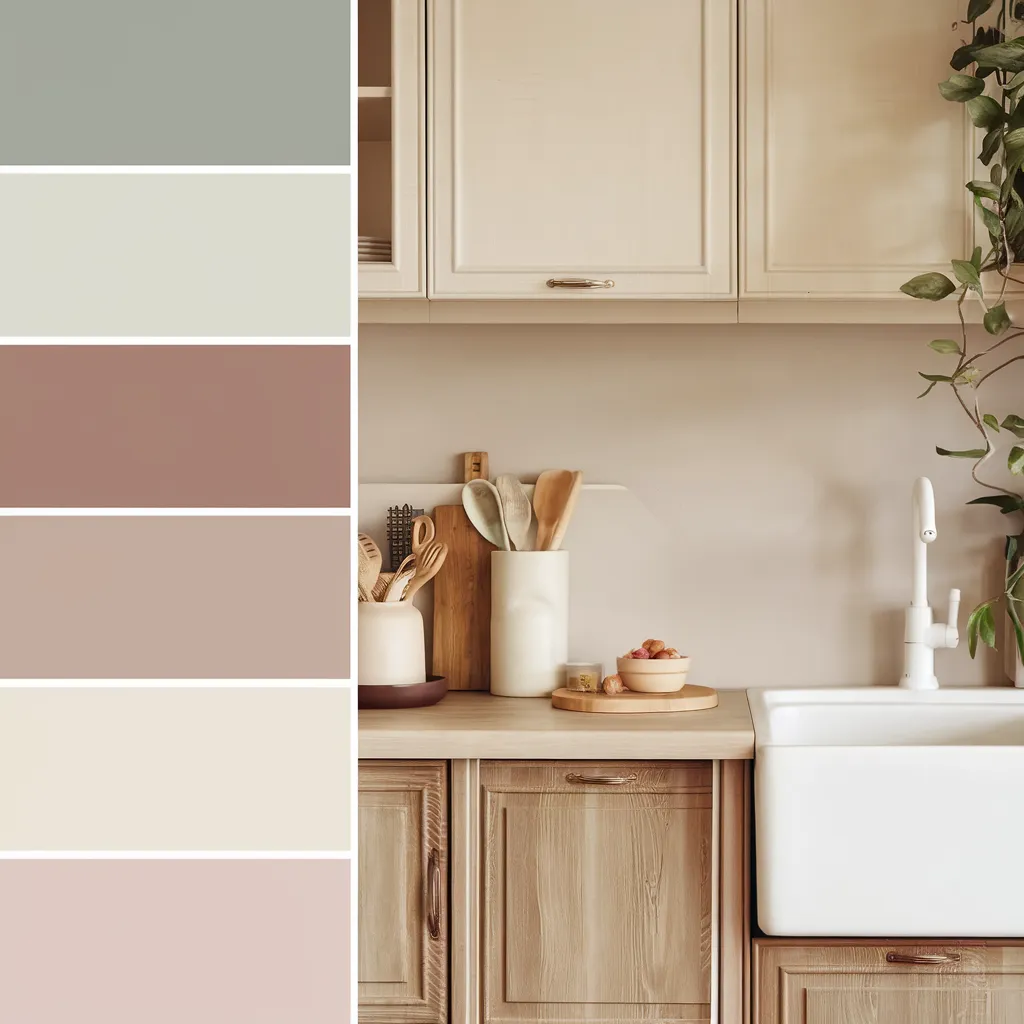
A serene, inviting kitchen with warm, earthy tones and natural textures invites relaxation. Light wood cabinets with antique brass hardware lend a homey yet refined aesthetic. An array of wooden cooking utensils, ceramic crocks, and potted greenery introduce rustic, organic accents. Creamy off-white walls and neutral tan shades create a calming backdrop. Matte terracotta tiles and butcher block countertops add subtle earthy contrast and visual interest, capturing the essence of soulful, nurturing design inspired by nature’s muted palette. The overall soft contemporary style exudes a sense of understated elegance and tranquility.
The Appliance Revolution That’s Making Kitchens Beautiful
For decades, kitchen appliances were treated as necessary evils—equipment to hide or minimize. Today’s design philosophy has flipped that entirely: appliances are now celebrated as sculptural elements that deserve aesthetic consideration.
The shift: Premium finishes like brushed copper, matte black, and warm bronze are being showcased rather than concealed. Architects and designers now recognize that when appliances become beautiful, your entire kitchen transforms—it evolves from a utilitarian zone into a furnished room where every element serves both function and aesthetics.
This philosophy emphasizes that function must drive design decisions, with materials and finishes chosen for lasting beauty rather than trends. Your refrigerator, range, and dishwasher deserve to be as thoughtfully designed as your furniture.
Why this matters: This perspective elevates kitchen design from a purely practical exercise into an art form. It suggests that everyday objects deserve beauty, that form and function should never be separated, and that the spaces where you spend considerable time should inspire you to invest in well-made pieces with genuine character—not just functionality.
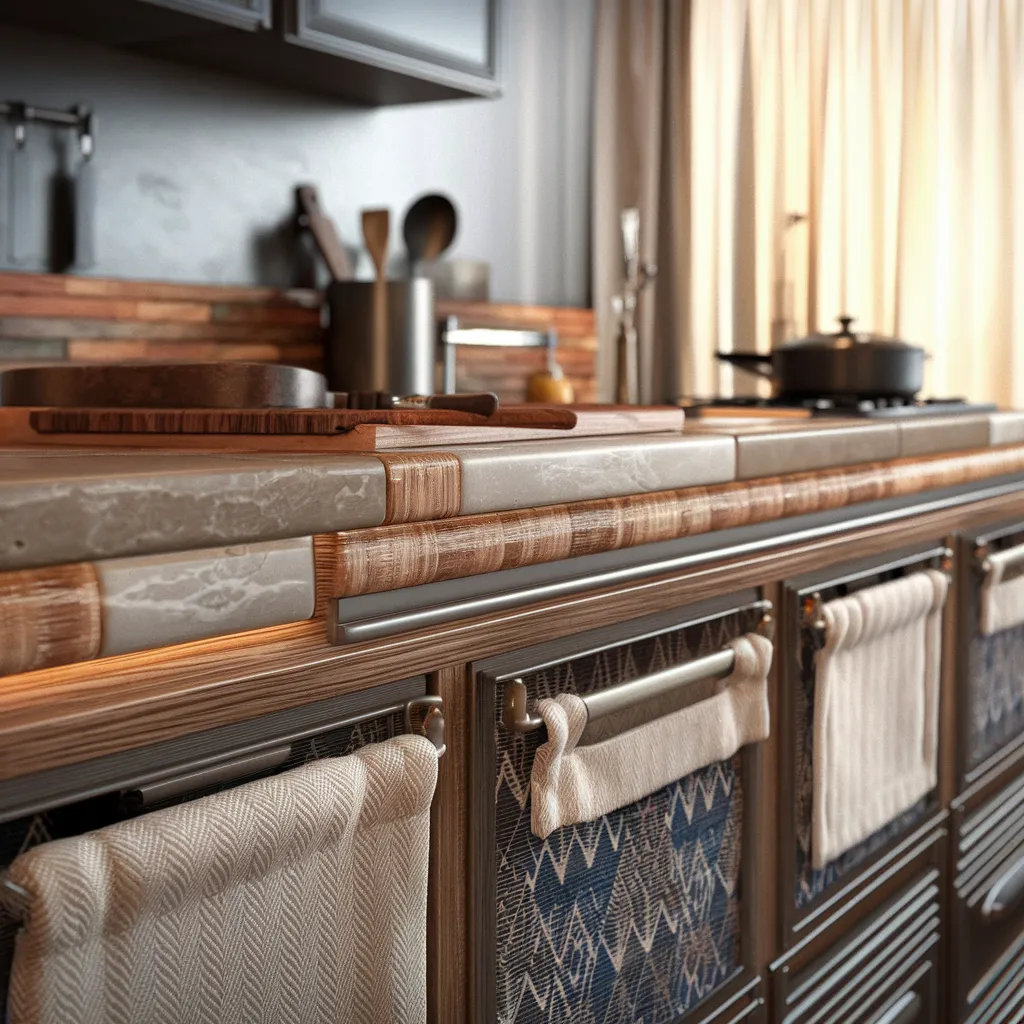
An inviting culinary space showcasing a thoughtful mix of textures and natural materials. A rustic wooden cabinet base features woven baskets for storage, with a sleek marble countertop providing contrast. Shades of warm brown, gray, and cream dominate the calming color palette. The smooth, polished wood and iron bars used for the cabinet pulls and shelving introduce subtle metallic accents. Linen tea towels draped over the cabinet drawers add a cozy, homespun touch to this rustic-meets-contemporary kitchen styling.
How Natural Textures Are Reclaiming Your Kitchen
There’s a deliberate rebellion happening against the sterile perfection that dominated design for the past two decades. Wood grain irregularities and surface patina—qualities once dismissed as flaws—are now prized as evidence of authenticity, durability, and genuine craftsmanship.
Why textures matter: When you touch textured surfaces in your kitchen, something shifts. Tactile elements transform the space from purely visual to multisensory. This aligns with biophilic design principles—the practice of connecting built environments with nature to foster wellbeing.
When hands brush against warm wood, when eyes trace natural grain patterns, when your kitchen becomes a space to be experienced rather than simply used, you develop a deeper emotional connection to the room.
The story in the materials: Natural textures carry history. They show wear and development over time. They connect you to the natural world. In kitchens emphasizing these elements, cooking becomes more than meal preparation—it becomes an act of engagement with honest, beautiful materials that enhance wellbeing and create lasting emotional connections to your home.
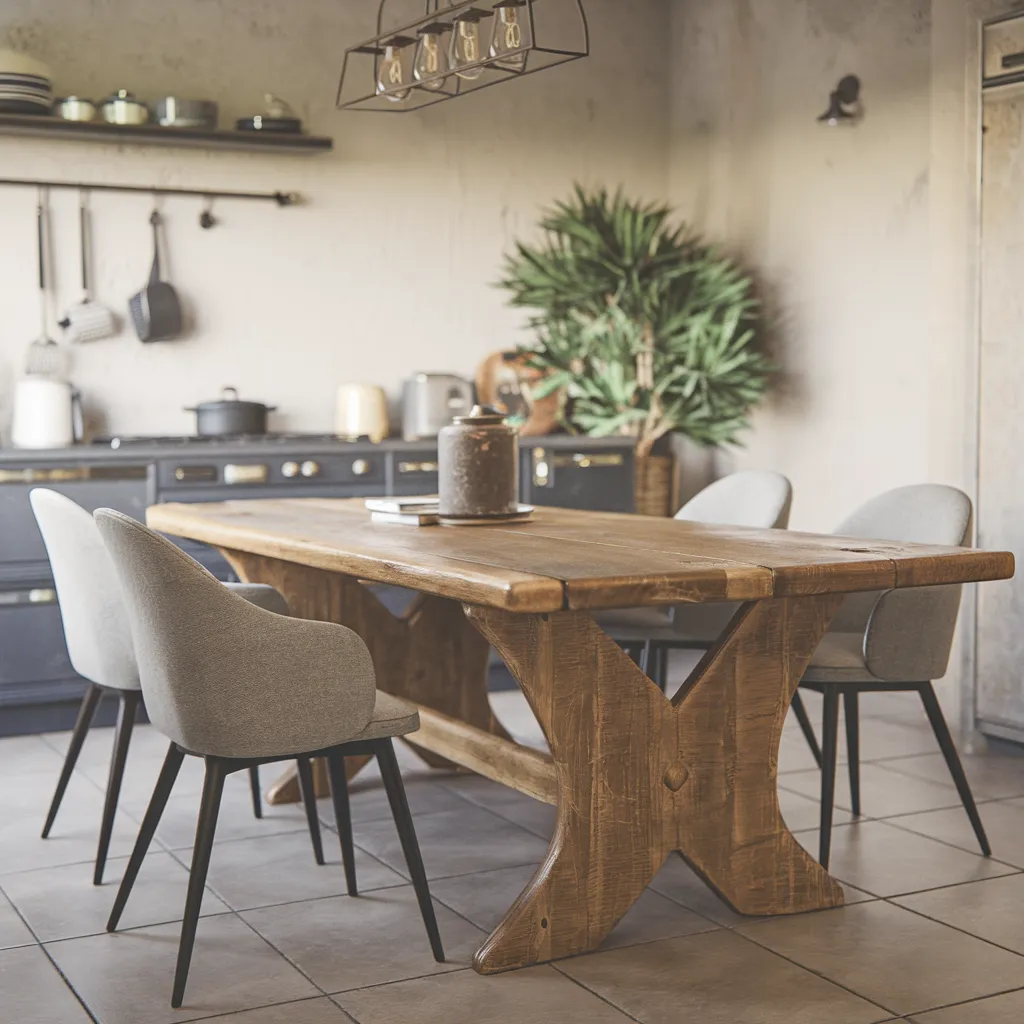
A warm, rustic wooden dining table commands attention, its distressed surface exuding rustic charm. Surrounded by plush upholstered chairs with sleek metal legs, it blends modern and vintage elements seamlessly. Overhead, an industrial-chic hanging lamp casts a cozy glow. Oak wood tones, creamy whites, and soft grays create an inviting, neutral palette punctuated by the vibrant greenery of a potted palm. The open kitchen boasts classic subway tiles and dark cabinetry, merging seamlessly into this organic, lived-in space brimming with character – the quintessential soft kitchen aesthetic where timeless style meets modern comfort.
The Role of Lighting in Creating Soft Kitchen Sanctuaries
Lighting design is the invisible architect of the soft kitchen aesthetic, fundamentally shaping how you experience this space. While it’s often overlooked, lighting directly affects your mood, perception of the room, and whether you actually want to spend time there.
2026 lighting trends emphasize: Flexible, artisanal fixtures combining mixed materials with soft, sculptural forms. This means moving away from harsh overhead brightness toward “quiet lighting”—diffused illumination through frosted glass and natural fiber shades like linen and alabaster.
Layered lighting systems work like this: Hand-blown glass fixtures and organic silhouettes become design statements rather than purely functional necessities. Modular systems allow you to customize illumination for different moments—focused task lighting for cooking preparation, then ambient, layered lighting for gathering and connection.
The practical benefit: This thoughtful approach to illumination demonstrates that exceptional kitchen design requires attention to every element—materials, appliances, and the quality of light itself. How you illuminate your space fundamentally influences your emotional experience and whether your kitchen truly feels like a sanctuary worth spending time in.
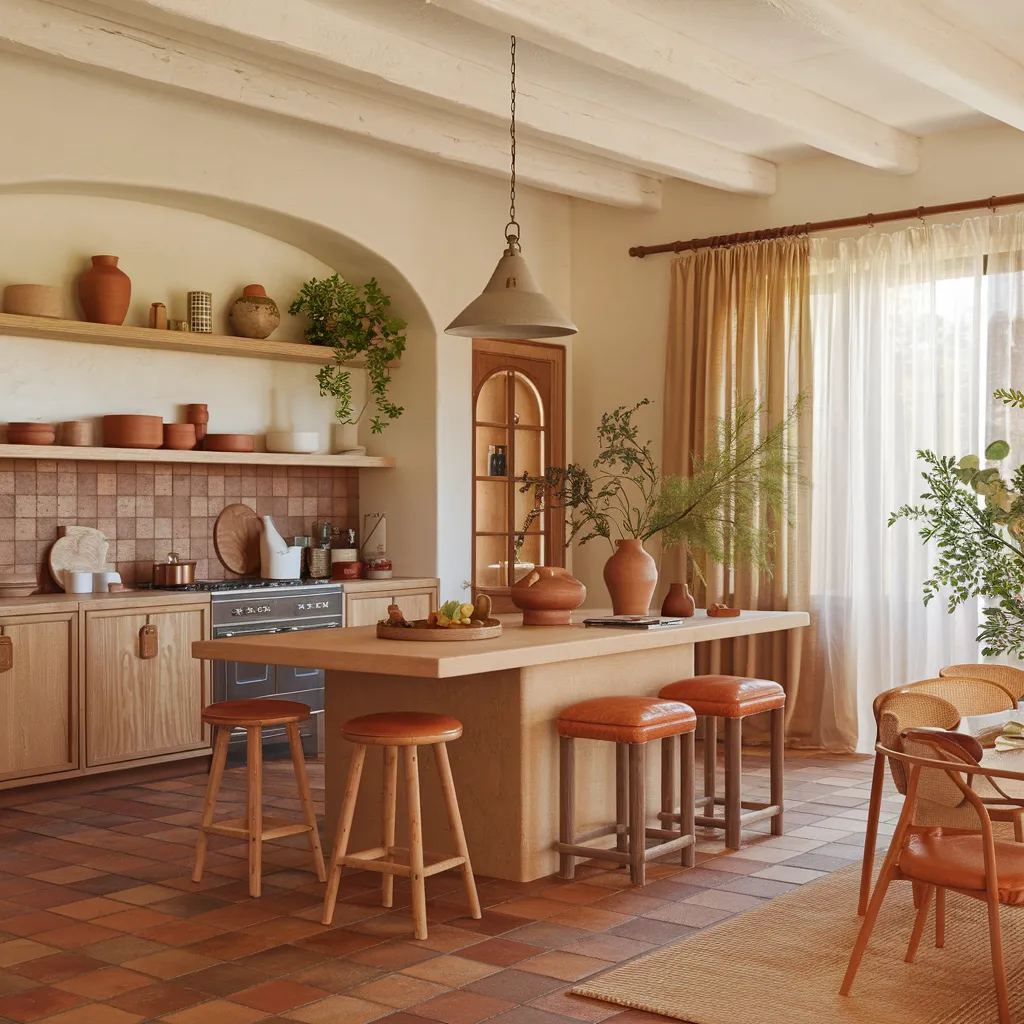
The space exudes a cozy, eclectic style with its blend of natural materials and earthy tones. Light wood cabinetry, exposed shelving with earthy ceramic accents, and abundant potted greenery create an organic, inviting atmosphere. The terracotta-tiled floor grounds the space with rich warmth, while the creamy wall color and sheer curtains lend an airy feel. Leather-seated stools and a plush upholstered bench offer comfortable seating around the substantial island. This tranquil, lived-in scene encapsulates the soft kitchen trend, where the kitchen transcends utility to become a nurturing gathering space for communion and contentment.
The Future Kitchen: Curated, Elegant, and Deeply Personal
The future of kitchen design isn’t about following trends—it’s about creating deeply personal sanctuaries that reflect who you are and support your wellbeing.
How to bring this together: Combine soft cabinet aesthetics featuring warm, soothing tones with sculptural appliances treated as design objects, natural materials celebrated for their authenticity, and thoughtfully designed layered lighting. The result? A multifunctional space where people actually want to spend time.
Modern kitchens now serve dining, entertaining, and even laundry functions while maintaining their primary role in food preparation. These aren’t kitchens designed merely for cooking; they’re furnished rooms where you gather with family or enjoy quiet moments.
The takeaway: Invest in timeless, well-made pieces with genuine character rather than trendy options that feel disposable. Create collected, eclectic spaces that tell your personal story through carefully curated elements. Your kitchen should nourish both the meals you prepare and your sense of home. As kitchen design continues evolving, the spaces that will matter most aren’t those that follow every trend—they’re the ones that reflect your values, support your wellbeing, and genuinely make you happy to be home.