As temperatures plummet during the winter months, homeowners face a common concern: the risk of frozen pipes. This seemingly innocuous issue can quickly escalate into a costly nightmare, with burst pipes leading to extensive water damage and expensive repairs. However, there’s a simple solution that experts swear by – a trick that can save you from the headache of dealing with frozen pipes.
Why Frozen Pipes Are Winter’s Most Preventable Disaster
As temperatures drop this winter, millions of homeowners face a silent threat hiding in their walls: frozen pipes. It’s one of the most destructive—yet completely preventable—winter disasters. When outdoor temperatures fall below 32°F, the water in your pipes begins to freeze and expand.
Since pipes are rigid, that pressure builds until something gives. A single burst pipe can unleash thousands of gallons of water into your home, leading to structural damage, mold, and insurance claims often exceeding $10,000. The real danger intensifies below 20°F, especially during extended cold snaps.
But here’s the good news: preventing frozen pipes doesn’t require expensive upgrades or complex solutions. Understanding what’s happening in your walls right now—and taking a few strategic steps—can save you from this costly catastrophe.
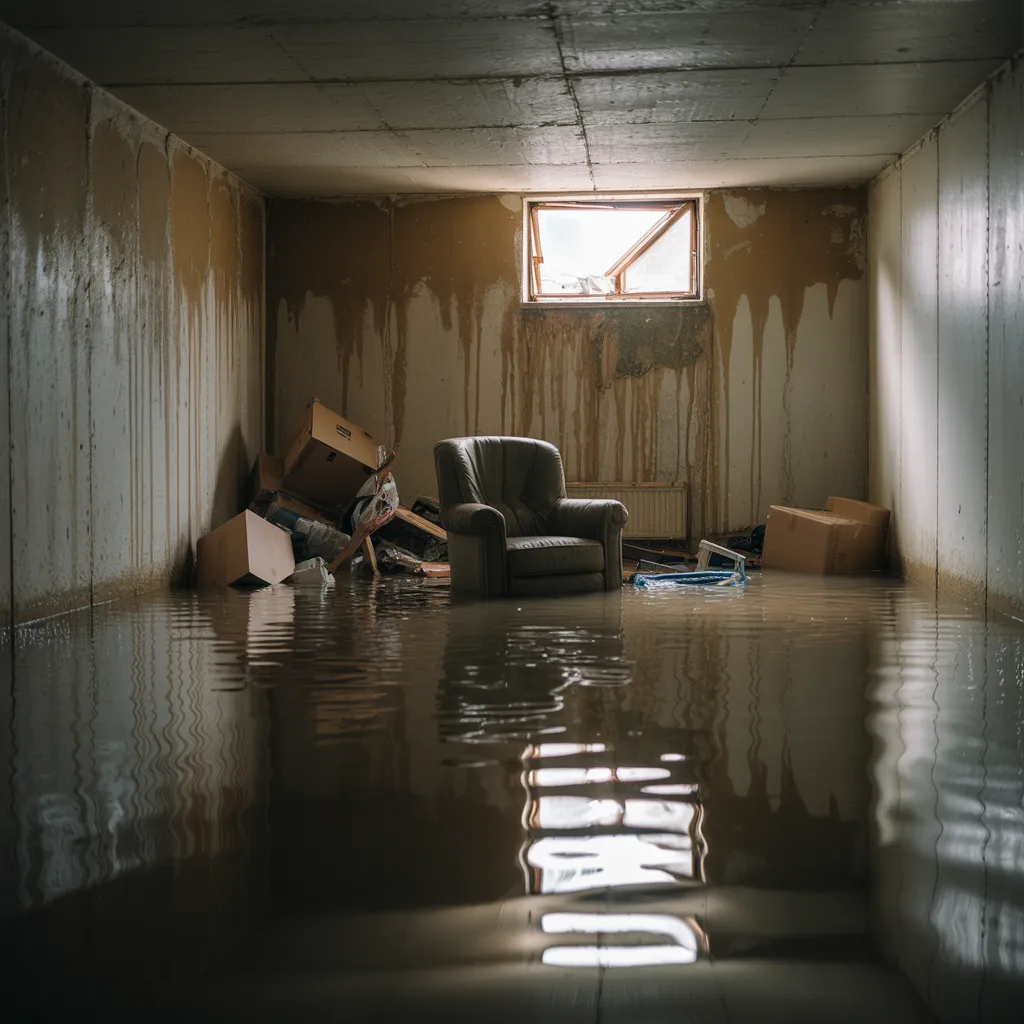
Frozen, bursting pipes have led to catastrophic flooding inside this decrepit interior space.
The Surprisingly Simple Solution: The Pencil-Thin Drip
Plumbing experts have relied on one elegantly simple strategy for decades: let a faucet drip during freezing weather. The trick? You’re not running water full blast—that wastes water and money. Instead, maintain a slow, steady drip about as thick as a pencil lead.
This gentle flow keeps water moving through your pipes, preventing the stagnation that allows freezing to occur. Moving water has a much higher freezing point than still water, and even this minimal movement interrupts crystallization. Activate this defense when temperatures drop below 20°F or forecasts predict extended freezing.
Pay special attention to faucets furthest from your main shutoff valve—these spots have the lowest water pressure and temperature. If you’re traveling during winter, this becomes even more critical since your home won’t benefit from the warmth generated by normal daily activities. This one simple step has prevented countless pipe disasters.
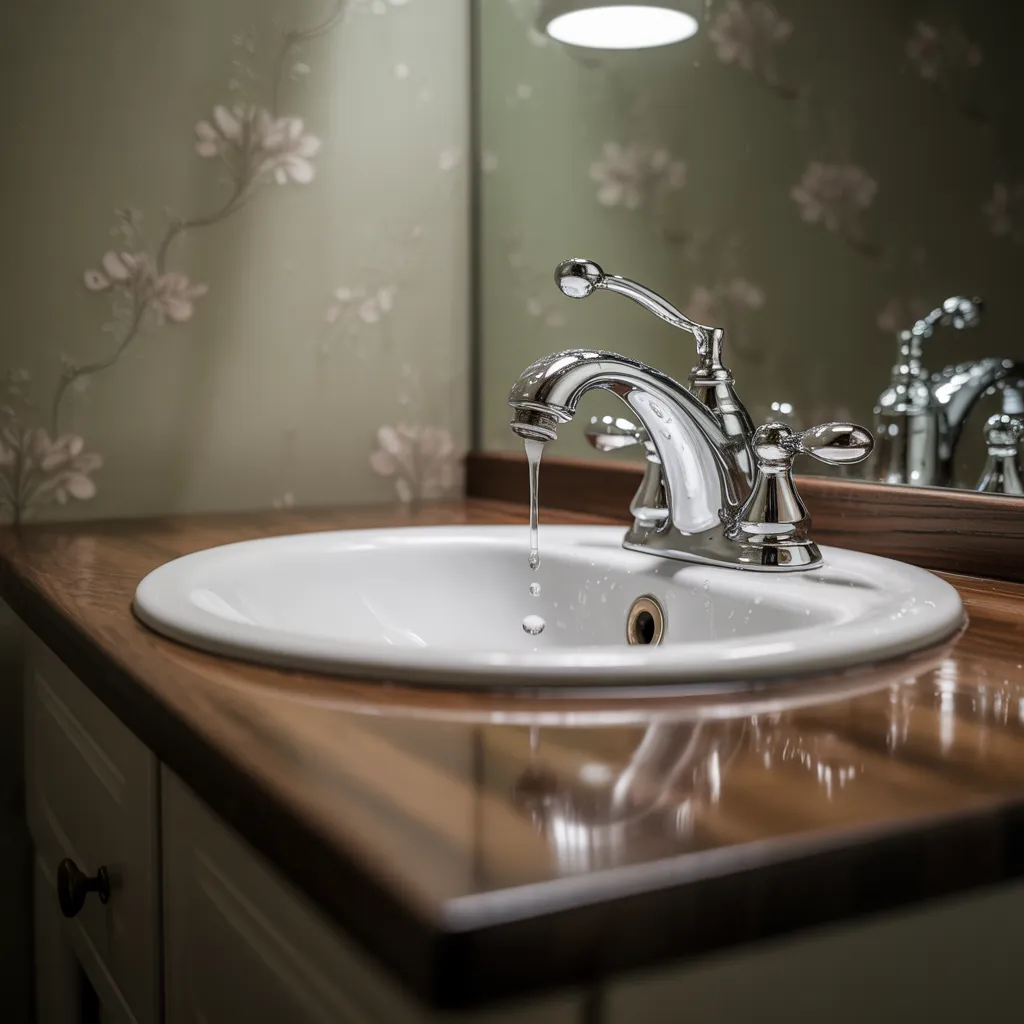
A gleaming chrome faucet releases a slow, steady drip into a porcelain pedestal sink, maintaining a slow, steady drip about as thick as a pencil lead.
The Attic Connection: Why Icicles Signal Deeper Trouble
Those dramatic icicles hanging from your gutters? They’re actually warning signs of a bigger problem. Poor attic insulation and ventilation create temperature swings that damage both your roof and pipes. Here’s the cascade: warm air from your home escapes through an under-insulated roof, melting snow on the roof surface.
When temperatures drop at night, this water refreezes into ice dams that back up water under your shingles. But the temperature fluctuations penetrate deeper too, affecting pipes running through exterior walls and rim joists. You’re essentially creating the perfect freezing conditions.
The solution: improve your attic insulation to R-38 to R-60 (depending on your climate zone) and ensure adequate ventilation. Air seal around chimneys and vents, consider heat cables in gutters, and use spray foam for optimal protection. Addressing your attic simultaneously protects your roof, prevents ice dams, and stabilizes temperatures throughout your home.
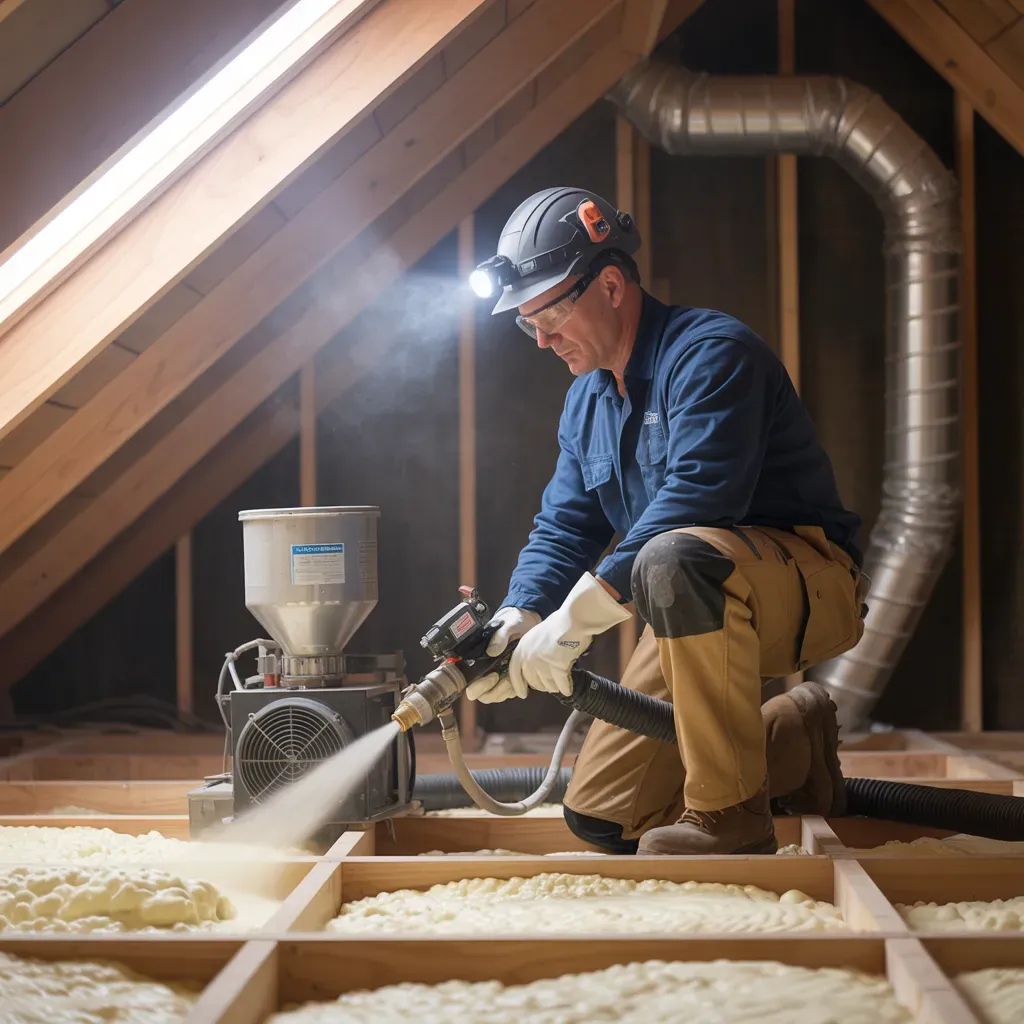
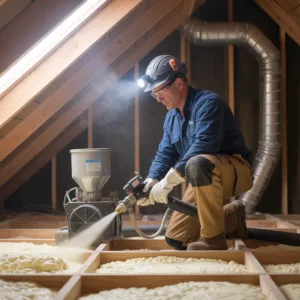
A hands-on insulation upgrade process can improve a home’s thermal efficiency, protect pipes, and prevent ice dams.
The Heating Mistake That Backfires: Closed Vents
It seems logical: close heating vents in rooms you don’t use to save energy. But this common practice actually backfires. Closing vents disrupts your entire heating system’s carefully balanced airflow, creating pressure imbalances and cold spots throughout your home.
Rooms with closed vents cool down significantly, and if those rooms contain pipes—especially exterior wall pipes—they become prime targets for freezing. Your heating system works most efficiently when air circulates everywhere, even unused spaces.
The solution: Maintain a minimum temperature of 55°F throughout your entire home, including rooms you rarely enter. Modern programmable thermostats or zoned heating systems let you maintain baseline warmth in all areas rather than closing vents. HVAC professionals universally recommend against vent closure: the damage to efficiency and the increased pipe vulnerability far outweigh any heating savings. Consistent warmth throughout your home protects both your pipes and your system.
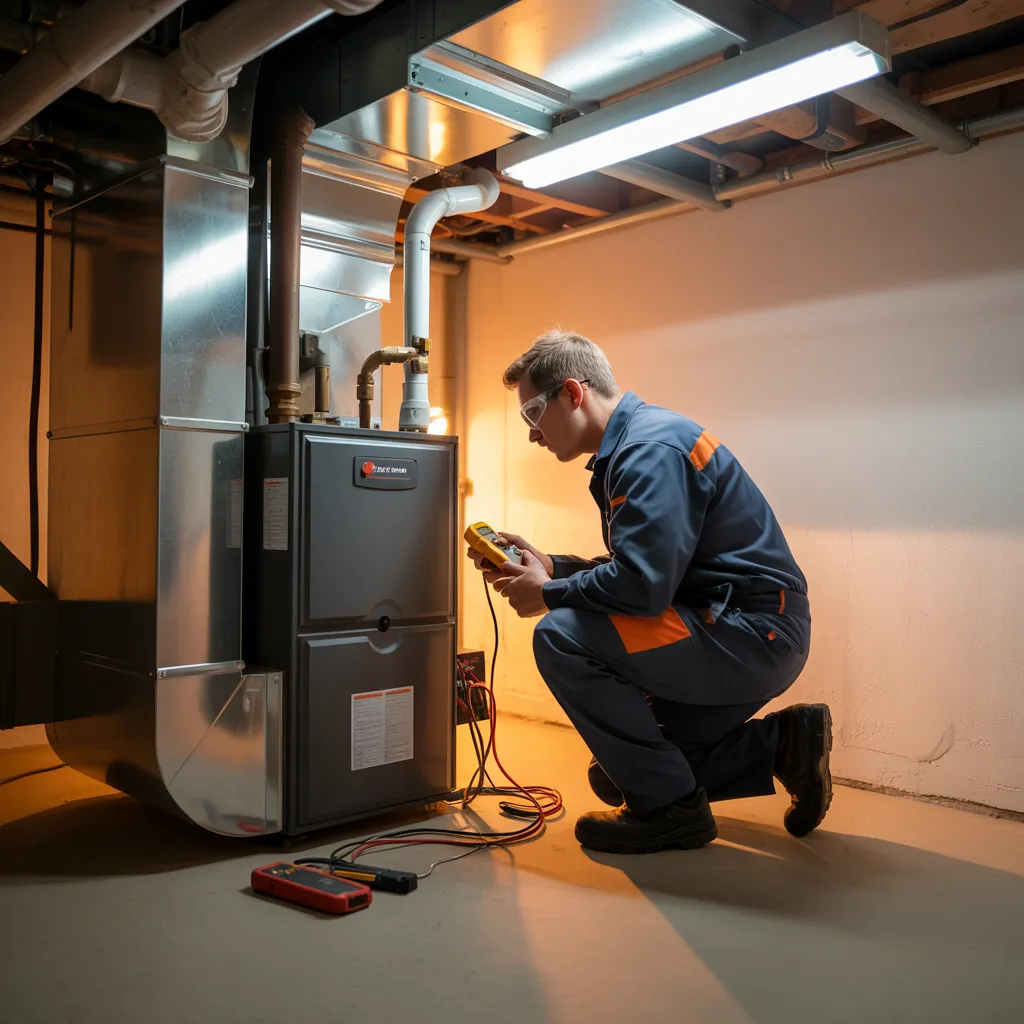
Maintain your home furnace to ensure it can keep 55°F throughout the home while keeping vents open.
Your Complete Winter Pipe Protection Plan
Protecting your home from frozen pipes requires layering multiple strategies for redundant protection. Start here:
- Maintain 55°F minimum throughout your entire home, even unused spaces.
- Insulate all exposed pipes in basements, crawl spaces, attics, and exterior walls using foam sleeves.
- When temperatures drop below 20°F, activate faucet dripping on vulnerable outlets using the pencil-lead thickness guideline.
- Keep cabinet doors open under sinks to allow air circulation.
- Before winter, remove garden hoses, drain exterior spigots, and have your furnace professionally serviced.
If traveling during freezing weather, maintain moderate heat rather than shutting everything down. Think of this as your home’s immune system—no single step provides complete protection, but together they create formidable defense. If a pipe does freeze despite precautions, contact a professional plumber immediately rather than attempting DIY thawing. Preventing frozen pipes now saves exponentially larger expenses later.