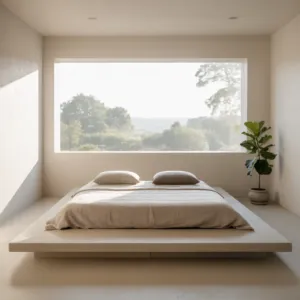
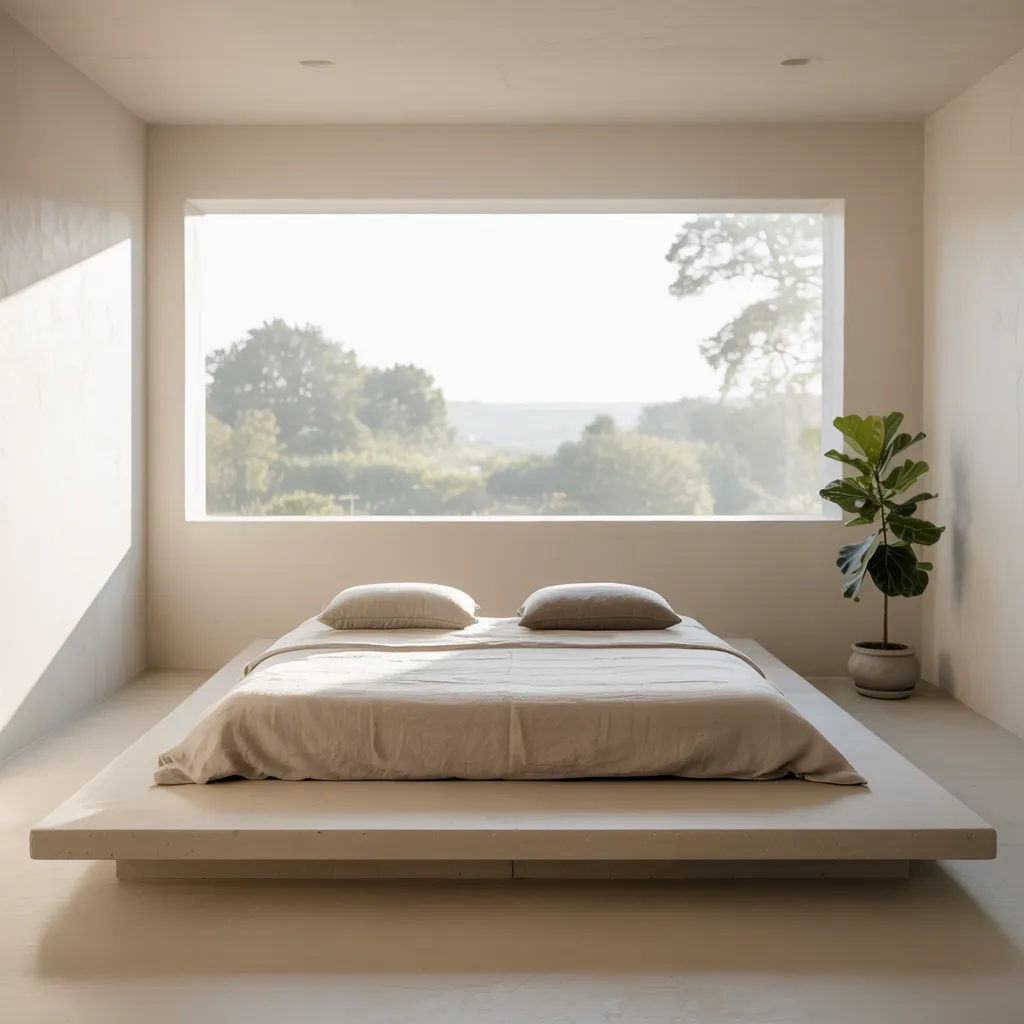
In our fast-paced, cluttered world, finding true rest can be a challenge. But what if the key to better sleep lies in the simplicity of a minimalist bedroom? Experts weigh in on how stripping back your sleep sanctuary can nurture deeper relaxation and rejuvenation.
Is Your Cluttered Space Sabotaging Your Mental Health?
Visual clutter does more than just look messy—it actually affects how your brain works. If you have ADHD, you’re especially likely to feel this impact. Cluttered spaces create cognitive overload, which intensifies anxiety, scatters your attention, and triggers decision fatigue.
When your surroundings constantly demand your attention, your brain stays in perpetual alert mode. Each visible item requires processing power, leaving fewer mental resources for what actually matters. This isn’t a weakness—it’s documented neuroscience.
Your prefrontal cortex, which handles executive function and decision-making, becomes strained under excessive stimulation. Research shows that physical disorganization directly correlates with elevated cortisol levels, keeping your nervous system activated even when you’re trying to relax. For ADHD brains, this activation often persists into sleep, creating an exhaustion cycle that compromises sleep restoration and affects your mood, memory, and ability to focus.
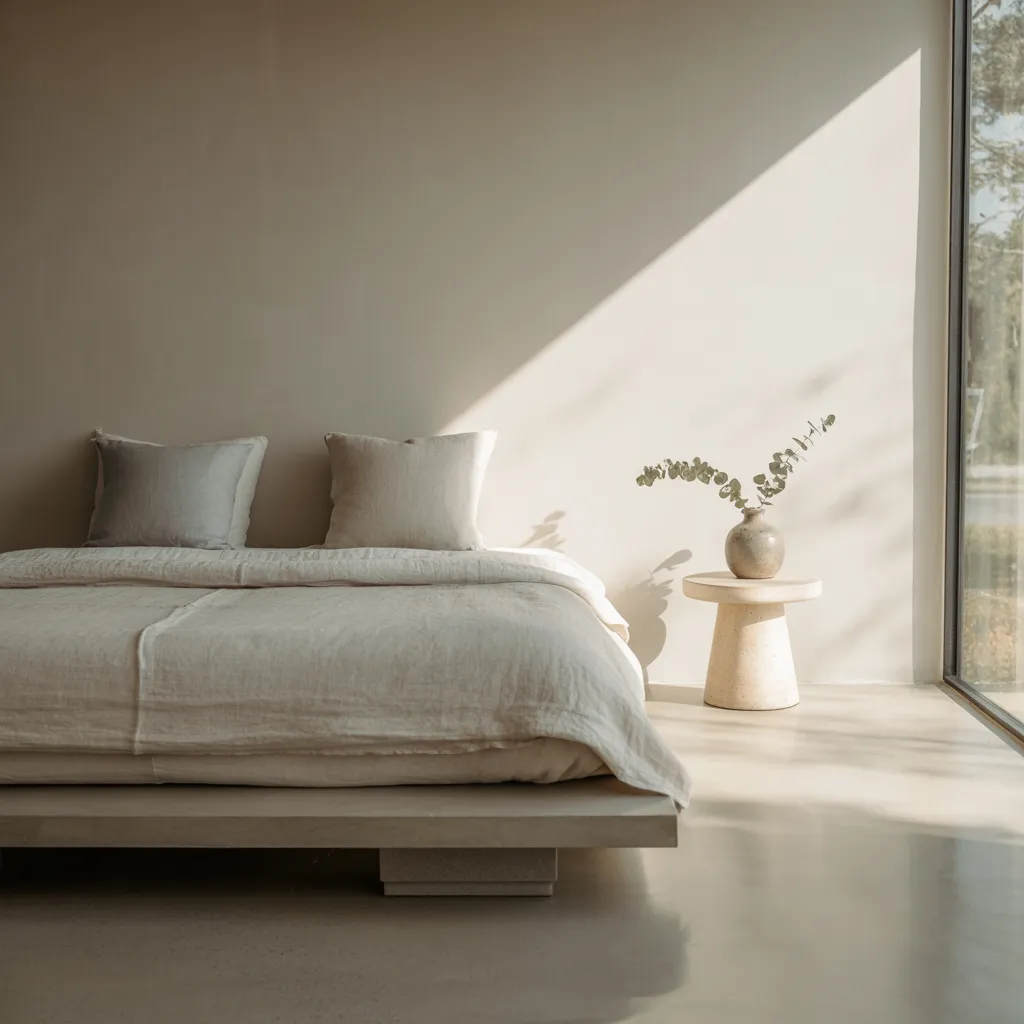
A serene, minimalist bedroom bathed in natural light, featuring a low platform bed with crisp white linens and plush grey pillows. An earthy ceramic vase holding delicate eucalyptus branches adorns a simple wooden stool, adding an organic touch. The muted, neutral color palette creates a calming atmosphere. Clean lines, raw materials like wood and ceramic, and a distinct lack of clutter define this space’s tranquil, contemporary minimalist aesthetic geared towards promoting undisturbed sleep and rejuvenation.
Beyond Minimalism: Creating Warm, Intentional Spaces
Minimalism stripped bare can actually feel cold and uninviting rather than peaceful. True intentional design incorporates warmth, personality, and purposeful elements that genuinely soothe an overstimulated nervous system. Good minimalism isn’t about deprivation—it’s about keeping only what’s functional or brings you joy, eliminating visual noise that fragments your concentration.
Here’s the key: texture, softness, and carefully chosen décor can absolutely coexist within a minimal framework. Think warmly lit spaces with soft furnishings, meaningful artwork, and organized personal items. Balance openness with warmth by using high-quality natural materials like cotton, linen, and wood.
The goal is reducing visual chaos while preserving coziness. Maintaining this balance doesn’t require constant effort—even 20-minute decluttering sessions twice weekly keep everything in equilibrium without feeling like a chore.
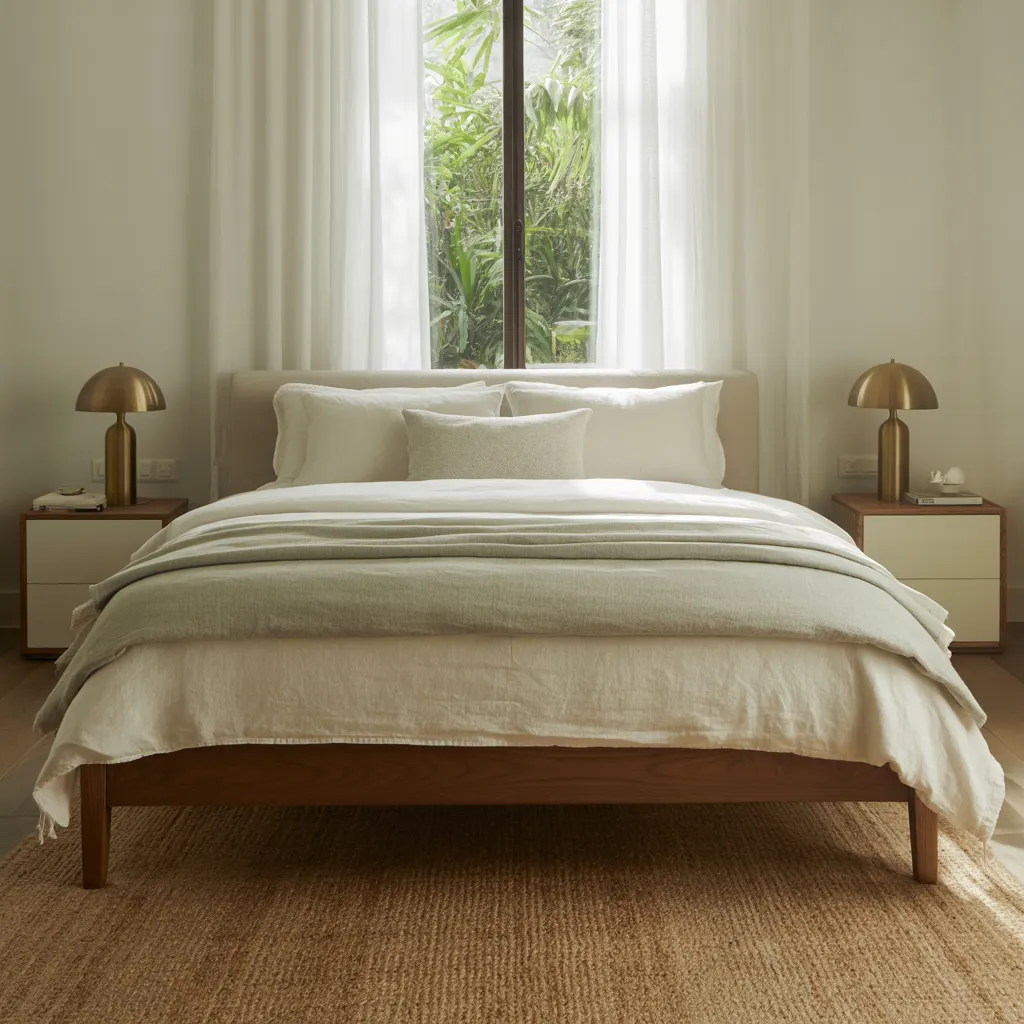
A serene, minimalist bedroom with crisp linen bedding in soft neutral tones welcomes natural light from the window overlooking lush greenery. The sleek wood bed frame and matching nightstands with golden metal lamps create a warm, grounded aesthetic. Smooth lines and muted earth tones of the furniture blend harmoniously with the understated beige color palette. Textures like the nubby area rug add subtle depth while maintaining a pared-back, tranquil ambiance ideal for rest and relaxation.
Five Design Principles That Transform Bedrooms Into Sanctuaries
Five interconnected design choices eliminate visual noise and lower nighttime cortisol:
- Clear surfaces remove all items except essentials, eliminating competing visual stimuli that keep your brain engaged.
- Organized closets ensure clothing doesn’t visually dominate the room; hidden storage systems reduce decision fatigue first thing in the morning.
- A crisply made bed triggers calm through both tactile satisfaction and psychological completion—your brain registers completion.
- Minimal décor prevents overstimulation; keep walls calm with purposeful items only.
- Strategic storage like hidden bins, organizers, and wall-mounted shelving contains items invisibly.
These elements work together to quiet overstimulated nervous systems before sleep. Streamlined furniture with clean lines and two to three soft, neutral shades amplifies calming effects. Blackout curtains and white noise machines further support healthy sleep cycles. Light control proves especially essential—any light exposure during sleep suppresses melatonin and promotes wakefulness, so eliminate artificial light sources.
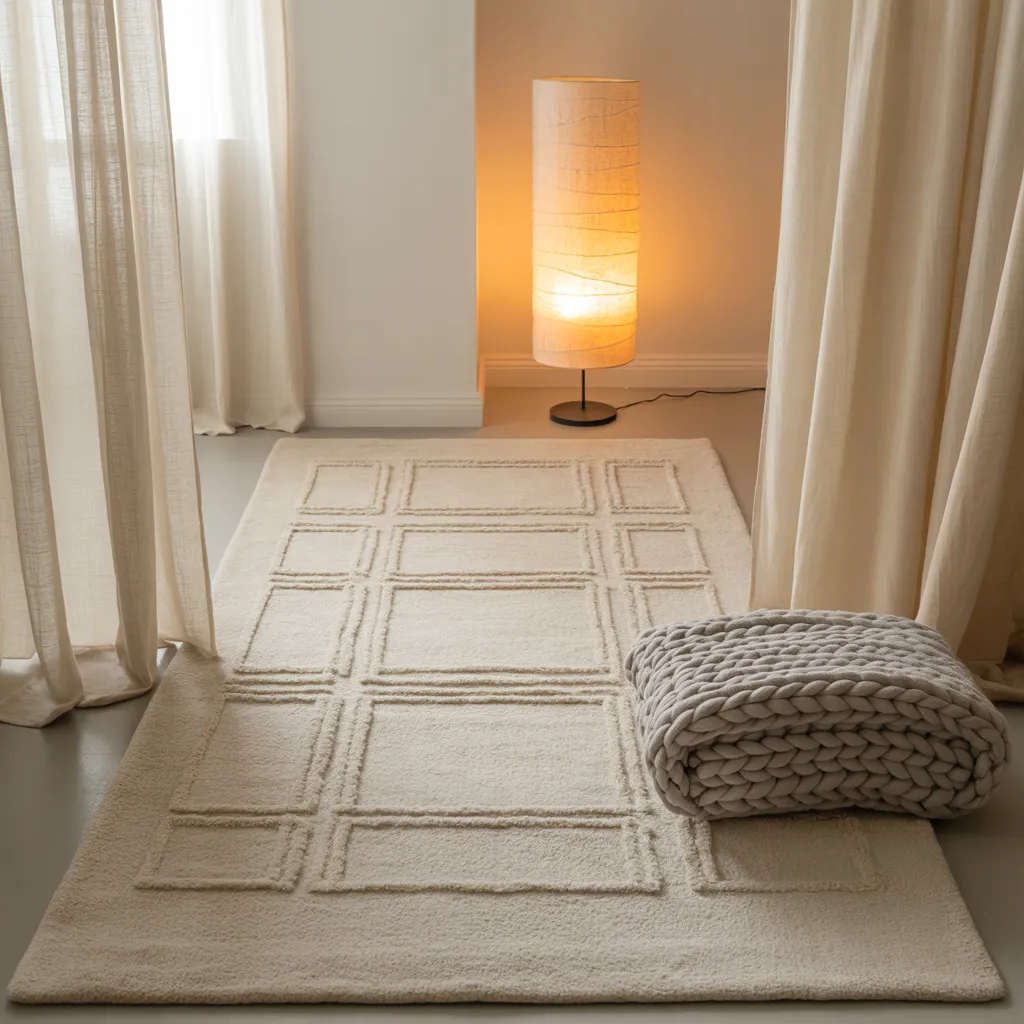
A cozy nook bathed in warm, ambient light from a woven cylinder lamp emanates a sense of tranquility. A plush, chunky knit footstool in a gentle greige tone lends inviting texture beside a geometric patterned area rug in neutral hues that anchors the space. Sheer, gossamer curtains frame the soothing vignette, epitomizing modern minimalist style through an edited mix of natural materials like wool and cotton textiles accented by sleek black metal. The soft, earthy color palette cultivates an aura of understated elegance and calm ideally suited for rest and rejuvenation.
Why Color Choice Matters More Than You Think
ADHD brains process color intensity differently than others. High-saturation hues and bright walls overstimulate your visual cortex, triggering mental fatigue. Cooler tones—soft blues, gentle greens, warm grays, muted earth tones—signal safety to your brain and reduce mental strain. These represent neurologically grounded choices, not arbitrary preferences.
Colors like dusty sage require less neural processing, allowing your brain genuine rest. In contrast, vibrant yellows and intense patterns create exhausting cognitive load, which is particularly problematic in bedrooms where you’re trying to wind down. Research reveals that carefully chosen palettes actually lower your heart rate and breathing, supporting better sleep cycles.
For ADHD minds, color strategy is just as essential as physical organization. Minimizing artificial blue light and visual overstimulation through thoughtful color choices protects your natural melatonin production, supporting comprehensive sleep quality improvements.

A low-profile wooden bed frame serves as the centerpiece, adorned with crisp white linens and a cozy gray throw blanket. The minimalist design exudes a serene, contemporary aesthetic. Warm sunlight streams through the window, casting soft shadows on the bare beige walls. A framed abstract artwork in muted tones hangs above the bed, providing a subtle focal point. An antique side table made of distressed oak displays a simple ceramic vase with delicate stems, lending an earthy, organic touch. The harmonious blend of natural textures like wood and linen, coupled with neutral hues and thoughtful accents, strikes a calming balance – a sanctuary that invites both tranquility and comfort.
The Cognitive Load Theory: How Clear Surfaces Free Your Mind
Every item within your visual range demands processing power. For ADHD minds, this constant competition becomes neurologically exhausting. Each object competes for attention, fragmenting your focus and depleting your executive function reserves.
Clear surfaces represent genuine neurological liberation—removing background static allows your prefrontal cortex to allocate resources where they actually matter. The connection between environmental organization and cognitive performance is measurable: attention improves, fatigue decreases, and sleep quality encompasses better duration, faster falling asleep, and fewer disruptions.
Here’s what people consistently report: they feel calmer, sleep deeper, and concentrate longer. The transformation is fundamentally neurological. Uncluttered surfaces eliminate constant subconscious negotiation about what to pay attention to, and this relief compounds across days. Clear spaces become sanctuaries through genuine neurological restoration, supporting both sleep quality and psychological well-being.
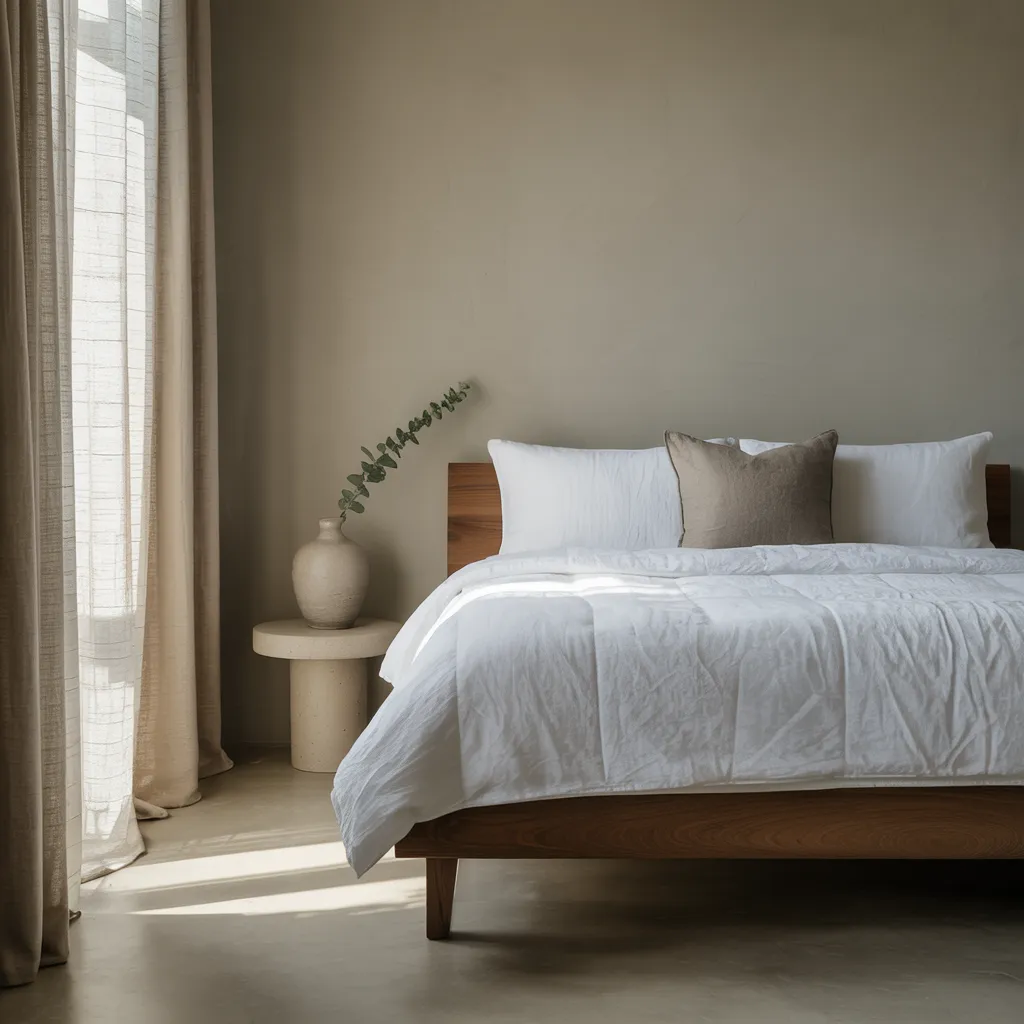
A serene, minimalist bedroom with clean lines and a calming neutral color palette. The taupe-hued linen bedding and warm wood platform bed exude understated elegance, while a simple ceramic vase displays a graceful eucalyptus stem. Sheer curtains filter in soft natural light, casting gentle shadows across the room. The muted tones of tan, cream, and greige create a soothing, pared-back ambiance that invites relaxation and respite from sensory overload. With its harmonious blend of natural textures and soft, organic accents, this tranquil space epitomizes the rejuvenating essence of minimalist design.
Building a Decluttering Routine for Long-Term Success