
Most people toss stained or damaged linens without a second thought—but you might be throwing away creative goldmines. Beyond the environmental guilt, these castoff fabrics represent untapped potential hiding in your trash.
Designers and sustainability experts increasingly reveal how ordinary household linens can become dozens of useful and beautiful things. And linen itself is worth saving: made from flax fibers, it’s significantly more biodegradable than cotton, naturally resists dirt and stains, and softens beautifully with age.
Those qualities mean damaged pieces are especially worthy of a creative second life rather than the landfill. Whether you’re motivated by sustainability or simply looking for a fun creative outlet, repurposing linens transforms a wasteful habit into an opportunity for both.
From Bedroom to Gallery Wall: Unexpected Transformations
What if your old bedding could become wall art? Interior designers are discovering innovative ways to repurpose linens beyond their original purpose. Worn quilts look stunning when framed, duvet covers transform into elegant curtains, and damaged fabric becomes gallery wall installations that feel intentional and curated.
The secret? Start seeing the aesthetic potential in what’s already sitting in your closet. Linen’s natural properties—its cool touch, subtle sheen, and way it softens with washing—make it particularly suited for these transformative projects. You’ll find diverse colors and textures, from soft whites and pastels to vibrant hues, offering remarkable design flexibility.
To keep your upcycled projects organized and visible, consider displaying finished pieces in vintage crates, on wooden shelving, or in reclaimed cabinets. This not only keeps your materials accessible but also turns your upcycling hobby into part of your room’s décor.
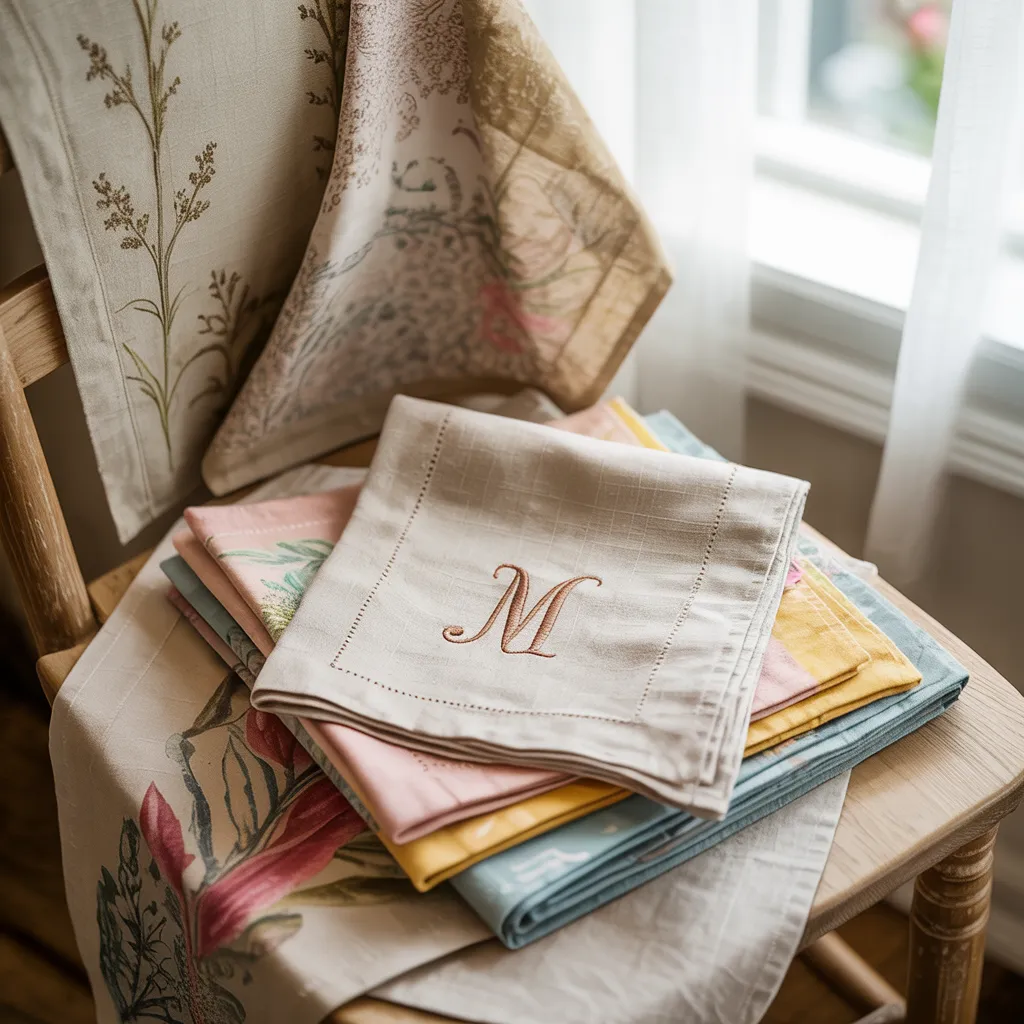
A stylishly decorated sitting nook showcases a stack of monogrammed linen napkins in pastel hues alongside a floral patterned throw pillow. The muted color palette combines natural beiges, soft blues, yellows, and pinks, creating a serene, romantic ambiance. The linen textiles, adorned with delicate embroidery, exude a timeless yet fresh bohemian aesthetic. Complementing the cozy scene is an ornately carved wooden side table that lends a touch of rustic charm to this inviting, sunlit corner, beckoning one to savor a tranquil moment of repose amidst the tastefully curated decor elements.
15 Clever Crafts You Never Thought Possible
The possibilities might surprise you: heart-shaped bookmarks, scent sachets, reusable bread bags, costume accessories, festive holiday bows, custom pet beds, kitchen aprons, oven mitts, napkin rings, luggage tags, appliqué patches, and wrapping paper.
Each project requires minimal sewing skills and transforms damaged fabric into something surprisingly practical or decorative. Linen’s durability, hypoallergenic properties, and absorbency make handcrafted items that last. Plus, linen naturally resists moths and beetles, making repurposed pieces ideal for storage solutions and keepsakes.
You can personalize projects with embroidery, appliqué, and strategic color combinations. To keep your workspace productive, organize fabric scraps in mason jars by color, store supplies in metal cans, and use wooden organizers to keep materials easily accessible. This way, inspiration strikes and you’re ready to create.
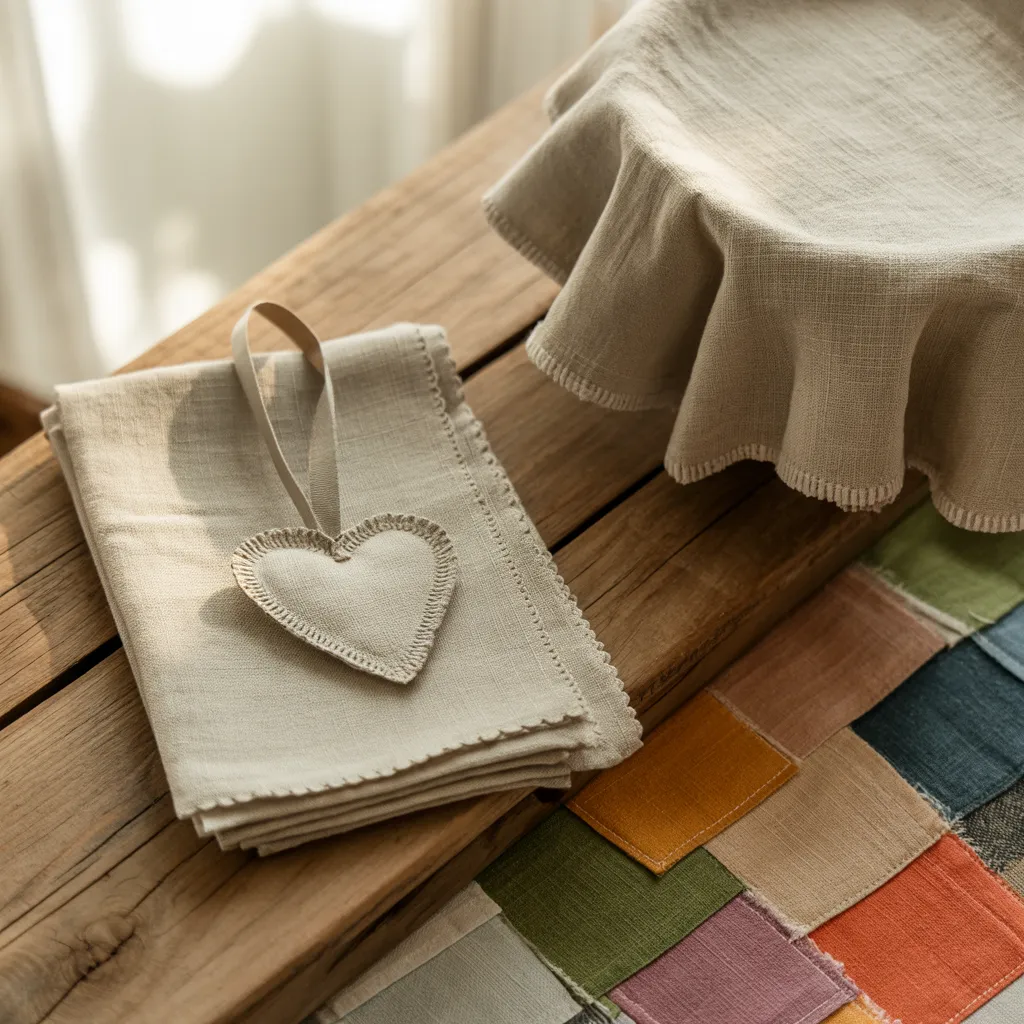
Linen napkins with a heart-shaped appliqué and frayed edges rest atop a wood surface alongside fabric swatches in muted earth tones. The understated rustic style incorporates natural textures like distressed wood and raw linen, creating a warm, inviting ambiance. The color palette features soft neutrals – creams, tans, olive greens, and terracotta accents that lend an organic, earthy feel. This artisanal vignette celebrates the imperfect beauty of handcrafted textiles, embracing the timeless allure of simple, sustainable design with a hint of nostalgic charm.
The Budget-Friendly Holiday Hack That Changes Everything
Forget expensive holiday decorations—your kitchen towels can become festive bows through a simple no-sew folding technique. This designer-approved trick offers immediate results with zero cost and zero sewing skills required.
It’s the perfect entry point for beginners who’ve never upcycled before. Linen towels work particularly well because their natural strength and subtle sheen hold decorative folds beautifully, while their characteristic texture adds visual interest to holiday displays.
Best of all, the lightweight nature of linen means your folds stay crisp without pressing or special treatment. Once you master this simple technique, you’ll start seeing all your linens differently—as raw materials ready for transformation, whether that’s holiday styling or everyday projects.
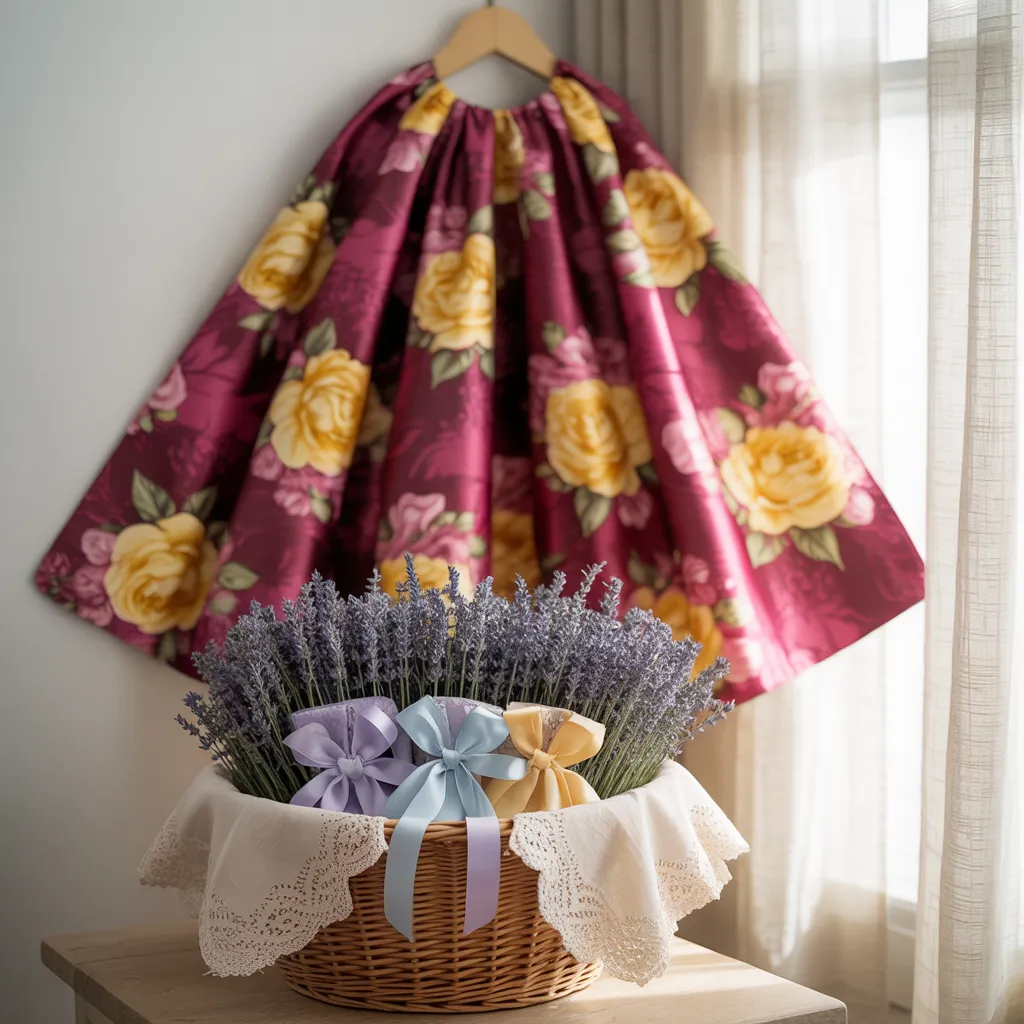
A sumptuous floral skirt hangs languidly from a wooden hanger, boasting an exquisite pattern of golden roses adorning a deep maroon backdrop. A rustic woven basket overflows with fragrant lavender stems, their silvery hues delicately enhanced by pastel ribbons. This charmingly rustic vignette exudes a romantic, cottage-inspired ambiance with its harmonious blend of rich colors and natural textures. The delicate lace trim on the basket and the vibrant floral motif evoke a delightful bohemian flair, perfectly encapsulating the essence of artisanal craftsmanship and homespun warmth.
Why Designers Are Keeping Their Damaged Bedding (And You Should Too)
Interior designers now view stained or damaged linens as creative raw materials, not waste. They use them for upholstering furniture, creating reusable rags, and donation-ready items for shelters. This professional perspective reveals how thoughtful upcycling connects sustainability with style and community impact.
Before tossing a damaged piece, assess whether it’s salvageable: while mildew, perspiration, and bleach can damage linen, many pieces respond well to dry cleaning, machine washing, or steaming. Slightly stained pieces work beautifully for utilitarian projects like rags or upholstery, while cleaner sections become crafts.
Here’s what makes this worthwhile: linen biodegrades completely in just weeks when buried in soil, which underscores the environmental value of repurposing over disposal. So keeping and transforming damaged pieces isn’t just a creative choice—it’s an environmental one that aligns with responsible home design and proves that sustainability and aesthetic excellence truly can coexist.
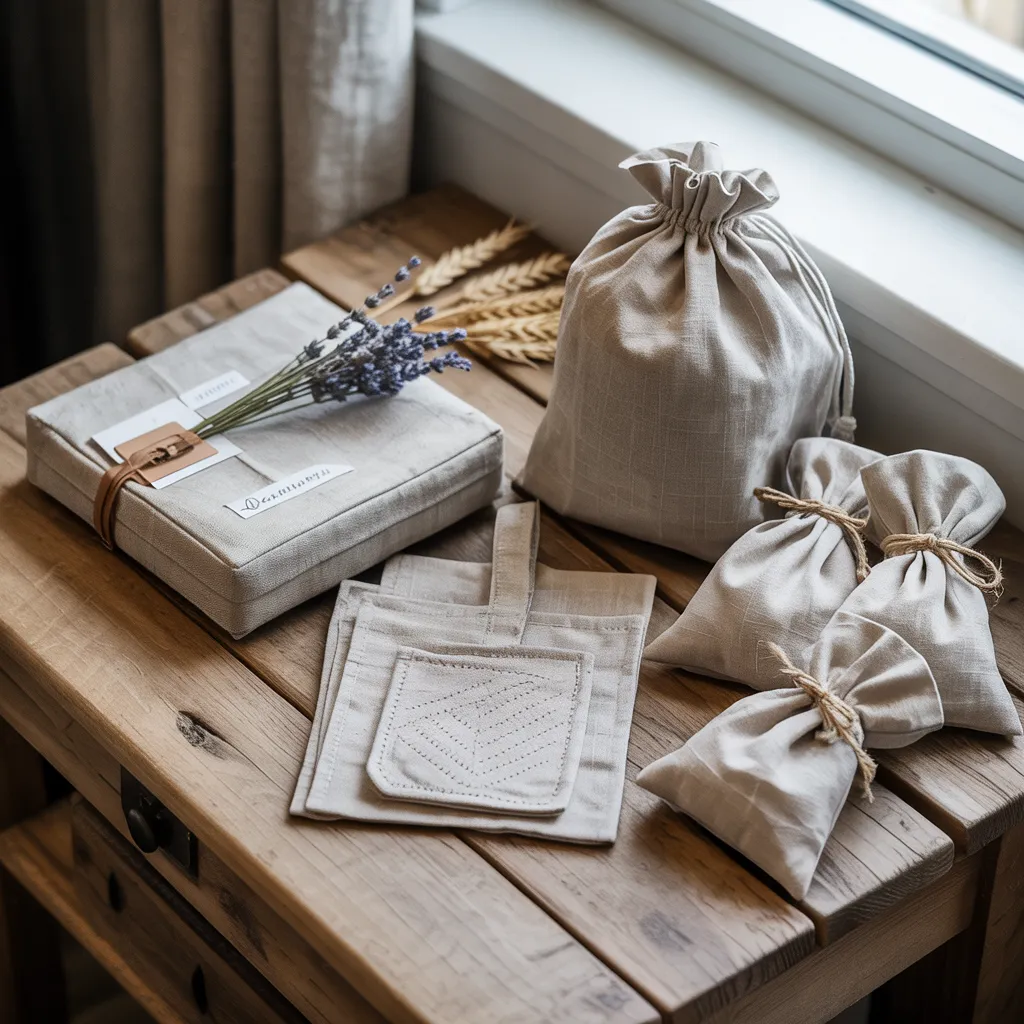
A collection of linen creations rests on a rustic wooden table near the window, exuding an earthy, minimalist aesthetic. Fabric pouches and bags in soft, natural hues are neatly arranged alongside a vintage-inspired book, lavender stems adding a delicate touch. The organic materials like linen, wood, and twine evoke a sense of sustainability and handcrafted warmth. Tones of oatmeal, ecru and faded olive create a gentle, harmonious palette, while the simple shapes and textures of the handmade items reflect a pared-back, contemporary rustic style with bohemian flair. The image invites one to embrace mindful living through thoughtfully curated, eco-conscious home decor elements.
