For decades, bathroom flooring has been an afterthought—a purely functional surface you never think about until it cracks. But 2026 is rewriting that story. Designers are ditching the flat, characterless tiles of the past in favor of materials that transform bathrooms into sanctuaries. The shift isn’t just aesthetic; it’s philosophical. Today’s best bathroom designers are choosing flooring that tells a story, feels alive underfoot, and happens to be gentler on the planet. This transformation reflects a broader recognition that bathrooms deserve the same thoughtful design attention as living rooms and bedrooms. The materials gaining traction now—from cork to terrazzo—represent a fundamental recalibration of priorities: performance, beauty, and environmental responsibility coexisting without compromise. This movement embraces warm neutrals and natural tones—honeyed woods, mid-oak finishes, and muted browns—that create grounded, nature-connected interiors rather than the sterile, cool palettes of previous decades. What makes this moment particularly compelling is that these choices feel inevitable rather than forced. Sustainable flooring has matured from niche concept to mainstream solution, with life cycle comparisons consistently showing that bio-based products carry lower environmental impacts than conventional alternatives. This flooring revolution is part of a larger 2026 design movement emphasizing craftsmanship, mixed materials, and artisanal touches across entire homes.
Why Texture Is the Hidden Secret Designers Are Obsessed With
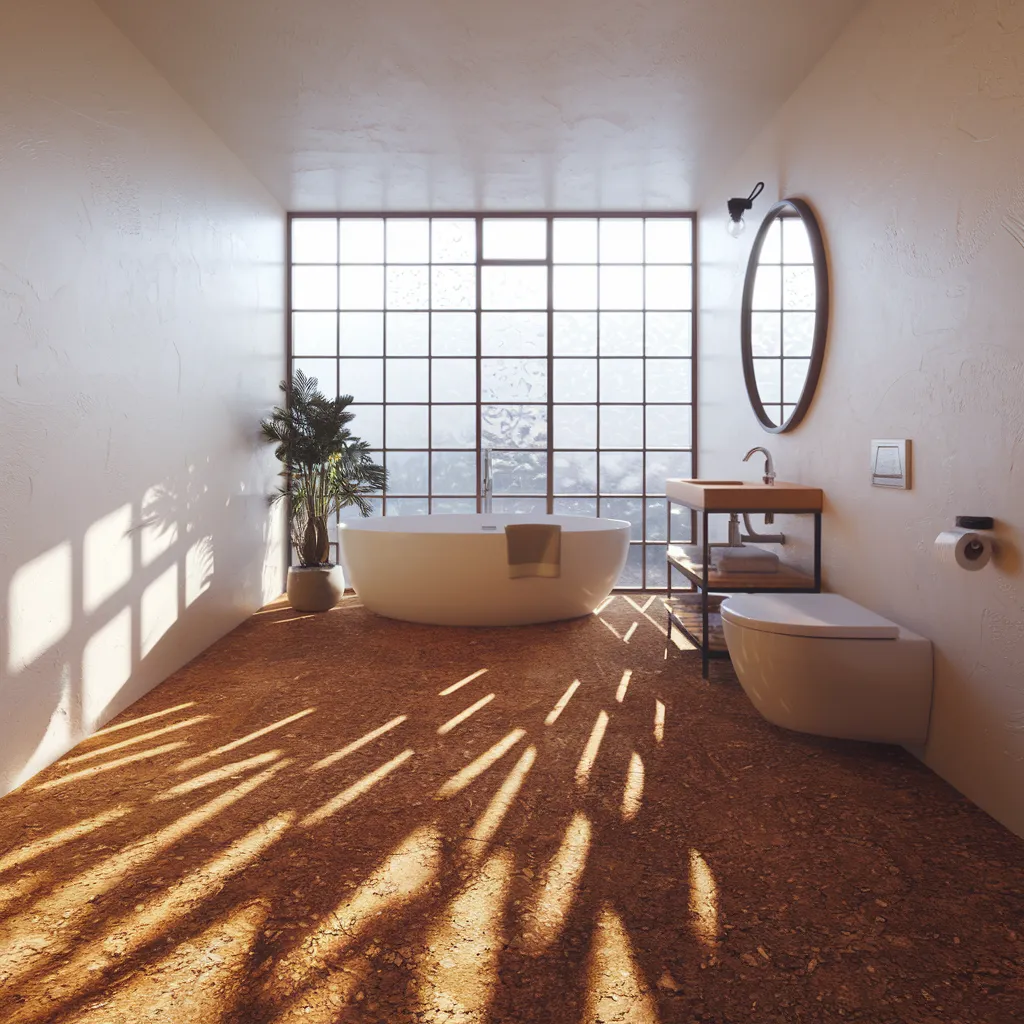
The design world is staging a rebellion against one-dimensional surfaces. Flat walls and monotonous flooring are out; textured, layered environments are in. When applied to bathroom flooring, materials like cork, terrazzo, and reclaimed wood create depth and visual interest that standard tiles simply cannot match. These textured surfaces catch light differently, creating subtle shadows and dimension that make a bathroom feel sophisticated rather than sterile. The psychology behind this shift runs deeper than pure aesthetics. Texture engages multiple senses—sight, touch, and even sound. A cork floor provides gentle cushioning underfoot with natural anti-microbial properties, while reclaimed wood (often sourced from 100+ year-old warehouses, boxcars, and historic barns) creaks softly with embedded history. Terrazzo’s speckled surface shifts in different lighting conditions. Patterned wood flooring—particularly herringbone and chevron patterns—introduces geometric movement that transforms visual perception. Herringbone, a centuries-old classical pattern originally used in grandiose palace interiors, brings that same sophisticated elegance to contemporary bathrooms. The pattern scale matters: larger geometric layouts create calming visual rhythms, while tighter arrangements generate energetic, dynamic spaces. This multisensory philosophy extends beyond flooring alone, as designers incorporate matching wall textures through wood panels and 3D surfaces that echo the same material language, creating fully immersive environments.
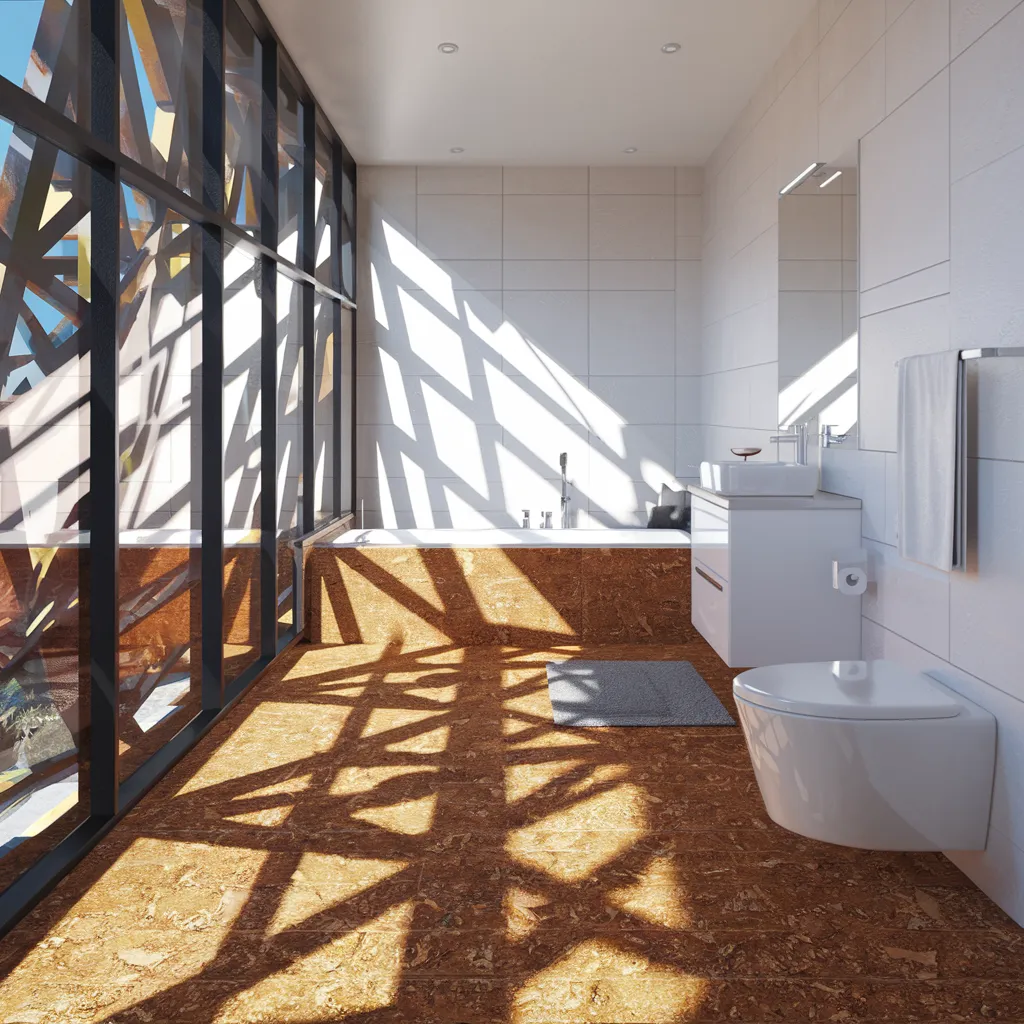
A dramatically textured bathroom space with contrasting light and shadow patterns cast across the floor and walls. The dominant material is warm, reclaimed wood used for both the chevron-patterned flooring and geometric latticework divider screen. The flooring’s herringbone pattern introduces energetic visual movement, while the airy wood screen casts intricate shadows, blurring the line between wall and floor surface. The color palette layers rich, earthy brown wood tones with crisp white tiled accents and subtle gray undertones from sunlight filtering through. Clean, minimalist fixtures in white ceramic and sleek metal lines complete the contemporary interpretation of rustic warmth and raw, organic textures.
Seven Materials That Bridge Beauty and Environmental Responsibility
Sustainable doesn’t mean sacrificing style anymore. Here are seven flooring options that prove eco-conscious choices and stunning design aren’t competing priorities: **Reclaimed Wood** brings warmth and history to spaces, often sourced from 100+ year-old warehouses, boxcars, coal mines, gymnasiums, and wine barrels—sometimes featuring rare woods like old-growth teak and mahogany—while preventing waste from landfills. **Cork** is harvested by removing the bark from Cork Oak trees without harming them. It offers natural bounce, exceptional durability, and renewable regeneration, though you’ll want to monitor moisture exposure in bathrooms. **Recycled Glass Tile** sparkles with unexpected glamour, catching light to create luminous depth. **Microcement** creates seamless modern elegance with custom color options for personalized design. **Bamboo** is a fast-growing renewable timber that’s naturally anti-bacterial, water-resistant, and extremely durable—without compromising structural integrity. **Recycled Tiles** give waste materials new purpose while maintaining design flexibility. **Terrazzo** combines beauty with remarkable longevity, often lasting decades and evolving beautifully with age. The 2026 palette increasingly favors long, wide planks that visually elongate spaces while grounding them in natural proportions—a design principle that pairs seamlessly with these sustainable materials.
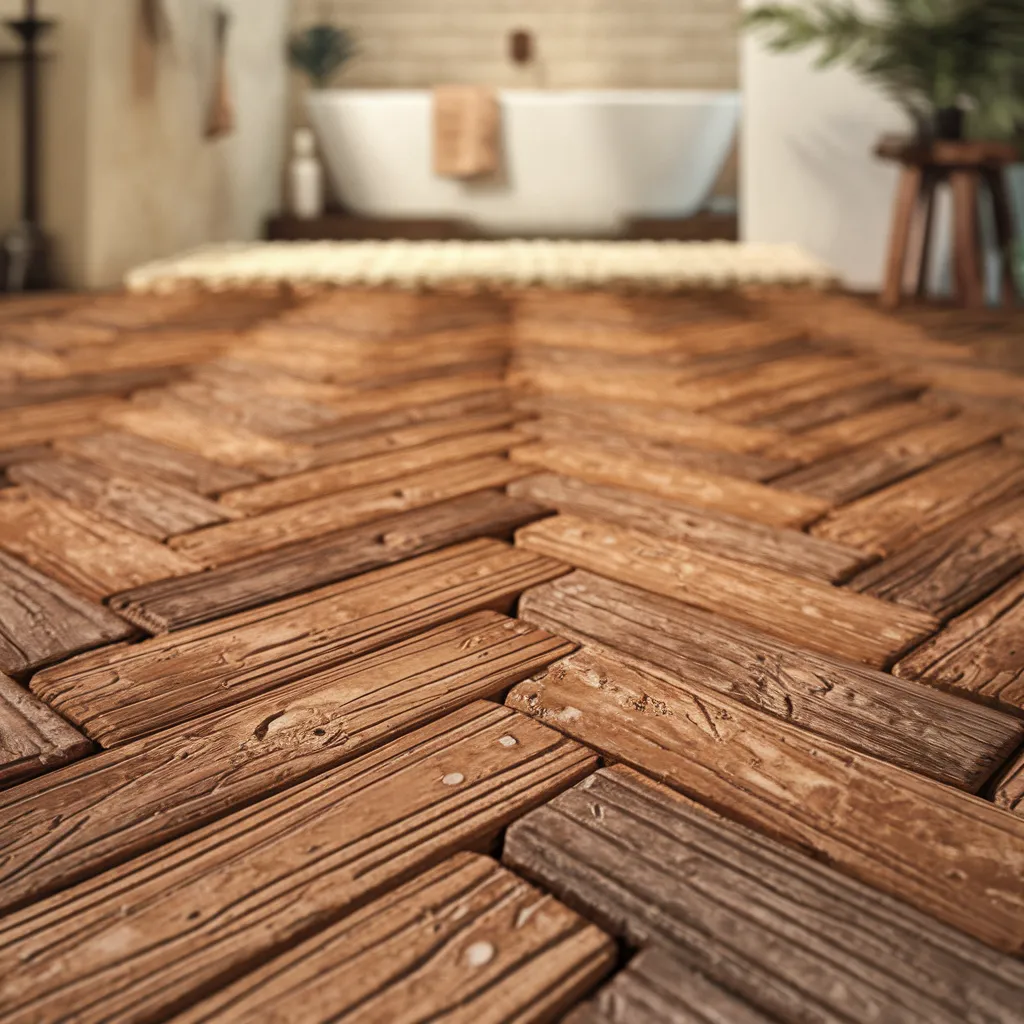
Beautifully aged wood floors stretch across the bathroom space, composed of reclaimed planks with rich tones and textures. The rustic yet refined flooring exudes warmth and character, featuring distinct grains, knots and imperfections that hint at the wood’s storied past. This rustic, industrial-inspired design seamlessly blends wood elements with an elegant freestanding bathtub in the background, creating a inviting, earthy ambiance. The varied shades of brown, from deep mahogany to sun-kissed honey, establish an enveloping color palette accented by the room’s crisp whites and lush greenery. The rough-hewn planks showcase the natural beauty and sustainability of reclaimed materials given new life in thoughtful interior design.
The Warmth Revolution: Why Bathrooms Feel Better Than Ever
Bathrooms are no longer sterile spaces designed purely for function; they’re becoming personal retreats that prioritize warmth and calm. Natural materials reflect this shift perfectly, moving away from the cold clinical aesthetic that dominated for decades. Cork flooring offers excellent insulation, ensuring minimal heat loss and a comfortable warm surface for barefoot mornings. It naturally resists imprints from heavy traffic and furniture. Reclaimed wood creates coziness through visible grain patterns and the narrative embedded in materials that have weathered over a century. Terrazzo’s subtle color variations evoke natural stone formations, grounding spaces in earth tones rather than sterile whites. The contemporary palette of warm neutrals—honeyed woods, mid-oak finishes, and muted browns—reinforces this sanctuary aesthetic, creating spaces that feel genuinely connected to nature. Designers call this “sophisticated warmth”—spaces that feel inviting rather than clinical. Bathrooms are increasingly seen as spa-like sanctuaries where people begin and end their days, and flooring plays a crucial role in establishing that atmosphere. Layering warm flooring with strategically positioned lighting amplifies this sanctuary effect, transforming bathrooms into genuinely inviting retreats. The cumulative warmth demonstrates how integrated design elevates the entire experience from functional to transformative.
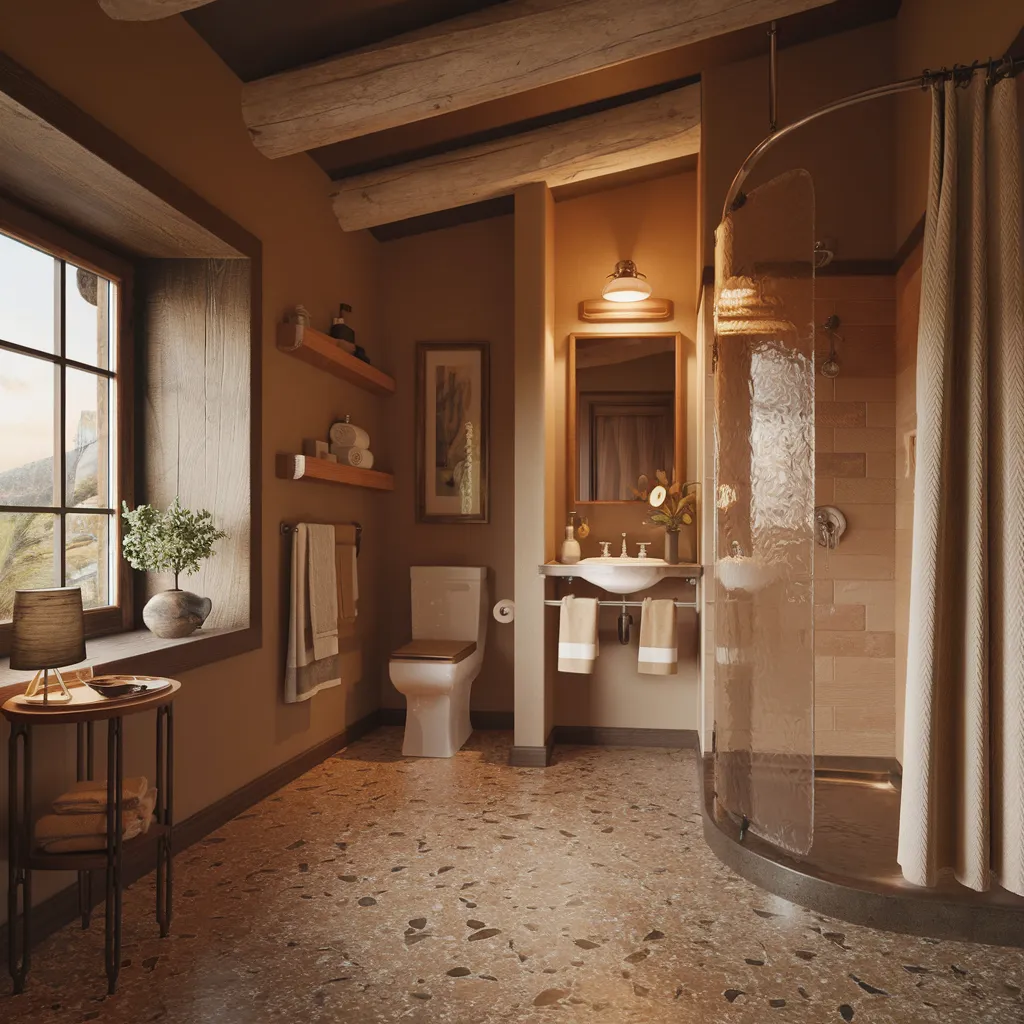
An earthy, rustic bathroom with warm tones creates a cozy, inviting ambiance. Wooden beams overhead and a stone-tiled floor in muted earth shades form the foundation. Sage green walls and natural wood cabinetry, accented by ceramic decor pieces in terracotta hues, harmonize beautifully. The walk-in shower features an etched glass panel with delicate floral patterns. Wrought iron lighting fixtures provide an artisan touch, while plush towels and a potted plant add pops of crisp white, softening the rich color palette. This harmonious blend of natural materials like wood, stone, and iron crafts a serene yet sophisticated spa-like retreat.
What Makes These Flooring Choices Actually Sustainable (And Worth the Investment)
True sustainability isn’t just about the material itself; it’s about durability, lifecycle, and responsible sourcing. Terrazzo lasts decades, cork regenerates naturally after harvest, and reclaimed wood removes existing waste while earning LEED recycled-content credits. Here’s the compelling math: flooring that doesn’t need replacement every five years reduces overall environmental impact far more than selecting a trendy “green” material requiring constant maintenance. Spending more upfront on durable, sustainable materials means fewer replacements, reduced waste, and lower lifetime environmental costs. **A note on health considerations:** The Asthma and Allergy Foundation of America recommends those with dust or particulate allergies choose smooth flooring like slate. The good news? Natural materials can be finished to accommodate these needs without sacrificing beauty. Advanced surface protection technologies now maintain natural aesthetics while offering enhanced durability and longevity—making these investments not just environmentally sound but economically sensible. This perspective reframes sustainability from a moral choice into a practical economic decision. The convergence of longevity, beauty, and sustainability represents green design’s evolution from fringe concept to mainstream renovation strategy. This investment mindset aligns with broader 2026 design trends celebrating quality craftsmanship—an industry-wide shift toward selecting fewer, better pieces and materials rather than constantly refreshing surfaces, creating interiors meant to improve with age.
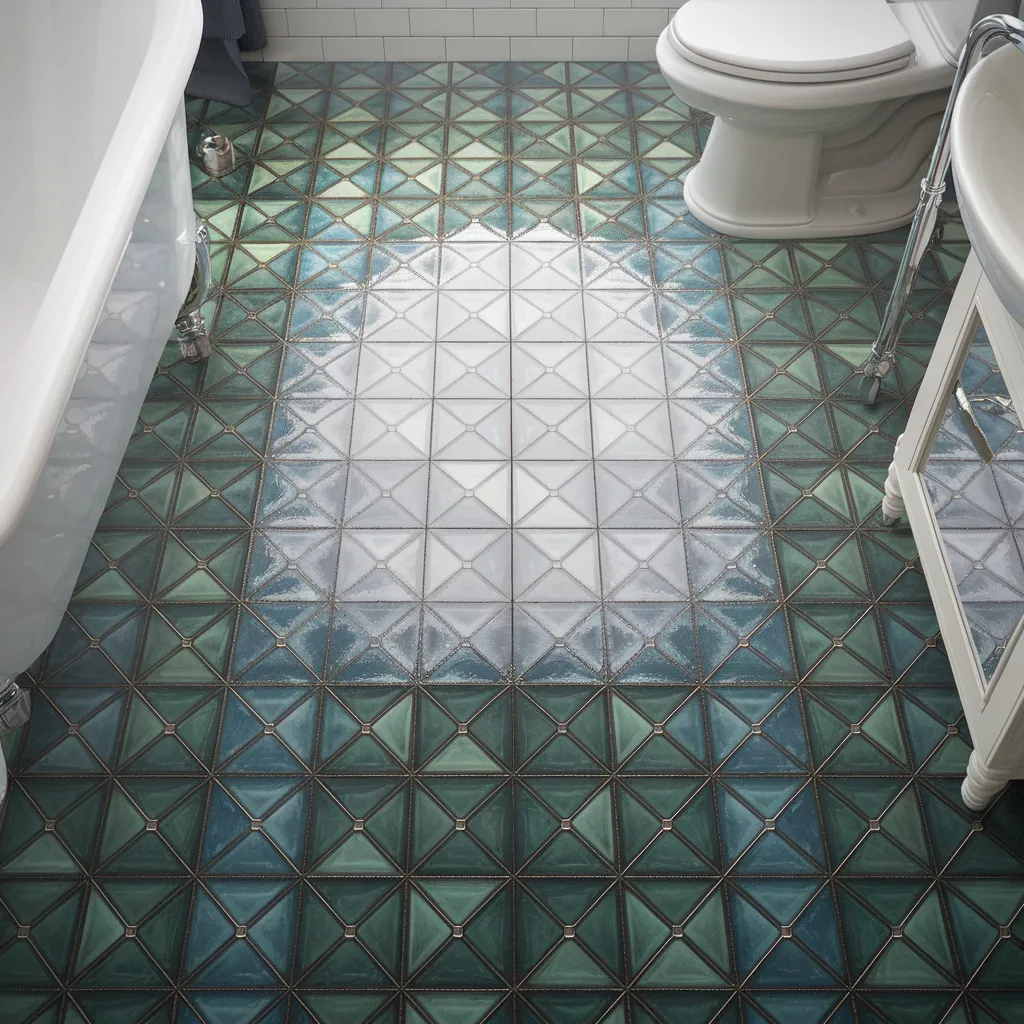
A patterned tiled floor covers the space, showcasing hues of aqua green and gray arranged in an intricate geometric design. The tiles create a striking diamond pattern, with lighter and darker shades interlocking to form a visually captivating motif. The material appears glossy and lustrous, reflecting light and adding depth to the room. A white porcelain toilet sits in the corner, contrasting with the vibrant floor while the gray wall tiles provide a neutral backdrop. The overall aesthetic exudes a fusion of contemporary styling with retro flair, achieved through the unique tile pattern and color palette. The durable and long-lasting nature of the tile material aligns with the sustainable and environmentally conscious approach discussed in the article, promising a resilient and timeless flooring solution.