
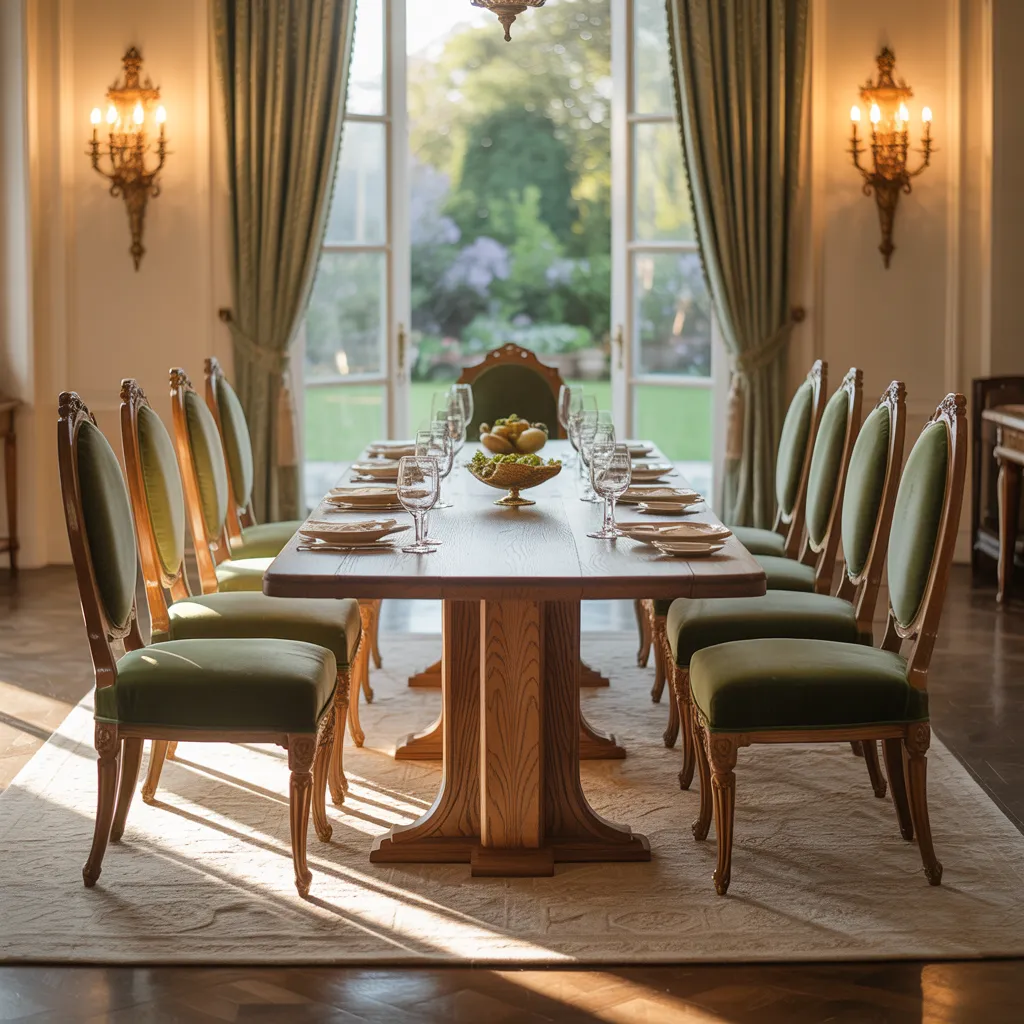
For decades, the dining room has occupied an awkward position in modern homes—treated as either a formal showpiece gathering dust or abandoned entirely in favor of casual kitchen eating.
But 2026 marks a pivotal turning point. Designers across the industry are witnessing a genuine resurgence of interest in dedicated dining spaces, yet this revival looks fundamentally different from what came before.
The contemporary dining room isn’t about rigid etiquette or impressing guests with pristine formality. Instead, it’s being reimagined as a lived-in gathering space where authenticity matters more than perfection.
Think comfortable seating where people linger over coffee, a table that shows the honest wear of actual meals shared, and an atmosphere that invites rather than intimidates.
This shift reflects how we actually want to live and connect. The new dining room is intentionally designed for lingering over meals, fostering genuine conversation, and creating memorable moments with loved ones.
It’s a space that feels both elegant and comfortably inviting—where carefully curated elements coexist with approachable warmth that genuinely encourages people to use the room.
Why Moody Colors and Warm Materials Are Replacing Minimalism
The reign of cold minimalism and sterile, sparse walls is officially over. Today’s dining rooms are enthusiastically embracing warm, moody color palettes paired with rich natural materials—particularly oak and walnut—that feel both grounded and sophisticated. This design philosophy represents a broader cultural shift away from overly curated aesthetics.
Rather than chasing polished perfection, homeowners are now seeking rooms that tell a story. Consider jewel tones like emerald and sapphire, layered textural fabrics such as velvet and boucé, and warm woods with natural imperfections. These elements combine to create substance and meaning—a visual and tactile experience that transforms dining into something worth lingering over.
What This Looks Like in Practice:
- Deep-toned accent walls paired with lighter trim
- Statement furniture pieces that anchor the room
- Mixed-finish surfaces that celebrate natural variation
- Layered textures that invite you to actually sit and stay
The key difference? These aren’t sterile showpieces. They’re designed spaces that feel genuinely lived in and intentional.
The Lighting Moment That Transforms Everything
Lighting in today’s dining rooms has evolved from a functional afterthought into the emotional anchor of the entire space.
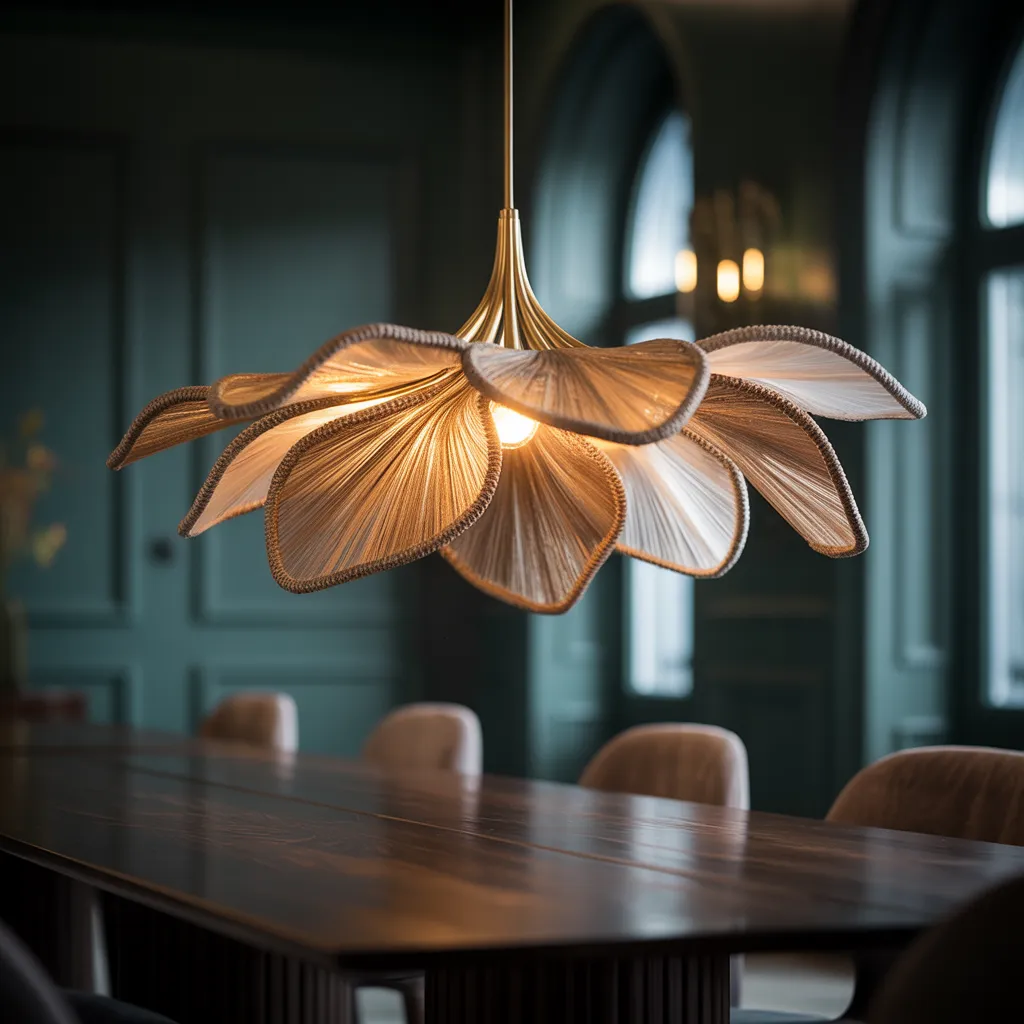
Strategic lighting sets the psychological mood—creating an entirely different experience for casual weeknight dinners versus intimate evenings with friends. Statement pendants and dimmed chandeliers do the heavy lifting here.
Oversized fixtures with organic, fluid forms create visual drama while maintaining the moody atmosphere essential to welcoming entertaining. Mixed-material fixtures—combining sculptural elements with natural finishes—add visual interest without disrupting the warm aesthetic.
Why Dimming Matters: When your dining room lighting includes dimming capabilities and layered illumination options, the space becomes truly flexible. Bright enough for family homework at the table on Tuesday, softly intimate for hosting dinner guests on Saturday. This adaptability is what transforms a dining room from a rarely-used formal space into a room your household actually gravitates toward.
The Design Mistake That’s Making Everyone Rethink Their Spaces
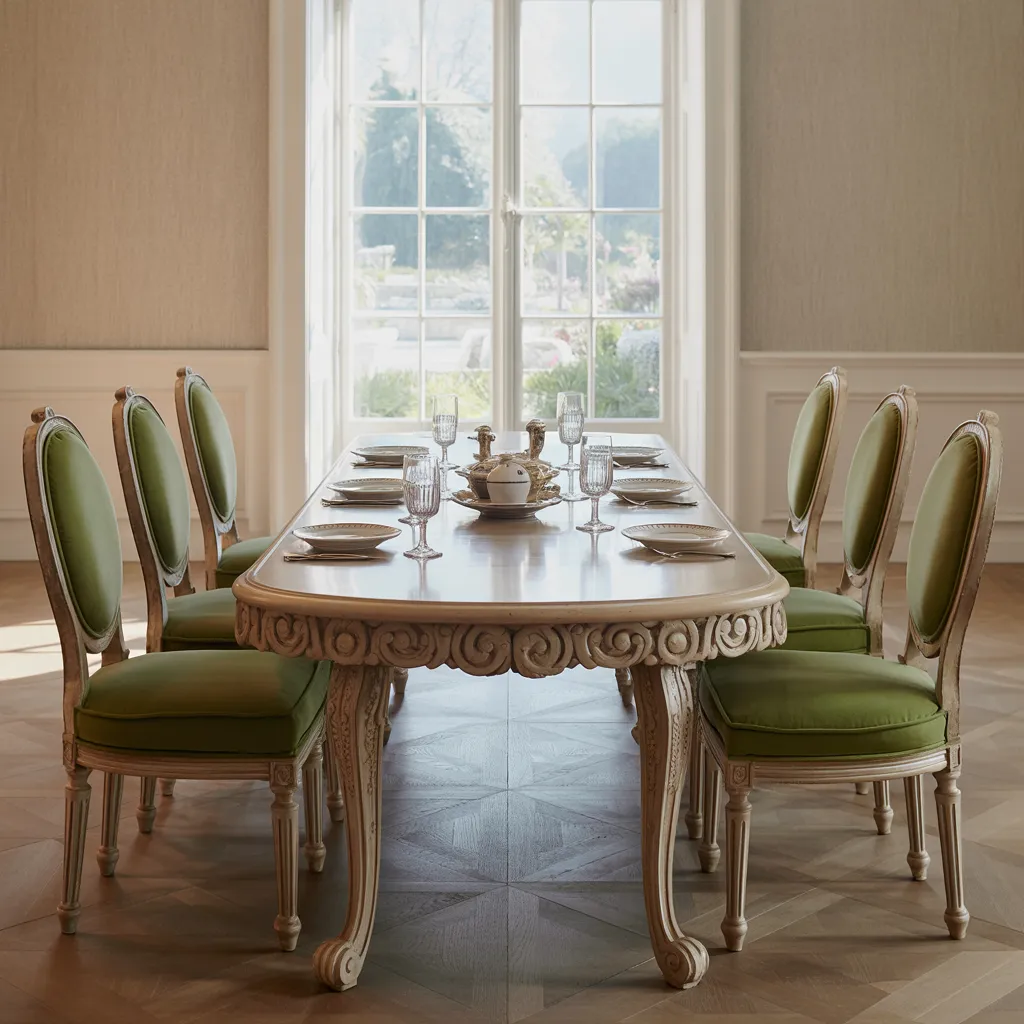
Overly formal, untouched dining rooms are officially outdated. Historically designed with large tables and formal chairs primarily for special occasions, this rigid approach has left many spaces severely underutilized.
The problem? Magazine-perfect dining rooms don’t serve how we actually live. Homeowners are experiencing a collective awakening: stiff, pristine spaces gather dust while messier, more authentic rooms become genuine gathering places. This recognition is pushing a fundamental rethink about what ‘proper’ dining rooms should look like.
The Honest Approach: Imperfectly styled tables, well-worn chairs, and unconventional color combinations aren’t design failures anymore—they’re honest reflections of real life.
A chair with visible patina tells more interesting stories than one fresh from the factory. Spilled wine that’s been wiped away but left a faint mark? That’s evidence of connection and laughter.
By abandoning the pretense of formal perfection and embracing bold, expressive design choices, 2026 dining rooms have become more beautiful precisely because they’re more honest and personally reflective of how you actually live.