
For nearly a decade, minimalism dominated bedroom design—crisp white walls, sparse furniture, and obsessive visual editing became synonymous with sophistication and calm. But here’s what we’re discovering in 2026: that sterile perfection wasn’t making us feel better. It was just making our bedrooms look like hotel rooms nobody really wanted to sleep in.
The shift happening now isn’t about swinging toward maximalism or piling on clutter. It’s something more thoughtful: designing bedrooms that actually reflect who you are. Interior design professionals now recognize that your bedroom serves as a profound reflection of your personality, values, and identity—not just a place to rest your head.
This evolution means bedrooms are becoming personal sanctuaries where color, pattern, and personality genuinely matter. When you make bold aesthetic decisions thoughtfully, you’re not creating chaos—you’re creating connection. The truth is simple: your intimate space should nourish your soul, not just check boxes on a trend list.
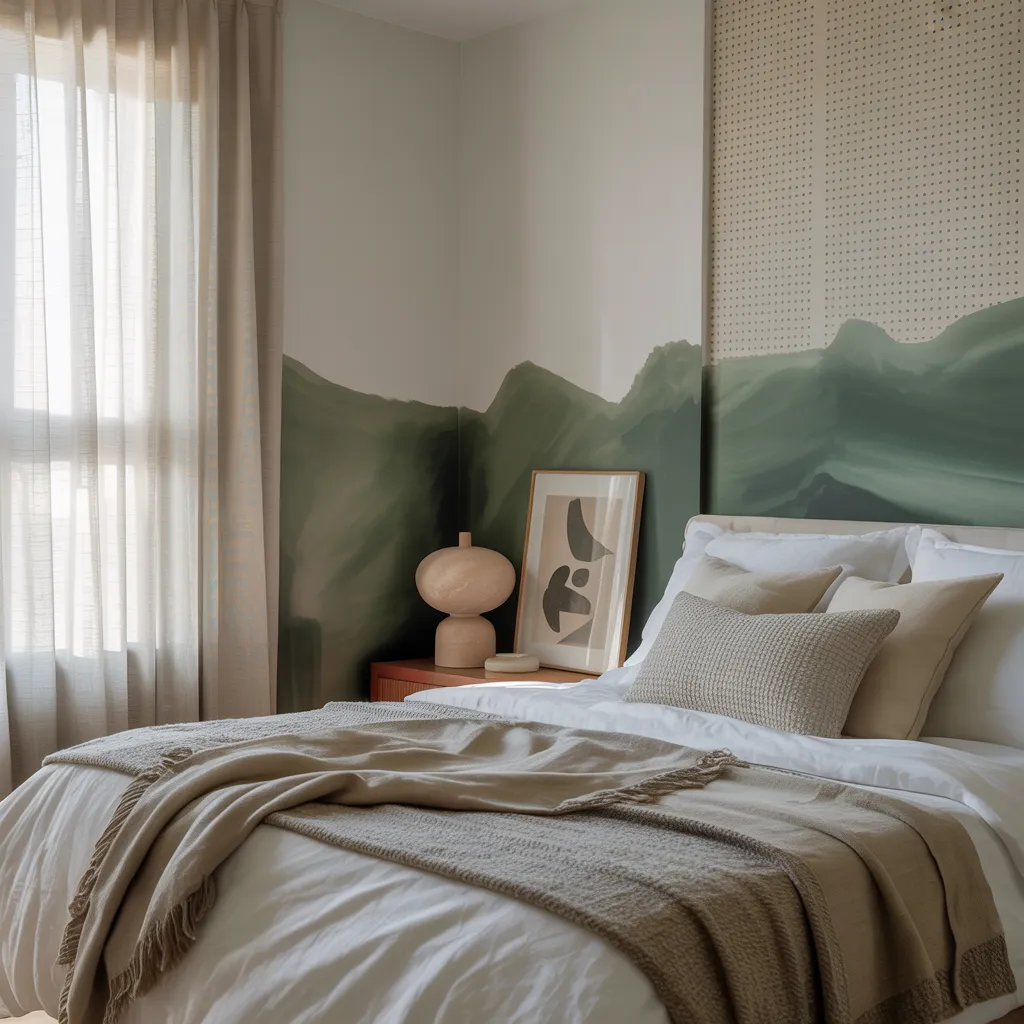
Airy and artful, this bedroom uses a hand-painted, mountain-like mural band to bring a soft landscape gesture into the space. Neutral bedding, tactile throws, and leaning artwork keep it relaxed and modern, with a playful, design-forward twist.
Color Drenching and Wrap-Around Headboards: Two Game-Changing Techniques
The most striking bedroom trend involves “color drenching”—enveloping entire walls in rich, saturated hues to create an immersive, cocoon-like environment. Rather than tossing color at accent walls, designers are treating the entire room as a color statement using deep jewel tones, warm terracottas, and sophisticated earth pigments.
Here’s the key: color psychology is real. Soft off-white, light blue, beige, muted taupe, soft charcoal, warm clays, and sage green create genuinely calming environments when applied thoughtfully—avoiding overstimulation through intentionality rather than restraint.
Pair this with wrap-around headboards, which function as architectural anchors. These expansive installations extend beyond traditional headboard dimensions, creating depth while anchoring your bedroom’s entire composition. The magic? They deliver both visual drama and psychological comfort, making your room feel like a contained sanctuary rather than an exposed space. You get sophisticated depth without extensive renovations.
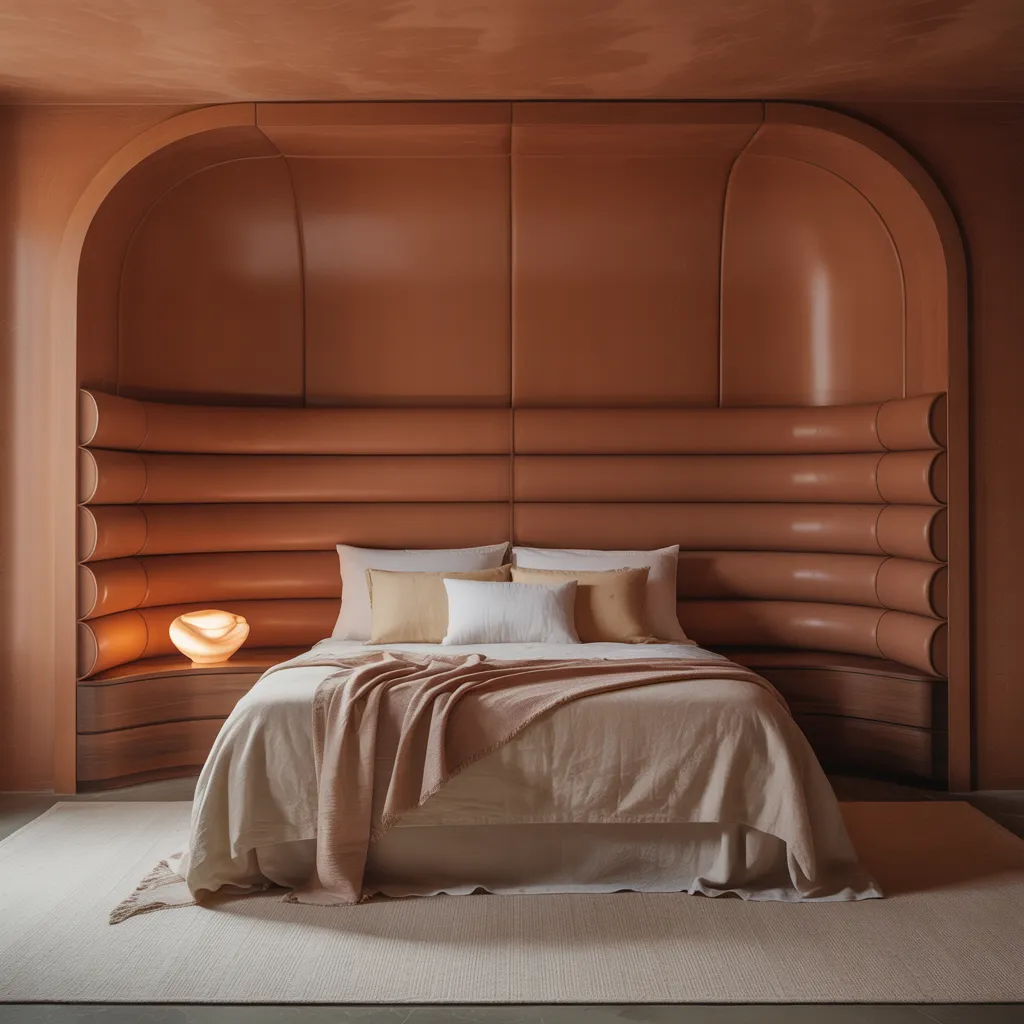
Retro-futuristic and cocooning, the arched, padded alcove wraps the bed in a terracotta-toned embrace that feels straight out of a ’70s design dream. Minimal linens and a single glowing lamp keep the drama focused on the sculptural architecture.
Reimagining Your Bedroom Beyond Sleep: Creating Multi-Functional Spaces That Actually Work
Here’s a cultural shift worth acknowledging: bedrooms have evolved from sleeping-only zones into spaces where people work, read, relax, and contemplate. Modern life demands flexibility, and your bedroom design should honor that reality.
Designers are orchestrating multi-purpose layouts by integrating bespoke beds with floating tables, positioning lounging chairs strategically near windows, and using thoughtful room dividers to create distinct zones.
Consider these practical approaches:
- Floating tables attached to headboards eliminate traditional nightstands while creating streamlined visual flow
- Bespoke beds designed to your specifications ensure functionality matches aesthetic vision
- Lounging chairs in corners become inviting reading nooks
- Room dividers create psychological compartments that prevent bedroom blur with work zones
The shift here matters: designers are increasingly moving away from fast furniture toward quality pieces you actually use. Authentic, sustainable spaces demand intentional curation over impulse acquisitions.
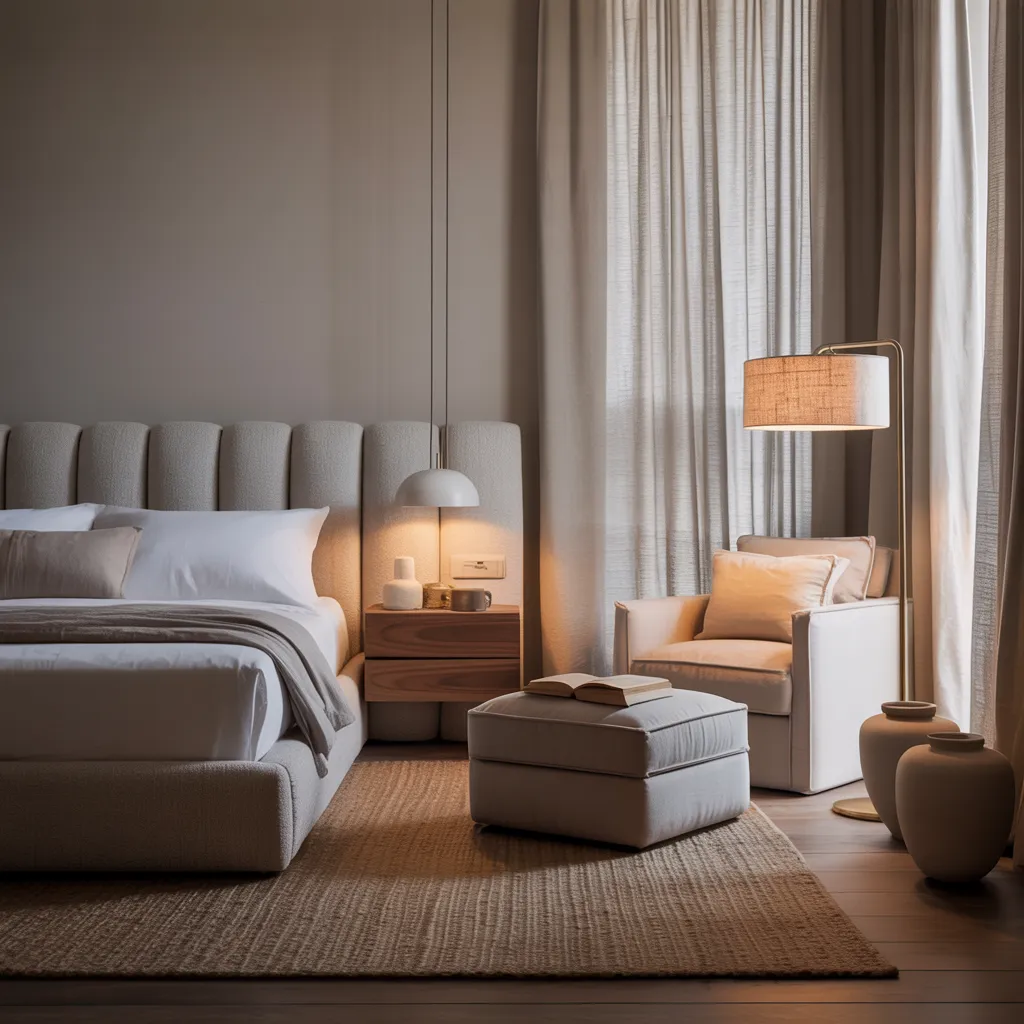
Hotel-polished and soothing, the palette stays in warm greys and creams with plush upholstery and layered textiles. A reading nook, soft drapery, and mixed lighting (pendant, table, and floor lamp) make it feel calm, curated, and deeply comfortable.
Lighting That Works Invisibly: Creating Instant Calm Through Illumination Design
If color and furniture establish your bedroom’s foundation, lighting is its invisible architecture. The 2026 approach prioritizes quiet, diffused illumination over bright functionality.
Consider how light actually affects you: harsh, bright light triggers alertness; soft, diffused illumination activates your parasympathetic nervous system and genuine relaxation. Sophisticated designers leverage this science by using frosted glass screens to scatter light diffusely, alabaster finishes to warm tone, and sculptural installations that make fixtures themselves aesthetic contributions.
The most effective 2026 bedrooms use layered lighting schemes:
- Ambient headboard lighting for general illumination
- Localized task lighting for reading
- Accent installations for evening atmosphere
Integrated headboard lighting provides targeted illumination without visual intrusion. The result? Lighting that transforms mood instantaneously—sometimes the most impactful design decisions operate almost invisibly.
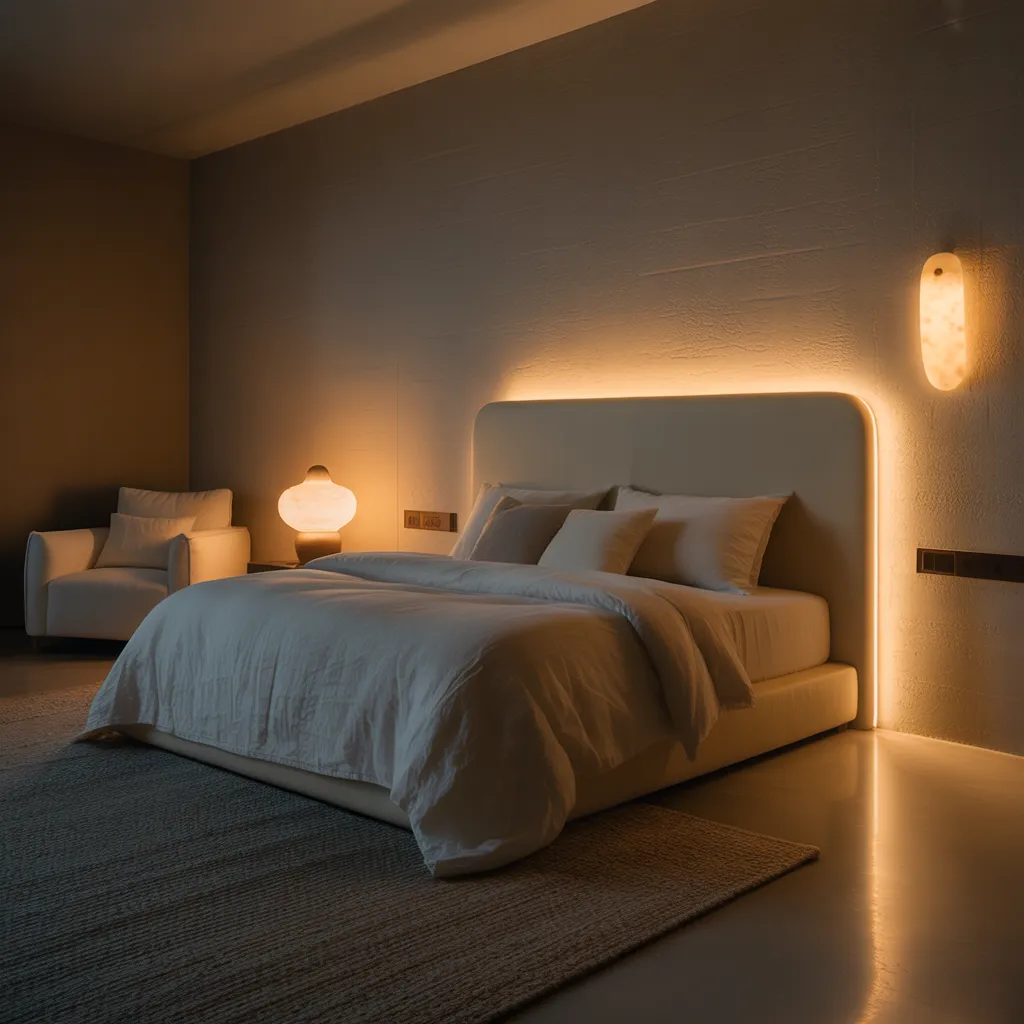
This room leans into low, amber lighting with a softly glowing headboard that outlines the bed like a halo. Sculptural lamps and pared-back furnishings give it a serene, gallery-like minimalism with a cozy nighttime hush.
Lacquered Finishes and Subtle Patterns: Refined Details That Separate Memorable from Ordinary
While bold colors and architectural elements establish presence, sophisticated finishes and refined patterns provide the complexity that elevates a bedroom from nice to genuinely memorable.
Lacquered finishes introduce unexpected glamour through sleek, reflective surfaces on furniture, accent walls, or architectural details. These polished surfaces catch light subtly, adding dimension and contemporary refinement without overwhelming your senses.
Sophisticated patterns deserve equal consideration. Rather than chaotic prints, thoughtful 2026 bedrooms favor quiet, intricate patterns—geometric motifs, botanical details, or abstract compositions in tonal variations. These patterns reward observation; the longer you look, the more detail emerges.
Designers demonstrate how lacquered finishes paired with subtle patterning create interplay between glamour and calm. A lacquered headboard in jewel tones paired with tonal patterned wallpaper creates sophisticated depth. The result prevents your bedroom from feeling either sterile or chaotic. True luxury emerges from refinement, attention to detail, and restraint applied intentionally.
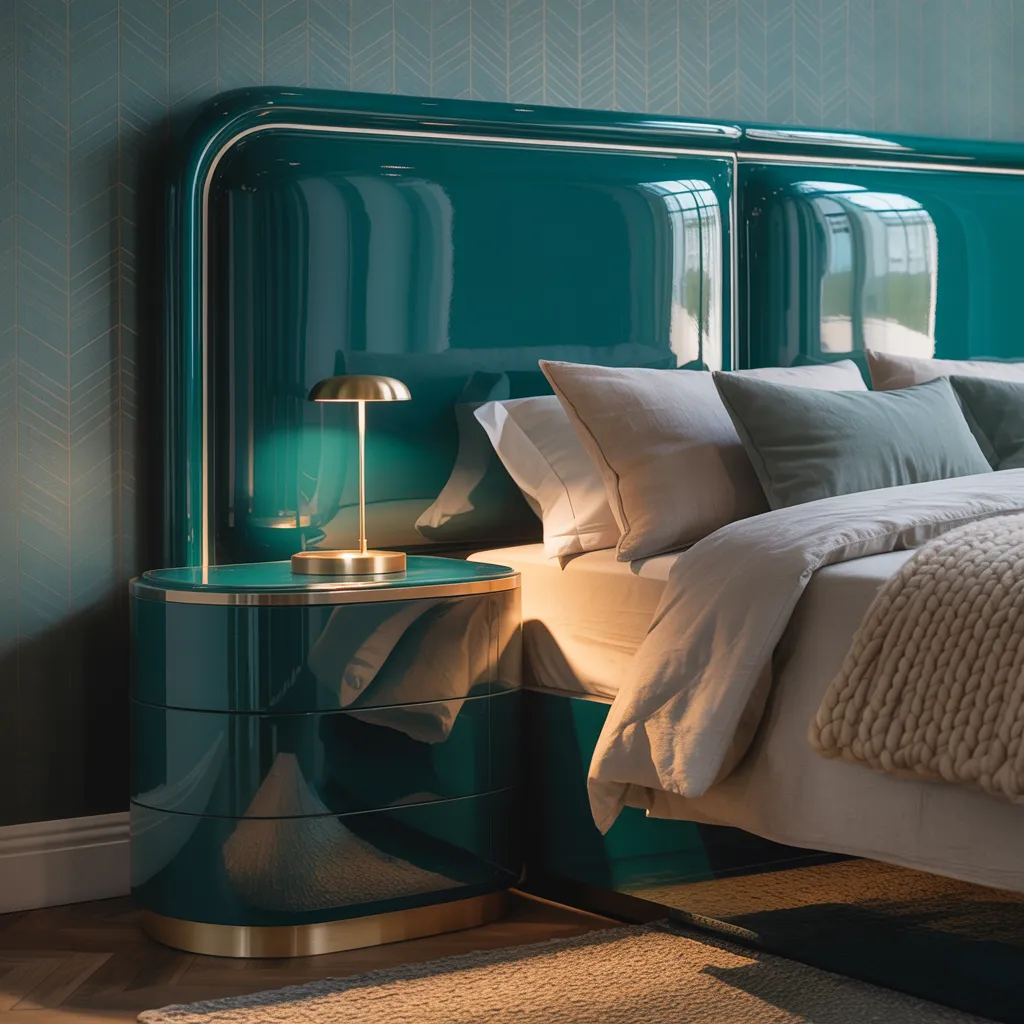
A glossy teal headboard and matching nightstand create a bold, lacquered statement that feels equal parts art-deco and modern luxury. Brass lighting and crisp neutrals sharpen the look, while the reflective surfaces add depth and a hint of glamour.
Your Bedroom as Personal Sanctuary: Why Design Choices Matter for Your Well-Being
Here’s what’s fundamentally changed: your bedroom isn’t merely functional anymore. It’s recognized as essential infrastructure for mental health, emotional well-being, and psychological restoration.
Neuroscientists and psychologists have long understood what we’re finally designing for: our physical environments profoundly influence our neurological function, stress response, and daily well-being. By embracing bold colors, thoughtful spatial layouts, and intentional lighting, you’re not simply refreshing aesthetics—you’re actively reclaiming your most intimate space.
Every design choice becomes a statement about what you value, what soothes your nervous system, and how you want to experience your most vulnerable hours. This transforms bedroom design from superficial styling into meaningful self-care.
The practical takeaway: prioritize quality, functionality, and personal curation over trendy but fleeting acquisitions. Your bedroom should feel like a sanctuary precisely because it is one—a space where you genuinely want to exist, designed by someone who knows you best: yourself.
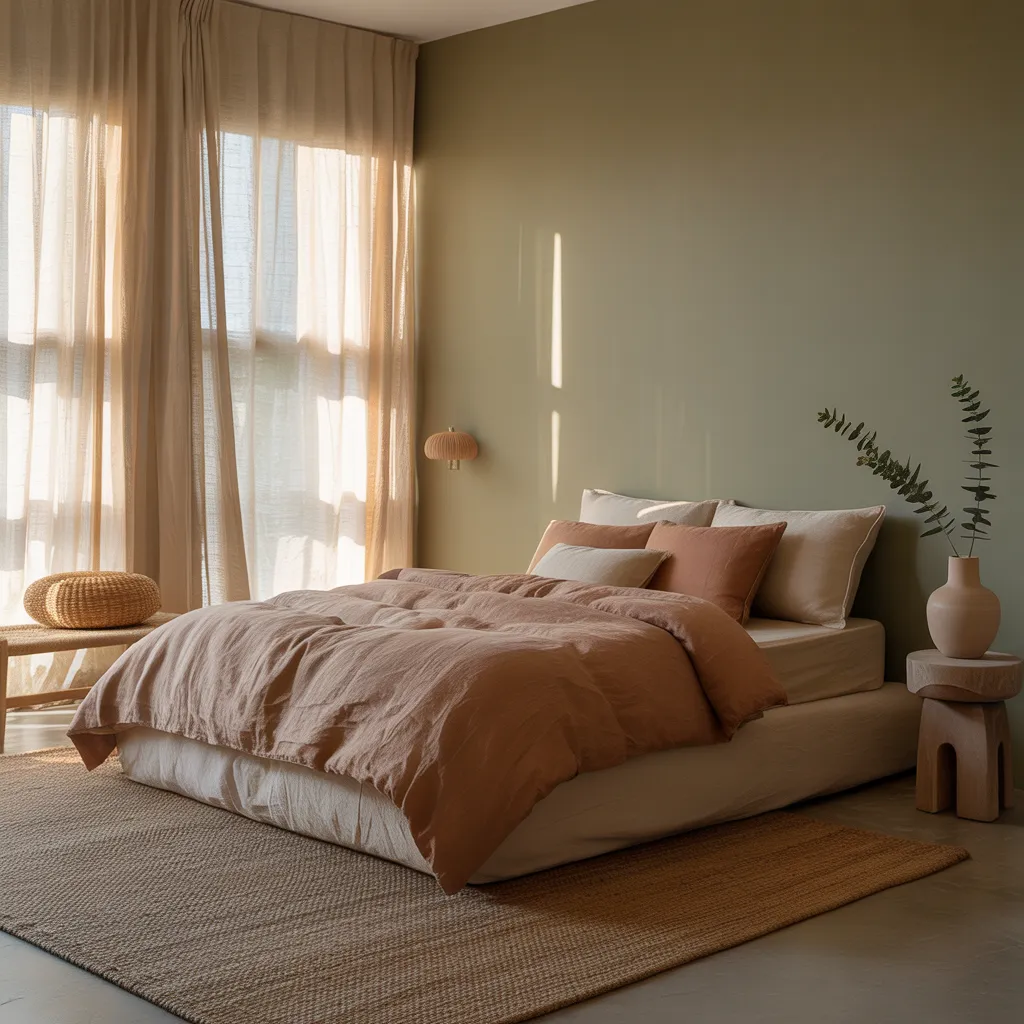
Sun-washed and quietly earthy, this bedroom pairs a sage-green wall with gauzy linen curtains and soft terracotta bedding for a calm, grounded feel. Natural textures—woven rug, rattan accents, and sculptural ceramics—keep the space warm, minimal, and effortlessly lived-in.