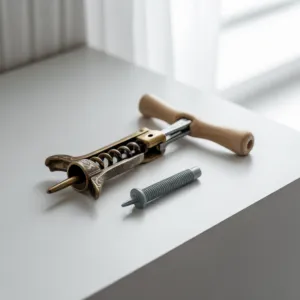
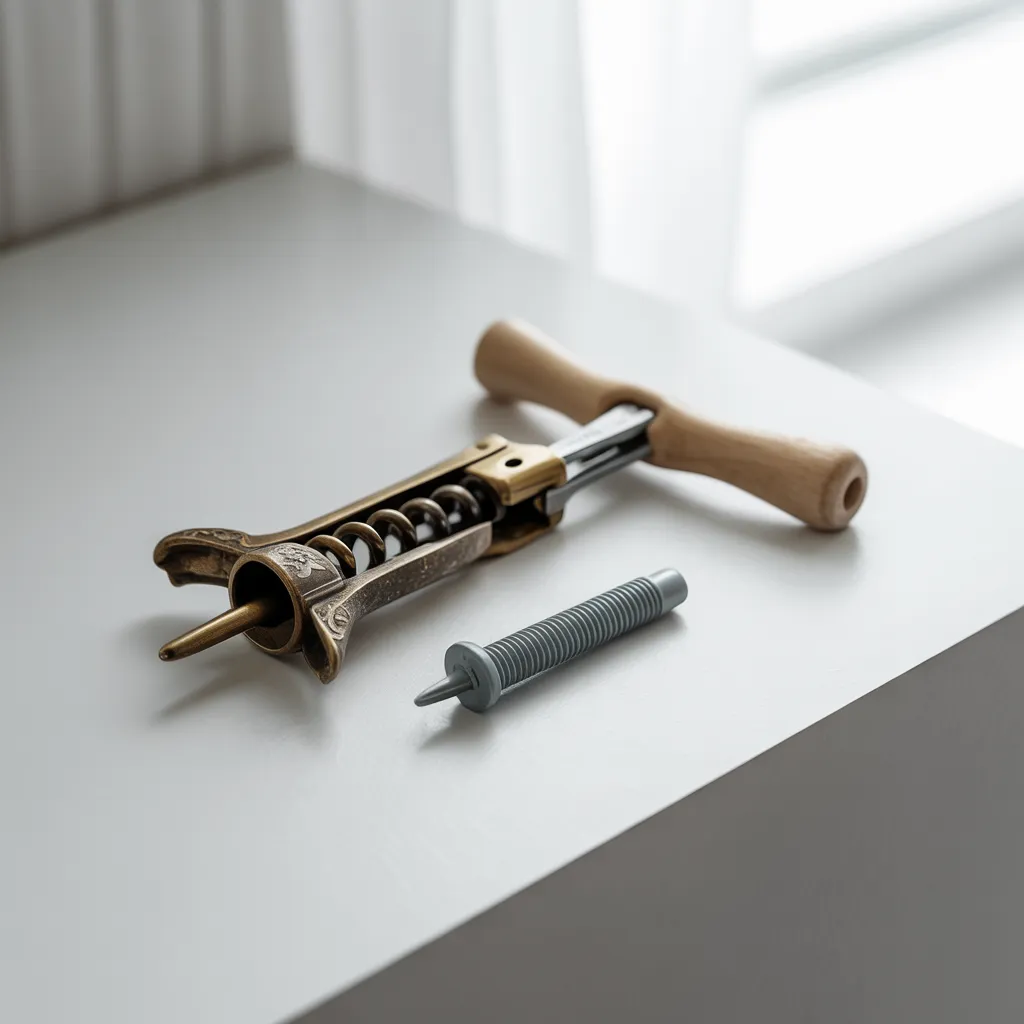
Have you ever struggled to remove those stubborn plastic wall anchors left behind after taking down shelves or TV mounts? A clever DIY hack involving an everyday household item has gone viral, offering a simple solution to this common frustration.
The Corkscrew Trick That Went Viral
There’s a reason this simple trick went viral: it actually works. A wine corkscrew can remove stubborn plastic drywall anchors in seconds—those tiny wall fasteners that seem permanently welded behind your shelves, TVs, and artwork. What used to require serious elbow grease (or a demolition mindset) now takes about five seconds and minimal frustration. The beauty of this hack is its simplicity. You likely already have a corkscrew in a kitchen drawer, and the method requires zero special equipment or technical skills. Homeowners and renters alike have discovered that this everyday tool solves what traditional removal methods can’t—a perfect example of how sometimes the best solutions are hiding in plain sight.
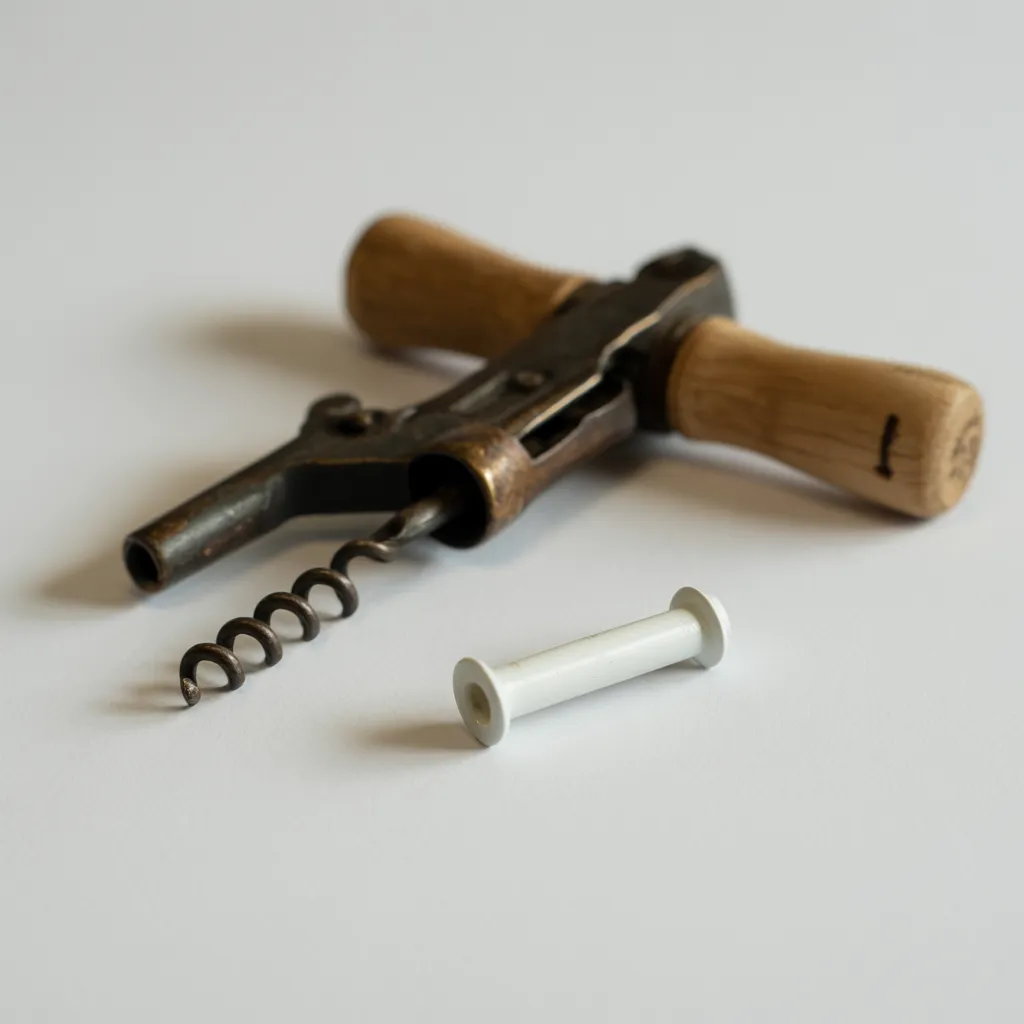
A rustic wine corkscrew and a pair of drywall anchors lay on a plain surface, revealing an unexpected DIY home improvement hack. The corkscrew’s wooden handle and metal spiral shaft contrast with the smooth white plastic of the drywall anchors, showcasing the ingenious repurposing of everyday household items. The muted color palette and simple composition highlight the ordinary materials, yet hint at their newfound practical application. This image epitomizes the resourcefulness and creativity of the DIY community, where necessity sparks innovative solutions using the most ordinary objects, transcending their intended purposes with clever adaptations that simplify mundane tasks.
Why the Corkscrew Works: It’s All About the Design
Here’s what makes a corkscrew so effective: that spiral mechanism was engineered to grip cork with precision, and it works the exact same way on plastic anchors. When you insert the corkscrew tip into the anchor’s center and twist a few times, the threads bite into the plastic and create a firm grip. The handle then gives you leverage—your pulling force gets amplified, so even if you’re not particularly strong, the anchor comes out. Compare this to pliers or screwdrivers: they rely on crushing or sliding against the anchor, which causes damage or slipping. The corkscrew’s conical spiral creates mechanical advantage that’s hard to beat. It’s a reminder that understanding how a tool is designed for its original purpose often reveals unexpected applications.
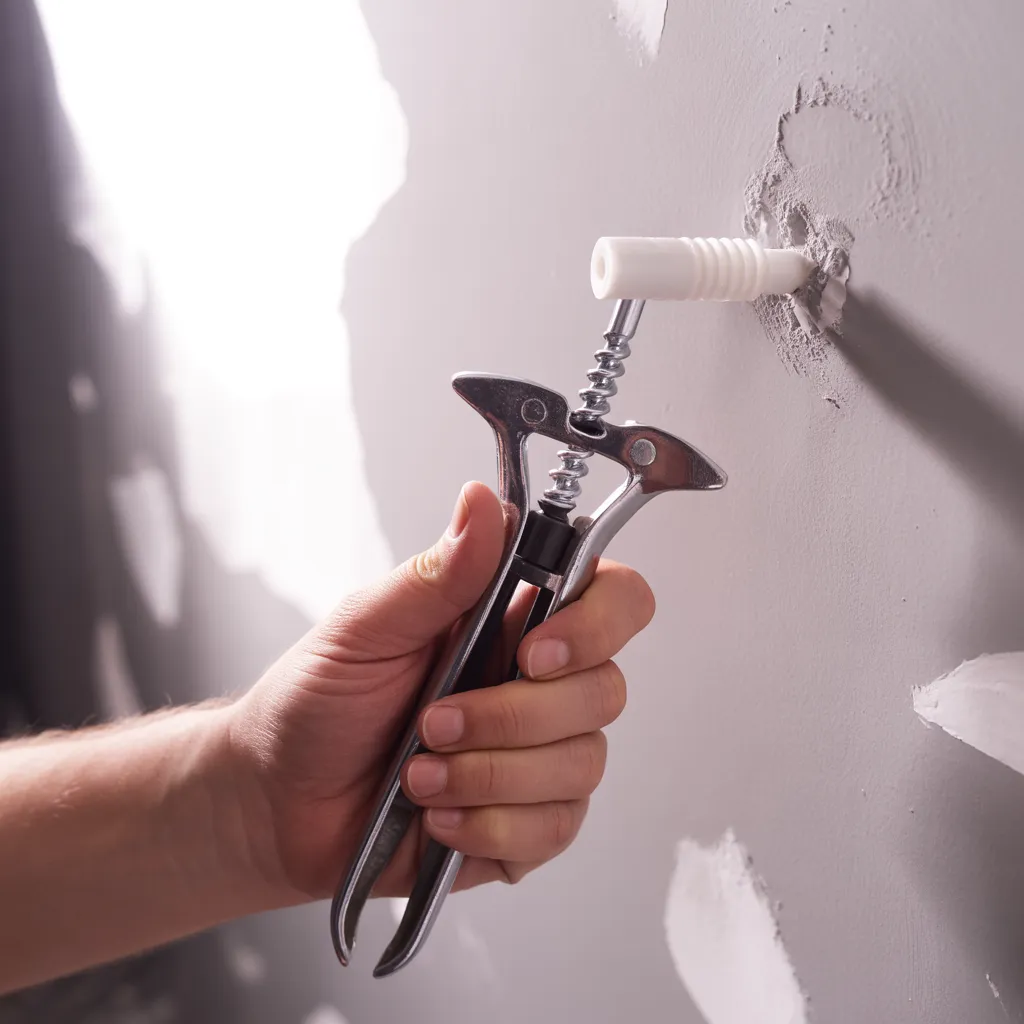
A hand grasps a corkscrew-like tool, the metal spiral piercing into the center of a plastic drywall anchor embedded in a white wall’s rough surface. The corkscrew’s wooden handles curve elegantly, hinting at traditional craftsmanship blended with modern functionality. This simple yet ingenious solution allows for effortless removal of stubborn drywall anchors, leaving clean holes ready for repair. The muted color palette of weathered whites, grays and browns exudes an understated industrial aesthetic, celebrating the beauty in practical, well-designed tools. The interplay of textures – smooth wood, polished metal, rough concrete – adds tactile depth to this seemingly ordinary scene capturing an inventive home repair hack.
Not All Anchors Are Created Equal: Identifying Your Anchor Type
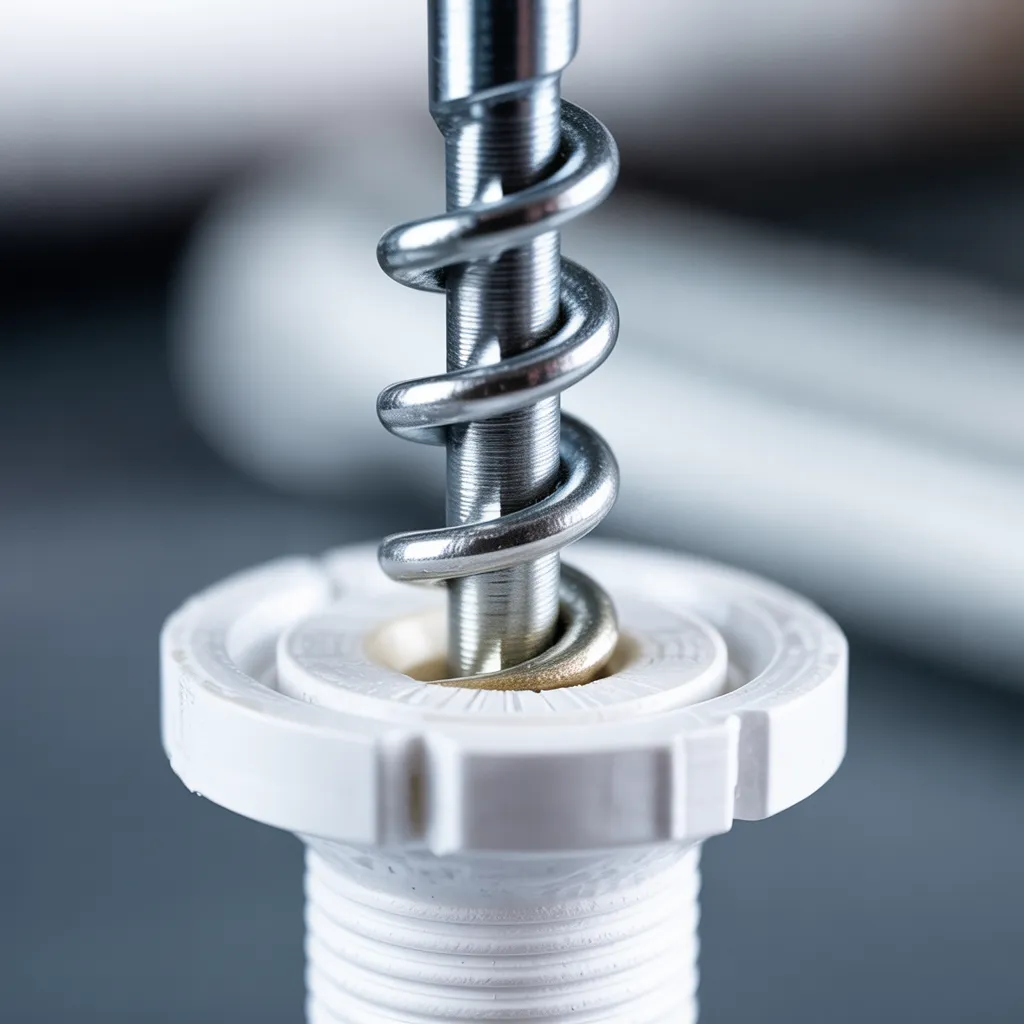
A tightly coiled metal corkscrew plunges into a ribbed plastic wall anchor, its spiraled tip gripping the interior firmly. The corkscrew’s industrial steel body contrasts starkly against the simple white anchor base. This utilitarian image showcases an ingenious household hack for removing stubborn wall anchors from drywall effortlessly. The sharpened corkscrew winds into the hollow anchor cavity, latching securely to extract it cleanly without damaging the surrounding surface. A practical, no-frills solution captured in monochrome tones of silver and white, simplicity embodied.
When the Corkscrew Doesn’t Work: Your Alternative Options
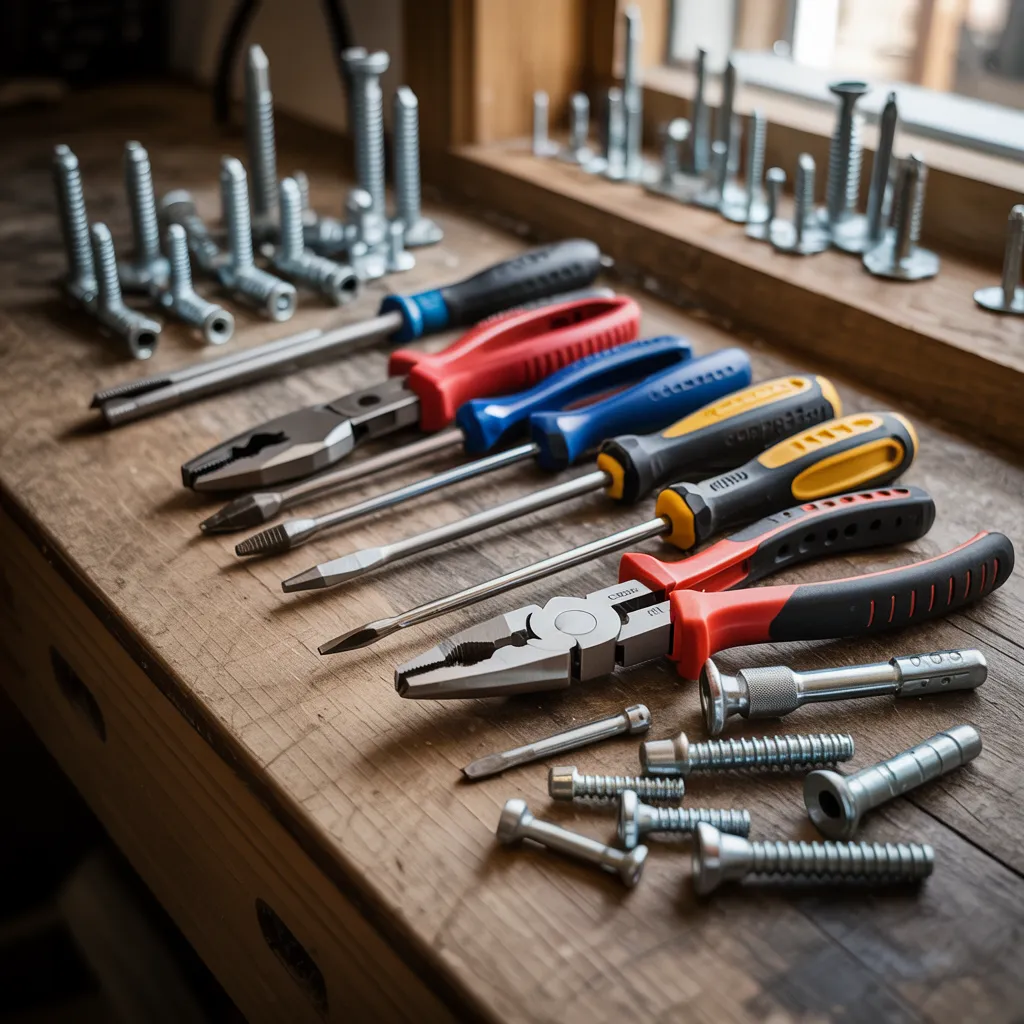
Various hand tools and construction hardware scattered on a rustic wooden surface, reflecting an industrial workbench aesthetic. Prominently featured are several screwdrivers with distinct colored rubber grips, pliers with wire cutter jaws, and metal anchors alongside matching screws – essential tools for any home repair or assembly project. The muted color palette of grays, blacks, and blues creates a understated, utilitarian vibe, allowing the textures of the weathered wood and metallic finishes to take center stage. This straightforward, no-frills arrangement exudes a sense of practical functionality, embodying the spirit of hands-on craftsmanship and meticulous workmanship.
Getting Professional Results: Clean Removal Leads to Flawless Repairs