
In the pursuit of an orderly and visually appealing home, many well-intentioned individuals find themselves trapped in a cycle of decluttering and reorganizing, only to witness their efforts unravel over time. Delve into the often-overlooked missteps that can undermine even the most meticulous organizational endeavors, offering insights to help you strike a harmonious balance between beauty and functionality.
The Decluttering Dilemma: Why Organizing Clutter Misses the Mark
Embarking on an organizing journey without first addressing the root cause – excess possessions – is akin to rearranging deck chairs on the Titanic. Attempting to organize clutter is a futile exercise that merely creates a temporary illusion of order. True organization begins with a ruthless decluttering process, where you part ways with items that no longer serve a purpose or bring joy. Only then can you create functional storage systems tailored to the items you genuinely need and cherish. Skipping this crucial step often leads to a cycle of disarray, as the clutter inevitably resurfaces, undoing your hard work.
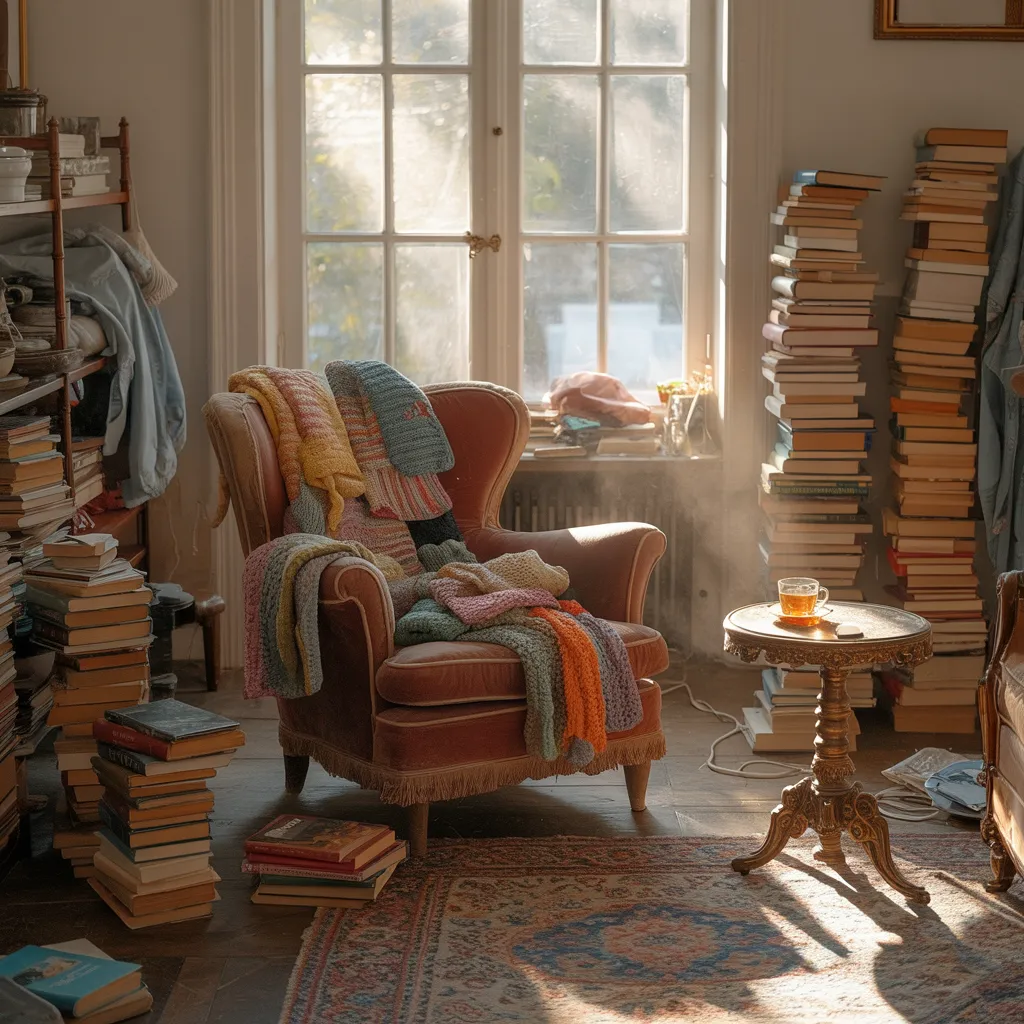
An overstuffed vintage leather armchair sits basking in warm sunlight from the large windows, draped in cozy knitted blankets in earthy shades of terracotta, mustard, and sage green. Towering stacks of well-loved books line the room, scattered across the floor and piled on nearby shelves. The space exudes a cozy, lived-in bohemian ambiance, with an eclectic mix of textures and materials – worn leather, nubby woven textiles, and aged hardwood floors adorned with a faded Oriental-style area rug. Tea and honey await on a vintage carved wood side table, inviting a tranquil respite amid the bookish chaos.
Decanting Delusions: When Aesthetic Pursuits Breed Disarray
The allure of decanting pantry staples into matching glass jars or transferring household items into uniform containers can be irresistible. However, this aesthetic pursuit often backfires, breeding disarray instead of order. Decanting can create unnecessary waste, with leftover packaging adding to the clutter. Additionally, tracking expiration dates and quantities becomes a challenge, leading to potential waste and inefficiency. While visually appealing, decanting should be approached with caution, reserving it for instances where it truly enhances functionality and organization.
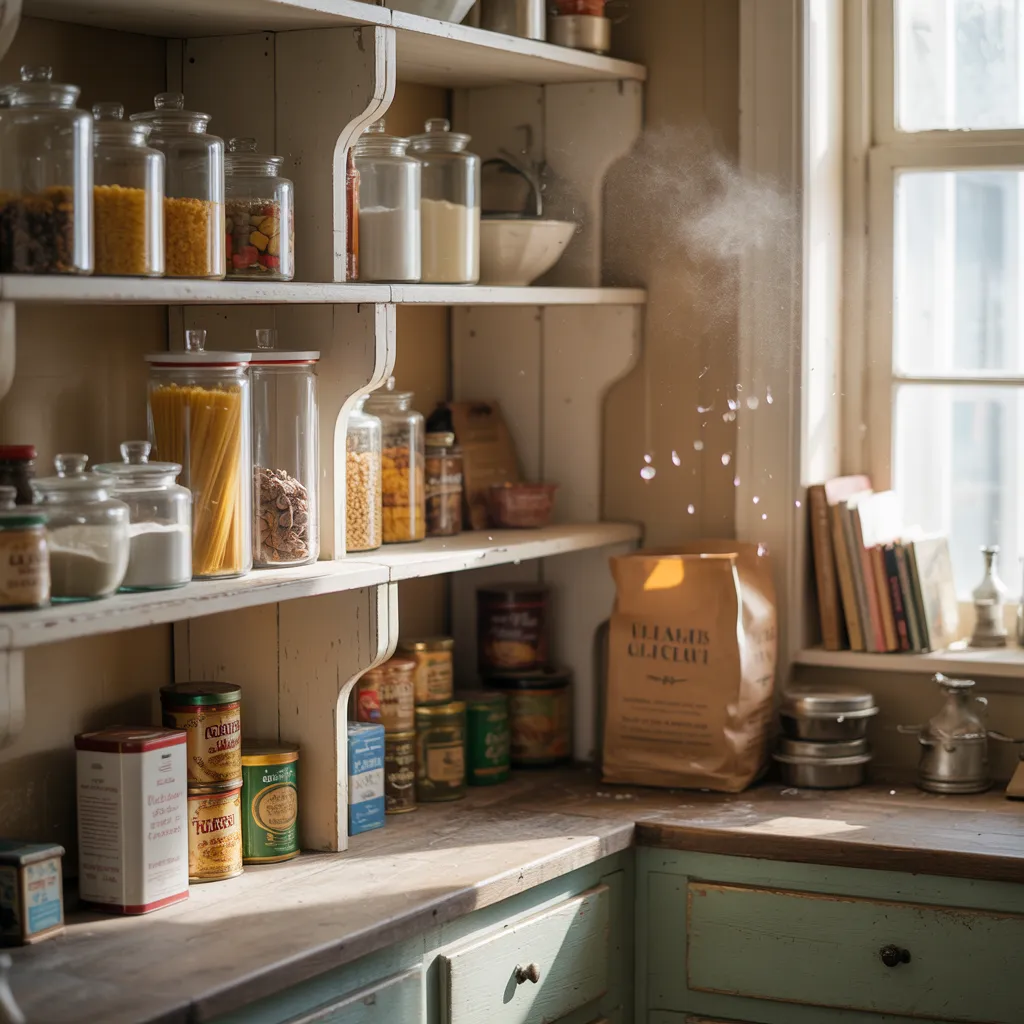
Neat rows of glass jars line rustic wooden shelves, filled with an array of pantry staples – pastas, grains, legumes, and baking essentials. A cozy bohemian ambiance radiates from the weathered cabinets and aged hardwood floors, complemented by the warm terracotta hues and organic textures throughout. Glass, wood, and ceramics harmonize, creating a homely yet orderly display. Subtle pops of green from canned goods and antique book spines inject vibrant accents into the muted, earthy palette. The overall vignette exudes a charming rustic character, elevated by thoughtful curation and organization.
Label Limbo: Finding the Sweet Spot Between Precision and Practicality
Labeling can be a powerful tool in establishing new organizational systems, but there’s a fine line between helpful and excessive. Over-specific labels can become restrictive, hindering the natural flow of everyday life. While permanent storage solutions benefit from clear labeling, attempting to label every item or container can quickly devolve into an exercise in futility. The key lies in striking a balance – label broad categories or zones, but leave room for flexibility within those boundaries. This approach allows for adaptability as your needs and habits evolve, preventing your organizational efforts from becoming a rigid, unworkable construct.
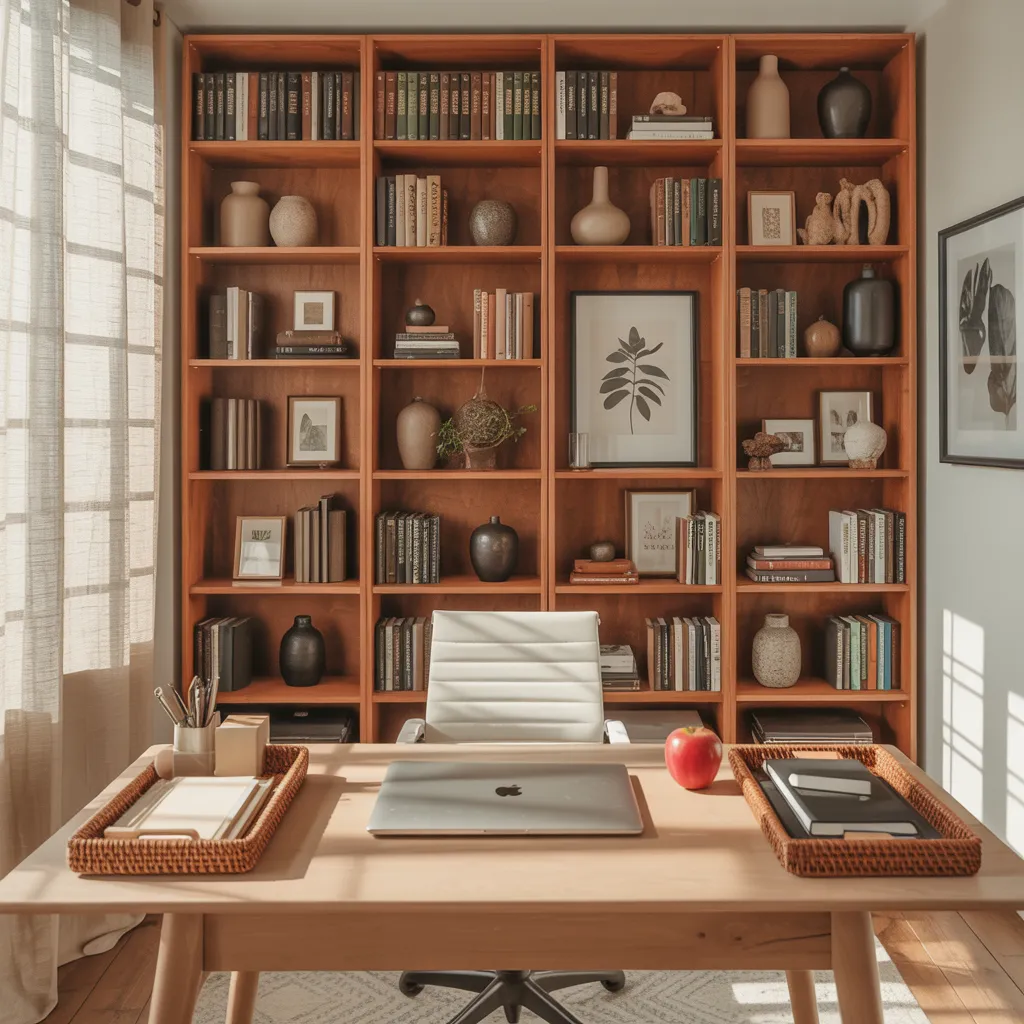
A neatly organized home office setup featuring a large wooden bookshelf housing an extensive collection of books, decorative objects, and framed artwork. At the center, a sleek wooden desk holds a laptop, apple, pens neatly arranged in labeled trays, along with notepads and paperclips. The contemporary minimalist design relies on warm wood tones, crisp white accents, and a muted, earthy color palette for a calming yet focused work environment. Natural materials like wood, ceramic, and linen textures create an inviting, stylish workspace.
Open Shelving Secrets: Striking a Balance Between Beauty and Functionality
Open shelving has become a popular design trend, offering a visually appealing way to showcase curated collections or decorative items. However, when used for everyday essentials like dishes, mugs, and cooking utensils, these open displays quickly become unsightly and cluttered. The key to maintaining an organized and aesthetically pleasing space lies in reserving open shelving for decorative items or those used infrequently, while opting for closed cabinetry or drawers for frequently accessed items. This balance ensures that the beauty of open shelving is preserved while maintaining a functional, clutter-free environment for daily living.
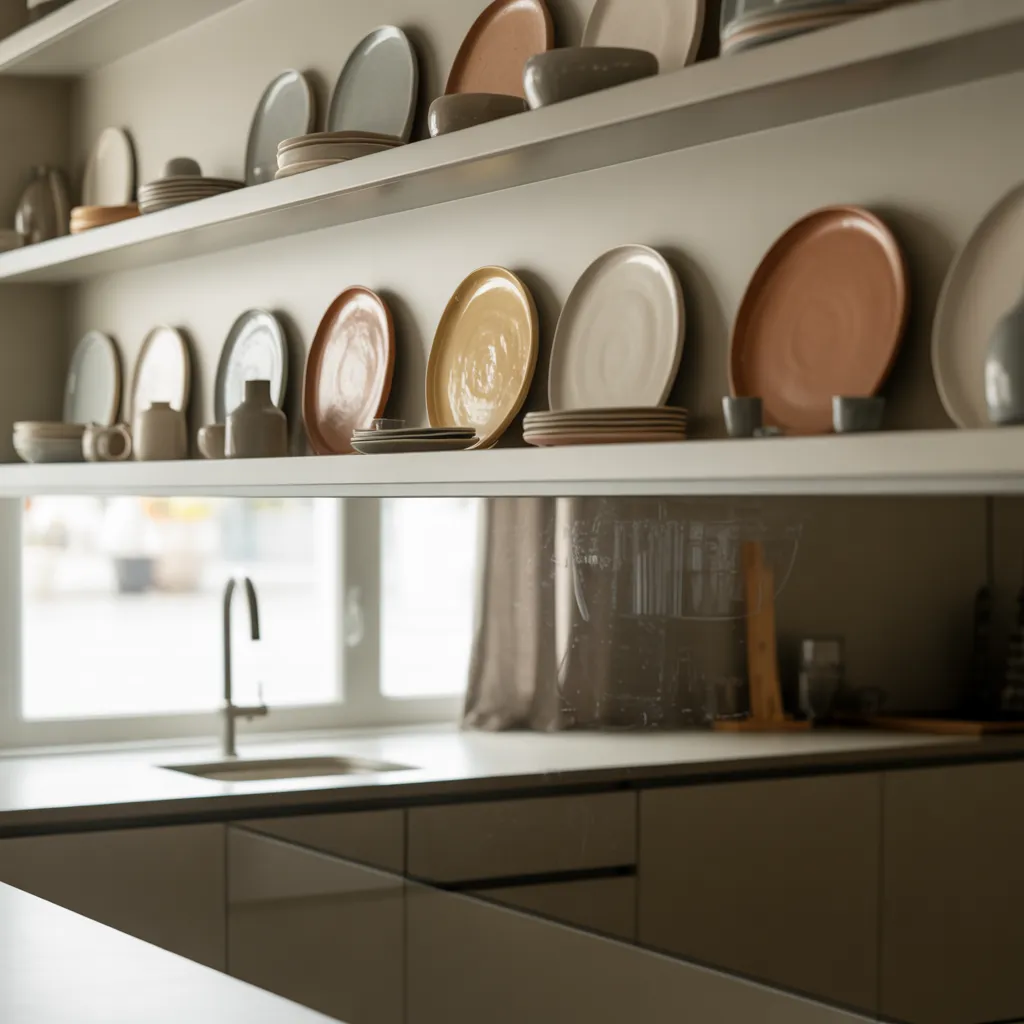
Rows of plates and bowls in warm earthy tones and crisp whites line open shelving in this modern kitchen. The contemporary space features sleek cabinets in a deep gray hue, contrasted by a light quartz countertop and stainless steel sink. The minimalist color palette is punctuated by natural wood accents, lending an inviting warmth to the utilitarian design. The open shelving showcases a curated display of ceramics, embracing the current trend while maintaining a streamlined aesthetic by hiding everyday essentials behind closed cabinet fronts. This visual balance achieves a clean, uncluttered look ideal for entertaining or simply enjoying the culinary space.
The Unseen Pitfall: Overlooking the Review Phase in Your Organizing Journey
Effective organization is a multi-step process, and skipping the crucial review phase can undermine even the most well-intentioned efforts. Before embarking on a decluttering and organizing mission, it’s essential to take stock of your current possessions, living spaces, and habits. This review phase allows you to identify areas of concern, assess your true needs, and develop tailored solutions that align with your lifestyle. Failing to conduct this initial assessment often leads to ineffective or unsustainable organizational systems that fail to address the root causes of clutter and disarray. Embrace the review phase as a foundational step, and you’ll be better equipped to create lasting, functional solutions that seamlessly integrate into your daily routine.

A bright, cozy living room in the middle of a reset—magazines spread across the rug, loose cables and small items gathered from the floor, and woven baskets being used to sort everything into neat categories to better organize the space.