
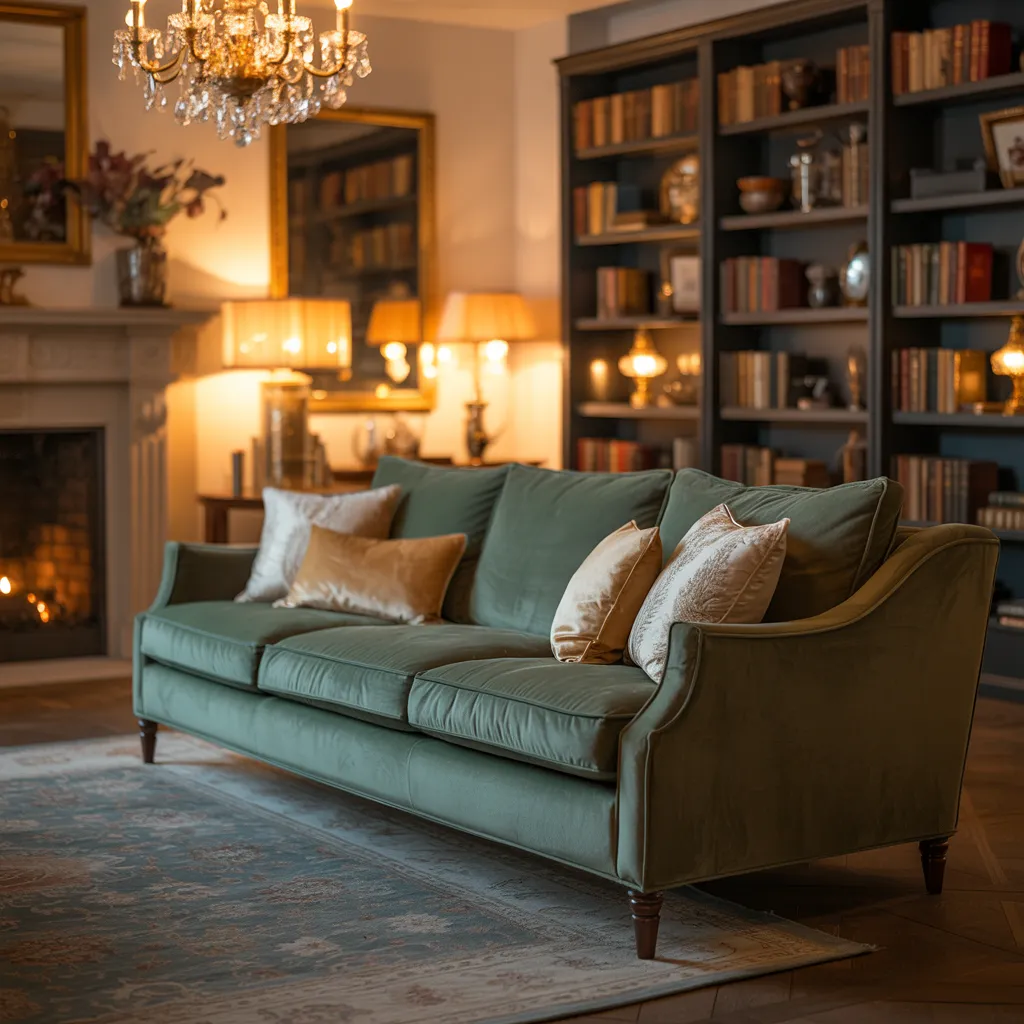
Lighting plays a crucial role in setting the ambiance and functionality of our living spaces. However, even the most well-intentioned homeowners can fall victim to common lighting mistakes that detract from the overall aesthetic and comfort of their abodes. In this insightful piece, we delve into the illuminating perspectives of professional designers as they shed light on the pitfalls to avoid when it comes to home lighting.
The Layering Dilemma: Mastering the Art of Balanced Illumination
One of the most prevalent lighting blunders, according to designers, is the failure to layer lighting effectively. A well-lit space should seamlessly blend various lighting sources, including ambient, task, and accent lighting. Relying solely on a single overhead fixture often results in harsh, unflattering illumination that casts unwanted shadows and creates an imbalanced atmosphere. Designers recommend incorporating a combination of recessed lighting, floor lamps, table lamps, and strategically placed accent lights to achieve a harmonious and inviting ambiance.
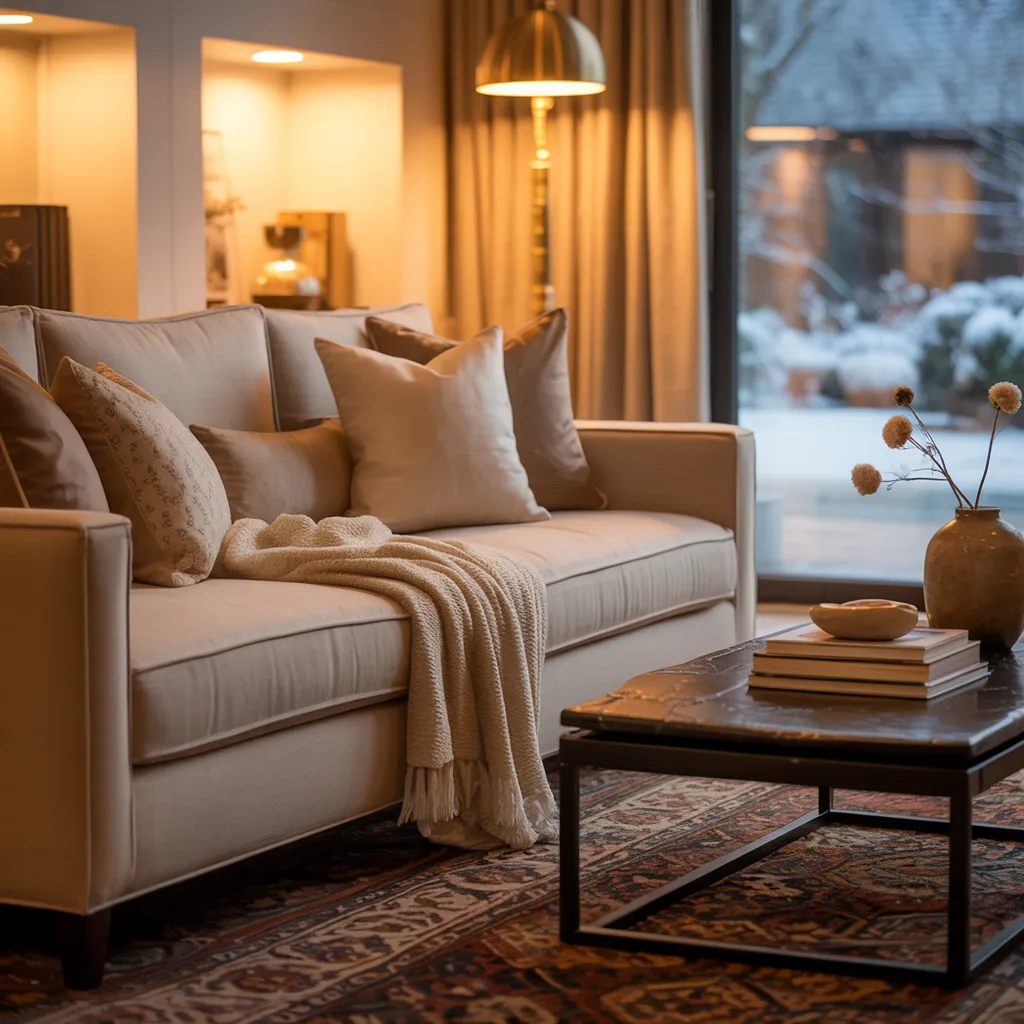
A cozy and inviting living room featuring a plush sofa adorned with plump cushions in neutral tones of beige and brown. Contemporary yet warm, with an emphasis on natural textures – a chunky woven throw, rustic wood coffee table stacked with books, and dried floral accents in an earthy vase. Large windows allow ample natural light to filter in, highlighted by a sleek pendant lamp overhead. The overall aesthetic blends modern minimalism with rustic, organic elements, creating a calming, hygge-inspired retreat. The dominant color palette is a soothing blend of warm neutrals, punctuated by pops of terracotta in the patterned area rug and subtle greenery.
Proportion Pitfalls: When Size Matters in Lighting Design
Another common misstep in home lighting is the failure to consider proper proportions. Designers emphasize the importance of selecting lighting fixtures that complement the scale and dimensions of the room. A fixture that is too small or too large can disrupt the visual balance and create an awkward, out-of-place appearance. Furthermore, the height at which fixtures are installed plays a crucial role in ensuring optimal illumination and avoiding glare or shadows. Designers recommend carefully measuring and planning the placement of lighting fixtures to achieve a harmonious and functional result.
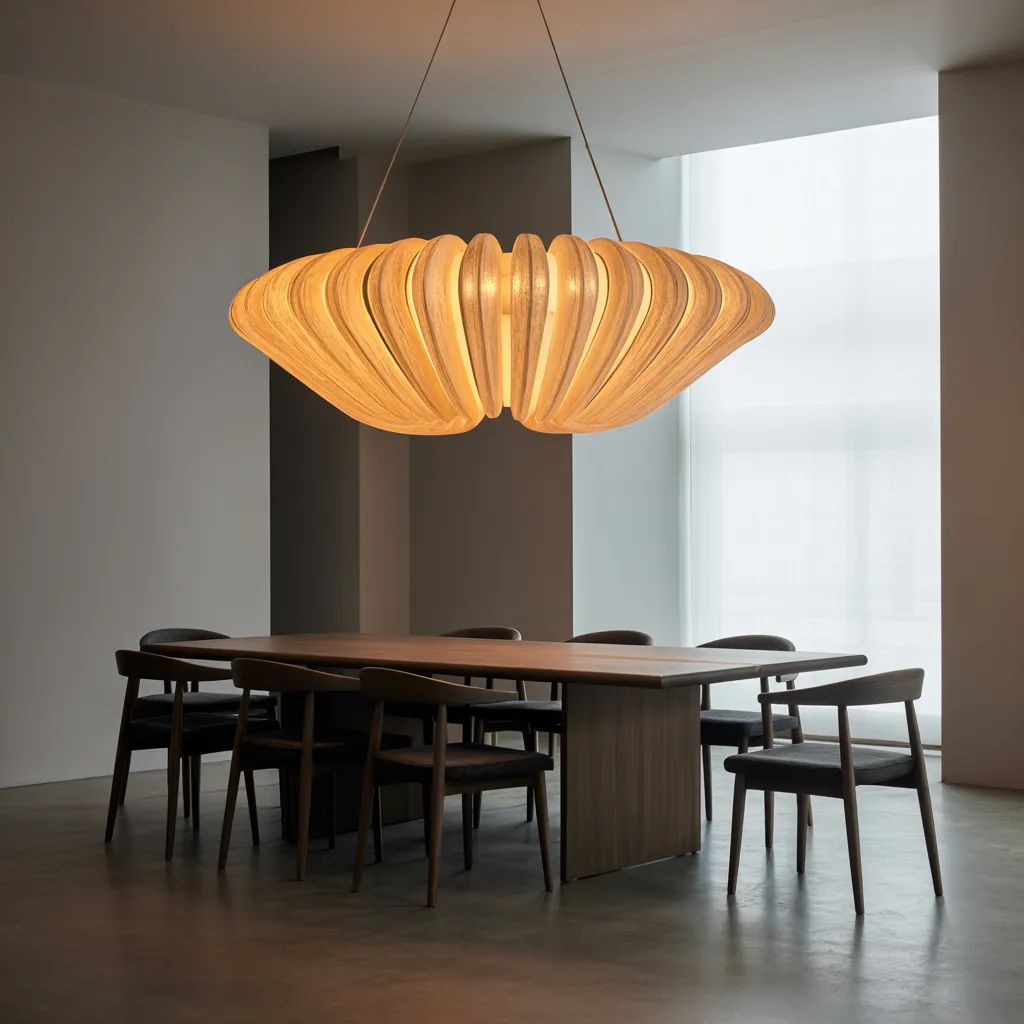
A vast, sculptural pendant light with accordion-like wooden slats suspended over a dining table demands attention in this contemporary dining room. The expansive fixture emanates a warm, diffused glow, illuminating the sleek wooden table and minimalist chairs below. Crafted from richly toned wood, likely oak or ash, the undulating light installation serves as an artistic centerpiece. The room exudes a sophisticated yet understated aesthetic with its neutral color palette of browns, grays, and creams. Clean lines, natural materials like wood and leather upholstery, and the interplay of light and shadow create a serene, modern ambiance ideal for dining and entertaining.
The Color Conundrum: Unveiling the Secrets of Bulb Temperature
The color temperature of light bulbs is a crucial consideration that is often overlooked by homeowners. Designers caution against the common mistake of using bulbs with an incorrect color temperature, as it can significantly impact the ambiance and perceived warmth or coolness of a space. Warm, yellowish tones are typically recommended for living areas and bedrooms, while cooler, bluer tones are better suited for task-oriented spaces like kitchens and home offices. Designers advise homeowners to experiment with different color temperatures and consider the intended use of each room when selecting bulbs.
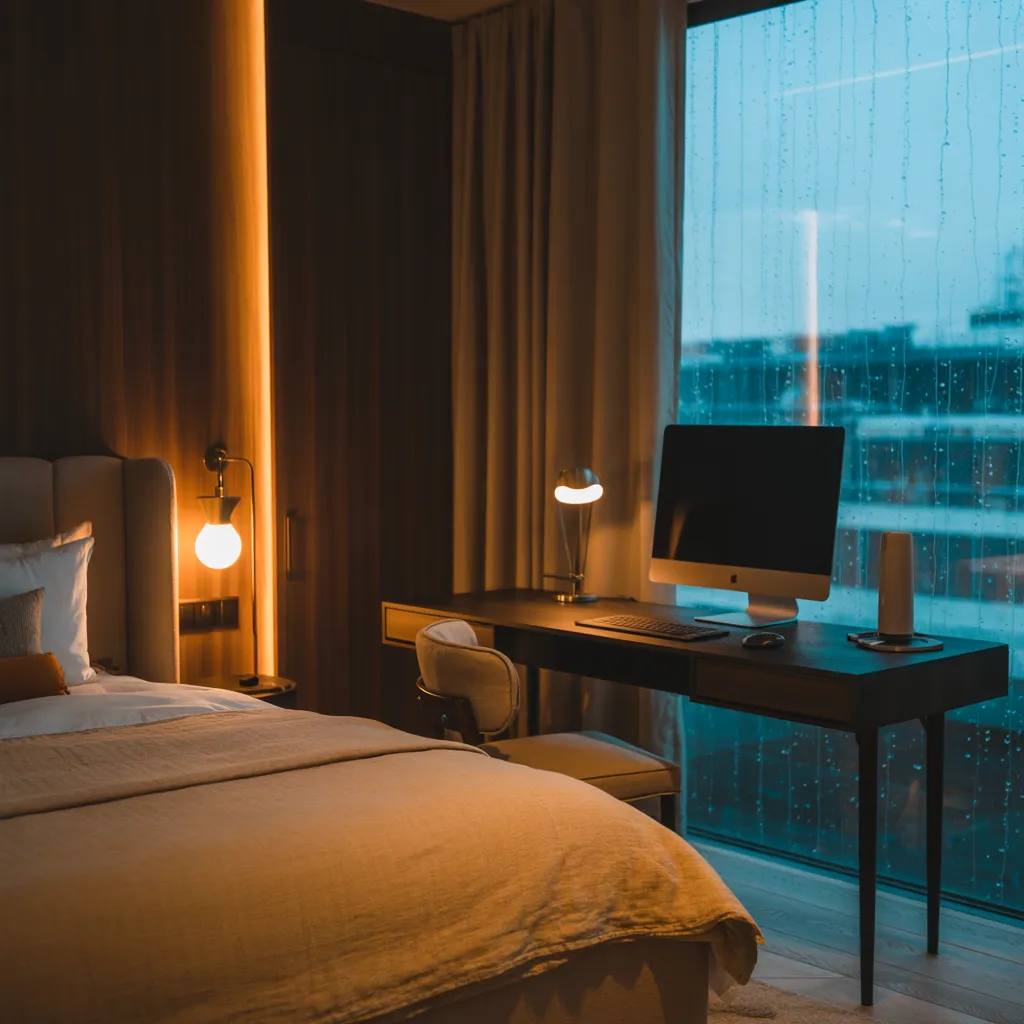
A cozy hotel room encapsulates modern comfort with warm, inviting textures and hues. An oak wood desk supporting an iMac workstation sits before floor-to-ceiling windows, overlooking a rain-drenched urban landscape. Soft, amber uplighting emanates from contemporary lamps, bathing the space in a welcoming glow. The dominant palette combines rich terracotta accents with earthy beige linens and leather upholstery, cultivating an atmosphere of tranquil relaxation that seamlessly blends contemporary and organic elements. Natural materials like wood and linen harmonize effortlessly, exemplifying a tailored yet approachable style for slow-paced indulgence after a hectic day.
Can Lights Controversy: Rethinking a Dated Lighting Approach
Recessed can lights were once a popular choice for home lighting, but designers are now urging homeowners to reconsider this approach. While can lights can provide functional task lighting, they often create harsh shadows and an institutional feel when used excessively. Designers recommend exploring alternative options, such as track lighting or strategically placed floor and table lamps, to create a more inviting and layered lighting scheme. Additionally, the placement of can lights is crucial, as poorly positioned fixtures can result in uneven illumination and glare.
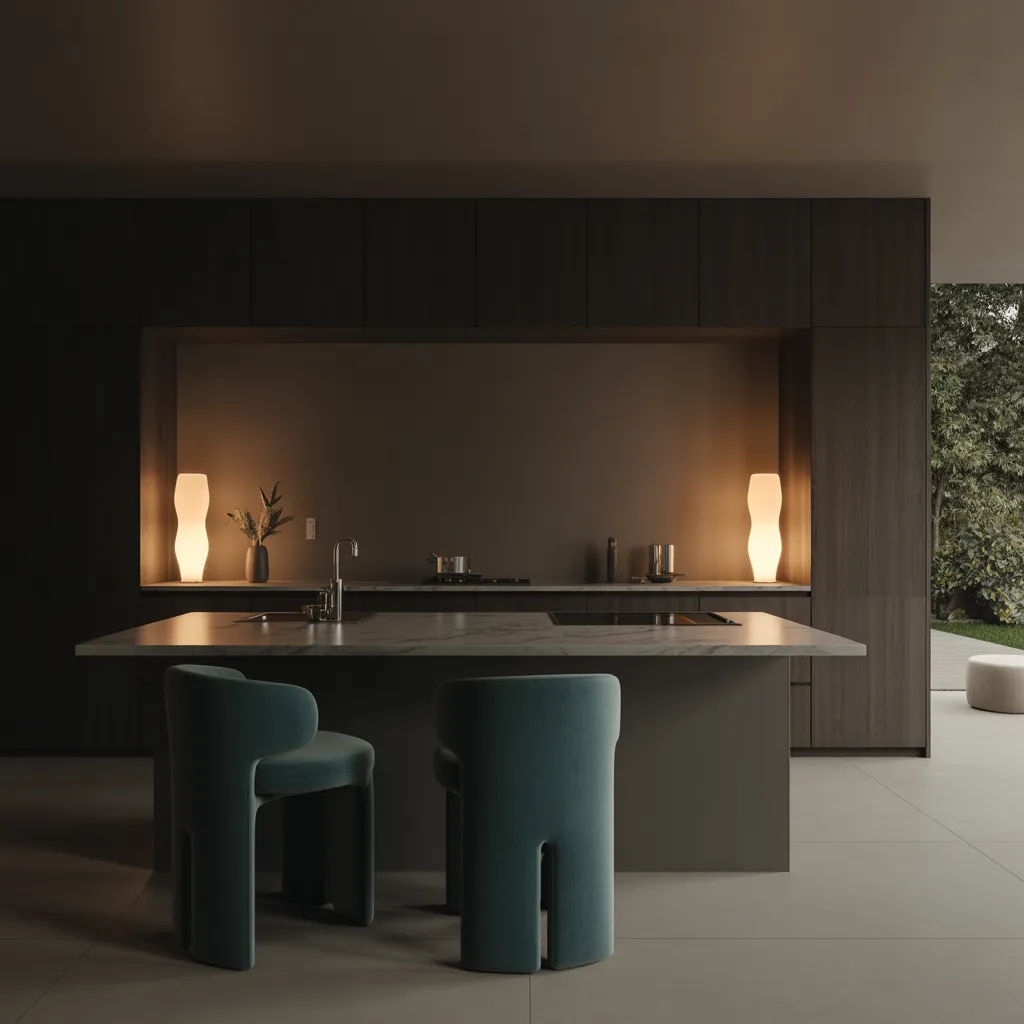
The kitchen showcases a sleek, contemporary design with a moody ambiance. Dark cabinetry envelops the space, creating a cozy yet refined atmosphere. The island’s concrete countertop anchors the room, while muted teal leather stools provide pops of color. Warm lighting from the cylindrical sconces casts a warm glow, complementing the natural wood accents. Large windows frame an outdoor greenery view, seamlessly blending the interior with nature. A minimalist material palette of wood, concrete, and leather exudes sophisticated simplicity, exemplifying modern interior trends focused on clean lines and textural richness.
Switch Placement Puzzle: Unveiling the Often-Overlooked Factor
While lighting fixtures and bulb selection are often the primary focus, designers emphasize the importance of considering switch placement as well. Poorly positioned switches can lead to frustration and inconvenience, disrupting the overall user experience. Designers recommend strategically locating switches at entry points and near common pathways, ensuring they are easily accessible and intuitive to use. Additionally, incorporating smart lighting controls and dimmers can further enhance the functionality and energy efficiency of a home’s lighting system.
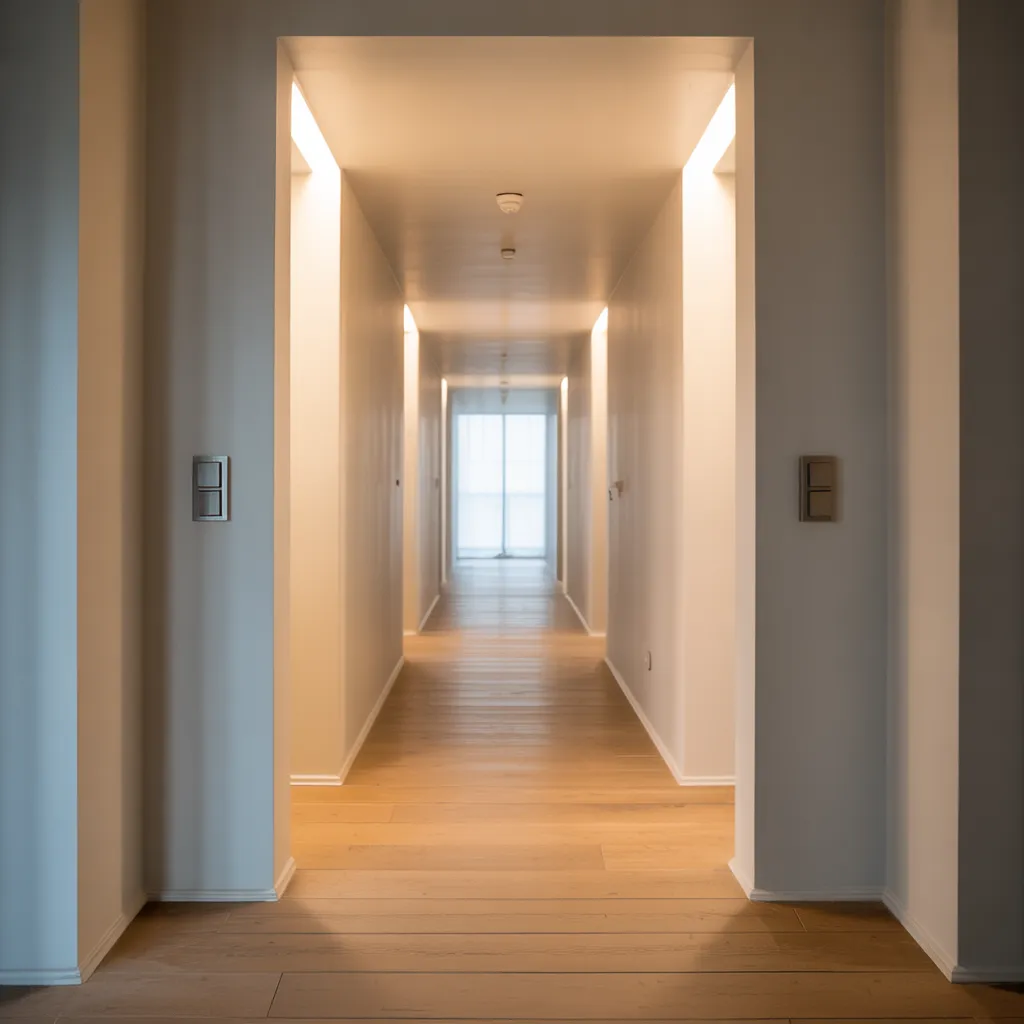
A long, warmly-lit hallway stretches into the distance, guiding the eye towards a window at the far end. The minimalist style embraces clean lines and a restrained color palette of creams, whites, and soft grays, creating a serene, airy atmosphere. Hardwood floors in a light ash tone anchor the space, complemented by simple wooden doors and crisp white baseboards that lend subtle textural contrast. Recessed lighting integrated into the arched ceiling coves casts an inviting, diffused glow, highlighting the hallway’s linear perspective. The understated design exudes a sense of tranquility and minimalist elegance, allowing the architectural features and natural light to take center stage.
Beyond Utility: Embracing Lighting as an Artistic Element
Finally, designers encourage homeowners to view lighting not just as a functional necessity but as an opportunity for artistic expression. Lighting can be used to highlight architectural features, accentuate artwork, or create dramatic focal points within a space. By incorporating unique fixtures, creative placement, and innovative lighting techniques, homeowners can transform their living spaces into captivating and visually stunning environments that transcend mere utility.
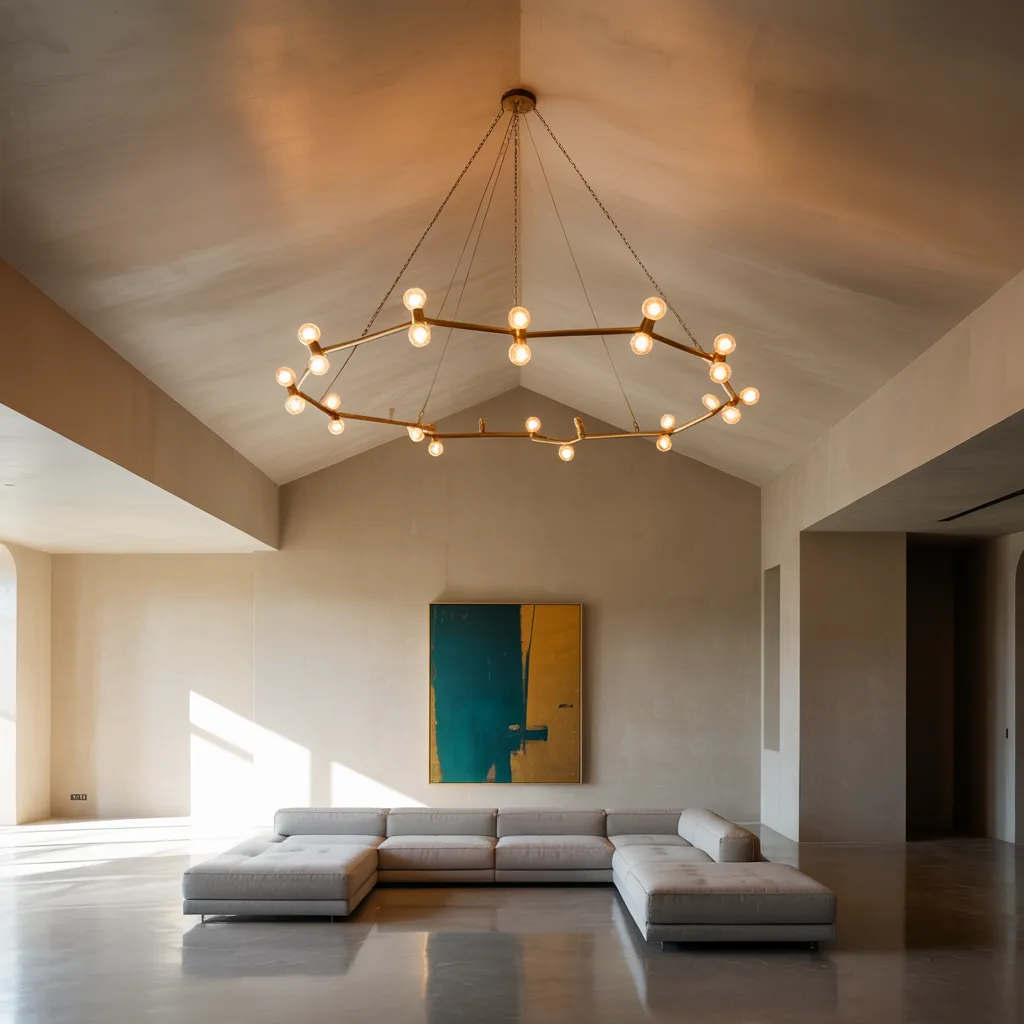
Illuminating the space with artistic flair, an eye-catching chandelier takes center stage, its delicate arms branching out with glowing filament bulbs resembling celestial bodies. This striking contemporary fixture suspends from the vaulted ceiling, casting a warm, ambient glow throughout the minimalist living room. Below, a plush, grey sectional sofa with clean lines rests on a polished concrete floor, echoing the neutral color palette. An abstract artwork with teal and ochre hues adorns the wall, injecting a vibrant contrast against the muted surroundings. Floor-to-ceiling windows flood the space with natural light, creating an airy and serene ambiance that allows the lighting installation to shine as the focal point of the meticulously curated and streamlined decor.