Most homeowners unknowingly implement curb appeal trends that silently erode their property’s value.
You’ve probably seen it happen in your own neighborhood—beautifully customized homes that linger on the market because they’re just too personalized. Here’s the disconnect: what feels right to you might actually scare off buyers.
Curb appeal has become crucial in real estate, especially since the housing boom. But here’s what many homeowners miss: today’s buyers want move-in-ready properties they can envision as their home—not a blank canvas that requires expensive updates.
When you invest in bold personal touches—painted brick that needs constant touch-ups, oversized doors that feel dated, or elaborate lighting systems—you’re essentially narrowing your buyer pool and extending your time on the market. That can easily cost tens of thousands in lost equity.
The pattern real estate pros consistently observe is heartbreaking: homeowners invest earnestly in exterior improvements thinking they’re boosting marketability, only to discover potential buyers view these customizations as deal-breakers.
The fix isn’t complicated—it’s about understanding that effective curb appeal follows timeless design principles and emphasizes low-maintenance solutions with universal appeal, rather than highly individualized personal expression.
Why Bold Colors and Bright Lighting Are Costing You Money
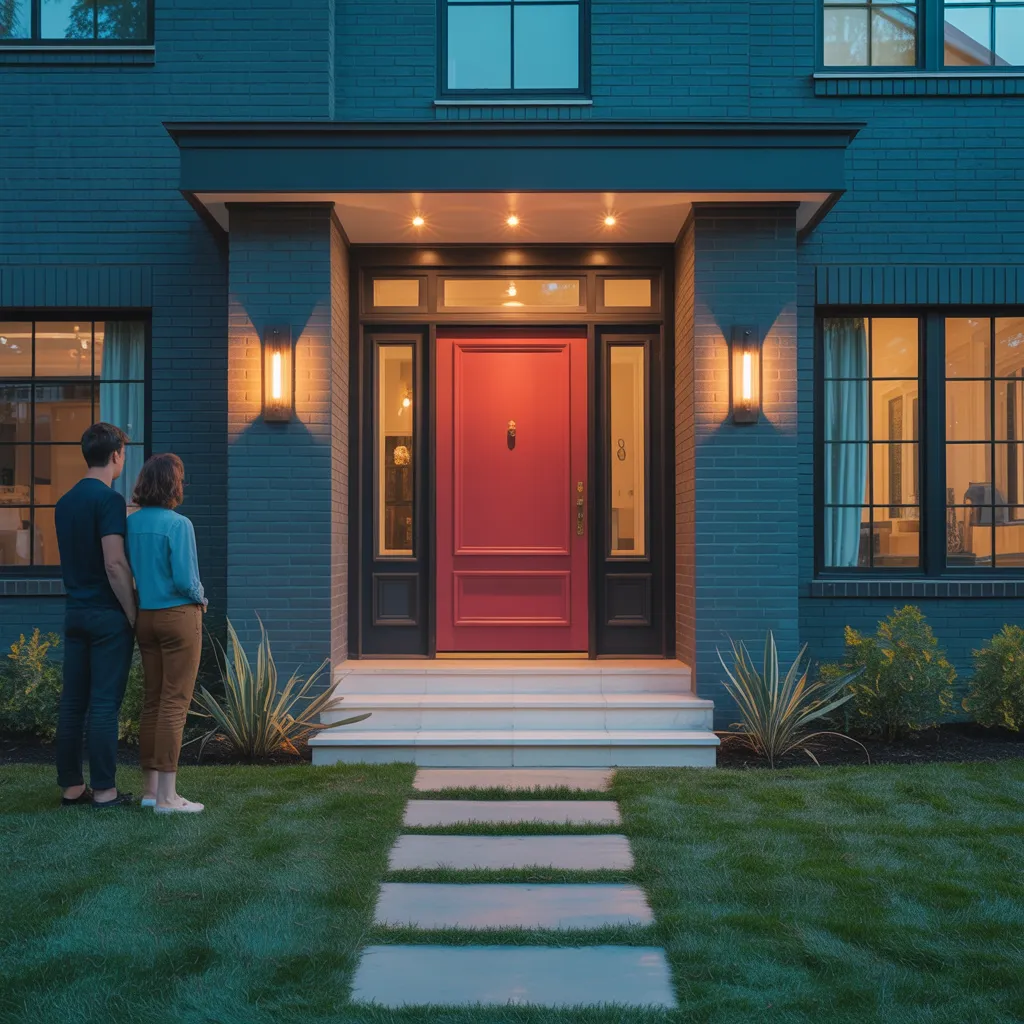
Here’s a tough truth: that gorgeous teal front door you love? It’s probably costing you money.
Personalized exterior choices like vibrant paint colors and expensive lighting systems appeal to you, but they create friction for buyers.
When someone’s shopping for a home, they’re mentally furnishing it, imagining their life in it.
A property painted in your favorite shade forces them to immediately envision—and budget for—repainting. That doubt is expensive.
Real estate professionals consistently recommend that exterior paint colors should align with your home’s architectural style and neighborhood norms.
The trick is understanding the neutral color wheel—a design approach that layers warm and cool neutrals like ivory, tan, gray, and graphite to create visual interest through undertone sophistication rather than bold statements.
Soft colors like creams, grays, and warm whites appeal to the broadest demographic and age gracefully over time, eliminating the constant repainting that trend-driven colors demand.
The same principle applies to lighting. While outdoor lighting serves important safety functions, premium systems requiring professional installation become liabilities.
Buyers see ongoing expertise demands and maintenance costs, not amenities. Choose understated elegance over novelty—good lighting should enhance safety and function without screaming for attention or specialized knowledge.
The Landscaping Graveyard: Why Outdated Trends Keep Costing You
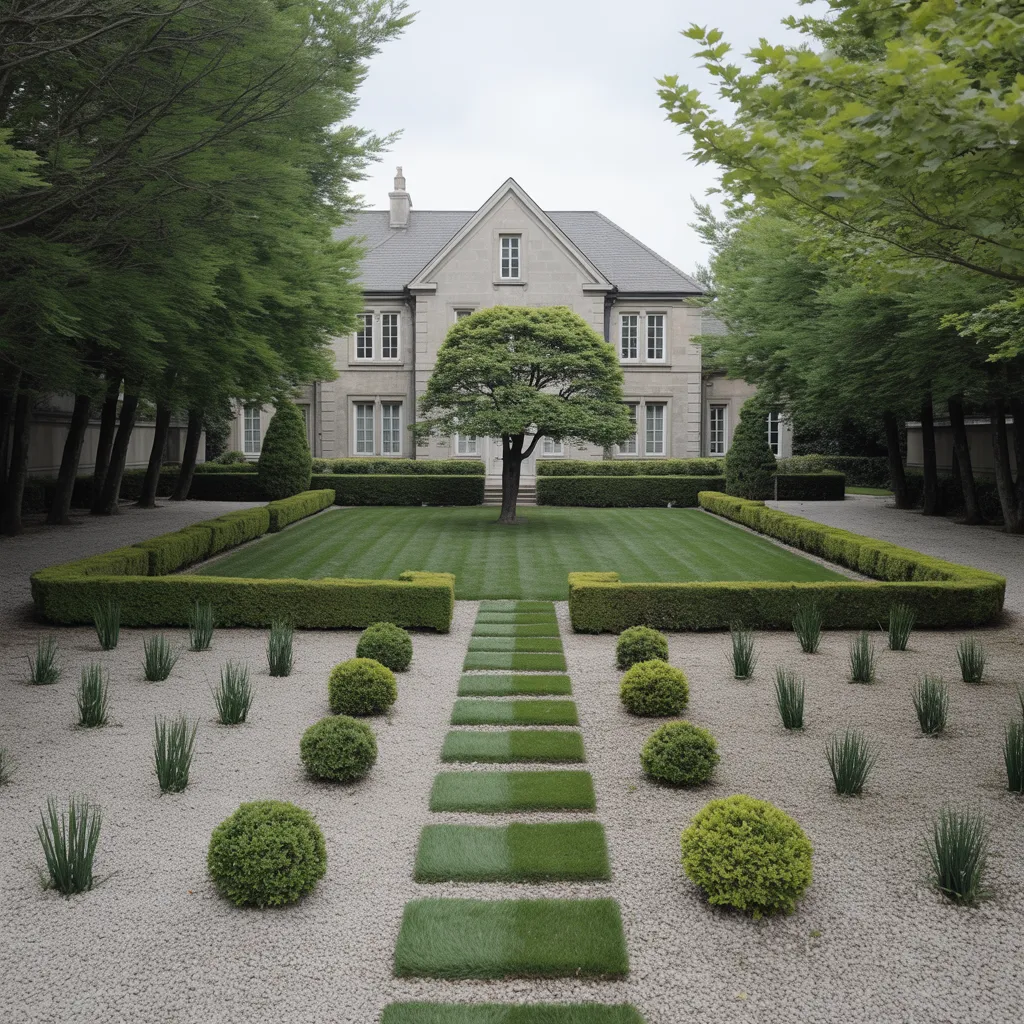
Artificial turf, boxwood hedges, checkerboard grass patterns, and gravel-heavy gardens looked good on design blogs five years ago. Now? Experts have moved decisively away from these styles—and for good reasons.
Artificial turf was supposed to be maintenance-free. Instead, informed buyers see it as a cost-cutting measure that signals environmental indifference. The material degrades, looks progressively worse, and eventually needs replacement—making it a depreciating asset, not an investment.
Boxwood hedges might be historically elegant, but they’re susceptible to disease and demand labor-intensive pruning that deters most buyers from wanting them.
Checkerboard grass patterns meant to convey sophistication now read as overly fussy and dated—the design equivalent of frosted tips.
Gravel-heavy landscapes with minimal planting beds create a barren appearance that contradicts what buyers actually want: lush, inviting outdoor spaces.
The broader lesson? Landscaping trends prioritizing convenience or novelty over timeless appeal invariably become liabilities. Modern landscape design emphasizes plants and materials that are climate-appropriate and low-maintenance while accounting for natural site features like topography, soil type, and drainage—things that actually work for your property rather than against it.
Trees: The Hidden Wealth Builders (And Hidden Deal-Breakers)
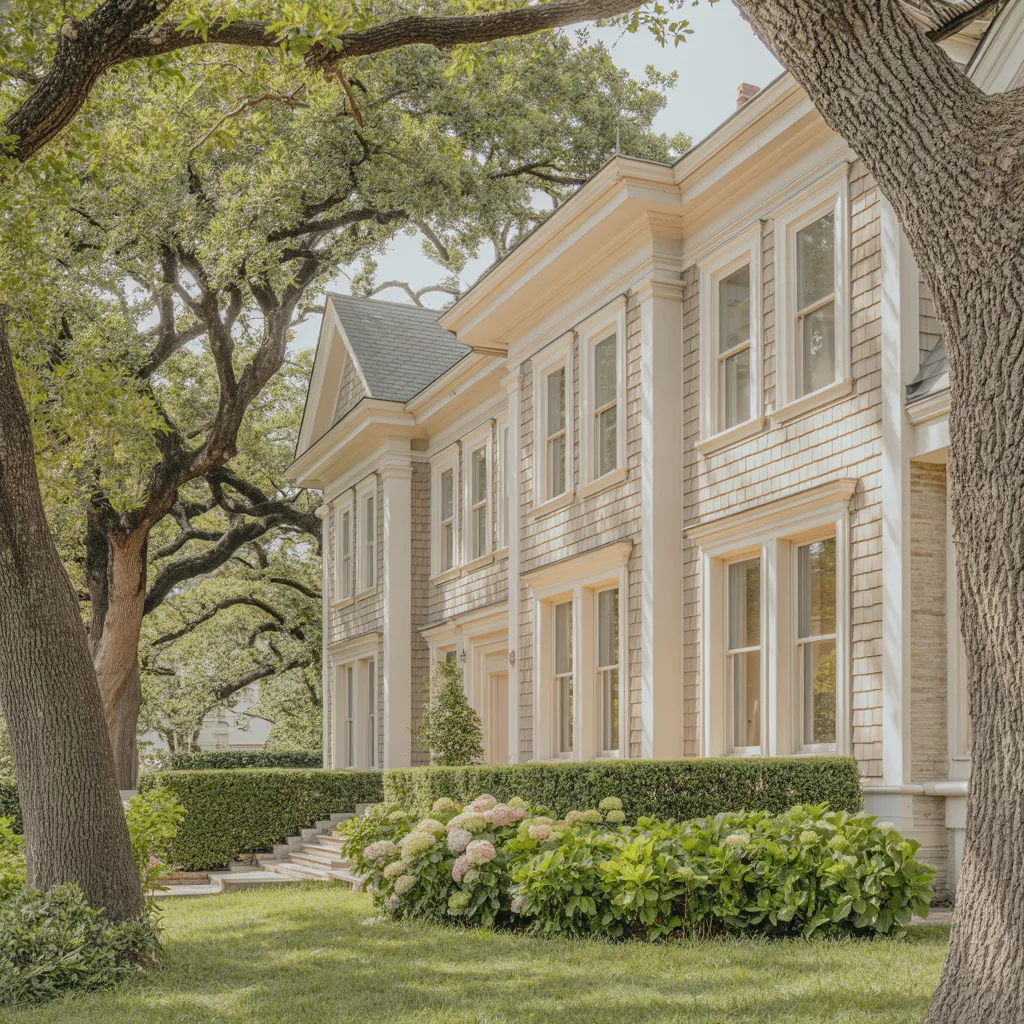
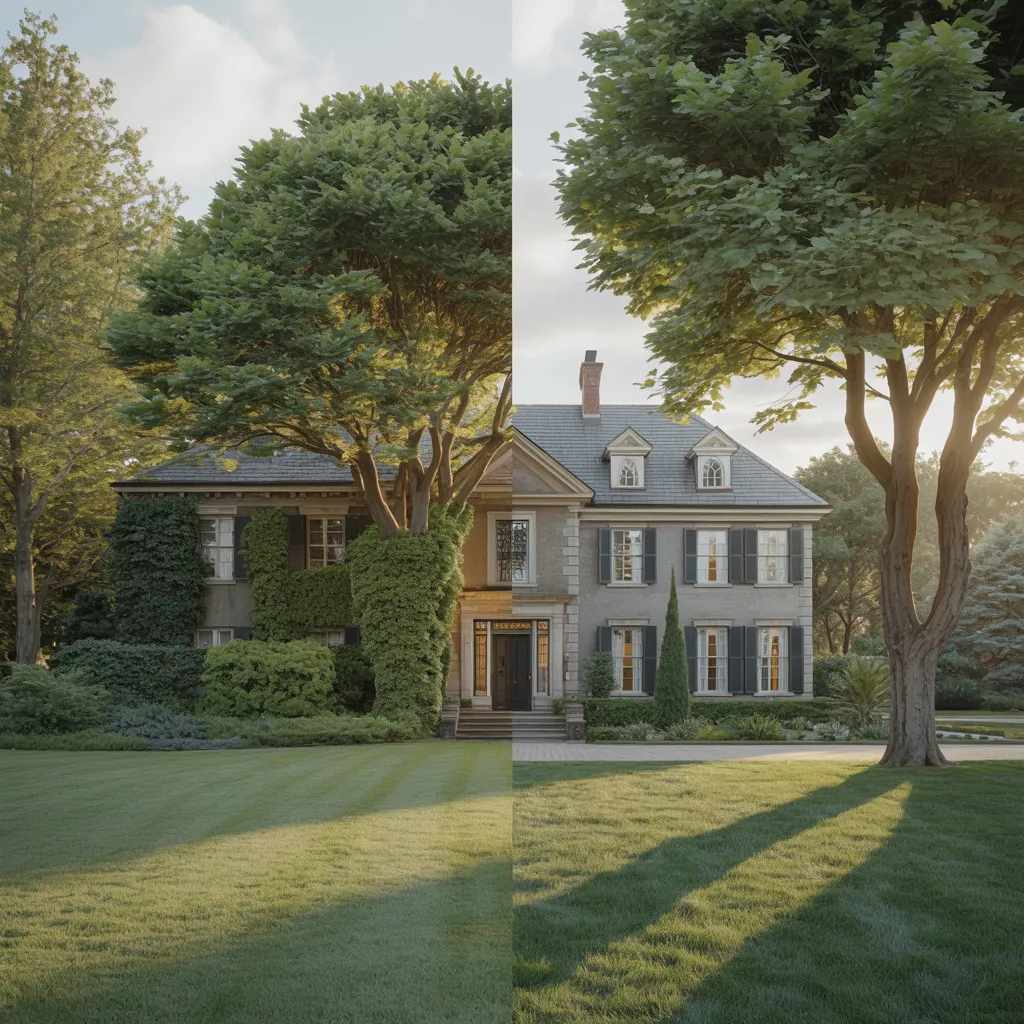
Here’s where landscaping gets genuinely interesting—and financially important. Poorly-positioned trees and shrubs can damage foundations or block sight lines, sending buyers running during inspections. But strategically-placed trees represent one of the most underutilized wealth-building features in residential landscaping.
The numbers tell the story: research demonstrates that strategically-placed trees can increase property resale value by 5-15%—a transformative figure that dwarfs most other curb appeal improvements. That’s real money.
What kills value: Trees planted too close to structures damage foundations (a major red flag during inspections). Large trees shading your front entrance create a dark, unwelcoming impression that sabotages first impressions.
What builds value: Trees that frame your home rather than obscure it. Trees positioned at distances preventing root damage to foundations. Trees selected to complement your regional aesthetic. In Los Angeles, olive trees provide Mediterranean elegance; in Philadelphia, flowering dogwoods create seasonal interest while maintaining neighborhood coherence.
The difference lies entirely in thoughtful placement and understanding landscape design principles for your specific site conditions. Well-designed landscapes incorporate plants that are functionally accessible, safe, and sustainable—reducing the knowledge burden on future owners. Avoid overly ornamental plantings with rare varieties or exotic cultivars that require specialized maintenance knowledge. These burden future owners with learning curves that ultimately diminish property appeal.
The Smart Homeowner’s Blueprint: Classic, Low-Maintenance Wins
Real wealth protection comes from understanding what buyers universally value: neutral colors, low-maintenance features, and timeless aesthetics grounded in proven design principles.
Choose soft, neutral exterior colors. Creams, grays, and warm whites appeal to the broadest demographic while aging gracefully. They provide visual continuity with neighborhood aesthetics and eliminate the constant repainting that trend-driven colors demand. You can still create visual depth by layering undertones thoughtfully—this is sophisticated design, not bland.
Prioritize strategic landscaping. Focus on healthy, established trees and climate-appropriate native plantings that thrive with minimal intervention. Well-maintained hedges in traditional configurations, healthy lawn areas, and seasonal plantings create visual interest without requiring specialized knowledge. Remember: mature trees positioned to enhance your home’s character contribute substantially to resale value.
Embrace the principle of restraint. Curb appeal emerges from excellent maintenance, intentional design choices aligned with architectural style, and broad appeal rather than personal expression. This isn’t boring—it’s smart. Your exterior becomes a lasting wealth-building asset rather than a personal statement that narrows your buyer pool.
The bigger picture? When you stop thinking about your home as a self-expression canvas and start thinking about it as an investment, the choices become clearer. That doesn’t mean sacrificing beauty or character—it means channeling them into choices that speak to a broader audience and stand the test of time.