Most homeowners approach bathtub selection the same way: find something that fits the space, order it, and move on. But this oversimplified approach masks a deeper reality—bathtub size profoundly influences daily comfort, functionality, and long-term satisfaction in ways you might never anticipate until it’s too late.
The consequences of size mismatch extend far beyond inconvenience. Standard dimensions have become industry defaults primarily because they’re economical to manufacture and ship—not because they represent optimal solutions for diverse needs. Alcove tubs typically measure 60 inches long by 30–32 inches wide with 14–16 inches of depth, while freestanding soaking tubs range from 66–72 inches. But here’s what manufacturers don’t emphasize: these measurements assume an average user with average preferences.
Consider the reality: someone six feet tall finds a 60-inch tub cramped. A person seeking therapeutic deep soaking discovers standard depth leaves them submerged only to chest level. Different bathing traditions reveal how fundamentally design philosophies diverge. Western-style tubs emphasize horizontal immersion in shallow, elongated vessels for lying down, while Eastern-style tubs (like Japan’s furo) embrace a sitting position with short, deep dimensions for full submersion.
Your household composition matters enormously. Parents with young children need specific dimensions with contoured support and non-slip surfaces for safe bathing, while empty nesters prioritize entirely different factors. The real issue isn’t finding a tub that technically fits—it’s recognizing that your actual soaking needs, physical proportions, household composition, and daily rituals deserve serious evaluation before making this substantial investment.
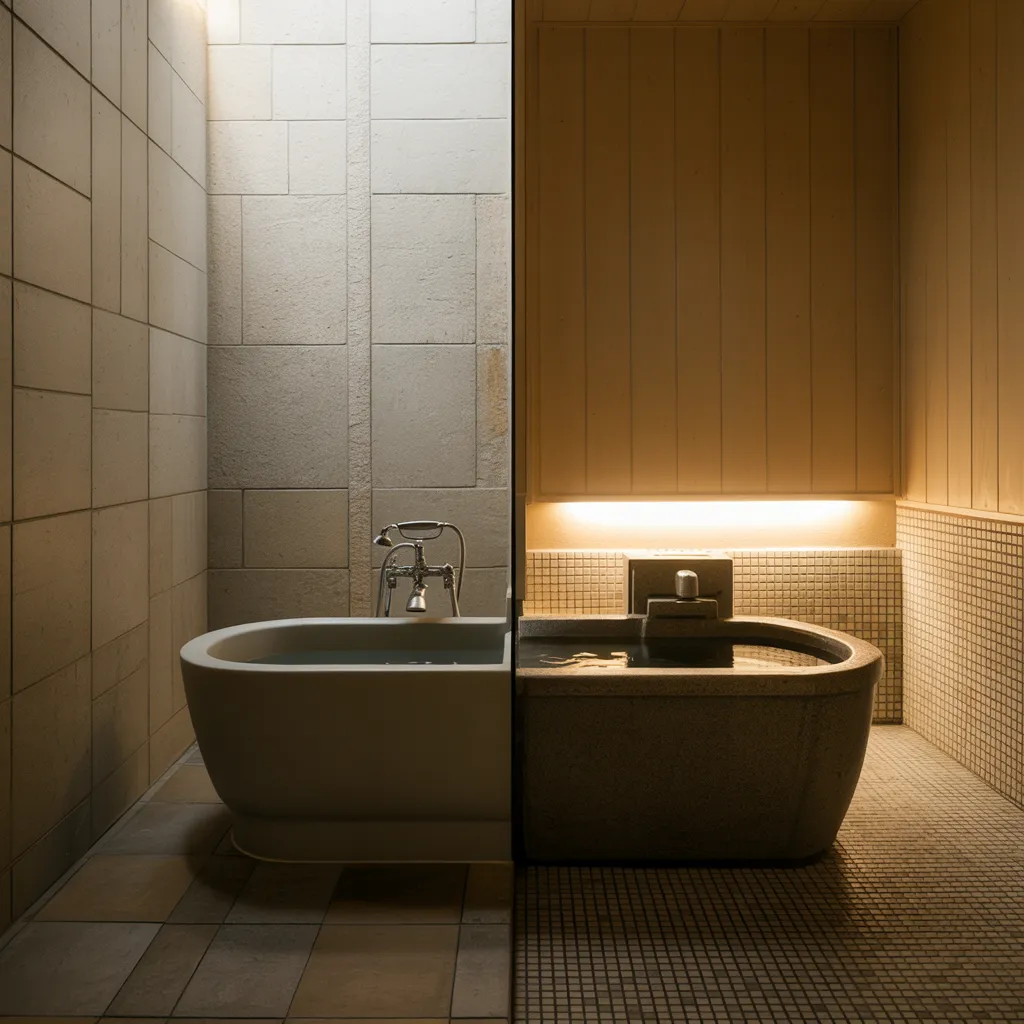
This split scene shows how the same basic footprint can feel totally different depending on the tub choice and the way it’s built into the room—one side reads “standard install,” the other feels like a dedicated soaking nook. It’s a good reminder that the “right size” isn’t just about fitting the space, but about fitting the experience you want.
The Hidden Difference Between Soaking Tubs and Shower Baths (And Why It Matters More Than You Think)
Not all bathtubs are created equal, yet most people don’t realize this critical distinction until after installation. The market offers two fundamentally different products that are often lumped into one category: soaking tubs optimized for immersive bathing, and shower baths designed primarily for efficient water drainage during showers.
What Makes Them Different: A proper soaking tub features deeper walls—typically 14–16 inches or more—allowing water to rise sufficiently for genuine immersion that covers your shoulders and promotes true relaxation. The design prioritizes water retention and heat maintenance, often incorporating sloped backs for ergonomic support during extended soaking. Shower baths prioritize practical functionality: shallower depth, excellent drainage patterns, and resilient surfaces that withstand frequent shower use. They’re engineered for households where showering dominates over soaking.
Material Matters Too: Modern bathtubs are crafted from thermoformed acrylic, porcelain-enameled steel, cast iron, and fiberglass-reinforced polyester—each offering distinct advantages. Cast iron retains heat exceptionally well for extended baths, while acrylic offers lighter weight and easier maintenance.
The Right Choice for Your Life: Many homeowners discover too late they’ve purchased shower baths when dreaming of soak-centered relaxation, or vice versa. Do you shower five times weekly and soak monthly? Or does that 20-minute immersion ritual serve as essential stress relief? Understanding which type aligns with your authentic bathing patterns prevents costly regret and ensures your fixture serves your real needs rather than imagined ones.
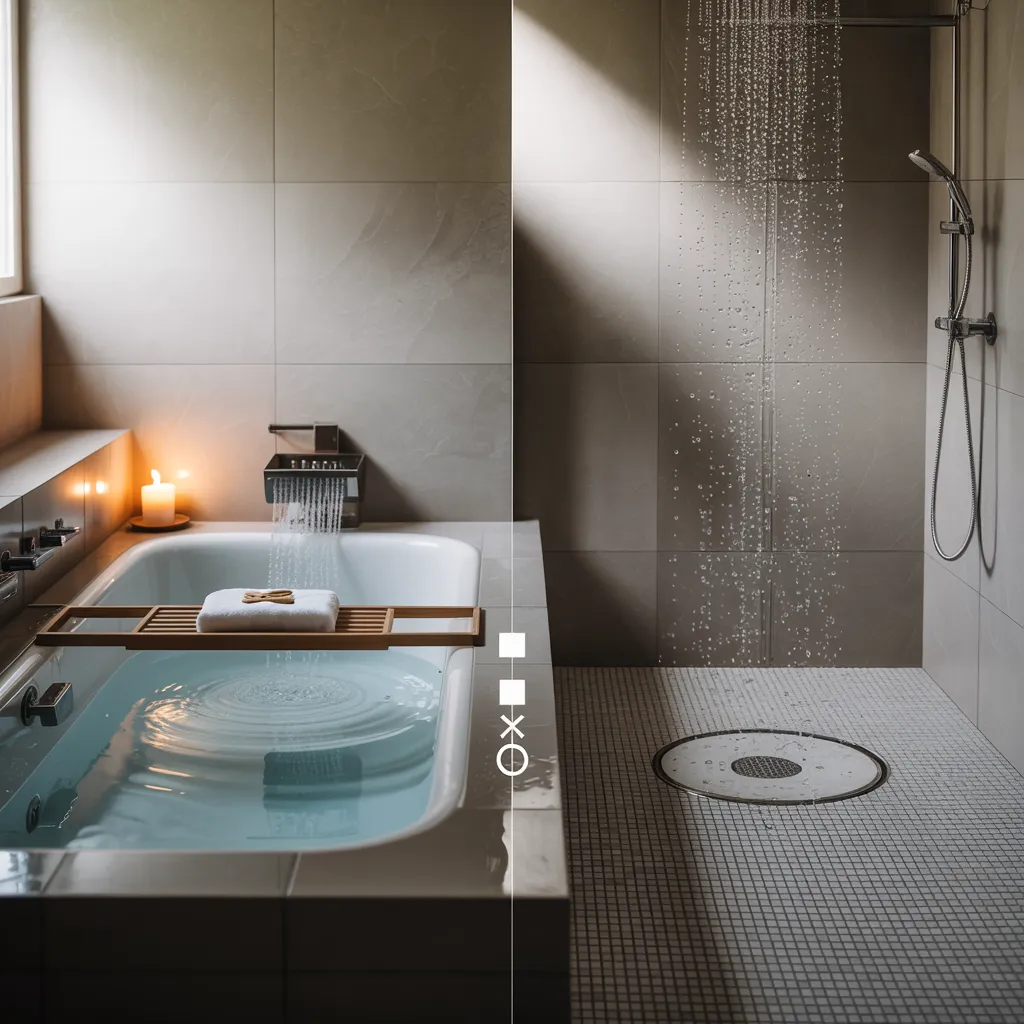
A relaxed, ready-to-soak tub setup on one side and a shower-driven wet-room on the other highlights a key decision point: are you choosing a tub for long baths, or mainly for quick, everyday use? Your answer should guide depth, shape, and how much floor space you allocate.
The Luxury Trend That’s Reshaping Bathroom Design: Why Sculptural Tubs Are Becoming Statement Pieces
Something remarkable is happening in contemporary bathroom design—bathtubs have transcended their utilitarian origins to become bold aesthetic statements. For decades, bathtubs lingered in the background, hidden behind shower curtains or tucked into alcoves. This paradigm has fundamentally shifted.
Freestanding sculptural tubs—particularly those crafted from marble, stone, or distinctive ceramic materials—now command visual prominence. Designers and homeowners alike recognize that a beautiful tub transforms entire bathroom aesthetics, creating spa-like sanctuaries that feel more luxurious than the sum of their components.
Timeless Styles Worth Considering:
- Slipper bathtubs: Feature one raised, sloped end creating a comfortable lounging position
- Clawfoot designs: Deliver timeless elegance and visual drama
- Pedestal tubs: Exemplify art deco sophistication
- Double-ended tubs: Offer luxury indulgence for generous spaces
These sculptural pieces offer enduring appeal that transcends fleeting design trends. The marble or stone surfaces develop subtle character over time, aging gracefully rather than becoming dated. This shift reflects broader cultural recognition that bathrooms deserve design investment equal to kitchens or living spaces.
When you invest in a stunning sculptural tub, you’re not merely selecting a fixture—you’re curating an entire aesthetic experience. The tub becomes focal point, anchor, and conversation piece. It elevates ordinary moments into intentional rituals. Interestingly, this luxury trend isn’t exclusively for sprawling master baths; thoughtfully scaled sculptural pieces can anchor even modest bathrooms, proving that transformative design depends more on intention than square footage.
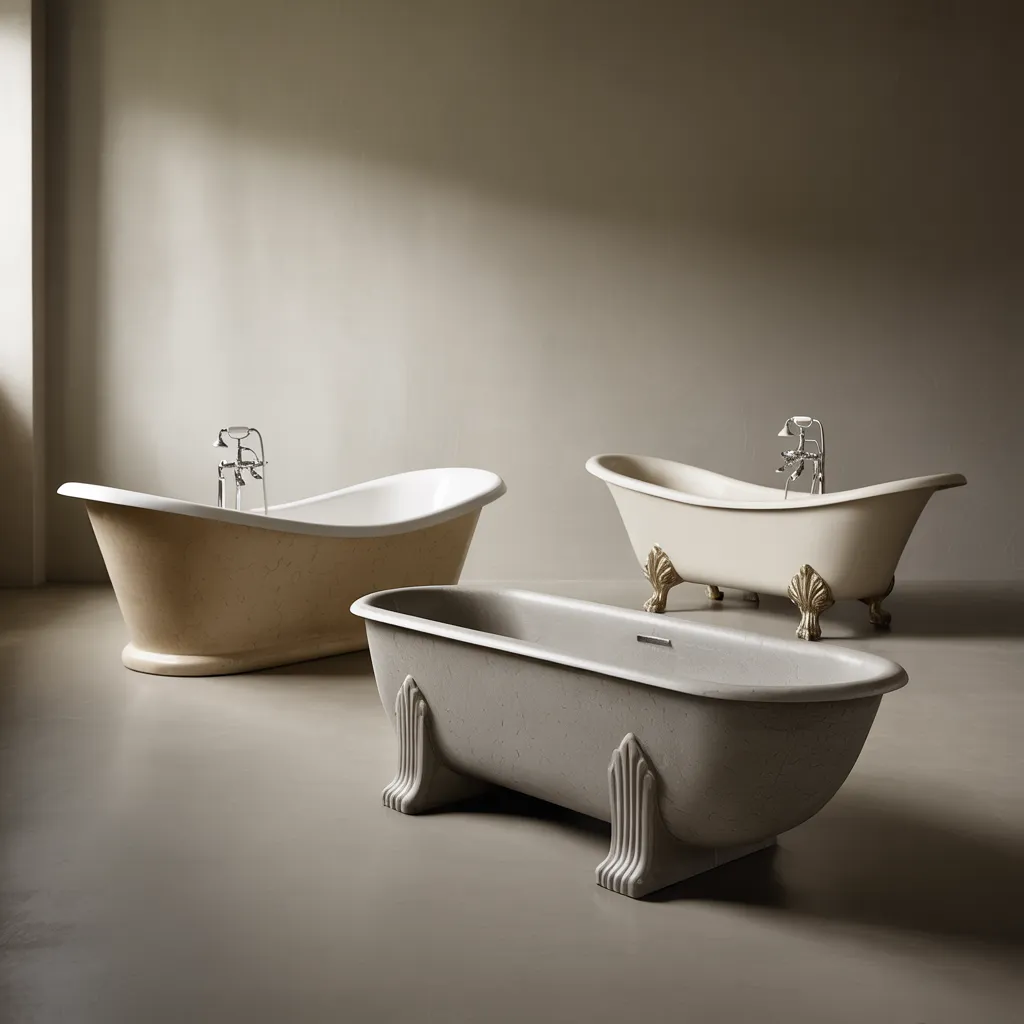
These freestanding silhouettes—classic clawfoot and modern sculptural forms—show why freestanding tubs are often chosen as the focal point of the bathroom. When a tub is meant to stand out, sizing and clearance around it matter just as much as the measurements on paper.
Accessibility Meets Style: The Surprising Truth About Walk-In Tubs and Aging-in-Place Design
Accessibility features have undergone a profound transformation—they’re no longer compromises appended to bathroom design, but rather integrated components that enhance usability for everyone. Walk-in tubs exemplify this evolution perfectly.
These fixtures feature low-step entry, built-in seating, and safety features that initially emerged as medical solutions for aging adults and those with mobility challenges. Yet contemporary design has elevated these features beyond functional necessity into genuine style considerations. Premium walk-in tubs now incorporate thoughtful aesthetics, sophisticated finishes, and spa-quality details that rival standard soaking tubs in visual appeal.
Why Everyone Benefits:
- Young families enjoy safer bathing environments for children
- Anyone recovering from injury appreciates secure entry and seated bathing options
- Homeowners recognize that building accessibility into design now prevents expensive future renovations
- This represents intelligent long-term planning rather than conceding to limitations
Modern accessible design demonstrates that safety and elegance coexist beautifully. Premium materials, careful proportioning, and refined details ensure these tubs enhance rather than detract from bathroom aesthetics. They prove that thoughtful accessibility planning creates spaces that work better for everyone—younger users enjoy enhanced safety, older users maintain independence and dignity, and everyone experiences improved functionality. The notion that accessible design compromises style belongs firmly in the past.
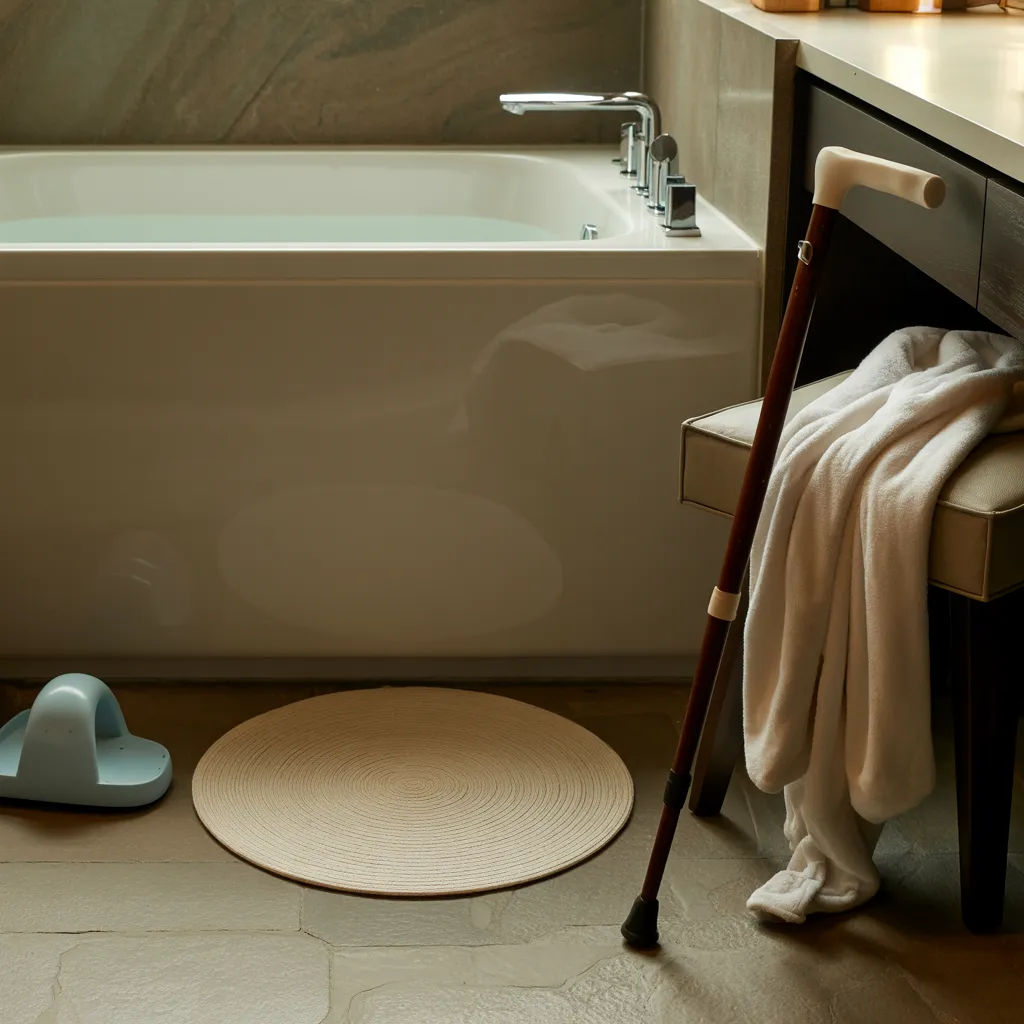
It’s smart to think ahead about ease of entry, stability, and long-term usability. Choosing a tub (and layout) with future comfort in mind can prevent costly changes later, especially as needs shift over time.
Custom Tubs vs. Standard Dimensions: How Personalization Creates the Perfect Fit (And Why It’s Worth Considering)
Space constraints have long discouraged dreams of ideal bathtub experiences—but this limitation exists primarily in conventional thinking. Custom tub options exist for those willing to move beyond standard dimensions and embrace personalized solutions.
When standard measurements don’t align with your actual needs, space dimensions, or aesthetic vision, custom fabrication transforms compromises into advantages. A cramped bathroom needn’t mean sacrificing soaking depth; thoughtful custom proportions can maximize functionality within compact layouts. Conversely, generous bathrooms can accommodate exactly the dimensions you’ve long imagined but never found.
Smart Design Strategies: Consider your drain configuration—whether right-hand, left-hand, center, or reversible placement—becomes crucial when customizing layouts. Strategic drain positioning dramatically improves bathroom flow and fixture accessibility. Optimize placement to eliminate wasted corners, integrate storage to reduce clutter, and select fixtures carefully to maintain visual openness.
When Custom Makes Sense: Custom tubs justify their investment through perfect fit—literally and experientially. Rather than forcing your desires into standardized boxes, personalization creates true alignment between vision and reality. The investment conversation becomes more nuanced when accounting for long-term satisfaction—paying more upfront for perfect dimensions often yields years of genuine enjoyment compared to years of compromise.
Working with designers ensures custom solutions account for plumbing logistics, structural considerations, and spatial flow. When executed thoughtfully, custom tubs create spa experiences regardless of room size. They represent a philosophical shift: from accepting whatever fits to intentionally designing spaces that serve your actual life.
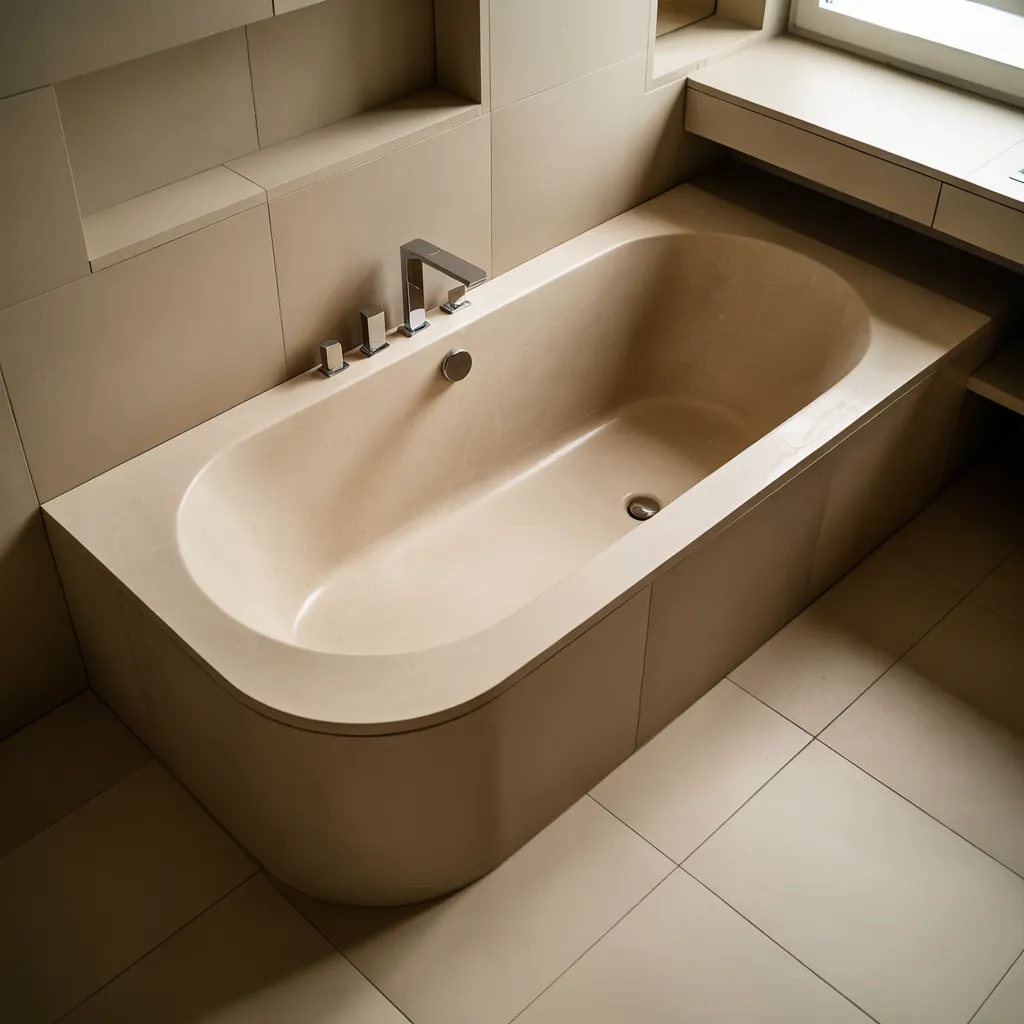
This compact built-in tub illustrates how a well-matched size can make even a smaller bathroom feel intentional and clean. It’s the kind of situation where careful measuring—and knowing your constraints—helps you avoid squeezing in a tub that never feels quite right.
Bathing Solutions for Every Life Stage: From Newborns to Growing Children
Bathtub selection becomes exponentially more complex when young children enter the household, requiring a fundamental reconsideration of size, safety, and functionality. Specialized baby bathtubs feature contoured support and non-slip surfaces that standard tubs simply cannot provide.
Safe Bathing for Infants: Purpose-built baby bathtubs prioritize safety through innovative design: secure bases prevent tipping, integrated support systems cradle delicate newborns, and thoughtful dimensions accommodate both caregiver ergonomics and infant comfort. Soft bathtubs crafted from soft plastic or foam with protective non-slip coatings offer particularly practical options for families seeking safety and portability. Inflatable bathtubs provide portable solutions suitable for travel and outdoor use.
Transitioning as Children Grow: As children grow, bathing needs transition dramatically. Bath kneelers and supportive bath seats extend functionality of standard tubs, allowing safe, supervised bathing for toddlers while maintaining the primary fixture’s long-term utility. Compact, foldable designs serve traveling families or those with space constraints, demonstrating that temporary solutions needn’t compromise safety standards.
Safety Essentials: Expert guidance consistently emphasizes critical practices: maintain appropriate water temperature, never leave children unattended, and select fixtures with features engineered for developmental stages. Parents thoughtfully evaluating bathtub choices recognize that accommodating young children’s needs today shouldn’t dictate fixture selection for decades to come. Strategic thinking—choosing adaptable tubs with accessible add-on solutions—allows bathrooms to evolve alongside growing families without requiring complete renovations.
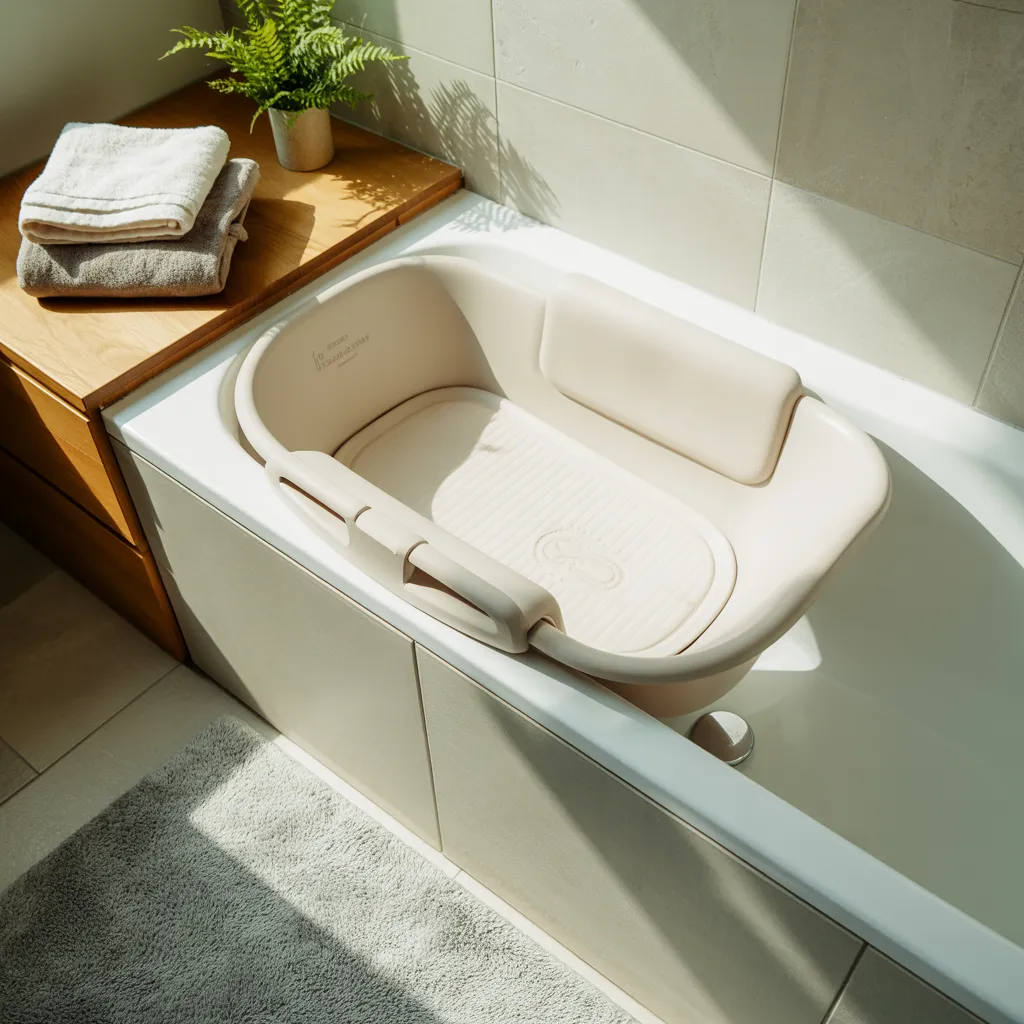
A baby bath insert inside a full-size tub is a great example of planning for real life: you can keep a tub that works long-term, while using accessories that make it safer and easier during specific life stages. It’s often more practical than choosing a short-term fixture you’ll want to replace later.
Beyond Bathing: Exploring Specialized Tubs and Water Recreation Features
Contemporary bathing culture extends far beyond traditional soaking, encompassing specialized fixtures and recreation-focused designs that transform bathrooms into wellness sanctuaries. Whirlpool tubs emerged as a luxury category during the 1960s and 1970s, introducing therapeutic jet systems that revolutionized home bathing experiences.
Understanding Your Options: Whirlpool bathtubs deliver targeted water massage, promoting relaxation and providing therapeutic benefits that standard soaking cannot replicate. Unlike portable hot tubs designed for multiple users with powerful massage jets, whirlpool bathtubs integrate seamlessly into bathroom fixtures while delivering comparable therapeutic value for individual or couples’ use.
The Important Distinction: Recreation-focused hot tubs typically accommodate four or more people with emphasis on social leisure and outdoor entertainment, while bathtub-integrated whirlpools prioritize intimate, therapeutic soaking with jets strategically positioned for personal massage. Understanding these specialized options allows you to select fixtures matching your authentic wellness priorities and lifestyle rhythms.
Whether pursuing deep relaxation, therapeutic benefits, or social recreation, contemporary bathing solutions offer sophisticated alternatives to conventional fixtures. Intentional selection of specialized features—whether jet systems, heating capabilities, or ergonomic support—profoundly enhances daily wellness rituals and justifies investment in premium fixtures. This evolution from purely functional bathing to therapeutic water recreation reflects growing recognition that bathrooms serve critical wellness functions deserving serious design attention and budget allocation.
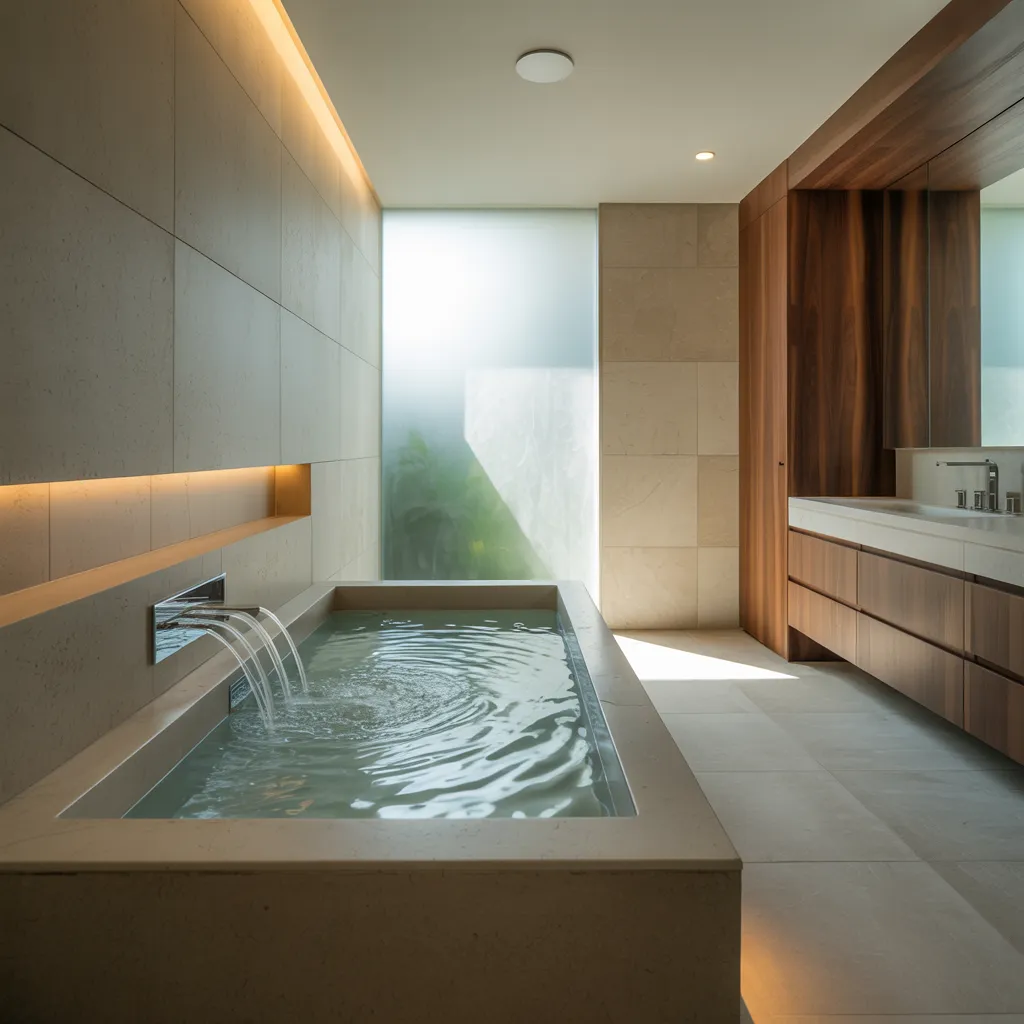
This long, minimal tub with a waterfall-style fill feels more like a wellness feature than a basic bathroom fixture. If soaking is a priority, visuals like this reinforce why depth, length, and comfort can be worth the extra planning—especially when you’re trying to choose once and enjoy it for years.