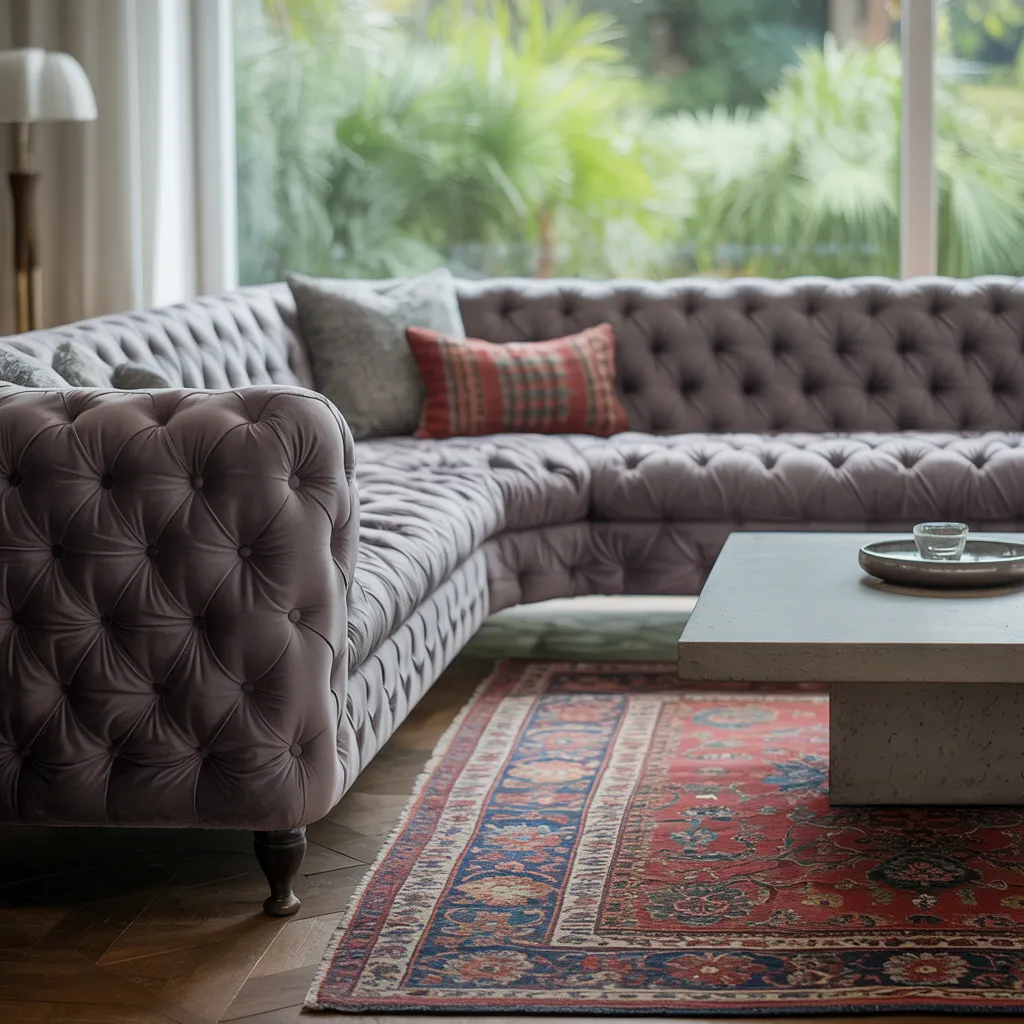
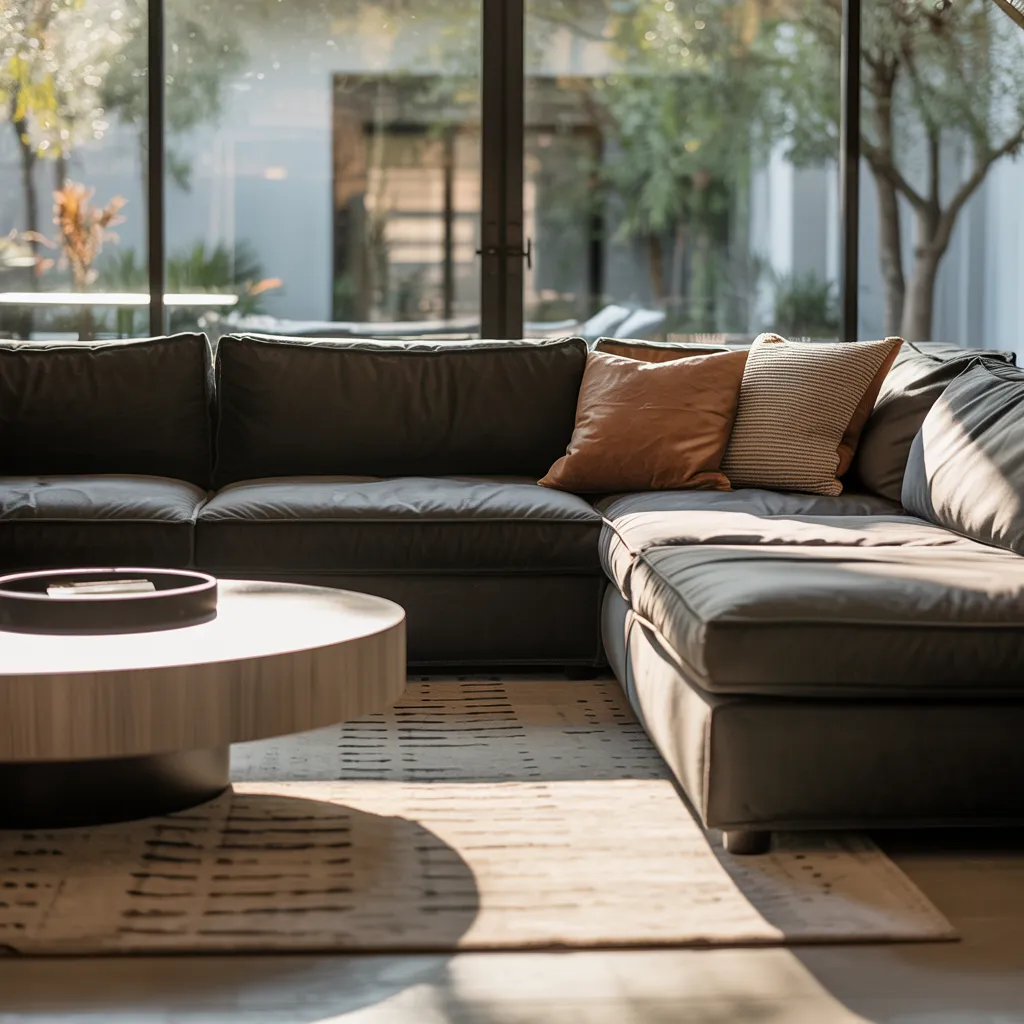
When professional interior designers step into a tired, bland room, they rarely reach for paint or call contractors. Instead, they focus on the walls—not to renovate them, but to style them strategically.
The transformation that follows is often so dramatic that homeowners wonder why they didn’t think of it sooner. Wall decor represents one of the most underutilized design levers in residential spaces, yet it delivers results that rival expensive renovations at a fraction of the cost.
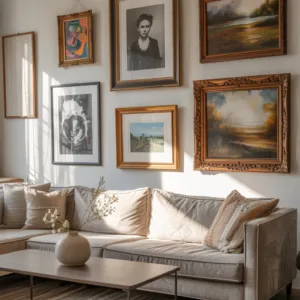
Strategic wall styling creates visual depth, establishes mood, and anchors an entire room’s aesthetic. Designers employ multiple techniques: gallery walls combine framed pieces in cohesive arrangements that draw the eye upward and make ceilings feel higher. Oversized canvases serve as focal points, commanding attention and setting the emotional tone.
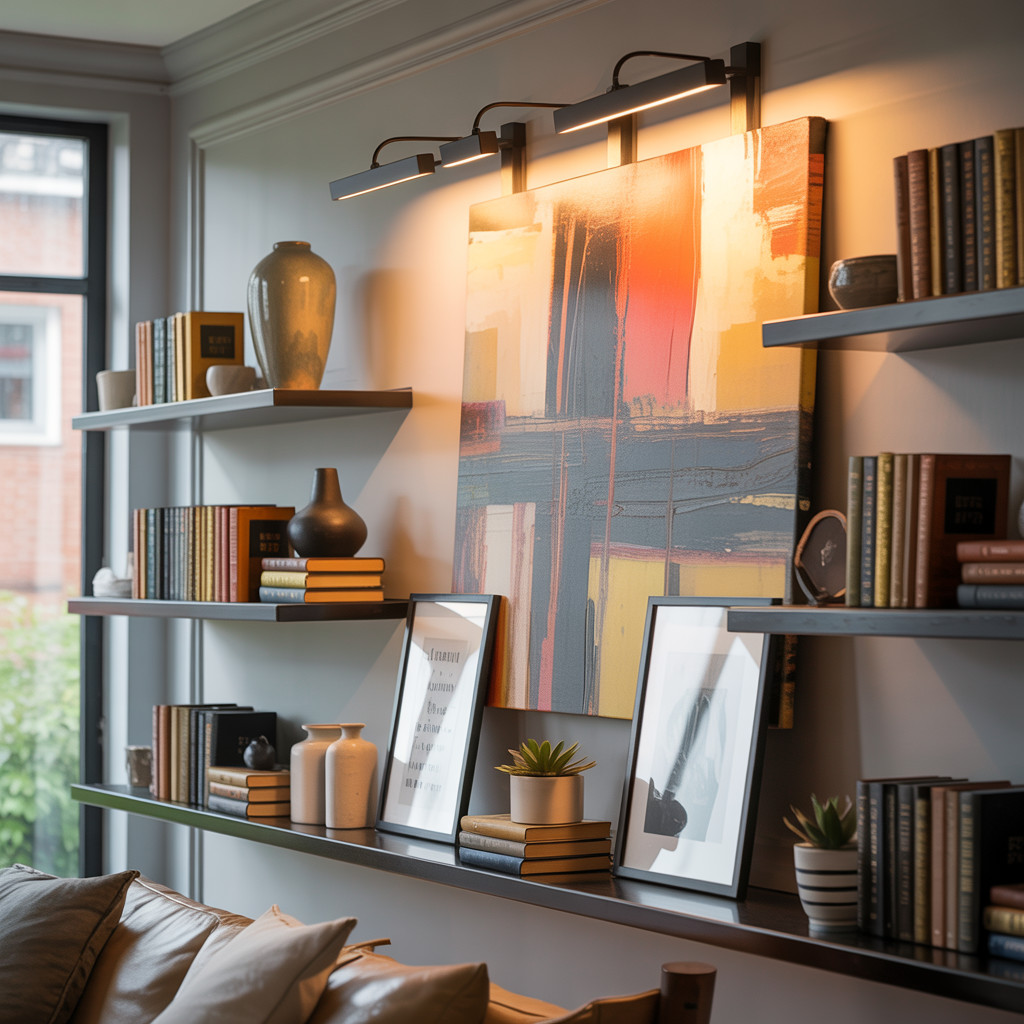
Picture lights illuminate artwork, adding warmth and sophistication to your space. Leaning frames casually against walls introduces intentionality without permanent commitment—perfect if you’re renting or prefer flexibility.
Mixing frame shapes and sizes creates visual interest and prevents that sterile museum feeling. Some designers extend paint colors around doorframes, blurring traditional boundaries and making spaces feel more intentional and polished. Decorative shelves display curated objects while breaking up blank wall space.
The magic lies in understanding that walls aren’t just backgrounds—they’re canvases for storytelling. Whether through commissioned murals, playful decorative elements, or children’s artwork thoughtfully displayed, walls transform from passive surfaces into active design components that elevate your entire home’s aesthetic instantly.
Why Your Living Room Layout Might Be Costing You Comfort
Living rooms are where families gather, guests mingle, and life unfolds—yet most homeowners arrange them based on instinct rather than design principles.
The consequences ripple through daily living: awkward traffic patterns, uncomfortable conversation angles, and spaces that never quite feel right despite looking nice. Professional designers approach living room layouts with strategic intentionality, considering function before aesthetics.
Here’s what they focus on:
- Large Rooms (90+ square feet): High ceilings risk feeling cold without furniture anchors that create intimate conversation zones. Instead of pushing everything against walls, designers float seating areas to make large rooms feel smaller and more intentional.
- Compact Apartments: The opposite problem emerges—cramping too much furniture creates claustrophobia. Smart small-space layouts prioritize multi-functional pieces and vertical storage, keeping floors clear to enhance perceived square footage.
- Positioning Secrets: Angle furniture slightly rather than creating rigid parallel lines. This generates dynamic energy and breaks monotony. Traffic flow patterns should guide placement; the path from entry to windows shouldn’t feel like navigating an obstacle course. Window placement dictates natural light distribution, affecting both mood and which areas become natural gathering spots.
Contemporary design emphasizes functional pieces that serve multiple purposes rather than decorative furniture selected primarily for appearance.
This philosophy means every element should enhance both comfort and utility. The result? Rooms that feel intentionally designed rather than accidentally arranged.
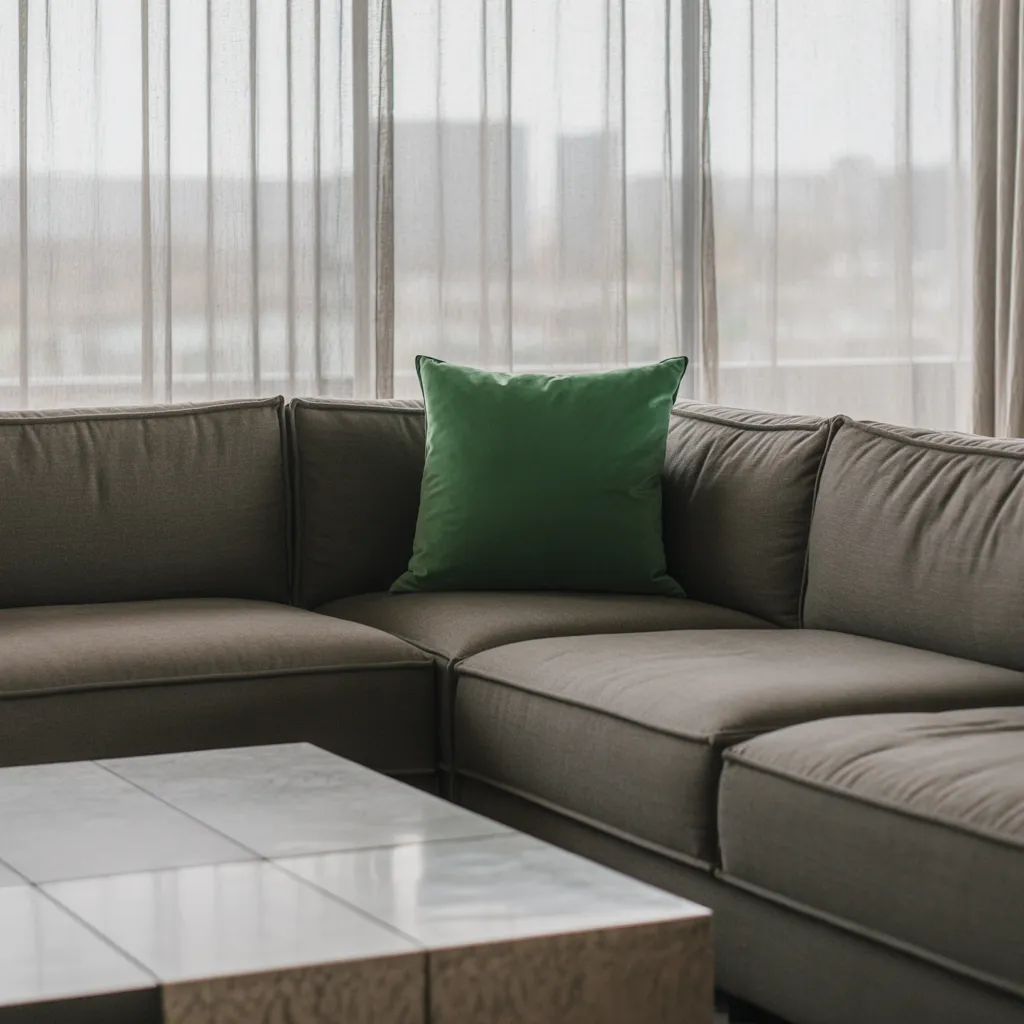
The Color Trends Taking Over Bedrooms and Bathrooms in 2026
Interior design color trends for 2026 signal a decisive shift away from the decade-long neutral dominance that defined recent design aesthetics. While soft beiges and greige will always have advocates, bold color strategies are reclaiming bedrooms and bathrooms as spaces for personal expression.
- Understanding Color’s Impact: Colors powerfully affect how you think, feel, and perceive space. Different hues can calm or overstimulate depending on context. Strategic color deployment can make tiny rooms feel larger or smaller—a sophisticated design tool that goes way beyond just picking a shade you like.
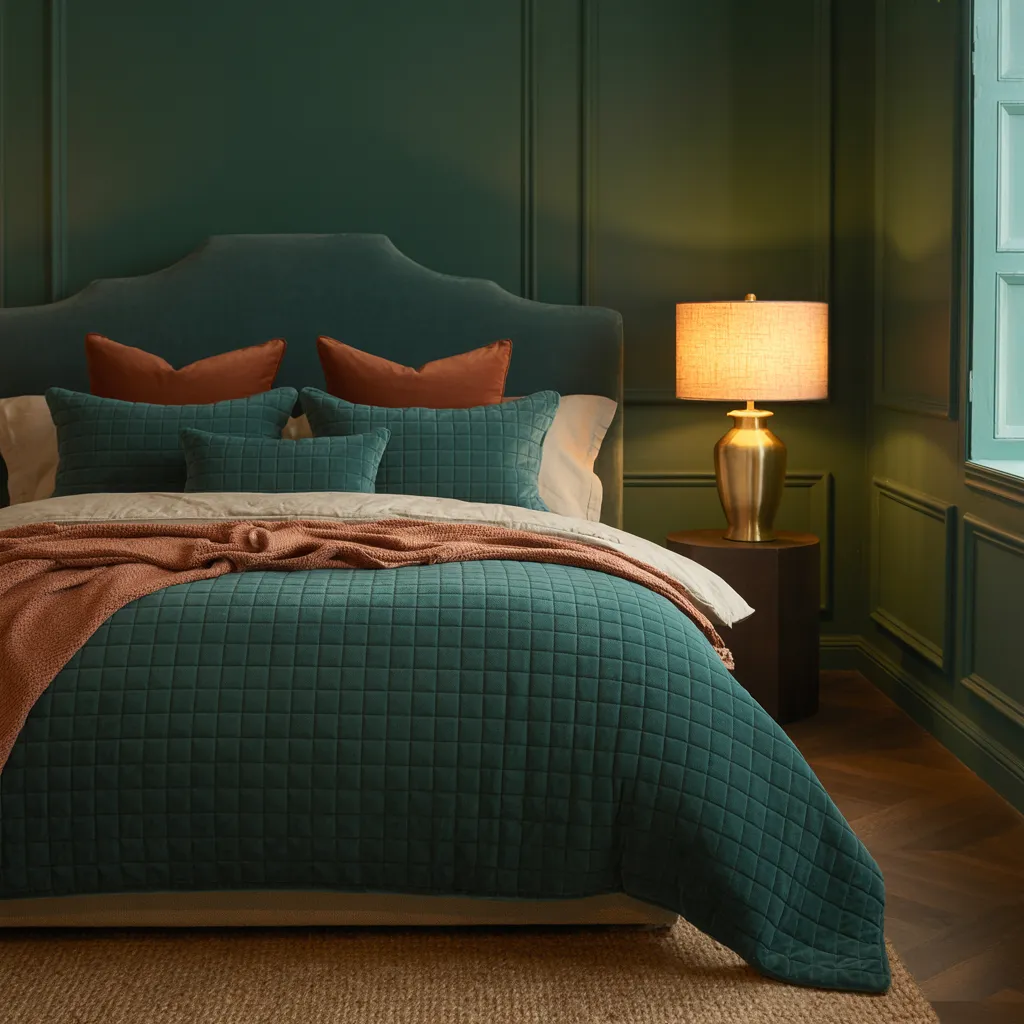
- The 2026 Palette: Hotel-inspired paint palettes lead this movement, translating luxury hospitality design into residential spaces. Deep forest greens, moody slate blues, and warm terracotta create cocoon-like atmospheres that feel both contemporary and timeless. Deeper tones create dramatic elegance while paradoxically making small bedrooms feel more intimate and expansive. Darker walls recede visually, shifting focus to focal points and creating gallery-like qualities.
- Bathrooms Evolve Too: While white bathrooms remain popular, they increasingly feature accent walls or cabinet colors adding subtle sophistication. Designers now layer contrasting tones rather than sticking with monochromatic approaches. Paint extends beyond walls to doorframes, baseboards, and even ceilings, creating enveloping color experiences.
- A Smart Choice: Contemporary designers prioritize low-VOC paints that deliver rich colors while minimizing environmental impact and indoor air quality concerns—color that looks beautiful and feels healthier.
This color revolution indicates homeowners increasingly view private spaces as personal sanctuaries deserving intentional mood-setting, rejecting the assumption that neutral necessarily means peaceful or sophisticated.
How Antique Finds and Vintage Furniture Create Authentic Character
Sustainable design has evolved from niche practice to mainstream aesthetic philosophy, and vintage furniture sits at its intersection with luxury. Interior designers actively hunt antique shops, estate sales, and vintage markets for pieces that newer furniture cannot replicate: authentic patina, superior craftsmanship, and stories embedded in wood grain and worn upholstery.
Why Vintage Matters:
- Environmentally: Diverts materials from landfills while reducing demand for resource-intensive new production.
- Aesthetically: Anchors modern interiors with soul and authenticity that mass-produced furniture cannot achieve.
- Economically: Often appreciates or holds value, offsetting initial investment.
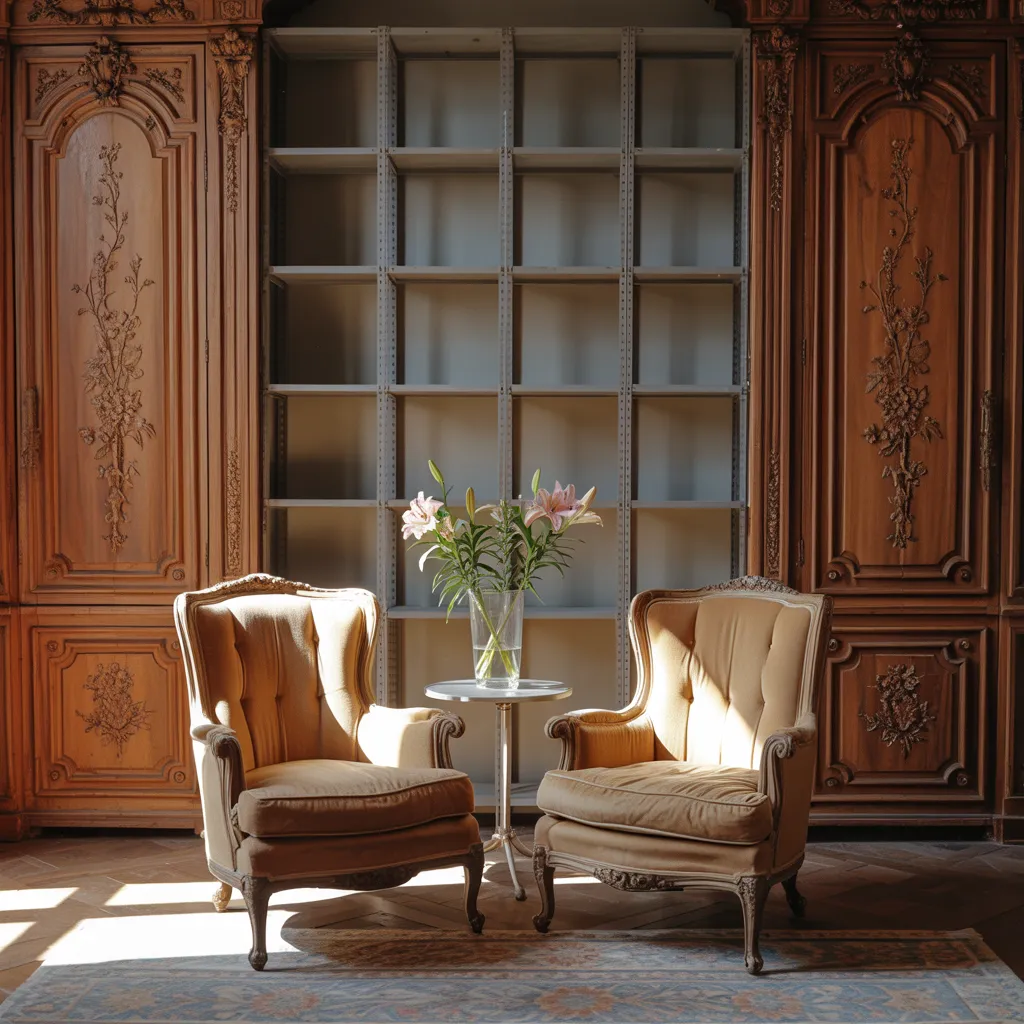
- The Vintage Remix Aesthetic: Juxtapose historical craftsmanship—such as vintage French cabinets with intricate detailing—against modern industrial elements. This creates visually compelling narratives through the contrast of warm, aged wood against sleek steel.
- Making Smart Purchases: Understand vintage furniture longevity by knowing which antique styles withstand decades of use and which represent beautiful but fragile investments. Solid wood construction, quality joinery, and original finishes signal durability. Some pieces require restoration; others benefit from selective refinishing that honors original character while improving functionality.
- The Resale Factor: Homes featuring curated vintage and antique pieces consistently command price premiums. Buyers perceive these spaces as intentionally designed, lived-in, and authentic—qualities that new construction struggles to convey. This philosophical shift reflects growing consumer awareness that investment pieces transcend seasonal trends.
Spring, Easter, and Beyond: Seasonal Decor That Actually Lasts
Seasonal decorating traditionally follows predictable patterns: haul out holiday boxes, arrange temporary displays, then pack everything away.
This cyclical approach works but misses opportunities to create layered, evolving interiors that feel fresh without constant overhauls.
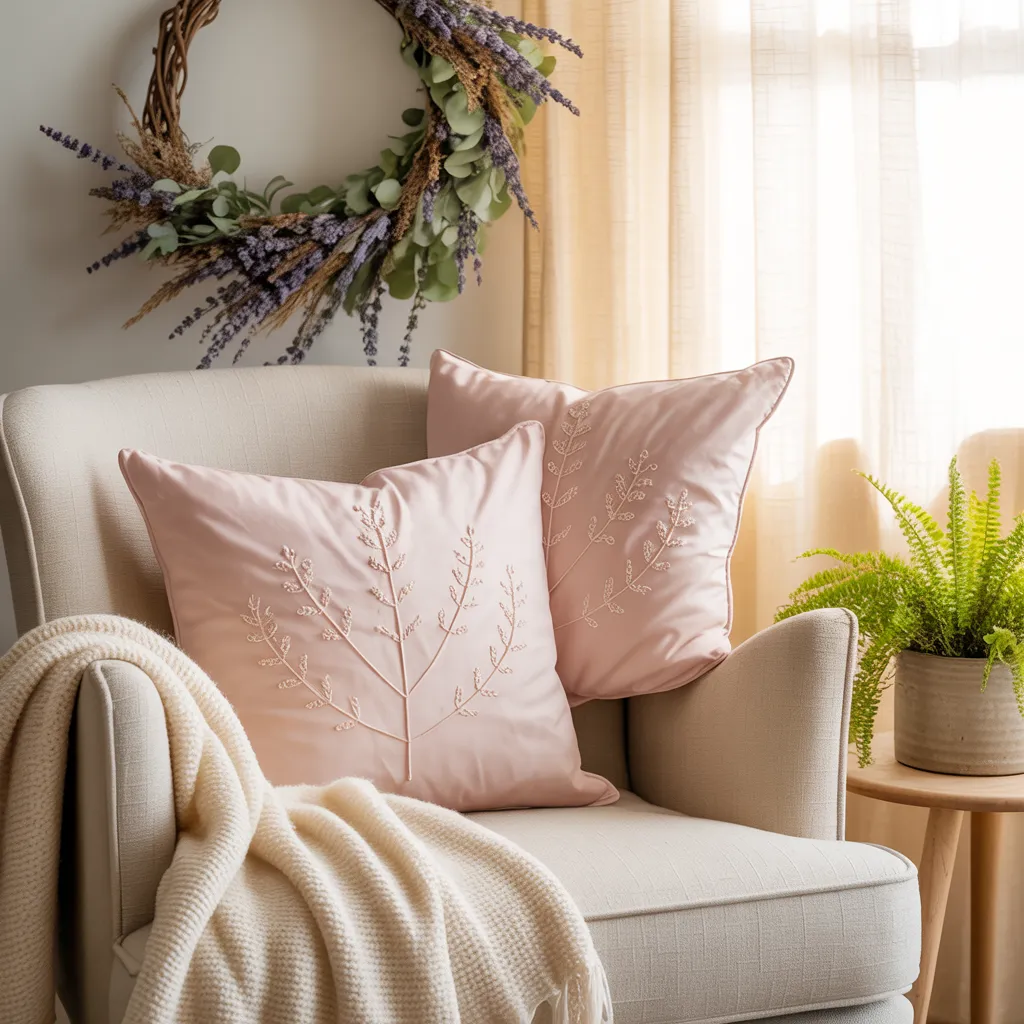
- The Better Approach: Select quality pieces that work across multiple seasons rather than purchasing disposable decorations. A well-made spring wreath becomes wall art. Easter figurines fit into permanent shelf styling. Spring throw pillows layer over year-round furniture.
- Spring Decorating Strategy: Botanical elements read spring-specific in context but pair naturally with year-round neutral palettes. Lighting options adapt from season to season, recognizing that thoughtful illumination enhances aesthetic appeal across all seasons. Textiles transition through temperature changes while maintaining design continuity.
- Easter Integration: Rather than viewing Easter as a separate decorative category, integrate these elements into broader spring narratives. Gold accents, floral motifs, and warm pastels work through summer, gradually transitioning into autumn palettes.
- The Benefits: This approach reduces waste, maximizes budget efficiency, and creates homes that feel intentionally designed rather than seasonally decorated. Professional designers maintain style guides for seasonal transition points, ensuring each refresh enhances rather than contradicts established aesthetics.
This philosophy transforms seasonal decorating from burdensome chore into delightful design opportunity, allowing your home to evolve while maintaining the sophisticated cohesiveness that distinguishes professionally designed spaces.
The Budget-Friendly Upgrades That Transform Your Home’s Value
Not all home improvements deliver equal returns on investment, yet homeowners often invest disproportionately in invisible upgrades while neglecting visible elements that buyers assess within seconds.
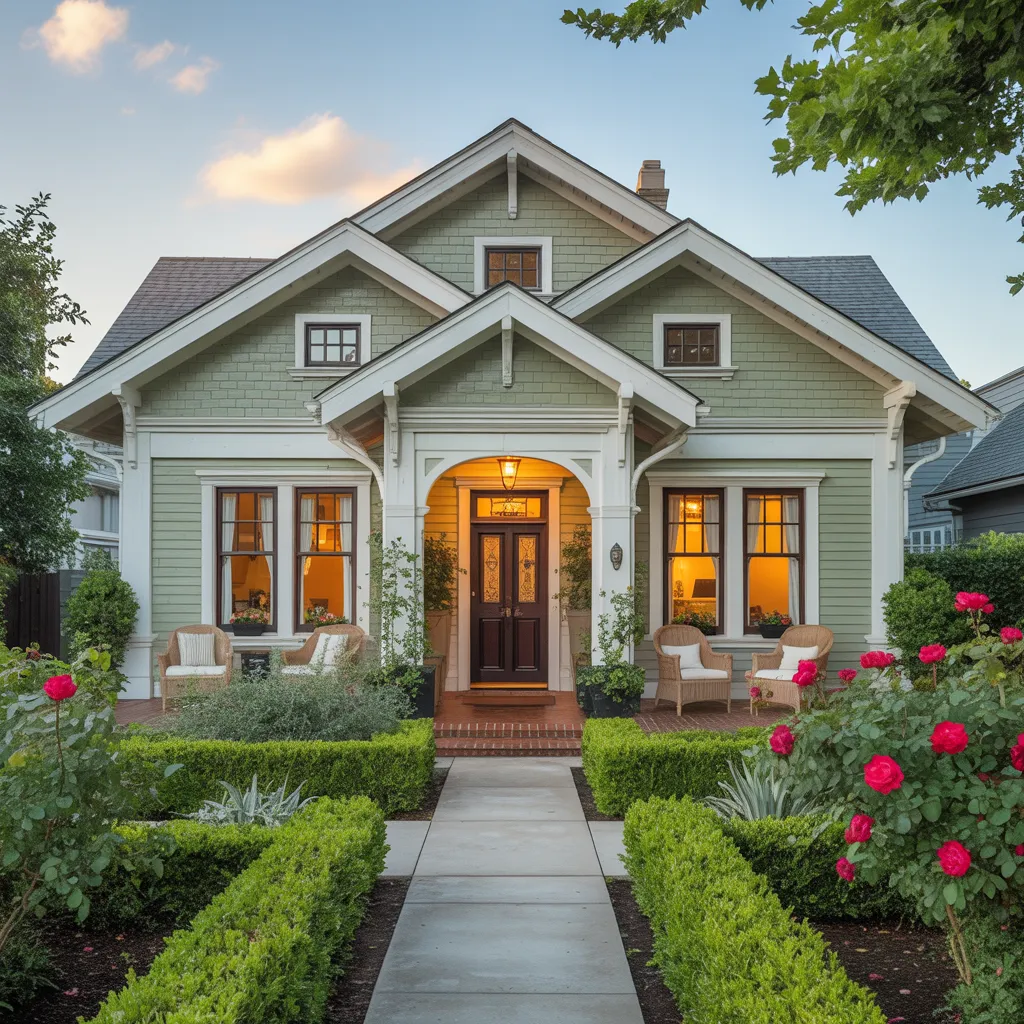
What Buyers Notice First: Outdoor improvements lead return-on-investment rankings. Buyers form immediate impressions from curb appeal, making landscaping, exterior paint, and entryway updates disproportionately impactful for resale value. A well-maintained exterior suggests comprehensive home care, even if interior systems require attention.
Smart Interior Upgrades:
- Bathrooms: Storage solutions represent particularly smart investments. Buyers evaluate bathroom functionality immediately, and visible organization signals quality maintenance.
- Kitchens: Focus on correcting obvious deficiencies rather than pursuing trendy updates.
- Lighting: Proper illumination affects how rooms are perceived and impacts mood dramatically.
- Traffic Flow: Improving how people move through your home increases perceived value and comfort.
- Energy-Efficient Investments: Beyond aesthetic improvements, include upgrades that enhance both immediate comfort and long-term value: upgraded heating systems, smart technology integration, LED lighting switches, and efficient window installations. These reduce operating costs while appealing to environmentally conscious buyers.
The Curb Appeal Multiplier: Fresh paint, updated landscaping, and attractive entryways cost relatively little while dramatically influencing buyer psychology. Design professionals consistently find that strategic, visible improvements outperform expensive hidden investments. The economic principle is straightforward: resale value responds to buyer perception, which forms within minutes of arrival. Therefore, maximizing visual impact through thoughtful exterior attention, functional bathroom improvements, visible storage solutions, and energy-efficient upgrades delivers superior returns.
Design Evolution in 2026: What Designers Are Actively Moving Away From
As interior design trends accelerate, contemporary designers are deliberately rejecting several formerly popular approaches in favor of more intentional, sustainable alternatives.
- Fast Furniture: Mass-produced pieces designed for short-term trends and disposability represent the most significant shift in professional design philosophy. Designers increasingly recognize that investment in well-made, timeless pieces delivers superior long-term value compared to trendy options that deteriorate quickly.
- Design Fatigue Around Ubiquitous Materials: Bouclé’s popularity prompted exploration of sophisticated alternatives like mohair and sterling fabrics that offer texture and luxury without ubiquity. This reflects a broader shift toward originality.
- Matching Furniture Sets: The shift toward eclectic, collected looks reflects growing confidence in personal curation. Rather than purchasing complete room packages, contemporary design celebrates layered storytelling through mixed periods, styles, and sources—creating spaces that feel authentically lived-in rather than showroom-staged.
- Instagram-Worthy Over Functional: Perhaps most significantly, designers prioritize functional design over visual impact alone, recognizing that pieces selected primarily for appearance without utility create cluttered, unsustainable interiors. This extends to avoiding overly themed rooms in favor of layered, personal narratives that reflect individual lifestyle and evolving preferences.
- The Bigger Picture: These industry shifts signal a fundamental recalibration toward sustainable, authentic design that prioritizes longevity and personal expression over trend-chasing. This transformation has profound implications for how you should approach your own design decisions and investments, encouraging you to choose quality and authenticity over fleeting fashion.