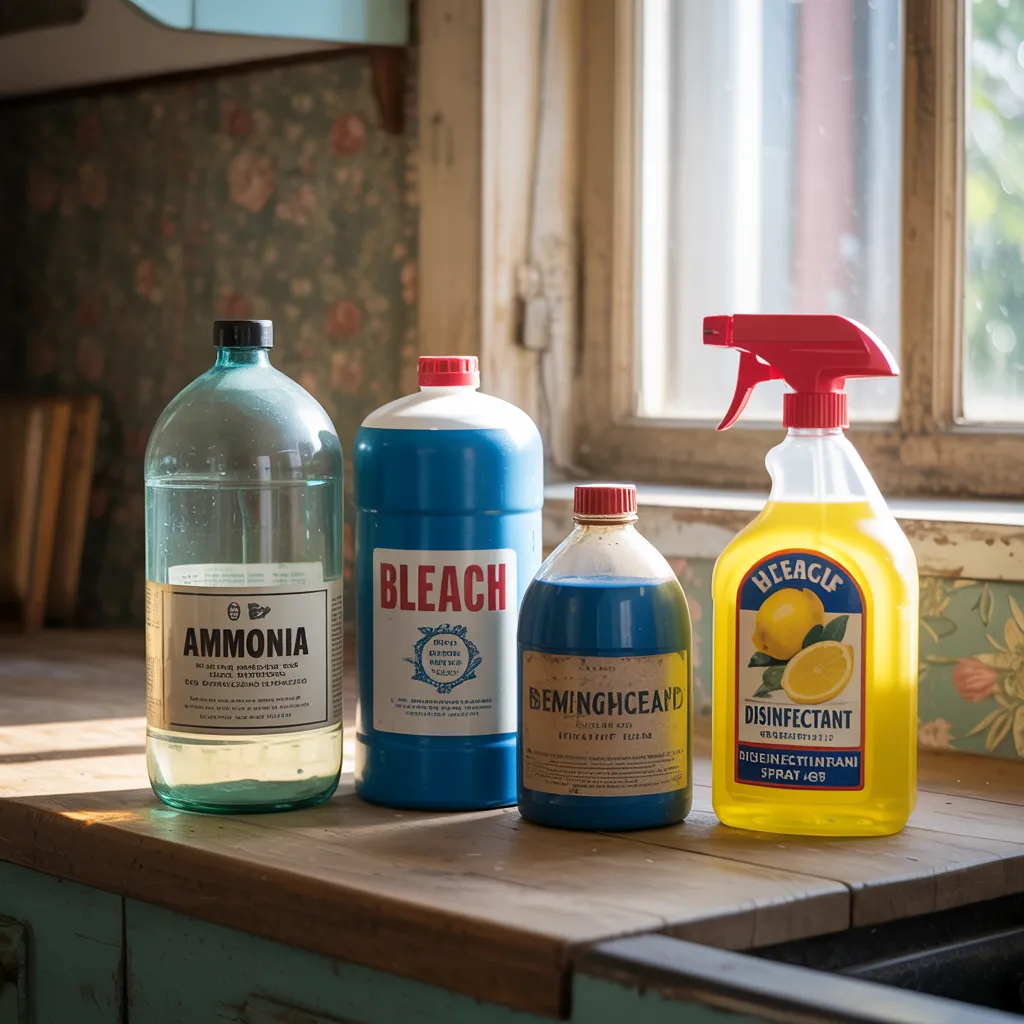
Here’s the thing: most of us think we’re cleaning correctly, but professional cleaners know better. Using too much product leaves sticky residues that actually trap dirt, mixing incompatible chemicals creates dangerous fumes, and using the wrong cleaner for a surface can cause real damage.
The irony is painful—you invest time and money in cleaning supplies, only to discover you’re working against yourself. It’s not just ineffective; it can be genuinely unsafe for your family. Understanding why these mistakes happen and choosing the right products for each surface is your first step toward creating a truly clean, safe home where your family can thrive.
Never Mix These Products—The Chemistry Behind Dangerous Combinations
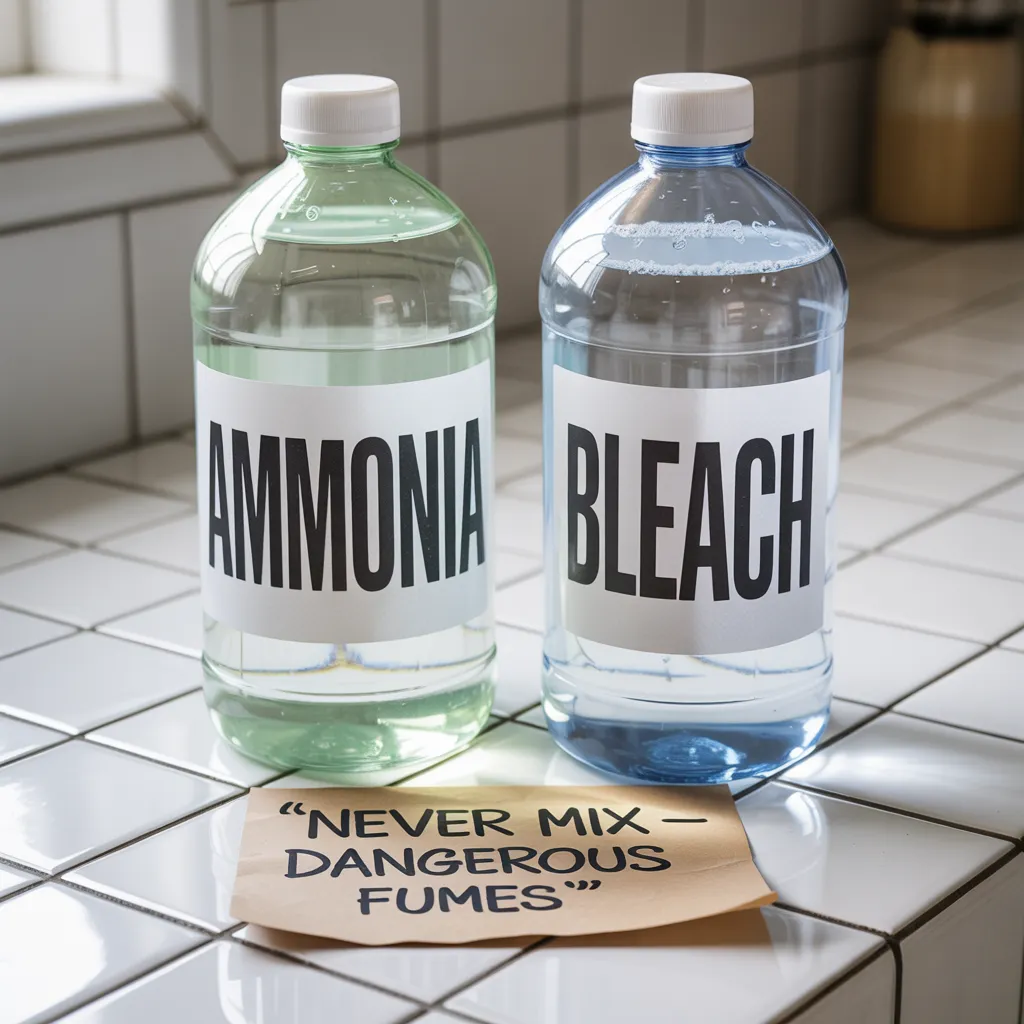
The most dangerous cleaning mistake is combining incompatible products. Mixing bleach with vinegar or ammonia creates chlorine gas—a toxic substance that causes respiratory irritation, chest pain, and in severe cases, chemical burns.
Poison control centers receive thousands of calls annually from people exposed to these deadly mixtures, created unknowingly in home kitchens and bathrooms. The tragedy? These incidents are completely preventable with basic product knowledge.
Professional cleaners follow strict protocols: they use one product at a time, ensure proper ventilation, and never assume something “should” be safe just because it sounds natural.
Always read labels, follow manufacturer instructions, and when in doubt, use products individually. Your safety is infinitely more important than slightly faster cleaning.
Work Top to Bottom, Back to Front—The Professional Cleaning Sequence
Professional cleaners don’t move randomly through a room—they follow a strategic system that saves time and prevents re-contaminating clean areas.
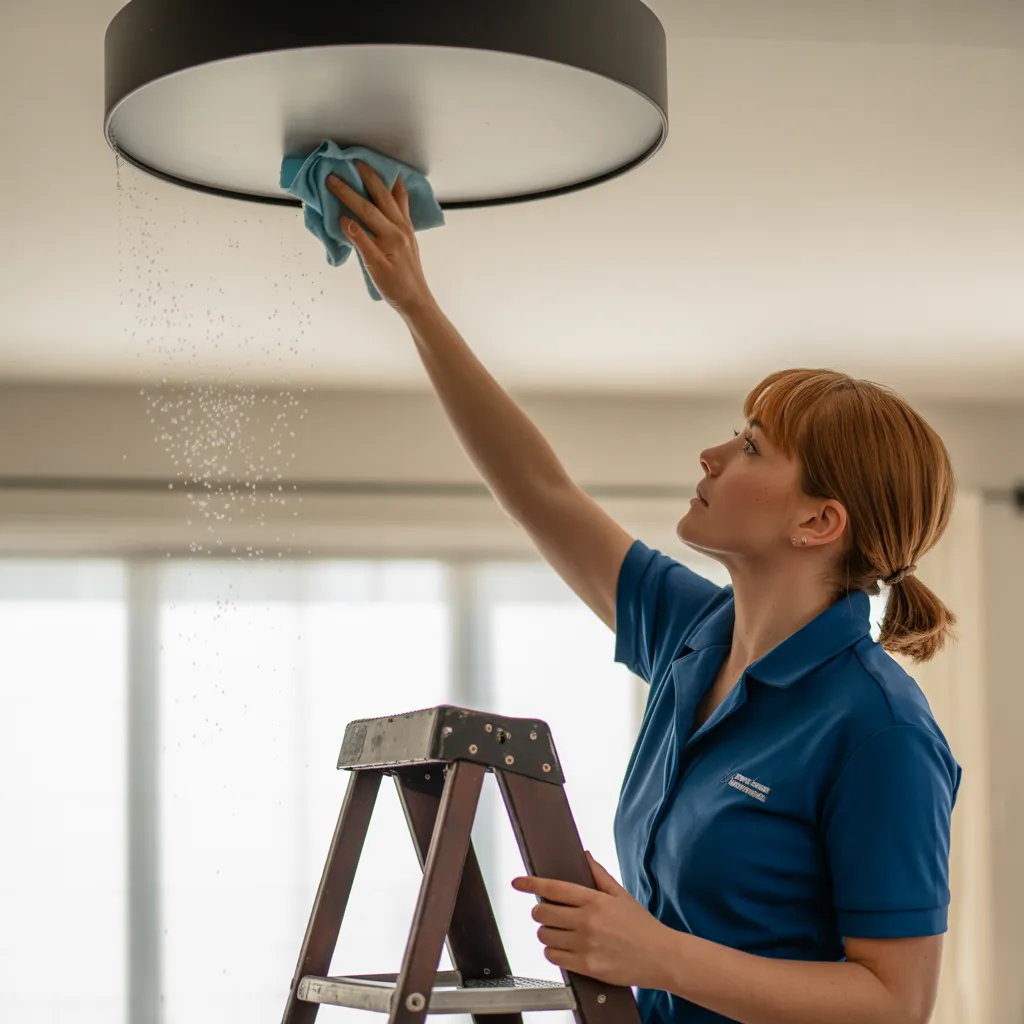
Here’s the logic: gravity pulls dust and debris downward, so cleaning from top to bottom prevents you from redoing work. Start with ceiling corners and light fixtures, move to walls and surfaces, then finish with floors last.
For hardwood floors specifically, this is crucial—clean all overhead areas first, then tackle wood floors as your final step. The sequence works like this: vacuum or sweep for debris removal, wipe surfaces with appropriate cloths, then mop floors with products designed specifically for your flooring type.
This approach transforms your entire cleaning routine, making it faster and far more effective.
The Spots Guests Notice First (That You’re Probably Missing)
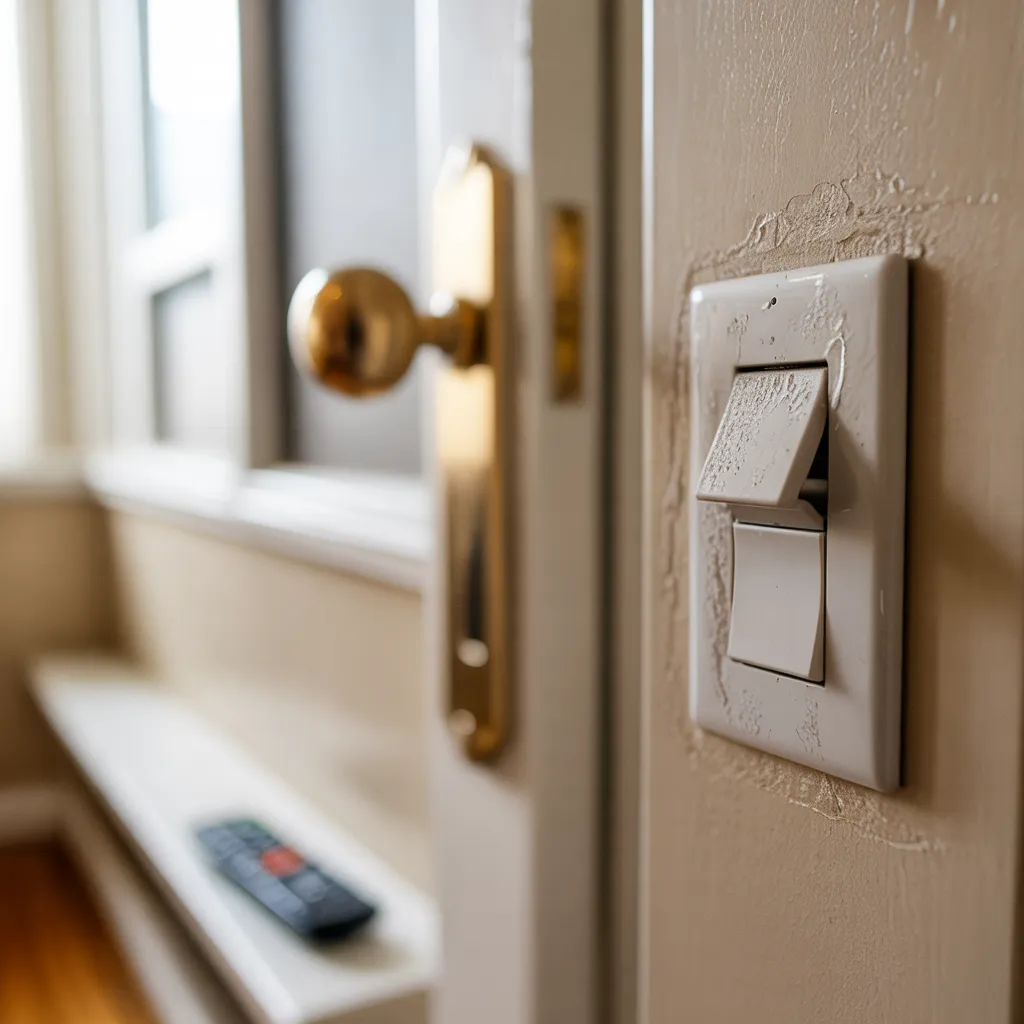
You could spend hours cleaning, but guests will still notice what you missed: light switches, door handles, remote controls, and baseboards.
These high-touch surfaces harbor bacteria and grime that signals an unclean home, even when everything else is pristine. Don’t forget ceiling corners, the tops of cabinets, and areas behind furniture—dust accumulates in these out-of-sight spots and subtly communicates that cleaning isn’t being maintained.
Hard-to-reach spaces deserve regular attention because bacteria loves hiding places. Prioritizing these overlooked zones takes minimal extra time but dramatically improves both the cleanliness and perceived care of your home. Focus here first, and guests will notice the difference immediately.
Why Less Product Actually Cleans Better—And Saves Money
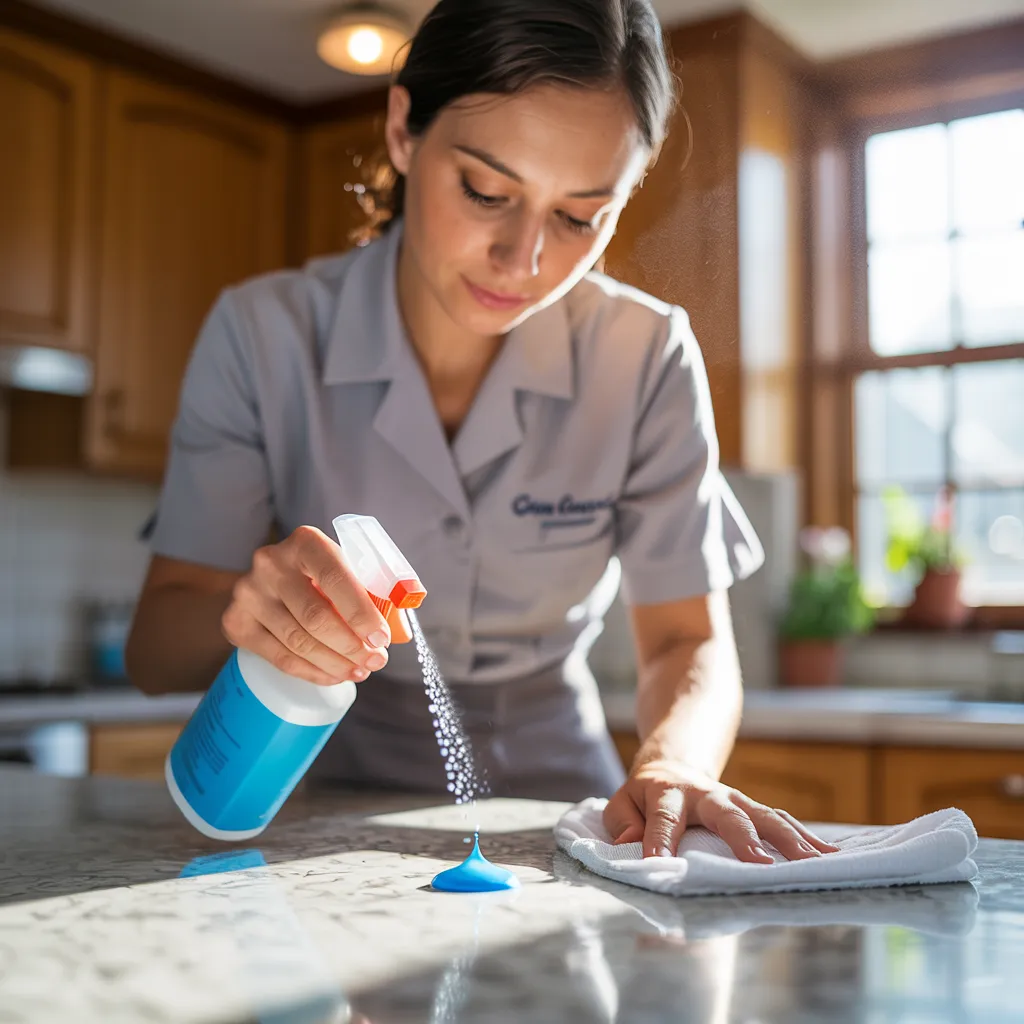
Using too much cleaning product is one of the biggest mistakes—and wastes—in household cleaning. Excess product leaves residues that trap dirt and require additional rinsing, completely undoing your cleaning efforts.
Professional cleaners use precise, measured amounts because concentrated solutions work far more effectively than diluted or excessive ones. This approach saves money (many households cut cleaning supply spending by 30-50%), prevents product buildup on surfaces, and reduces harsh chemical exposure for your family.
The technique matters as much as the amount: proper application of less product outperforms generous amounts every single time. Start by using half the recommended amount, then adjust based on results. You’ll likely discover that less truly is more.
Viral Cleaning Hacks: Why Professionals Warn Against Trendy Shortcuts
That trending cleaning hack on social media? It probably looks amazing in the video—and probably damages your home in real life.
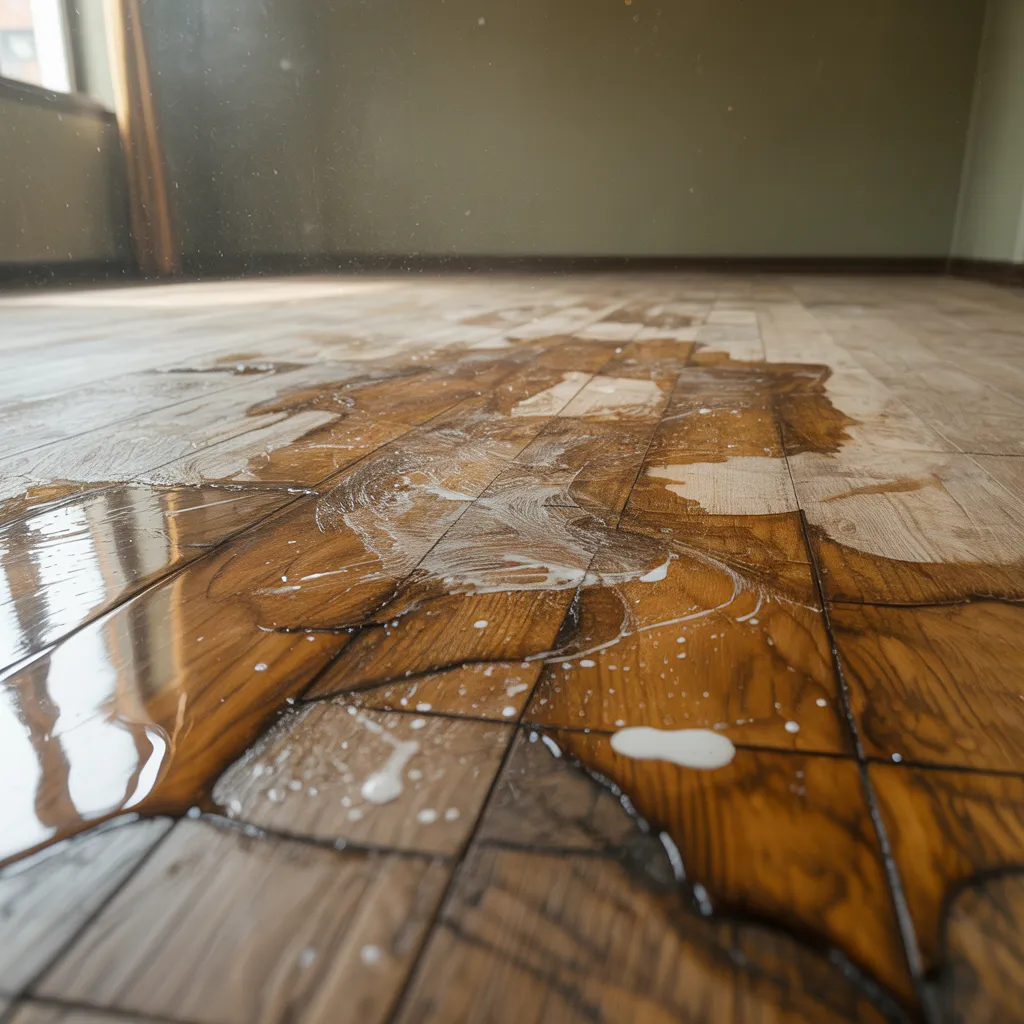
Steaming hardwood floors sounds innovative but can warp wood and permanently ruin finishes. Baking soda seems gentle and natural, yet it scratches delicate surfaces.
While green cleaning methods deserve consideration, not all viral alternatives have undergone rigorous testing to confirm safety and effectiveness.
Professional cleaners stick with tested techniques because they understand the actual chemistry and long-term consequences.
Before trying the latest viral trend, ask yourself: Has this been tested on my specific surfaces? Could it cause damage I can’t repair?
Is there a reason professionals don’t use this? When in doubt, stick with methods and products designed specifically for your materials.
Your Dirty Cleaning Tools Are Sabotaging Your Entire Effort
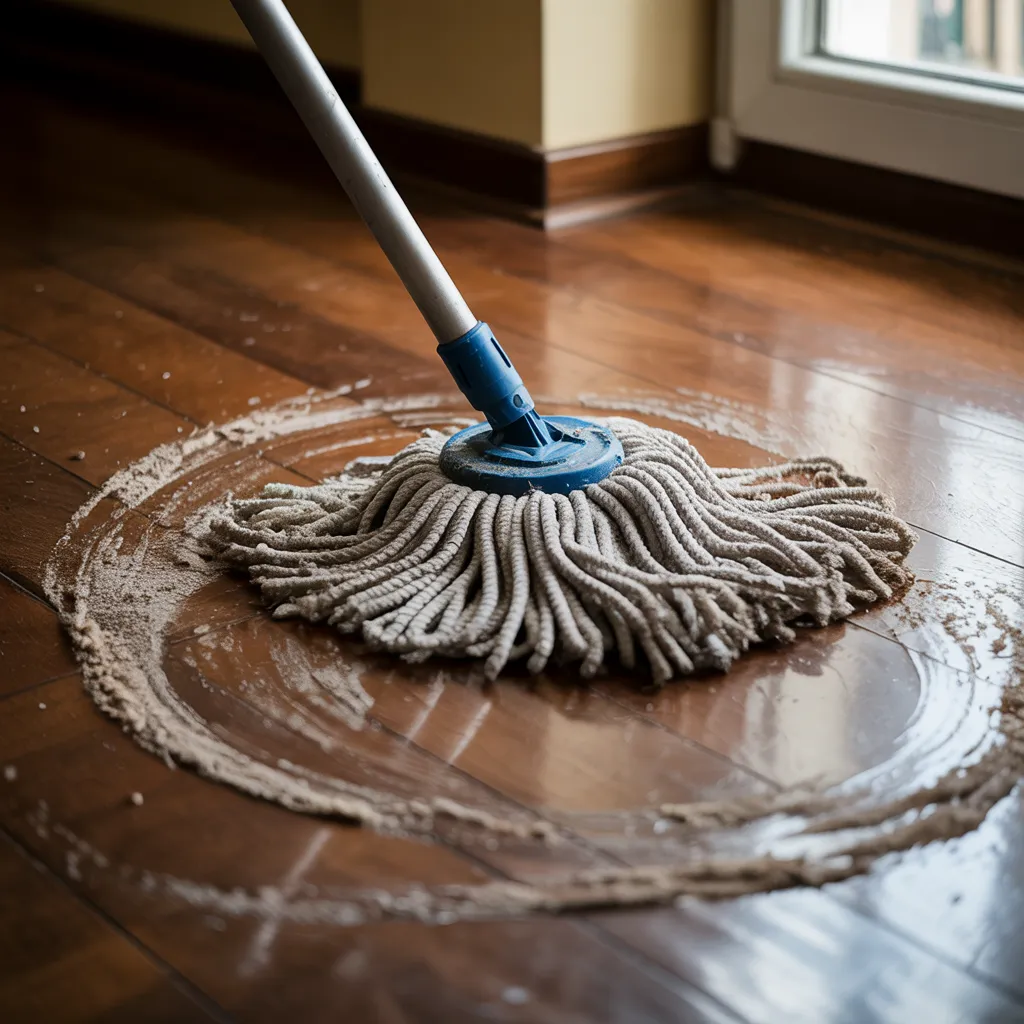
Here’s what most people miss: dirty mops, sponges, and brushes can’t actually clean anything—they just spread bacteria and grime across your surfaces. A contaminated mop doesn’t clean your floor; it redistributes dirt everywhere.
Professional cleaners understand this fundamental truth and maintain clean equipment after every single use. Establishing a simple tool maintenance routine is the invisible foundation of genuinely clean spaces. Rinse your tools thoroughly after use, allow them to dry completely, and replace them regularly when they show wear.
Think of it this way: your cleaning tools are only as effective as their cleanliness level. Dirty tools undermine everything you’re doing, no matter how good your technique or products are. This simple discipline transforms your cleaning results.
Choosing the Right Products for Your Surfaces and Stains
Beyond general cleaning principles, selecting the correct products for specific surfaces prevents damage while delivering better results.
For hardwood floors, this is non-negotiable—specialized hardwood cleaners protect finishes while removing dirt effectively. Vinegar, steam, and abrasive products consistently damage wood floors, so avoid them entirely.
Different stain types require different removal strategies depending on the stain’s composition, fabric type, and how long it’s been sitting. What works perfectly on tile might ruin natural stone. What removes pet stains from carpet might bleach upholstery.
The extra minute spent reading product labels and surface care instructions protects your furnishings and home’s infrastructure. When you match products to surfaces and stain types, you’re not just cleaning better—you’re preserving your investments for years to come.